Read this first. The Dukan Diet is a high-protein, very-low-carb, low-fat weight-loss plan created by French general practitioner Dr. Pierre Dukan.
In 2010 the French food-safety agency ANSES reviewed 15 popular slimming diets and flagged Dukan as one of the highest-risk for nutritional imbalance, muscle-mass loss, and long-term regain. In 2014 the French Ordre des Medecins struck Dr. Dukan off its medical register.
This article is educational, not medical advice.
If you’re pregnant, breastfeeding, under 18, over 65, have kidney or liver disease, gout, an eating-disorder history, diabetes, or take medication that affects blood sugar or kidney function, talk to your doctor or a registered dietitian before starting Dukan or any very-low-carb protocol.
Dukan Diet 101, Honestly
You’ve probably heard the promise: up to ten pounds off in a week, and Kate Middleton reportedly used it before her wedding. That’s the marketing. Here’s what a beginner actually needs to know before signing up.
The Dukan Diet is a four-phase, high-protein, very-low-carb, low-fat plan built around roughly 100 “allowed” foods. Rapid early loss is real, but most of it is water plus muscle glycogen, not stored fat. And French health authorities have publicly warned against the plan.
This guide walks you through the four phases, what the science actually says, who should avoid Dukan entirely, and what to consider instead if quick loss is your goal.
What’s on This Page
- What the Dukan Diet is
- The four phases at a glance
- How it actually works (physiology, not magic)
- Where it came from
- What the evidence says
- Risks and who should skip it
- Sustainable alternatives
- FAQ
What the Dukan Diet Is
Dukan is closest in spirit to Atkins. Both cut carbs hard. The difference is fat: Atkins allows liberal fat, Dukan restricts it. That leaves lean protein doing most of the work.
You cycle through four phases. The first two are for weight loss. The last two are for keeping the weight off. What you eat, and how long you stay in a phase, depends on your starting weight and how quickly you’re losing.
Early phases feel restrictive because they are: fewer than a hundred foods are on the “yes” list, and starchy carbs, added sugars, and most fats stay out until the later phases.
The Four Phases at a Glance
| Phase | Duration | What you eat | Goal |
|---|---|---|---|
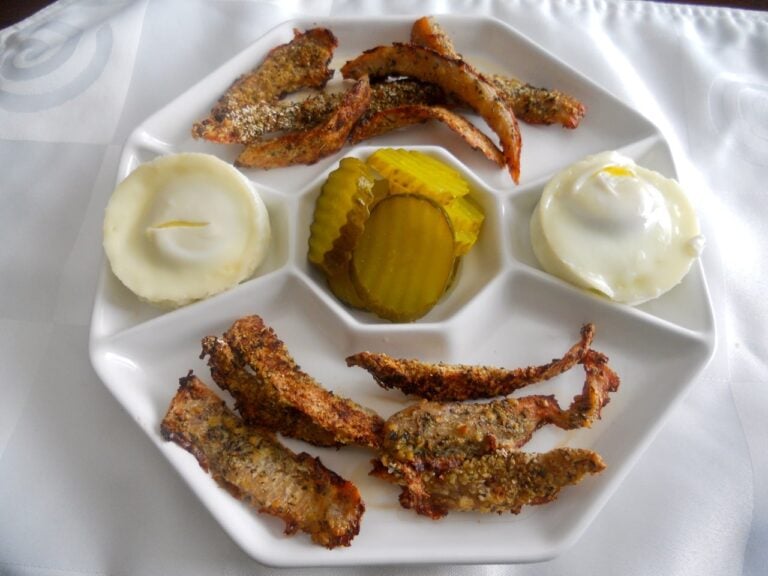
| 1. Attack | 2 to 7 days | Pure lean protein + 1.5 tbsp oat bran | Rapid initial drop (mostly water) |
| 2. Cruise | Until goal weight (roughly 3 days per pound) | Alternate protein-only and protein + non-starchy vegetable days | Steady loss to target |
| 3. Consolidation | 5 days per pound lost | Reintroduce fruit, whole-grain bread, cheese, starch, celebration meals | Avoid rebound |
| 4. Stabilization | For life | Eat freely six days, one “pure protein” day per week, 3 tbsp oat bran daily | Maintain “true weight” long term |
Exercise is part of every phase, starting around 20 minutes of walking a day and building from there.
How It Actually Works
The Dukan Diet leans on three levers. Understanding them helps you set expectations that match reality.
- Very low carbs push you into ketosis. Once glycogen empties, the body burns more fat for fuel and produces ketone bodies. That shift is real and it does drop appetite for many people.
- Protein is highly satiating. Gram for gram it fills you up longer than carbs or fat, so total calories drop even when portions aren’t strictly measured.
- Fast early loss is mostly water. Every gram of glycogen holds roughly 3 grams of water. In the first week, most of the scale movement is fluid and glycogen depletion, not body fat.
That last one is important. If you expect to lose ten pounds of fat in seven days, you’ll be disappointed a month in when the water weight is gone and the losses slow to the usual 1 to 2 pounds a week that any calorie-deficit diet delivers.
Where the Dukan Diet Came From
Dr. Pierre Dukan is a French general practitioner who spent decades treating patients with obesity. The story he tells is that one patient told him he’d give up any food to lose weight, except meat. Dukan built a diet around that premise, researched it for years, and published the first version in 2000 in French as Je ne sais pas maigrir (“I don’t know how to lose weight”).
The English edition, The Dukan Diet: 2 Steps to Lose Weight and 2 Steps to Keep It Off Forever, arrived in 2011 and became an international bestseller. It’s been translated into more than 30 languages and sold roughly 10 million copies worldwide.
The professional recognition side of the story is less flattering. In 2014, France’s medical regulator, the Conseil national de l’Ordre des medecins, struck Dr. Dukan from its register after an ethics case related to promoting the diet commercially.
What the Evidence Actually Says
Long-term controlled trials of the Dukan Diet specifically are scarce. Most of what we know comes from research on low-carb, high-protein diets in general.
Bueno and colleagues published a 2013 meta-analysis in the British Journal of Nutrition comparing very-low-carbohydrate ketogenic diets to low-fat diets across 13 randomized trials with more than 1,400 adults.
At one year, the ketogenic groups lost about 2 pounds more than low-fat groups on average, and had better triglycerides and HDL cholesterol. LDL cholesterol went up slightly.
The takeaway: low-carb protocols do produce modestly greater loss and metabolic improvements at 12 months than low-fat comparisons.
ANSES, the French food-safety agency, reached a different conclusion when it evaluated the Dukan Diet specifically. Its 2010 report on 15 popular slimming diets rated Dukan as one of the highest-risk plans, citing nutritional imbalance (very low fiber, potassium, magnesium, and vitamin C in early phases), likely muscle-mass loss, high rebound rates, and psychological effects like food obsession.
Testimonials and celebrity endorsements aren’t evidence. Kate Middleton and Jennifer Lopez have both been linked to Dukan in the tabloid press. Neither anecdote tells you what will happen to your body over five years.
Risks and Who Should Skip Dukan
Very-high-protein, very-low-carb diets aren’t neutral. They can be safe for healthy adults short term, but not for everyone.
- Kidney strain. If you have chronic kidney disease or a single kidney, high protein loads can accelerate decline. Talk to a nephrologist first.
- Constipation and low fiber. Early phases contain almost no fiber. Bran alone doesn’t fully compensate.
- Muscle loss. Rapid weight loss without adequate calories and resistance training costs muscle, not just fat.
- Bad breath, headaches, fatigue. Common early ketosis symptoms.
- Rebound weight regain. ANSES specifically flagged Dukan for high regain rates after stopping.
- Eating-disorder risk. Rigid rules and food obsession are documented concerns. If you have any history of disordered eating, this diet isn’t for you.
Skip Dukan entirely if you’re pregnant, breastfeeding, under 18, over 65, have kidney or liver disease, gout, type 1 diabetes, an eating-disorder history, or are managing blood-sugar medications without medical supervision.
If You Want to Lose Weight Sustainably
The evidence base for long-term weight loss is dull but reliable. A modest calorie deficit, high protein (roughly 1.2 to 1.6 g/kg body weight), plenty of vegetables and fiber, resistance training, and enough sleep beat almost every branded plan over years.
The Mediterranean diet, DASH, and lower-carb-but-not-extreme approaches all show similar 12-month loss with fewer risks and better long-term adherence than Dukan.
FAQ
How much weight can I really lose on Dukan?
The 10-pounds-in-a-week claim usually reflects water and glycogen loss during the Attack phase, not fat. Realistic fat loss on any calorie-deficit plan, including Dukan, is closer to 1 to 2 pounds a week averaged over months.
Is the Dukan Diet safe?
For a healthy adult with no relevant medical conditions, short-term Attack and Cruise phases are unlikely to cause harm. ANSES rated Dukan as high risk for longer-term use because of nutrient shortfalls, muscle loss, and rebound. Get medical clearance before trying it.
Can Dukan hurt my kidneys?
Healthy kidneys generally handle short high-protein intake. If you have any kidney disease, hypertension with kidney damage, or a family history, get labs and clearance from a doctor before starting.
Can vegetarians follow Dukan?
It’s very hard. The plan is built around animal protein. Vegetarians can technically use eggs, tofu, and fat-free dairy, but the food list gets extremely narrow and it’s easy to fall short of essential nutrients.
Why is oat bran allowed when other carbs are not?
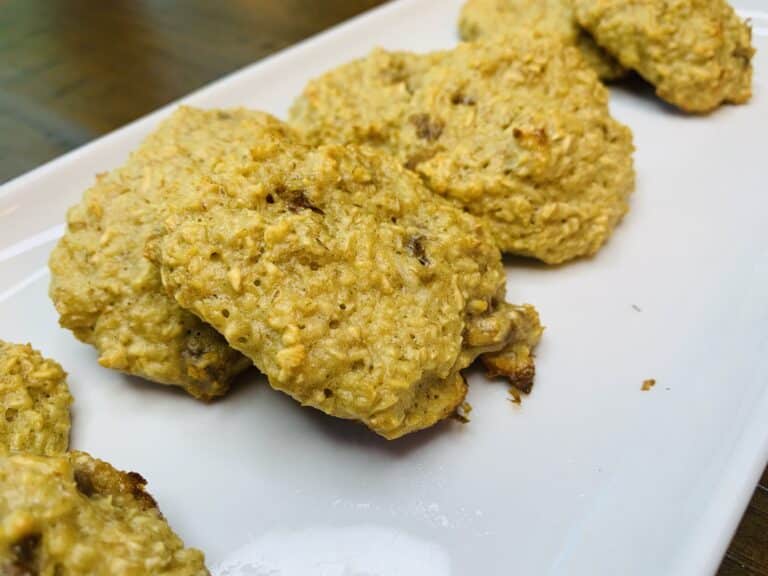
Oat bran is the one grain the plan permits because it’s high in soluble beta-glucan fiber, which supports satiety, digestion, and cholesterol. Amounts range from 1.5 to 3 tablespoons per day depending on the phase.
Do people actually keep the weight off?
Regain rates on very-low-carb protocols vary widely. Studies show most people regain a meaningful portion within 2 to 5 years unless they permanently change eating habits, and ANSES specifically flagged Dukan for high rebound.
Is Dukan expensive?
Lean protein (fish, poultry, lean beef) tends to cost more than carbs. Add in oat bran, non-fat dairy, and non-starchy vegetables during Cruise, and it’s more expensive than a mixed diet built around beans, rice, and seasonal produce.
Related Reading
- Dukan Diet Phases: Attack, Cruise, Consolidation, Stabilization
- Dukan Diet Vegetables (Cruise Phase List)
- Dukan Diet Oat Bran: Rules and Amounts
- Complete Dukan Diet Food List
- Atkins vs Dukan: Which Is Right for You?