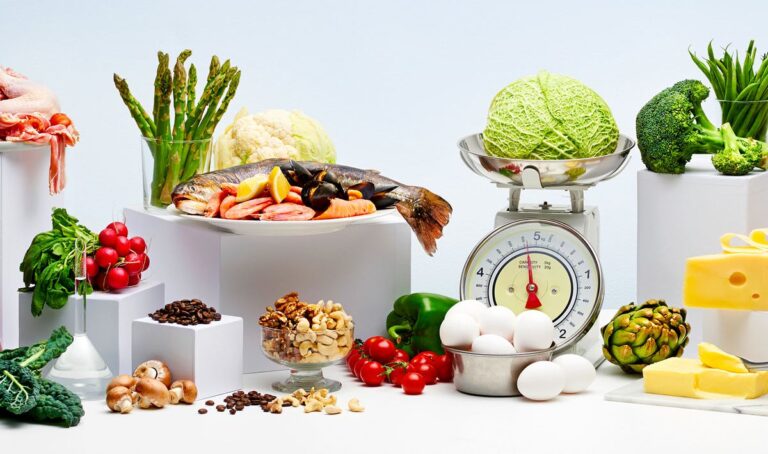
Low carb doesn't have to mean strict keto. This section covers moderate low-carb meal plans (typically 50-130g carbs per day) built for people who want to lose weight, stabilize blood sugar, or reduce processed carbs without going all the way into ketosis.
A 2013 systematic review and meta-analysis by Bueno et al. of 13 randomized trials with more than 1500 adults found very-low-carb ketogenic diets produced greater weight loss at 12 months than low-fat diets, along with better triglycerides and HDL, though…
An 1800-calorie low-carb meal plan keeps total carbohydrate to roughly 90 to 110 g per day (about 20 to 25 percent of energy), pushes protein to 120 to 140 g, and lets healthy fat fill the rest.
The honest lead: Most “healthy” smoothies are stealth sugar bombs. A standard fruit smoothie can hit 60 to 90 g of carbohydrate before you add anything else.
The honest lead. “No carb on rest days” is a version of what sports nutrition calls carbohydrate periodization or “train low, sleep low.” Reviews of the approach (Impey et al., 2018) suggest possible endurance adaptation benefits when applied carefully to…
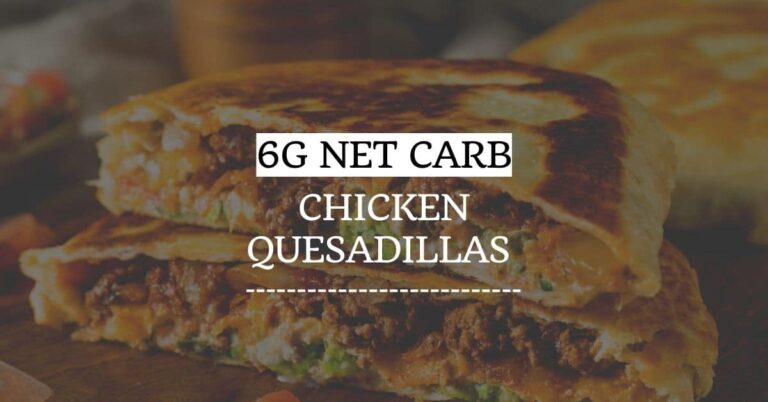
Low-carb chicken quesadillas swap standard flour tortillas for a Mission Carb Balance wrap and add a thin egg layer between the cheese and chicken, which builds structure without piling on carbs.
Low-carb diets drop blood glucose fast and can cause severe hypoglycemia on insulin, sulfonylureas (glipizide, glyburide, glimepiride), or meglitinides (repaglinide, nateglinide).
Short answer: A 1300-calorie vegan meal plan is a short-term weight-loss template that uses only plant foods to reach 60 to 75 g protein, 25 to 35 g fiber, and adequate iron, zinc, calcium, omega-3, and iodine daily.
A 1700-calorie low-carb meal plan keeps total carbohydrate to roughly 80 to 100 g per day (about 20 to 25 percent of energy), boosts protein to 110 to 130 g, and lets fat fill the rest.
Meta-analyses show low-carb diets produce weight loss and cardiometabolic improvements similar to other calorie-controlled patterns over 6 to 12 months, with a modest edge on triglycerides and HDL (Bueno et al., 2013).
Low carb breakfast recipes work best when each serving lands under 10 g of net carbs while delivering 20 g or more of protein for morning satiety. That protein anchor matters most in the first two weeks of a low-carb…
These low-carb shrimp tacos come in at 270 calories per two-taco serving with 24 grams of protein, 7 grams of net carbs, and 12 grams of fat. The recipe took 12 test rounds to lock in the heat balance, texture,…
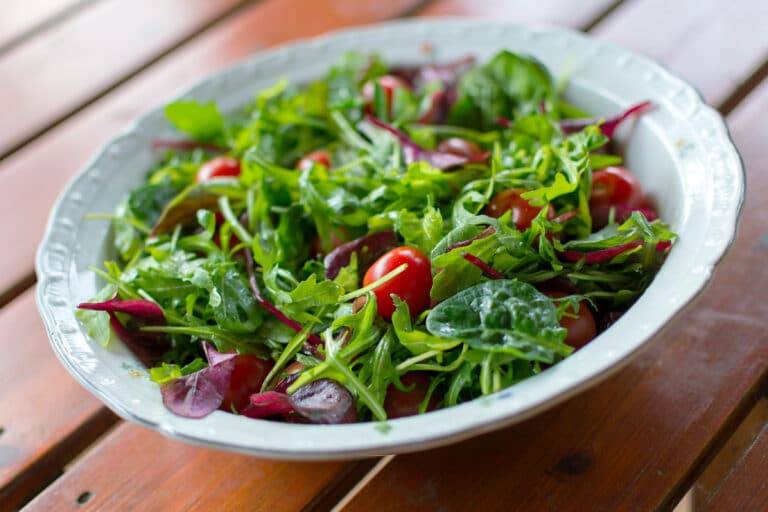
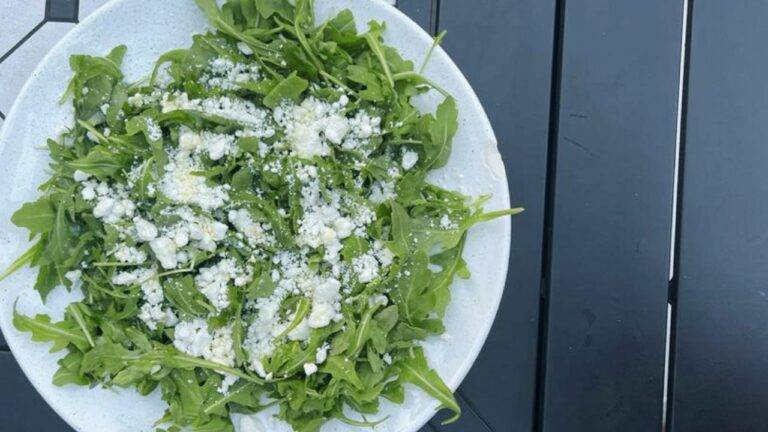
When I first tried the arugula and goat cheese salad, I became obsessed. I got the recipe from the chef at a restaurant I visited in New York Upstate and started making it for almost every dinner.
This soup is designed for the low-residue phase of a diverticulitis flare, when a gastroenterologist has cleared you to move from clear liquids to gentle solids. It is thickened with plain Greek yogurt instead of flour, which keeps it gluten-free…
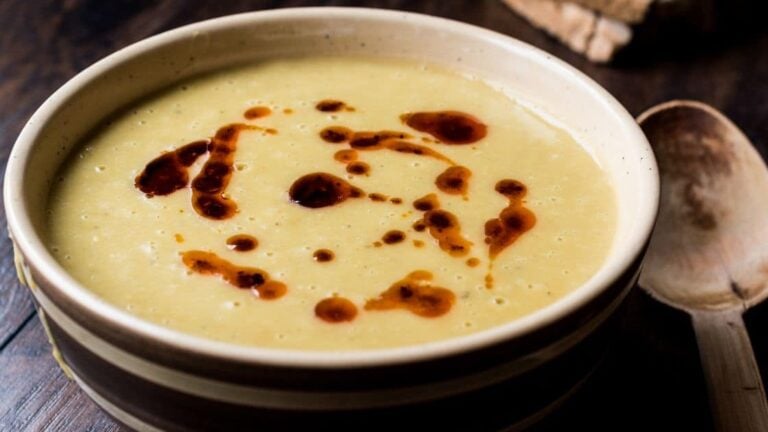
Turkish mercimek corbasi (red lentil soup) rebuilt for a low-carb kitchen. Honest carb count: 10g net carbs per serving. Ready in 25 minutes, serves 6 with 220 calories, 12g protein, and 8g fat each. Finished with a sizzled paprika butter…
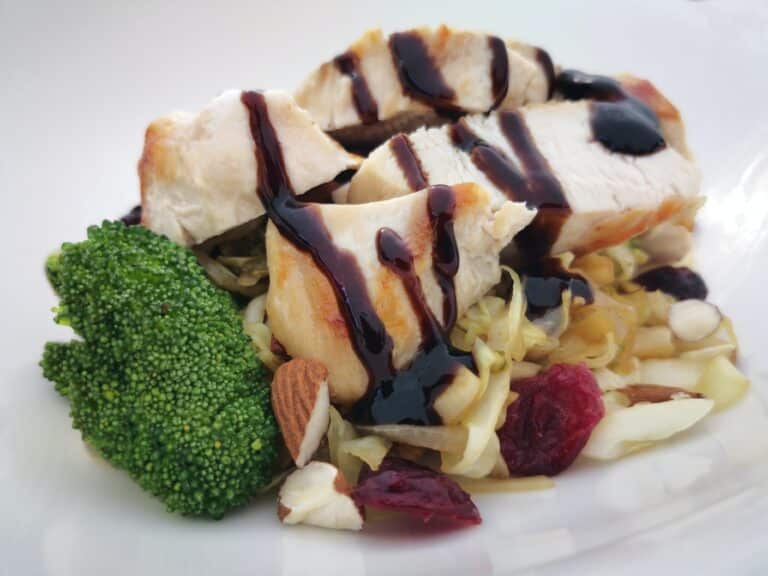
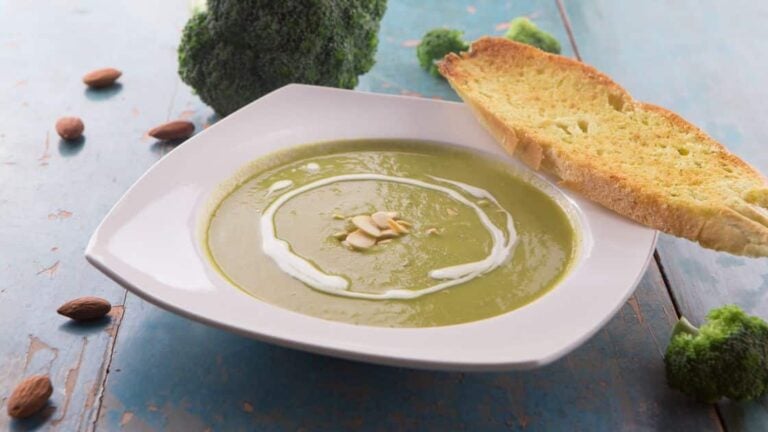
We accept that broccoli is not a vegetable used with pleasure in meals. It is not widely accepted. One reason is that it was boiled and presented to us for many years.
Classic French beurre blanc technique applied to baked salmon delivers 425 calories per fillet with 34 grams of protein, 4 grams of net carbs, and 28 grams of fat, most of it from omega-3-rich salmon and grass-fed butter. This is…
About this collection
Low carb doesn't have to mean strict keto. This section covers moderate low-carb meal plans (typically 50-130g carbs per day) built for people who want to lose weight, stabilize blood sugar, or reduce processed carbs without going all the way into ketosis. We publish full calorie-targeted plans (1200, 1400, 1600, 1800, 2000 kcal) and diet-specific plans (low-carb high-protein, low-carb high-fiber, low-carb Mediterranean, low-carb for diabetes, low-carb for PCOS).
Every plan is calorie- and macro-calculated per meal using the Nutritionix database, and recipes are tested in our kitchen before they're included. Plans that touch medical conditions - diabetes, insulin resistance, PCOS, high cholesterol, cardiovascular risk - are written or reviewed by a Registered Dietitian on our team (Brenda Peralta, Kerly Cordova, or Marita Radloff) and medically reviewed by Franco Cuevas, MD. General weight-loss and lifestyle plans are developed by our Food Editor Damla Sengul with nutrition team review.
We don't promise fast fixes or specific pound counts. We do explain, in plain language, what moderate low-carb eating looks like day to day, how it differs from keto, what the evidence supports (short-term weight loss, glycemic control, satiety), and where readers should work with their own clinician - especially if they take medications for blood sugar, blood pressure, or heart conditions. Every plan is printable and every recipe carries its own carb count so you know what you're eating.