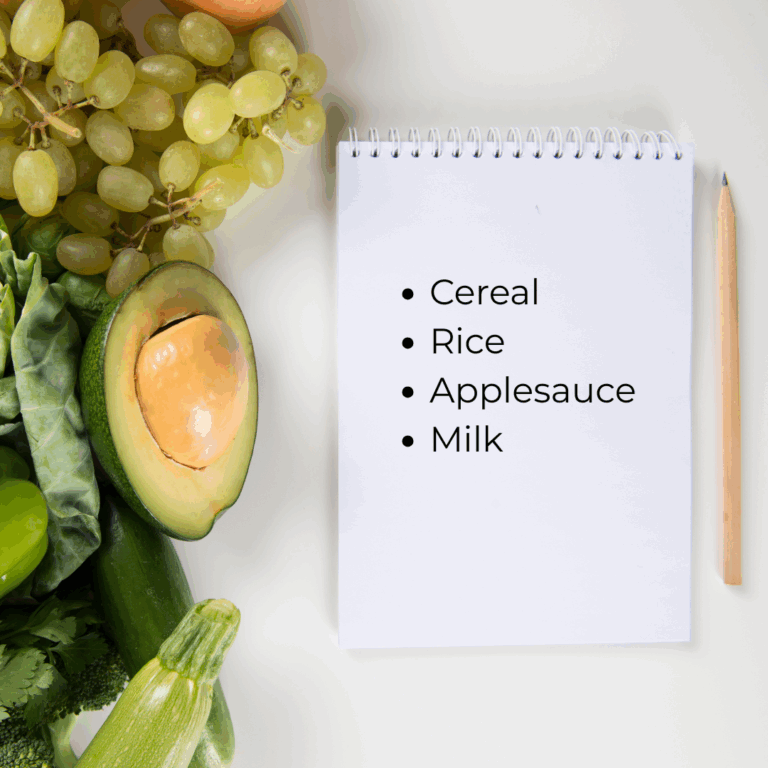
CRAM Diet Food List with PDF Download
The CRAM diet food list is an acronym for Cereal, Rice, Applesauce, and Milk. It is a combination of easy-to-digest foods that help restore energy, manage dehydration, and settle your stomach.
This category covers electrolyte-focused eating: low-sodium fast food and frozen picks, high and low potassium food lists, high-magnesium foods, CRAM diet for recovery from diarrhea, and low-potassium snacks for readers with CKD or on potassium-restricted plans. Every list downloads as a printable PDF.
The CRAM diet food list is an acronym for Cereal, Rice, Applesauce, and Milk. It is a combination of easy-to-digest foods that help restore energy, manage dehydration, and settle your stomach.
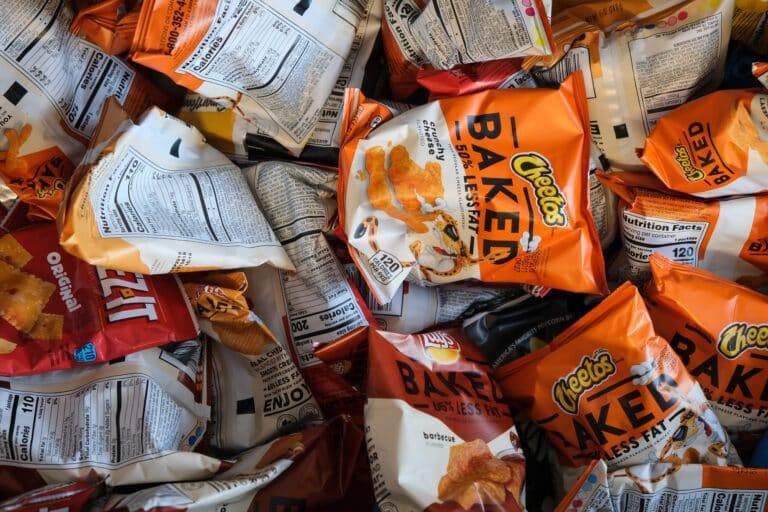
Potassium is required for various biological activities and processes in the human body.

Foods High in Potassium – Having a handy list of foods high in potassium is a smart idea as it is a necessary mineral that accounts for about 5% of the minerals in your body.

Consuming sufficient amounts of magnesium is critical for good health. Magnesium positively impacts everything from healthy bones and teeth to the immune system.
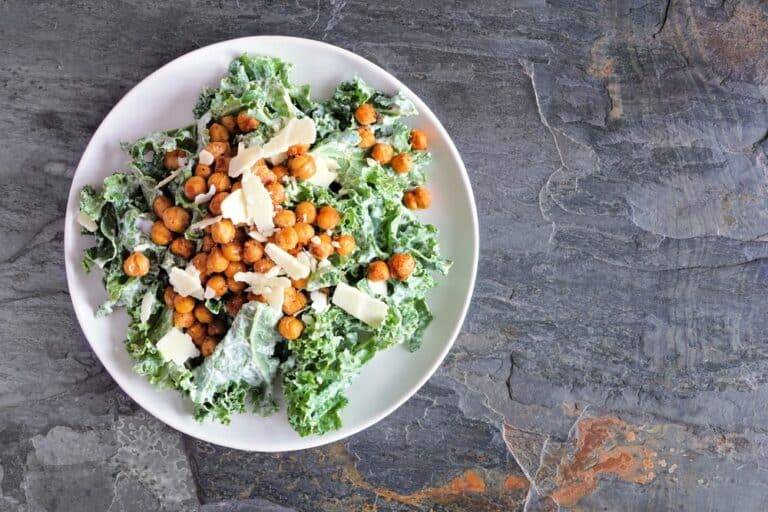
Potassium is essential for everyone’s survival as it aids in keeping your muscles and heart in good working condition.

The average American takes in over 3,400 mg of sodium a day. The FDA and Dietary Guidelines target is under 2,300 mg. The American Heart Association goes further: 1,500 mg for most adults, especially those with high blood pressure. About…

Many people are unaware that low sodium fast food options are available. Fast food consumption is at an all-time high in today’s modern world. People eat fast food more frequently than before despite the mushrooming of low diet plans.
This category covers electrolyte-focused eating: low-sodium fast food and frozen picks, high and low potassium food lists, high-magnesium foods, CRAM diet for recovery from diarrhea, and low-potassium snacks for readers with CKD or on potassium-restricted plans. Every list downloads as a printable PDF.
Values are pulled from USDA FoodData Central and cross-checked against the Nutritionix database, then reported per common serving so the number matches what readers actually eat. Cards flag sodium in mg, potassium in mg (banded low, moderate, high for CKD stages), and magnesium, and note when a low-sodium claim depends on unsalted preparation rather than the food itself.
Electrolyte content, especially anything touching kidney disease, potassium restriction, or rehydration protocols, is written or reviewed by a Registered Dietitian on our team (Brenda Peralta, Kerly Cordova, Marita Radloff, or Karolina Peterova) and medically reviewed by Franco Cuevas, MD. Corrections go to social@dietsmealplan.com.