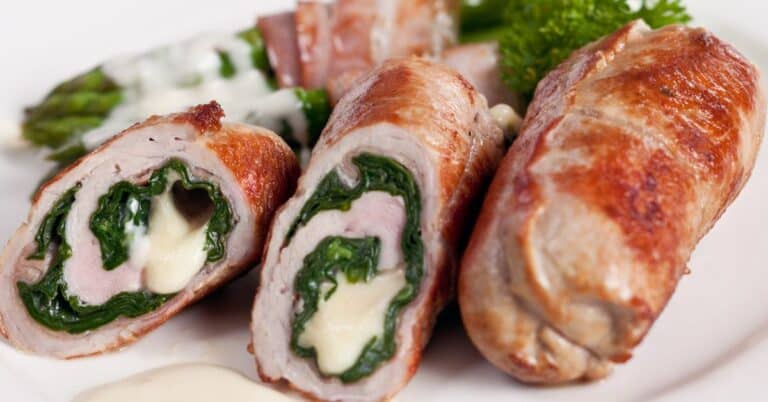
Medical Disclaimer: This article is for informational purposes only and is not a substitute for professional medical advice, diagnosis, or treatment. Always consult a registered dietitian, physician, or qualified healthcare provider before making significant changes to your diet, especially if you are pregnant, nursing, or planning pregnancy (mercury exposure guidance below applies to you). Individual results vary. Nutrition values are estimates and will change with brand and preparation.
Low calorie pescatarian meals put fish and seafood at the center of the plate while keeping each serving at or below 450 kcal.
Six of the seven recipes here use lower-mercury seafood (salmon, sardines, shrimp, tilapia, cod), which the FDA and EPA class as “Best Choices” for adults and pregnant women.
The comparison table shows exact calories, protein, and omega-3 content per serving, and the FAQ addresses mercury limits, canned fish safety, and swaps for tuna.
Jump to a Recipe
Why Add Fish Two Times a Week
The American Heart Association recommends at least two servings of fatty fish per week, roughly 3 to 4 oz cooked each, for cardiovascular benefit from long-chain omega-3s EPA and DHA (Rimm 2018, AHA Science Advisory, PMID 29773586).
The PREDIMED trial, a randomized controlled study of about 7,447 adults at elevated cardiovascular risk, found a Mediterranean pattern rich in fish, olive oil, and nuts cut major cardiovascular events by around 30 percent compared with a low-fat control (Estruch 2013, PMID 23432189).
These low-calorie recipes are designed to plug easily into that pattern.
Comparison Table
| Recipe | Calories | Protein | Omega-3 (EPA+DHA) | Total time | Best for |
|---|---|---|---|---|---|
| Lemon Herb Baked Cod | 295 kcal | 32 g | 0.2 g | 25 min | Weeknight, low mercury |
| Salmon and Lentil Bowl | 430 kcal | 34 g | 1.5 g | 30 min | Omega-3 rich, gluten-free |
| Garlic Shrimp with Zoodles | 320 kcal | 28 g | 0.4 g | 20 min | Low-carb, quick |
| Stuffed Artichoke with Avocado | 388 kcal | 10 g | 0 g | 60 min | Vegetarian pescatarian meal |
| Asparagus Cauliflower Pizza | 295 kcal | 18 g | 0 g | 45 min | Low carb, gluten-free base |
| Sardine and White Bean Salad | 380 kcal | 26 g | 1.2 g | 10 min | Budget, no cooking |
| Tilapia Fish Tacos | 410 kcal | 30 g | 0.2 g | 25 min | Family meal, low mercury |
The Recipes
1. Lemon Herb Baked Cod (295 kcal)
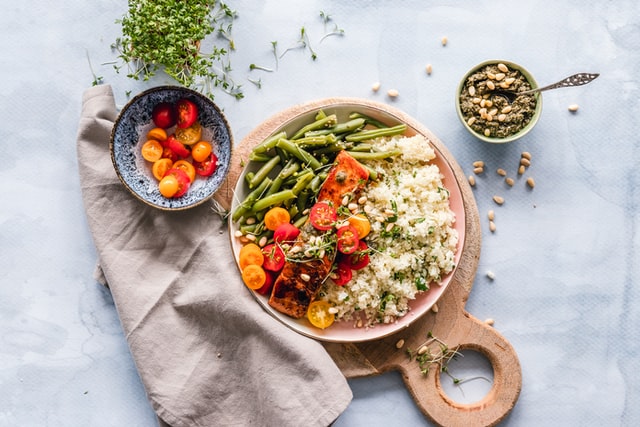
Cod is a lean, mild white fish and one of the FDA’s “Best Choices” for mercury exposure. A clean baked preparation with lemon and herbs preserves the fillet’s texture at only 295 kcal.
Ingredients
- 5 oz (140 g) skinless cod fillet
- 1 teaspoon olive oil
- 1 tablespoon lemon juice
- 1 teaspoon lemon zest
- 1 teaspoon chopped fresh parsley
- 1 minced garlic clove
- salt and pepper
- 1 cup steamed green beans
- 1/2 cup cherry tomatoes
Instructions
- Heat oven to 400 F (205 C).
- Place cod on parchment; brush with olive oil; top with garlic, lemon juice and zest, salt, pepper.
- Bake 12 to 14 minutes until fish flakes cleanly.
- Steam green beans 4 minutes.
- Halve cherry tomatoes; plate everything; top cod with parsley.
Nutrition (1 serving): 295 kcal, 32 g protein, 15 g carbs, 8 g fat, 4 g fiber.
2. Salmon and Lentil Bowl (430 kcal)
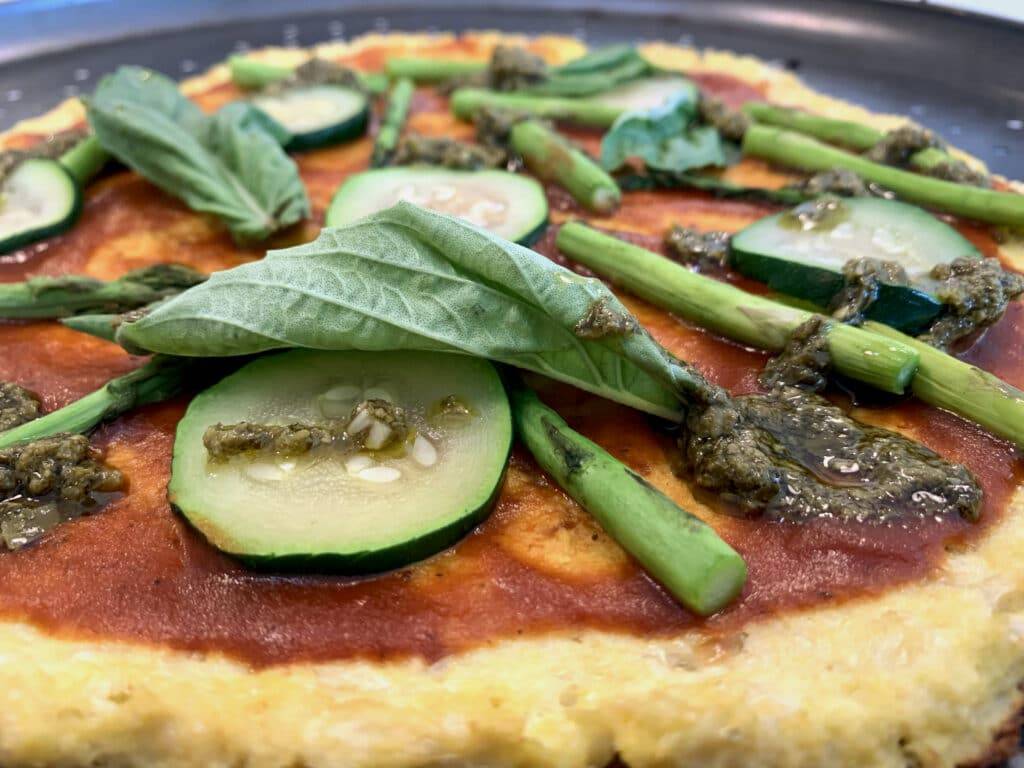
This bowl hits both the AHA fatty-fish target (roughly 1.5 g EPA and DHA per serving) and adds 8 g of fiber from lentils. Wild sockeye and farmed Atlantic salmon are both on the FDA “Best Choices” list.
Ingredients
- 4 oz (115 g) skin-on salmon fillet
- 1/2 cup cooked green or brown lentils
- 1 cup baby spinach
- 1/4 cup roasted red pepper strips
- 1 tablespoon extra-virgin olive oil
- 1 tablespoon red wine vinegar
- 1/2 teaspoon Dijon mustard
- salt and pepper
Instructions
- Heat oven to 400 F.
- Season salmon; bake on parchment 10 to 12 minutes.
- Whisk olive oil, vinegar, mustard, salt, pepper.
- Toss lentils with spinach and red pepper; top with dressing and salmon.
Nutrition (1 serving): 430 kcal, 34 g protein, 28 g carbs, 20 g fat, 8 g fiber.
3. Garlic Shrimp with Zucchini Noodles (320 kcal)
Shrimp cooks in 3 minutes and delivers 24 g of protein in a 4 oz serving. Zoodles keep the carb load low; a splash of white wine and lemon carries the sauce.
Ingredients
- 5 oz (140 g) peeled and deveined shrimp
- 1 medium zucchini (about 200 g) spiralized
- 1 tablespoon olive oil
- 2 minced garlic cloves
- 1/4 teaspoon red pepper flakes
- 2 tablespoons dry white wine (or low-sodium broth)
- 1 tablespoon lemon juice
- 2 tablespoons chopped parsley
- salt and pepper
Instructions
- Heat oil in a wide skillet over medium-high; add garlic and pepper flakes; cook 30 seconds.
- Add shrimp; sear 90 seconds per side until pink.
- Add wine; reduce 1 minute.
- Toss in zoodles and lemon juice; cook 90 seconds just until zoodles soften.
- Season and finish with parsley.
Nutrition (1 serving): 320 kcal, 28 g protein, 12 g carbs, 16 g fat, 4 g fiber.
For more on this topic, check out our guide on low calorie paleo desserts.
4. Stuffed Artichoke with Avocado and Curd Cheese (388 kcal)
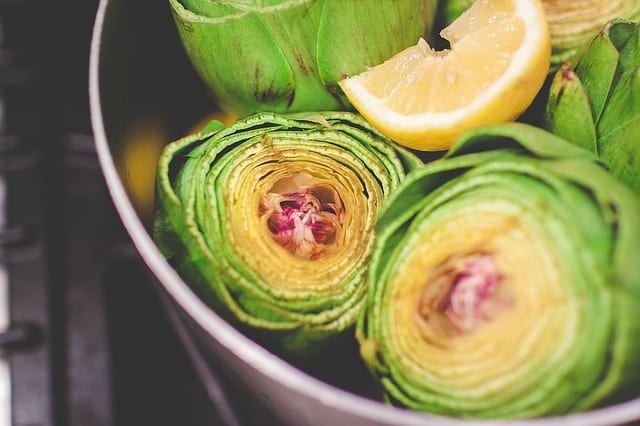
A vegetarian pescatarian meal for a meat-free day. Artichokes bring a big fiber punch (about 7 g per medium head); avocado supplies monounsaturated fat and 4 g additional fiber.
Ingredients
- 1 medium artichoke
- 1/2 ripe avocado
- 1 medium onion (yellow or white)
- juice of 1/2 lemon
- 1 minced garlic clove
- 1 tablespoon curd cheese or ricotta
- 2 tablespoons olive oil (divided)
- 2 tablespoons finely chopped zucchini
- 2 tablespoons finely chopped carrot
- salt
Instructions
- Trim and clean the artichoke; place in a pan with water to reach halfway up, add 1 tablespoon oil, half the lemon juice, and salt; simmer covered 30 minutes.
- Fry onion in remaining oil until soft; stuff into artichoke and cook 2 more minutes.
- Mash avocado with garlic, remaining lemon juice, and salt; fold in raw zucchini and carrot ribbons.
- Spoon over the warm artichoke; top with curd cheese; rest 20 minutes before serving.
Nutrition (1 serving): 388 kcal, 10 g protein, 30 g carbs, 29 g fat, 12 g fiber.
5. Asparagus Cauliflower Pizza (295 kcal)
A gluten-free pizza base for anyone eating pescatarian and wheat-light. Cauliflower is riced, drained thoroughly (this is the key step), and bound with egg and Parmesan.
Ingredients
- 1 small cauliflower head (about 400 g florets)
- 1/4 cup grated Parmesan
- 1 large egg
- 1 teaspoon garlic powder
- 1/2 teaspoon white pepper
- 3 tablespoons pizza sauce
- 4 asparagus spears
- 3 zucchini rounds
- 5 fresh basil leaves
- salt
Instructions
- Pulse cauliflower florets to rice-sized pieces; microwave 4 minutes in a covered bowl; wring out in a clean tea towel.
- Heat oven to 400 F.
- Mix cauliflower with Parmesan, egg, garlic powder, white pepper, salt; shape into a 9-inch round on parchment; bake 20 minutes.
- Blanch asparagus and zucchini rounds 2 minutes each, ice-shock, drain.
- Top crust with sauce and vegetables; bake 10 more minutes; finish with basil.
Nutrition (1 serving): 295 kcal, 18 g protein, 20 g carbs, 15 g fat, 8 g fiber.
6. Sardine and White Bean Salad (380 kcal)
The no-cook budget meal. Sardines packed in olive oil (drained) deliver about 0.7 g EPA and 0.5 g DHA per 3.75 oz tin, are consistently low in mercury, and cost a fraction of fresh salmon.
Ingredients
- 1 tin (3.75 oz / 106 g) sardines packed in olive oil
- drained
- 1/2 cup canned cannellini beans (rinsed)
- 1/4 small red onion sliced thin
- 1/2 cup halved cherry tomatoes
- 1 tablespoon capers
- 1 tablespoon lemon juice
- 1 tablespoon extra-virgin olive oil
- 2 tablespoons chopped parsley
- black pepper
Instructions
- Combine beans, onion, tomatoes, capers, parsley in a bowl.
- Whisk lemon juice and olive oil; toss.
- Top with sardines whole or lightly broken up; grind pepper over.
Nutrition (1 serving): 380 kcal, 26 g protein, 26 g carbs, 20 g fat, 8 g fiber.
7. Tilapia Fish Tacos (410 kcal)
A family meal that keeps calories in range by pan-searing tilapia (a low-mercury freshwater fish) and using corn tortillas instead of flour. Cabbage slaw with lime carries the plate.
Ingredients
- 4 oz (115 g) tilapia fillet
- 1 teaspoon olive oil
- 1/2 teaspoon chili powder
- 1/2 teaspoon cumin
- 2 small corn tortillas (about 30 g each)
- 1 cup shredded cabbage
- 1 tablespoon plain Greek yogurt
- 1 tablespoon lime juice
- 2 tablespoons chopped cilantro
- 1/4 avocado sliced
- hot sauce to taste
Instructions
- Season tilapia with spices and salt.
- Sear in oil over medium-high 3 minutes per side.
- Toss cabbage with yogurt, lime juice, cilantro.
- Warm tortillas 15 seconds per side.
- Flake fish; build tacos with slaw and avocado; hot sauce optional.
Nutrition (1 serving): 410 kcal, 30 g protein, 40 g carbs, 15 g fat, 7 g fiber.
Mercury and Seafood Safety
The FDA and EPA jointly publish a chart of fish categorized by mercury level. All seven recipes above use fish from the “Best Choices” tier: cod, salmon, shrimp, sardines, tilapia.
This tier can be eaten two to three times a week by most adults and by pregnant or nursing individuals. Higher-mercury fish including swordfish, king mackerel, tilefish, shark, and bigeye tuna are on the FDA “Avoid” list for pregnant people and children.
Canned light tuna is a “Best Choice”; albacore (white) tuna is in the “Good Choice” tier at once per week. If you want to swap tuna into any of these recipes, use canned light and cap tuna meals at 2 per week.
Meal Prep Tips
- Batch-cook lentils. A 1 cup dry batch (about 3 cups cooked) covers three or four bowls and holds 4 days refrigerated.
- Portion salmon by weight. Cook one 12 oz fillet and split into three 4 oz servings for the week.
- Keep canned sardines and cannellini on hand. A 10 minute meal, budget-friendly, and shelf stable.
- Freeze cauliflower crust unbaked. Shape it, wrap in parchment, freeze up to 1 month; bake straight from frozen with 3 extra minutes.
- Buy shrimp frozen. Individually frozen shrimp thaw in cold water in 10 minutes and are usually fresher than the “fresh” case.
How These Meals Fit a Weekly Pescatarian Plan
A working weekly pattern: two fatty fish meals (salmon bowl, sardine salad) for AHA and PREDIMED-style omega-3 coverage; two lean white fish meals (cod, tilapia); one shellfish meal (shrimp); two vegetarian pescatarian dinners (stuffed artichoke, cauliflower pizza).
That gets you seven distinct dinners under 450 kcal each, roughly 200 g protein, and roughly 3.5 g combined EPA and DHA for the week. Add fruit, dairy or fortified alternatives, whole grains, and vegetables at other meals to round out micronutrients.
Frequently Asked Questions
How much fish should I eat per week on a pescatarian diet?
The American Heart Association recommends at least two 3 to 4 oz servings of fatty fish per week for cardiovascular benefit. Most adults on a pescatarian plan eat 3 to 5 seafood meals weekly, balancing fatty fish and lower-mercury white fish or shellfish.
Which fish are lowest in mercury?
The FDA and EPA “Best Choices” list includes salmon, sardines, shrimp, cod, tilapia, canned light tuna, pollock, catfish, and freshwater trout. These can be eaten two to three times weekly by most adults and are considered safe during pregnancy.
Which fish should pregnant people avoid?
The FDA advises pregnant people to avoid swordfish, shark, king mackerel, tilefish (Gulf of Mexico), bigeye tuna, marlin, and orange roughy due to higher mercury levels. Limit albacore (white) tuna to one serving per week.
Are canned sardines and salmon as healthy as fresh?
Yes for most purposes. Canned sardines and pink salmon deliver comparable EPA and DHA to fresh fish and often include soft bones that add calcium. Check the label for “in water” or “in olive oil” and rinse if you want to reduce sodium.
Can pescatarians get enough B12 and iron?
Fish and shellfish are excellent sources of vitamin B12 (a single tin of sardines exceeds the daily requirement) and provide heme iron in smaller amounts than red meat. Pair plant iron sources (lentils, spinach) with vitamin C-rich foods for better absorption.
How do I keep pescatarian meals under 450 calories?
Portion protein to 4 to 5 oz cooked, keep added oils to 1 tablespoon per serving, and use a kitchen scale for grains. Cauliflower or zoodles replace pasta or rice when you need to cut carb-driven calories.
Are shrimp and shellfish considered healthy?
Yes. Shrimp is very low in mercury, high in protein (about 24 g per 4 oz), and low in calories. Older concerns about dietary cholesterol have been substantially revised; the 2015-2020 DGA removed the specific dietary cholesterol upper limit for the general population.