Read this first. A low-oxalate diet is a targeted medical diet, not a wellness trend. It’s mainly used for people who form calcium oxalate kidney stones, and it should be paired with adequate calcium intake, generous hydration, and modest sodium.
Blindly cutting oxalate-rich vegetables can lead to fiber and nutrient shortfalls with little benefit if you don’t actually form stones.
If you have a history of kidney stones, hyperoxaluria, primary hyperoxaluria, chronic kidney disease, or short-bowel syndrome, work with your nephrologist or a renal dietitian before overhauling your diet. This article is general nutrition information, not medical advice.
High Oxalate Foods: The List That Matters if You Form Calcium Oxalate Stones
Oxalate (oxalic acid) is a natural plant compound found in many otherwise healthy foods. Your body also makes some on its own. For most people it passes through without incident. For the roughly 10% of adults who form calcium oxalate kidney stones (the most common stone type in the US), dietary oxalate matters, and so do the foods that go with it.
The current evidence-based approach isn’t “avoid all oxalate.” It’s a combination: moderate the highest-oxalate foods, always pair oxalate with dietary calcium, drink plenty of water, and keep sodium in check. Skipping calcium is a common mistake that actually raises stone risk.
Below is the food list with per-serving oxalate amounts, plus the swaps and cooking tips that make a real difference.
What’s on This Page
- Who this list is for
- The three rules that matter more than the list
- Highest oxalate foods (avoid or minimize)
- Moderate oxalate foods (portion-controlled)
- Low oxalate swaps
- Cooking tricks that lower oxalate
- FAQ
Who This List Is For
The low-oxalate diet is most helpful for:
- People with a history of calcium oxalate kidney stones
- People with confirmed hyperoxaluria on 24-hour urine testing
- People with fat malabsorption (Crohn’s, celiac, gastric bypass, short bowel), because unabsorbed fat binds calcium and lets oxalate absorb more freely, a state called enteric hyperoxaluria
- People with primary hyperoxaluria (a genetic disorder)
It’s not a general wellness diet. If you don’t form stones and don’t have malabsorption, you’re likely losing more by giving up spinach, sweet potatoes, and nuts than you gain.
The Three Rules That Matter More Than the List
A 2020 Journal of the American Society of Nephrology review by Ferraro and colleagues (PMID 32385237) laid out the priorities. In order of impact:
- Drink enough water to make 2 to 2.5 liters of urine per day. Dilution matters more than any food swap. Aim for pale yellow urine.
- Pair oxalate with dietary calcium at the same meal. Calcium binds oxalate in your gut so it leaves in stool rather than getting absorbed. Target 1,000-1,200 mg calcium per day, from dairy or fortified plant milks, not supplements taken alone.
- Keep sodium under 2,300 mg/day. High sodium increases urinary calcium, which raises stone risk. Reducing sodium is often more effective than cutting calcium.
Cutting oxalate without the other three fails. Cutting calcium along with oxalate makes stones worse. Skip supplements marketed for “stone dissolution” unless your urologist directs.
Highest Oxalate Foods (Avoid or Minimize)
Values are approximate mg oxalate per typical serving, based on the Harvard T.H. Chan and University of Chicago Kidney Stone Program food tables. Individual food databases vary.
| Food | Serving | Approx oxalate (mg) |
|---|---|---|
| Spinach (raw or cooked) | 1/2 cup cooked (100 g) | ~750 |
| Rhubarb | 1/2 cup | ~540 |
| Almonds and almond butter | 1 oz (~22 nuts) | ~120 |
| Cashews | 1 oz | ~50 |
| Buckwheat groats | 1 cup cooked | ~130 |
| Miso soup | 1 cup | ~110 |
| Baked potato with skin | 1 medium | ~97 |
| Sweet potato | 1 medium | ~65 |
| Soybeans, soy protein | 1 cup cooked | ~95 |
| Beets | 1/2 cup | ~75 |
| Dark chocolate, cocoa powder | 1 oz | ~60-90 |
| Brownies (chocolate) | 1 oz | ~60 |
| French fries | 4 oz | ~50 |
| Swiss chard | 1/2 cup cooked | ~330 |
Moderate Oxalate Foods (Portion-Controlled)
- Whole wheat bread and pasta (2-3 mg per slice, adds up)
- Brown rice
- Bran cereals
- Raspberries, blueberries, blackberries, kiwi
- Peanut butter (limit to 1 tbsp)
- Sesame seeds, tahini
- Black tea (steeped strong)
- Okra, leeks, celery
Low Oxalate Swaps
Cutting oxalate doesn’t have to mean cutting flavor. Reach for:
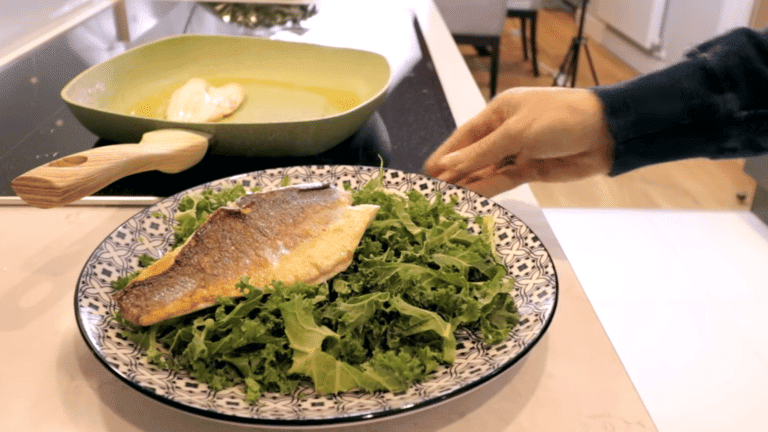
- Greens: kale, bok choy, romaine, arugula, cabbage instead of spinach or Swiss chard
- Berries: strawberries (moderate), cranberries, cherries instead of blackberries
- Nuts: pistachios (~14 mg per oz), macadamias, walnuts instead of almonds or cashews
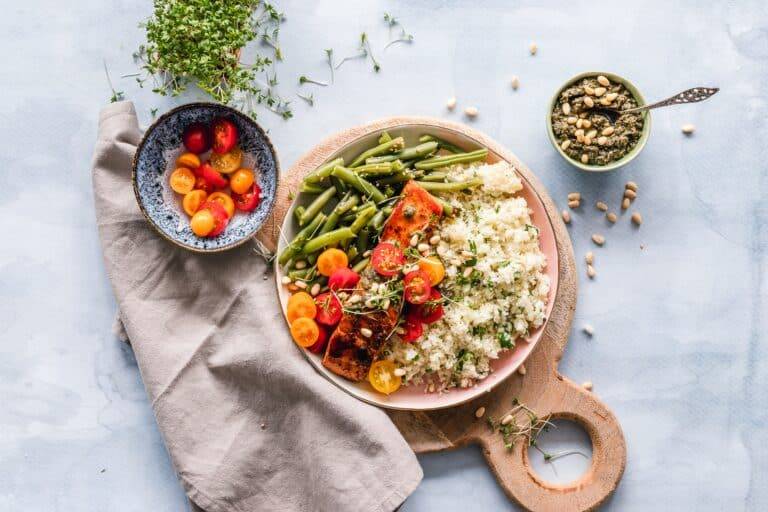
- Starches: white rice, quinoa (rinsed), peeled potatoes, cauliflower rice instead of baked potato with skin or buckwheat
- Sweets: vanilla, apple, or lemon-based desserts instead of chocolate-heavy ones
- Drinks: water with lemon (citrate helps), herbal teas instead of strong black tea; limit iced tea, which can be very concentrated
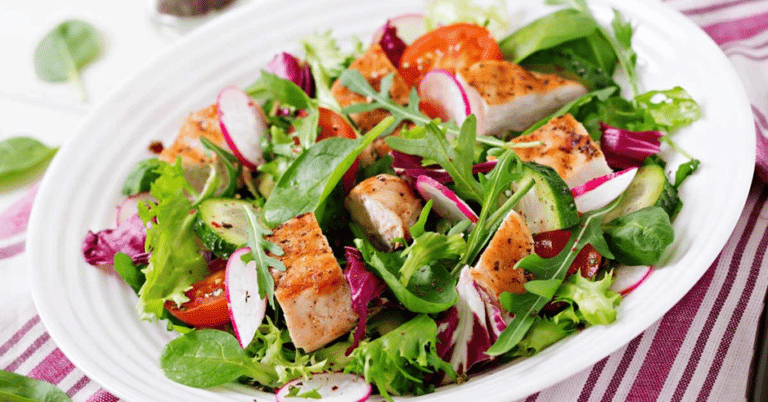
- Proteins: chicken, fish, eggs, and dairy are all essentially oxalate-free
Cooking Tricks That Lower Oxalate
- Boil vegetables and drain the water. Boiling can leach 30-90% of soluble oxalate depending on the vegetable. Steaming lowers it modestly. Roasting doesn’t.
- Pair calcium at the meal. Yogurt with berries. Milk with cereal. Cheese with vegetables. This is the biggest lever.
- Peel potatoes and sweet potatoes. Most oxalate is concentrated in the skin.
- Rinse quinoa well. Reduces both saponins and some oxalate.
- Don’t rely on juicing green vegetables. Green juices can deliver a very concentrated oxalate load.
FAQ
Do I need to avoid oxalate if I don’t form stones?
Almost certainly not. Spinach, sweet potatoes, almonds, and dark chocolate are otherwise healthy foods rich in fiber, vitamins, and antioxidants. Restricting them without a medical reason costs you nutrients. Focus on hydration and moderate sodium and calcium instead.
Why do I need calcium if my stones are made of calcium?
Counterintuitive but well-documented. Dietary calcium binds oxalate in your gut so both leave in stool. Low-calcium diets increase oxalate absorption and stone risk. Aim for 1,000-1,200 mg from food across the day, taken with meals.
Should I take a calcium supplement?
Food-based calcium is preferred. If you need a supplement, take it with meals and check total intake to avoid going over 1,200 mg total from food + supplements. Ask your clinician before adding calcium if you have a history of stones.
Does vitamin C cause stones?
High-dose vitamin C supplements (over 1,000 mg/day) can raise urinary oxalate. Vitamin C from food does not appear to. If you form stones, skip mega-dose vitamin C and choose whole food sources.
Does cooking spinach lower the oxalate enough to eat it?
Boiling and draining cuts it substantially but not enough to make heavy spinach eating safe for known stone formers. Occasional small portions may be okay depending on your 24-hour urine numbers. Work with a renal dietitian for personalized targets.
How much oxalate per day is safe for stone formers?
The commonly used target is under 100 mg/day, and some programs go under 50 mg/day. A single serving of spinach can blow through that. Your target should be based on your 24-hour urine oxalate, not a generic number.
What is primary hyperoxaluria?
A rare genetic disorder where the liver overproduces oxalate. It requires nephrology care, sometimes newer medications, and in advanced cases combined liver-kidney transplant. Diet alone isn’t enough.
Related Reading
- High-fiber food list
- Iron-rich foods
- Low sodium fast foods
- High protein food list