Editorial note. Cutting dairy without replacing calcium and vitamin D can lead to deficiency and increased bone loss over time. If you are lactose intolerant, use fortified plant milks, canned fish with bones, tofu set with calcium sulfate, or leafy greens to meet the 1,000 to 1,200 mg calcium target most adults need. A true milk allergy is different from lactose intolerance and requires stricter avoidance; see your clinician or a registered dietitian to confirm which one you have.
Who This Plan Is For
This plan works for people who have confirmed or suspected lactose intolerance and want a full week of meals that avoid dairy while still meeting calcium, protein, and vitamin D needs. It is not a weight loss plan by design, though many people naturally cut some calories when they remove ice cream and cheese heavy meals. Every day includes at least one fortified milk alternative and one calcium rich food source.
- You get gas, bloating, or diarrhea within 30 minutes to 2 hours of eating dairy
- You were told to try a dairy elimination trial by your clinician
- You have a family member with a diagnosed cows milk protein allergy
- You want a template you can share with a partner who is not lactose intolerant
- You are transitioning to plant based eating and want dairy free structure
Lactose Free Diet Plan – Overview
Many people would not do without dairy in their lives. Dairy such as milk is also a versatile product used in many recipes. However, countless individuals report different health disorders because of their consumption of dairy products. Those that stopped consuming dairy products noticed a big difference, usually more positive in their health. When starting a dairy-free diet, many people with lactose intolerance do not know what they should and should not consume. Before adopting the diet, there are a handful of considerations to make. This article guides you on a brief explanation of foods to include in your lactose-free diet, the pros, and cons of the diet, and a sample seven-day lactose-free diet plan. Also, check our blog for a complete lactose-free food list.What Is Lactose Intolerance?
Lactose is a complex carbohydrate or sugar found in large quantities in dairy products such as milk and cheese. The phrase describes a collection of individuals who cannot digest lactose effectively. The cause of Lactose intolerance is a deficiency in the enzyme lactase, which is responsible for breaking down lactose in the body. Lactase insufficiency can result in various symptoms in the body, including gas, bloating, cramps, and diarrhea, among others. People who are lactose intolerant should follow a diet that is either lactose-free or low in lactose. An alternative term for this diet is the “dairy-free diet.” Your doctor might recommend lactase enzyme pills or syrup if you prefer to consume dairy products or have no choice but to do so due to dietary requirements. The prescribed medication helps digest lactose, preventing any additional symptoms of lactose intolerance in the body.What Foods Can You Consume On Lactose-Free Diet?
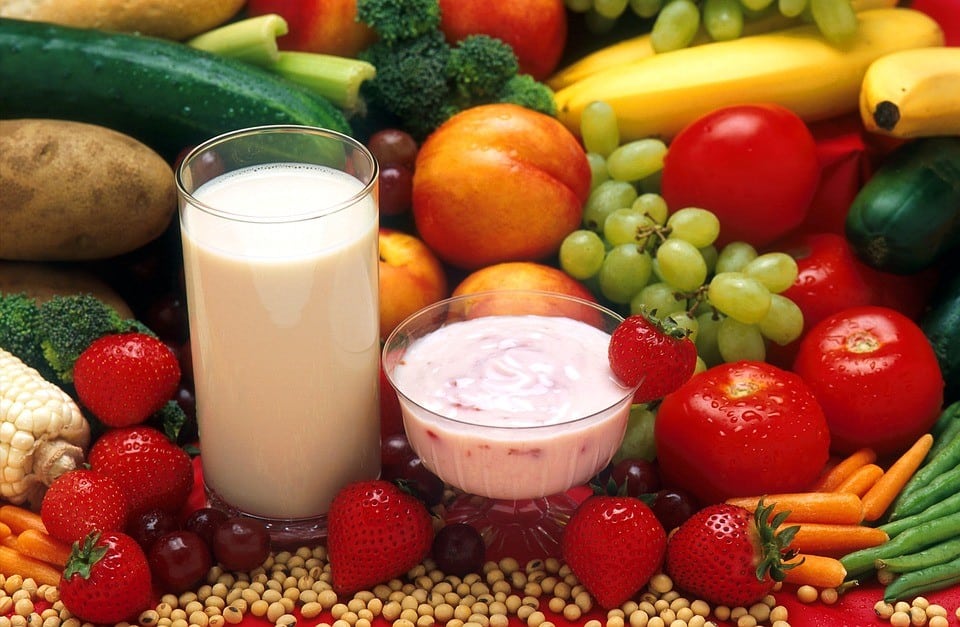
- Alternatives to cow’s milk
- Dairy-free foods with high calcium, protein, and vitamin D content
- Products with the label “dairy-free” (consumed in moderation)
- Non-dairy products made without milk (consumed in moderation)
- Animal milk
- Milk-based foodstuffs
- Dairy-based foods
- Milk-contaminated foodstuffs
Pros and Cons of a Lactose-Free Diet

- A dairy-free diet is necessary for everyone with a milk allergy to prevent exposure and potentially dangerous allergic responses.
- Eliminating dairy products can alleviate discomfort and agony for those with lactose intolerance or other dairy sensitivities.
- Adopting a lactose-free diet plan is healthy if one gets sufficient calcium and other elements generally present in dairy products.
- Dairy-free options are widely available in the vast majority of grocery stores.
- Those sensitive or intolerant to dairy may eat minimal dairy products, making the diet plan highly flexible. If the foods you choose meet all your nutritional requirements, you can maintain the lactose-free diet indefinitely.
- Dairy-free diets necessitate some preparation to ensure that you eat at restaurants or a friend’s house without compromising your health. You must also plan on dairy protein sources, calcium, vitamin D, and other nutrients to ensure you get all your nutritional needs.
- Certain dairy-free products are more expensive than their dairy equivalents.
- Avoiding milk and milk products is simple, but completely cutting out dairy from your diet is more difficult because many other foods include small quantities of proteins in dairy.
Simple 7-Day Lactose-Free Diet Plan

Final Thoughts
Lactose is a sugar found in dairy products such as milk, cheese, and butter. It is also present in various processed foods, baked products, cream-based sauces, and other readily available meals. People suffering from lactose intolerance may find it beneficial to follow a lactose-free diet to reduce their symptoms. It is also possible for some people to reduce their dairy product consumption by following a lactose-free diet. If you suspect you have lactose intolerance, it is advisable to seek medical advice before going on a lactose-free diet.Printable Lactose Free Diet Plan (PDF)
Save as PDF| Day | Breakfast | Lunch | Dinner | Snack (To take in between meals) |
|---|---|---|---|---|
| 1 | Oatmeal cooked with almond milk, nut butter, and a banana | Red curry and lentil soup with kale | Slow cooker Moroccan beef stew, couscous and a spring mix of greens with olive oil | Spiced sweet potato wedges |
| 2 | Smoothie with frozen mixed berries, pea protein, and coconut milk | Chopped salad with oil and vinegar dressing | Salmon fillet with brown rice, steamed veggies, and homemade mashed potatoes | Spicy bean & corn dip |
| 3 | Turkey and Veggie English Muffin Sandwich; Simple Green Juice | Burrito bowl and sour cream) | Stir fry with rice or noodle base, lots of veggies, and protein of choice | Apple slices with almond butter |
| 4 | Homemade pancakes made with almond milk | Italian tuna and beans salad; whole wheat rosemary crackers | Veggie California burger on dairy-free bun | Dairy-free popcorn with salt |
| 5 | Scrambled eggs with sautéed spinach, peppers, and mushrooms | BBQ chicken wings | Spinach spaghetti with garlic and oil, and tomato soup | Spiced kale crisps |
| 6 | California Summer Vegetable Omelet (omit cheese); 8 ounces orange juice | Chicken salad wrap with romaine lettuce and tomatoes | Honey glazed rosemary pork with broccoli and olive oil | A big bowl of fruit salad |
| 7 | 5-Minute Avocado and Egg Toast; Dairy-Free Strawberry Banana Smoothie | Citrus, Kale, and Quinoa Salad with Rainbow Vegetable Soup | Chicken Masala with brown rice | Veggie sticks with hummus |
7-Day Meal Plan at a Glance
All dairy has been swapped for fortified alternatives. Look for the words “calcium fortified” and “vitamin D added” on plant milk cartons, and choose coconut or almond based yogurts that list live cultures.
| Day | Breakfast | Lunch | Dinner | Snack |
|---|---|---|---|---|
| Mon | Oatmeal cooked in fortified oat milk with berries and chia seeds | Chicken and quinoa bowl with kale, tahini dressing | Salmon with roasted broccoli and baked sweet potato | Coconut yogurt with sliced almonds |
| Tue | Scrambled eggs with spinach, avocado toast on sourdough | Lentil soup with a side salad and olive oil vinaigrette | Turkey stir fry with mixed vegetables and brown rice | Apple slices with peanut butter |
| Wed | Smoothie with fortified soy milk, banana, spinach, and peanut butter | Tuna salad wrap in a whole grain tortilla with cucumber and lettuce | Sheet pan chicken thighs with brussels sprouts and quinoa | Rice cake with hummus and cherry tomatoes |
| Thu | Chia pudding made with almond milk, topped with mango and pumpkin seeds | Chickpea and roasted vegetable bowl with tahini | Shrimp tacos on corn tortillas with cabbage slaw and avocado | Trail mix (nuts and dried fruit, no chocolate chips) |
| Fri | Buckwheat pancakes with maple syrup and berries | Sardines on rye toast (bones in for calcium) with mixed greens | Beef and vegetable chili with black beans | Edamame with sea salt |
| Sat | Tofu scramble with peppers, onions, turmeric, and whole grain toast | Cold soba noodle salad with edamame, cucumber, sesame | Grilled chicken over arugula with fig and walnut, olive oil dressing | Coconut yogurt parfait with granola and berries |
| Sun | Overnight oats with fortified almond milk, banana, and cinnamon | Roasted vegetable and hummus wrap with side of olives | Baked cod, roasted potatoes, and steamed green beans | Handful of almonds and an orange |
7-Day Shopping List
Produce
- Baby spinach (1 large bag)
- Kale (1 bunch)
- Mixed salad greens (1 bag)
- Arugula (1 bag)
- Broccoli (2 heads)
- Brussels sprouts (1 lb)
- Green beans (12 oz)
- Bell peppers (4)
- Cucumbers (2), cherry tomatoes (1 pint)
- Cabbage (1 small head)
- Sweet potatoes (2), Yukon potatoes (4)
- Avocados (3), lemons (3), limes (2)
- Berries (2 pints), banana (bunch), apple (2), orange (2), mango (1)
- Onions, garlic, ginger, fresh cilantro
Proteins
- Chicken breast (1 lb), chicken thighs (1 lb)
- Ground turkey (1 lb)
- Lean ground beef (1 lb)
- Salmon fillets (8 oz)
- Cod fillets (8 oz)
- Shrimp (8 oz)
- Canned tuna in water (2 cans)
- Canned sardines with bones (2 tins)
- Firm tofu, calcium set (14 oz)
- Eggs (12)
Grains and Legumes
- Rolled oats (1 lb)
- Quinoa (12 oz)
- Brown rice (1 lb)
- Buckwheat pancake mix (dairy free)
- Sourdough or 100 percent rye bread (1 loaf, check label)
- Whole grain tortillas and corn tortillas
- Soba noodles (8 oz)
- Dry lentils (12 oz), canned chickpeas (2 cans), canned black beans (1 can)
Dairy Alternatives
- Fortified oat milk (half gallon)
- Fortified almond milk (half gallon)
- Fortified unsweetened soy milk (quart)
- Coconut milk yogurt with live cultures (32 oz)
- Dairy free butter or olive oil spread
- Nutritional yeast (small container, for cheesy flavor)
Pantry and Seasonings
- Extra virgin olive oil, avocado oil, sesame oil
- Tahini, peanut butter, almond butter
- Chia seeds, pumpkin seeds, sesame seeds
- Raw almonds, walnuts, mixed nuts
- Hummus, olives, dried fruit (no added sugar)
- Frozen shelled edamame
- Low sodium tamari or soy sauce
- Chili powder, cumin, turmeric, smoked paprika, cinnamon
- Maple syrup, low sodium broth
Frequently Asked Questions
Do I need a calcium supplement on a lactose free diet?
Not necessarily, if you consistently eat calcium rich non dairy foods. Two cups of fortified plant milk, canned salmon or sardines with bones, calcium set tofu, kale, bok choy, and fortified orange juice can add up to the 1,000 to 1,200 mg most adults need. If your diet is inconsistent or your labs show low levels, a supplement of 500 mg or less with vitamin D can help. Ask your clinician before adding one.
Is butter lactose free?
Butter contains very little lactose, roughly 0.1 grams per tablespoon, and most people with lactose intolerance tolerate it without symptoms. Ghee, which is clarified butter, has even less because the milk solids are removed. If you have a true milk allergy rather than lactose intolerance, both butter and ghee still contain milk proteins and are not safe. Stick to plant based spreads in that case.
Can I eat cheese if I am lactose intolerant?
Some aged, hard cheeses like parmesan, aged cheddar, gruyere, and swiss have very low lactose because the aging process breaks it down. Many lactose intolerant people tolerate small amounts. Fresh, soft cheeses like ricotta, cottage cheese, cream cheese, and mozzarella have much more lactose and are more likely to cause symptoms. Try small portions with food to test your personal threshold.
What about probiotics and yogurt with live cultures?
Yogurt with live active cultures contains bacteria that help break down some of the lactose, and many people with mild intolerance tolerate it better than milk. If regular yogurt still causes symptoms, plant based yogurts made from coconut, almond, cashew, or soy with added live cultures give you similar probiotic benefits without the lactose. Read labels to confirm the cultures are listed and choose unsweetened when possible.
Will lactase enzyme pills let me eat normal dairy?
Often, yes. Over the counter lactase pills taken just before a dairy meal supply the enzyme your body is not making enough of, and many people find they can eat pizza or ice cream comfortably with them. They are not perfect and do not work for everyone, and they do not help with a milk protein allergy. If you rely on them daily, mention it to your clinician so they can check whether your intolerance has other causes.