This guide is written for healthy adults interested in higher-protein vegetarian eating for muscle building. It is not intended for children, pregnant or breastfeeding people, or anyone with reduced kidney function, since higher-protein intakes can strain compromised kidneys. If you have diabetes, kidney disease, or take medication that affects protein or fluid balance, please talk to your doctor or a registered dietitian before making a big change to your protein intake.
Who This Plan Is For
This plan is aimed at healthy vegetarian adults who want to build or preserve muscle without relying on meat. If you are lifting, running, cycling, or coming back from a training break and worried about hitting your protein target on eggs and dairy alone, the food list and daily template here give you enough variety to reach 100 grams or more per day. It is not a weight-loss plan, though the higher protein does help with satiety.
- Vegetarian strength trainees who want to gain lean mass.
- Athletes moving to a meatless diet who need help planning around protein.
- Adults over 40 trying to preserve muscle and prevent sarcopenia.
- Recovering exercisers rebuilding strength after an injury or layoff.
- Busy vegetarians who want a simple, repeatable weekly template.
Looking to build muscle on a vegetarian diet? Look no further. We have outlined the top 10 foods you should be eating to build more muscle on a vegetarian diet.
Here Are 10 High Protein Vegetarian Foods for Muscle Building
Proteins play an active role in all stages of human life. Protein is essential to our body’s development, growth, brain development and healthy life.
Proteins, which play a crucial role in our quality of life, are obtained from foods, so it is vital to choose protein-rich foods.
We consume protein constantly to keep our bodies functioning properly. This reveals the fact that we constantly need protein.
But we may not always be in a position to get enough protein. For this reason, it is possible to accumulate enough spare protein in our body that can be used for short-term deficiencies.
However, if we do not gain enough from this food consumption, the spare protein store will be depleted.
In the case of such a situation, the structural proteins in the cell break down and our health begins to deteriorate. That’s why we must meet our protein needs regularly.
It can be easy for many of us to obtain protein with meat and meat-derived products. But if some think that getting protein is difficult for vegetarians who prefer to live away from these products, we have to tell them not at all. In adults, an average of 16-18% of body weight consists of protein.
To maintain this balance, at least 70 grams per day for each adult male; Women should consume 60 grams of protein (0.8 grams to 1 gram per kilo depending on their weight, around 2 grams per kilo for those who exercise).
So what are high protein vegetarian foods for muscle building?
High Protein Vegetarian Foods for Muscle Building
1. Yogurt

We can consume this dairy food at every meal of the day.
One bowl of nonfat yogurt, which will be eaten 1 hour before bed at night, plays a role in the renewal of our cells while we are asleep. A good alternative in terms of protein gain, 100 grams of yogurt contains 10.2 grams of protein.
2. Broccoli
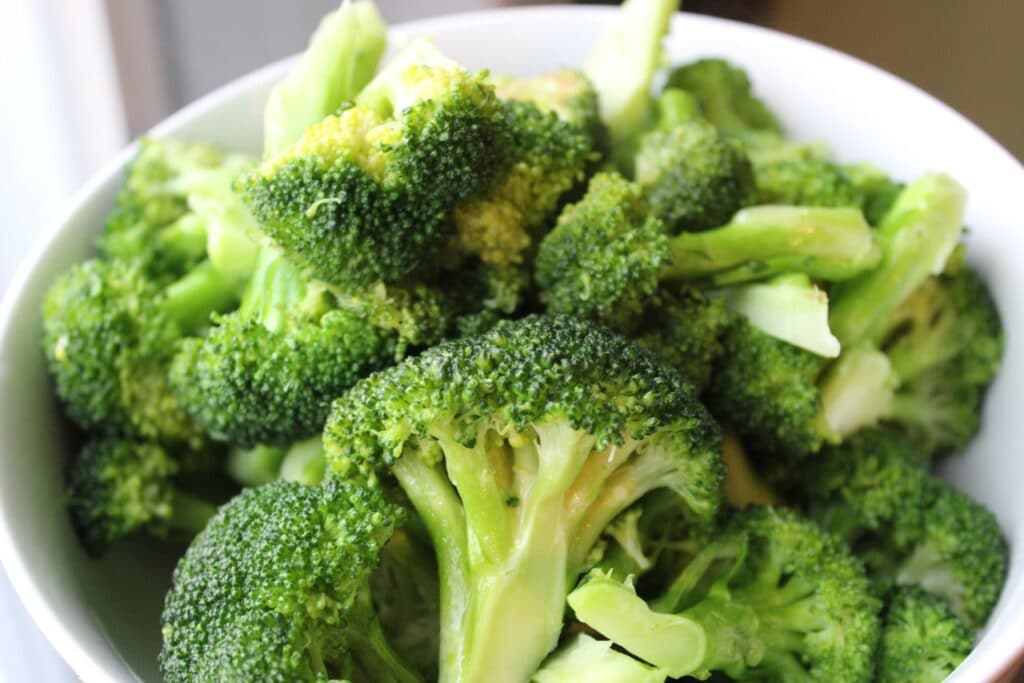
Broccoli, a nutrient-dense vegetable, contains protein. This vegetable is preferred by people who want to gain protein as well as people who calculate calories.
We can obtain 4 grams of protein from one serving (average 4-5 heads) of this low-calorie vegetable.
3. Lentil
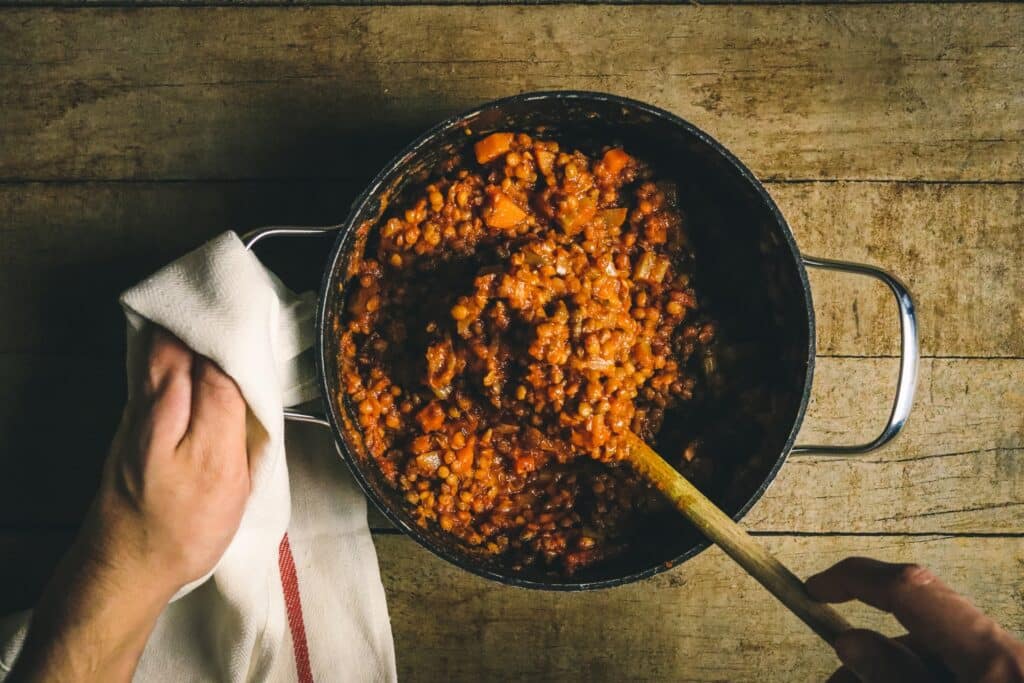
This food, one of the legumes, stands out in the competition with many foods in terms of the protein and other values it contains.
In addition to being rich in protein, it is also rich in iron and fiber. There is an average of 23 grams of protein in 100 grams of uncooked lentils.
4. Almond
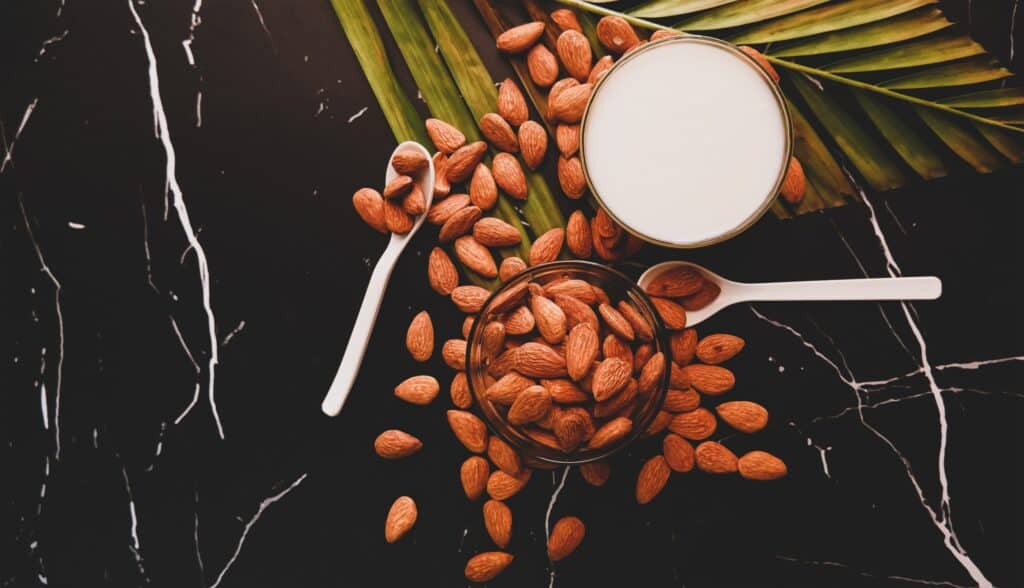
We recommend a balanced consumption of almonds. Because although almonds are rich in protein, the fat levels they contain can cause us to gain weight.
The amount of protein in 100 grams of almond, which has antioxidant properties, is 18 grams.
5. Cocoa Powder

Cocoa powder, which can be consumed before adding oil and sugar, contains a significant amount of protein.
There are 19.6 grams of protein in 100 grams of cocoa powder, which can be consumed by sprinkling on foods such as popcorn.
6. Mushrooms
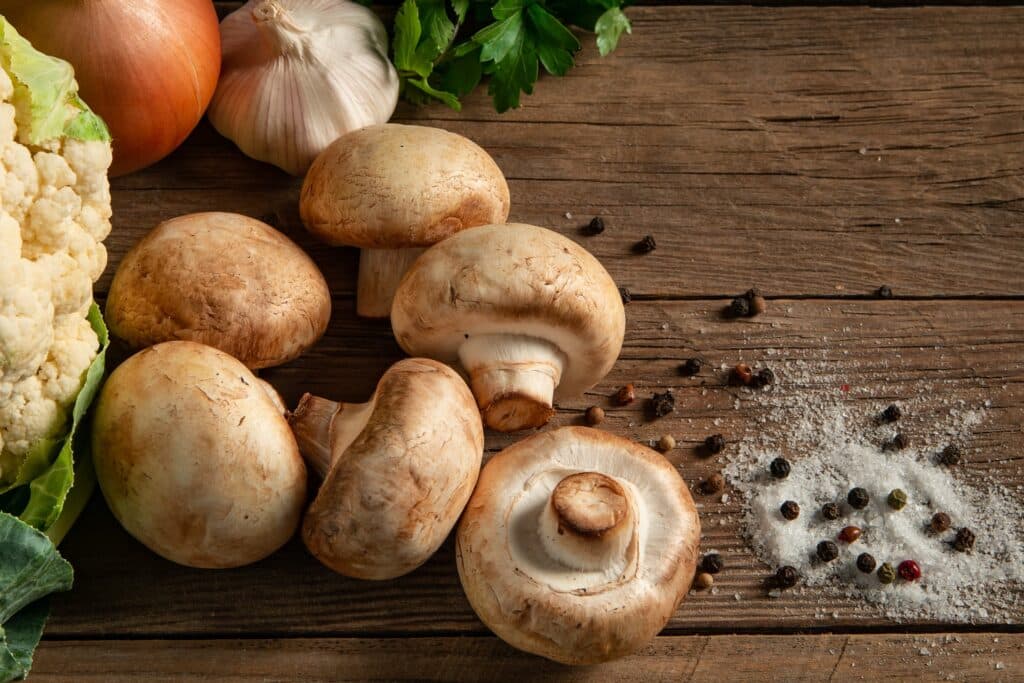
Being one of the first choices of vegetarians as it is herbal, the mushroom tastes close to meat. The protein profile of 100 grams of mushrooms is 3.6 grams.
7. Oat Bran
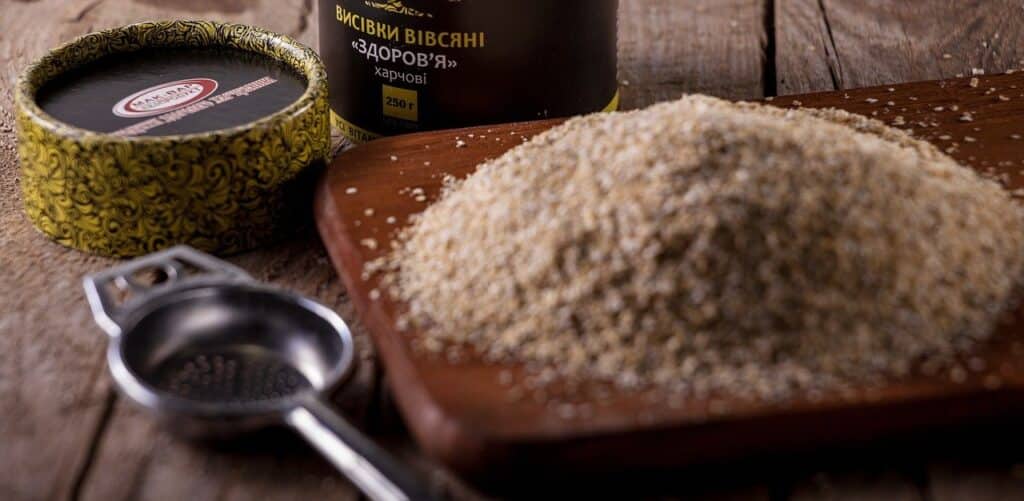
According to the findings of the World Health Organization, oat bran; is equivalent to foods that contain significant levels of protein, such as meat, milk and eggs.
This meal, which can be consumed by creating various mixtures, can be one of the preferences of vegetarians. 17.3 grams of protein can be obtained from 100 grams of oat bran.
8. Buckwheat
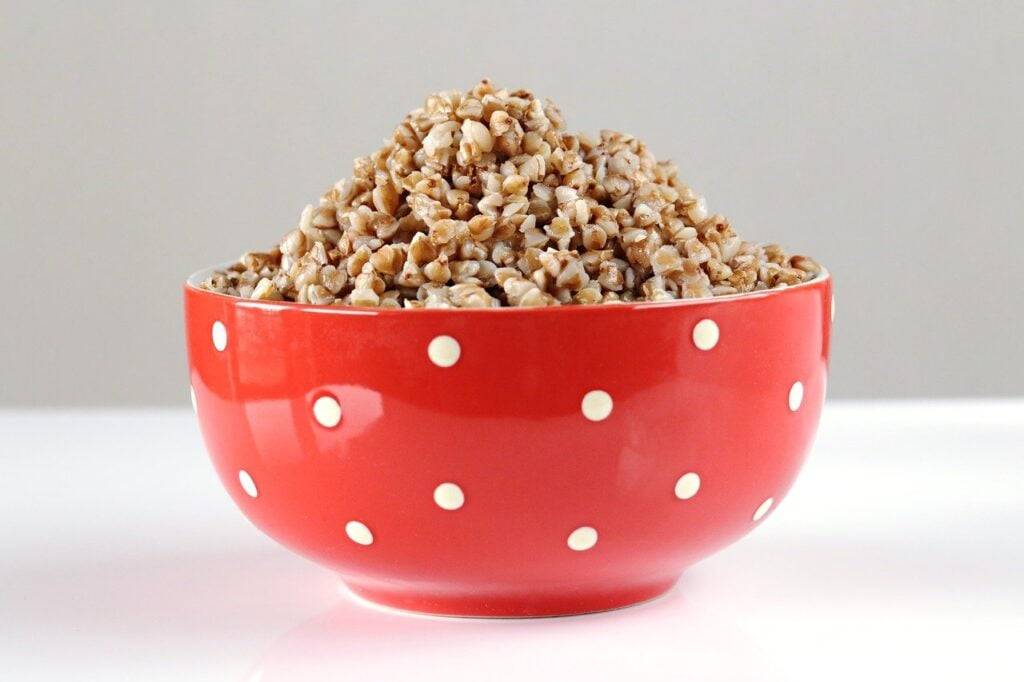
Buckwheat, which vegetarians can prefer, because it does not contain gluten, regulates blood sugar and may reduce cholesterol levels.
There are 13 grams of protein in 100 grams of this food, which is very rich in protein.
9. Seeds
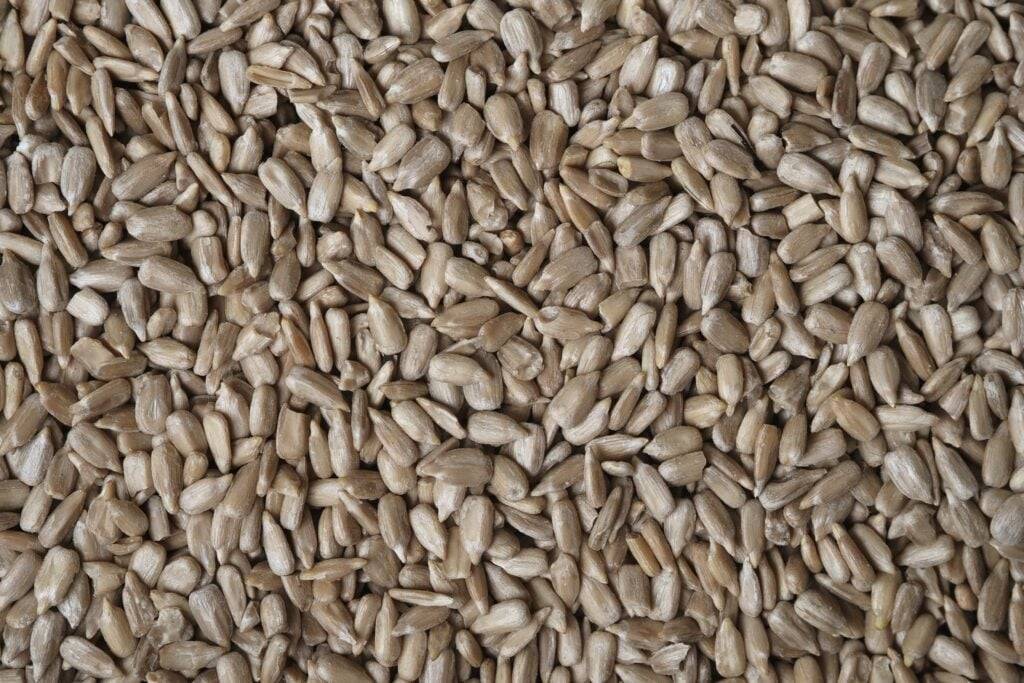
Hemp, sunflower seeds or pumpkin seeds are rich sources of protein. There are 24 grams of protein in 100 grams of sunflower seeds and 30.2 grams of protein in 100 grams of pumpkin seeds.
10. Peanuts
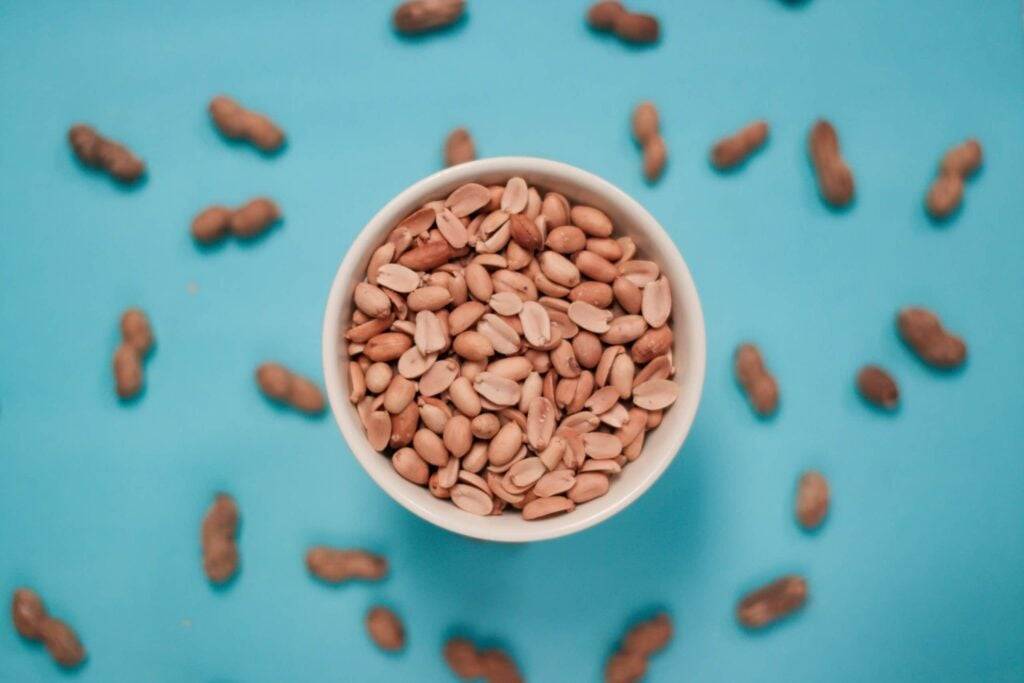
This food, which is rich in fiber and magnesium, also contains high amounts of protein.
Since it has a high rate of calories, we can say that the consumption amount should be paid attention to. There are 24.4 grams of protein in 100 grams of peanuts.
See Also:
1000 Calorie Oatmeal Diet Plan
1600 Calorie Vegetarian Meal Plan
7-Day Meal Plan at a Glance
| Day | Breakfast | Lunch | Dinner | Snack |
|---|---|---|---|---|
| Mon | Greek yogurt (200g) with berries, walnuts, and 2 tbsp hemp seeds. | Lentil and quinoa bowl with feta, cucumber, tomato, and olive oil. | Tempeh stir-fry with brown rice, broccoli, and cashews. | Cottage cheese (150g) with pineapple. |
| Tue | 3-egg veggie omelette with spinach, feta, and whole-grain toast. | Chickpea salad wrap with hummus, tahini, and mixed greens. | Tofu tikka masala with basmati rice and naan. | Whey or pea protein shake with a banana. |
| Wed | Overnight oats with milk, chia, peanut butter, and a scoop of protein powder. | Edamame and quinoa bowl with avocado, egg, and sesame dressing. | Seitan and vegetable fajitas with black beans and cheese. | Greek yogurt with granola and honey. |
| Thu | Cottage cheese pancakes with maple syrup and blueberries. | Lentil soup with a grilled halloumi and whole-grain roll. | Tempeh burger on a seeded bun with sweet potato fries. | Boiled eggs (2) and a handful of almonds. |
| Fri | Tofu scramble with black beans, salsa, and whole-wheat tortilla. | Greek salad with chickpeas, feta, olives, and quinoa. | Baked tofu with peanut noodles, edamame, and bok choy. | Skyr with mixed berries. |
| Sat | Greek yogurt parfait with granola, walnuts, and banana. | Falafel bowl with hummus, tabbouleh, tzatziki, and pita. | Vegetarian chili with three beans, cheese, and sour cream. | Protein smoothie with milk, oats, and berries. |
| Sun | Shakshuka (2 eggs) with feta, sourdough, and Greek yogurt on the side. | Tempeh Caesar wrap with kale, parmesan, and chickpeas. | Paneer curry with lentil dal, basmati rice, and cucumber raita. | Cottage cheese with sliced peaches and pumpkin seeds. |
7-Day Shopping List
Produce
- Spinach (1 large bag)
- Kale or mixed greens
- Broccoli (2 heads)
- Bell peppers (4)
- Cucumbers (3)
- Tomatoes (4)
- Sweet potatoes (3)
- Bananas (7)
- Berries (2 pints)
- Avocado (3)
- Onions, garlic, ginger
- Lemons and limes
Proteins
- Firm tofu (2 blocks)
- Tempeh (2 packs)
- Seitan (1 pack)
- Paneer or halloumi (1 pack)
- Edamame, frozen (1 bag)
- Eggs (18 pack)
- Whey, pea, or soy protein powder
- Falafel mix
Grains and Legumes
- Rolled oats
- Quinoa (1 lb)
- Brown or basmati rice (2 lbs)
- Whole-grain bread, pita, and tortillas
- Naan (1 pack)
- Canned lentils and chickpeas (4 cans each)
- Dried red and brown lentils
- Canned black beans and kidney beans (4 cans)
- Granola
Dairy and Alternatives
- Greek yogurt or skyr (2 large tubs)
- Cottage cheese (2 tubs)
- Feta cheese
- Parmesan or cheddar
- Milk or soy milk (2 cartons)
- Sour cream or Greek yogurt for topping
Pantry and Seasonings
- Extra virgin olive oil
- Sesame oil and soy sauce or tamari
- Tahini and hummus
- Peanut butter and almond butter
- Almonds, walnuts, cashews, pumpkin seeds, hemp seeds, chia seeds
- Honey or maple syrup
- Curry powder, garam masala, cumin, paprika, oregano
- Chili flakes and black pepper
Frequently Asked Questions
Is plant protein as good as animal protein for muscle building?
For most trainees, yes, as long as you eat enough total protein and include high-quality sources like soy (tofu, tempeh, edamame) and dairy or eggs. Soy in particular has a similar amino acid profile to animal protein. Some plant proteins are lower in leucine and lysine, so combining sources across the day (grains plus legumes, seeds plus dairy) closes any gaps.
Do I need protein powder?
No, but it is a convenient tool. If you can consistently hit 1.6 to 2.2 g/kg body weight from whole foods, you do not need a shake. In practice, many vegetarian lifters find one scoop of whey, casein, or pea/soy blend after training makes it easier to reach their daily target without cooking another meal. Treat powder as a supplement, not a replacement.
What about complete proteins?
You do not need to combine specific foods at every meal. Older advice about pairing rice and beans in one sitting has been largely retired by nutrition scientists. Your body pools amino acids across the day, so eating a mix of legumes, grains, nuts, seeds, dairy, and eggs over 24 hours gives you the full amino acid profile you need for muscle growth.
How much protein is safe long-term?
For healthy adults, intakes up to about 2 g/kg of body weight per day are generally considered safe according to sports nutrition reviews. Higher intakes have not been shown to damage healthy kidneys. If you already have chronic kidney disease, diabetes with kidney involvement, or are on a protein-restricted medical diet, please work with your doctor or renal dietitian before increasing intake.
Can I still gain muscle without eggs or dairy?
Yes. If you follow a lacto-vegetarian or fully vegan approach, lean on soy foods (tofu, tempeh, soy milk, edamame), seitan, lentils, and a soy or pea protein powder as your workhorse proteins. These have enough leucine to trigger muscle-protein synthesis when you eat 30 to 40 g of protein per meal spread across three or four meals.