Important: This bulking plan is written for active people who lift or train several times a week. It is not suitable if you are sedentary, and the higher protein and calorie load can be a concern if you have kidney disease, liver conditions, or elevated cardiovascular risk factors. Bulking too aggressively can raise body fat, blood lipids, and blood pressure, so please check with your doctor or a registered dietitian before starting.
Who This Plan Is For
This plan is aimed at people who are already training hard and want to add lean muscle without piling on unnecessary fat. You should be comfortable eating four to six times a day, tracking rough portions, and cooking most of your own meals. If you are new to lifting, still learning form, or trying to lose fat, a different plan will serve you better. Bring a doctor or dietitian into the conversation if you have any chronic condition.
- Recreational lifters running a 3 to 5 day strength program who want to move up a weight class or fill out a lean frame.
- Hard gainers who struggle to eat enough on a normal schedule and need a structured, calorie dense template.
- Athletes in a dedicated off season block where added muscle is the priority over conditioning.
- Men and women returning from a cut who want a controlled lean bulk rather than a rebound.
- People who already train seriously and want a starting point they can adjust with a coach or dietitian.
This bulking diet meal plan is a diet plan designed to increase the muscle mass of the body. It is based on the consumption of low-fat and high-protein foods.
7-Day Printable Bulking Diet Meal Plan
We will share this nutrition program that provides maximum muscle development by expanding our body mass index. We want to remind you that no improvement can be achieved without working out and following this diet. For this reason, those who follow this diet are usually athletes. In this program, more calories are consumed than usual to promote weight gain in the fastest way. Now that we have answered the question of the bulk diet, we can explain the types of bulk diets. There are 2 types of bulk diets:
Dirty Bulk is designed to gain weight quickly without calculating the weight. During this time, protein is not neglected and snacks are consumed a lot.
Clean Bulk works oppositely and is applied in a planned and programmed manner. Daily calorie needs are met and supplemented with quality carbohydrates. Dirty bulk is a type of bulk not recommended by experts. After this method, which involves gaining weight with poor quality foods and an uncontrolled diet, there will be an accumulation of fat in the body, and the risk of losing muscles will increase while trying to burn the fat. In the clean bulk method, an excess of calories is created according to your daily calorie need and you only get as many calories as the energy you burn. You can improve your muscle ratio by taking 250-500 calories more than your average meal and burning it. You can use this diet list determined according to your weight for a week by consulting your doctor. Let’s take a look at the meal plan without further ado.
Bulking Diet Meal Plan
Bulking Diet Meal Plan for Those Weighing 143-165 lbs
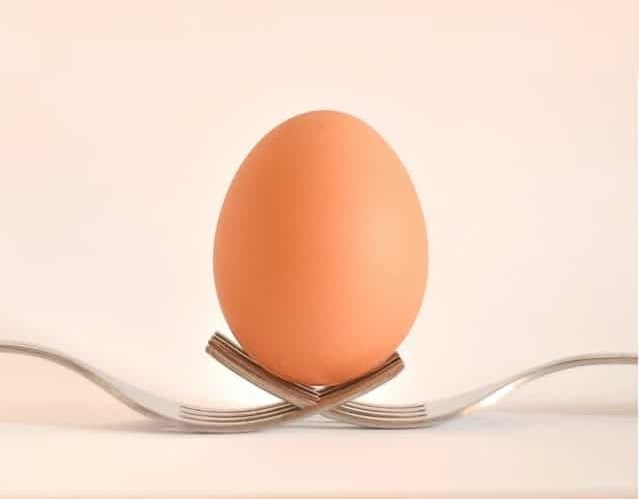
- Breakfast: 2 whole eggs, 4 egg whites, 75 grams oats, 10 olives
- Snack: 1 banana, a palm of walnuts and hazelnuts
- Main Meal 1: 210 grams of chicken/meat/fish (uncooked weight of meat should be 210 grams), 230 grams of brown rice (cooked weight of rice should be 230 grams), One and a half tablespoons of olive oil
- Main Meal 2: Same foods as the first meal
- Snack: An orange, a palm of walnuts and hazelnuts
- Main Meal 3: Same foods as the first meal
Bulking Diet Meal Plan for Those With 165-187 lbs
- Breakfast: 2 whole eggs, 5 egg whites, 80 grams oats, 12 olives
- Snack: 1 banana, a palm of walnuts and hazelnuts
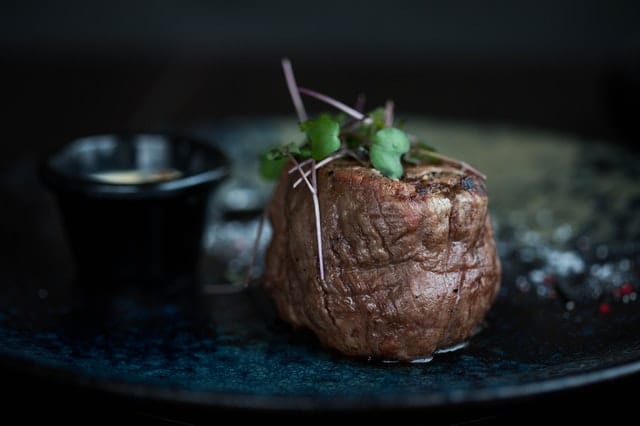
- Main Meal 1: 230 grams of chicken/meat/fish (uncooked weight of the meat should be 230 grams), 260 grams of brown rice (cooked weight of rice should be 230 grams), One and a half tablespoons of olive oil
- Main Meal 2: Same foods as the first meal
- Snack: An orange, a palm of walnuts and hazelnuts
- Main Meal 3: Same foods as the first meal
Bulking Meal Diet Plan for Those With 187-209 lbs
- Breakfast: 2 whole eggs, 6 egg whites, 90 grams oats, 14 olives
- Snack: One and a half bananas, a palm of walnuts and hazelnuts
- Main Meal 1: 250 grams of chicken/meat/fish (uncooked weight of meat should be 250 grams), 290 grams of brown rice (cooked weight of rice should be 290 grams), 2 tablespoons of olive oil
- Main Meal 2: Same foods as the first meal
- Snack: One and a half orange, a palm of walnuts and hazelnuts
- Main Meal 3: Same foods as the first meal
Bulking Diet Meal Plan for Those With 209-216 lbs
- Breakfast: 3 whole eggs, 6 egg whites, 100 grams oats, 16 olives
- Snack: 2 bananas, a palm of walnuts and hazelnuts
- Main Meal 1: 270 grams of chicken/meat/fish (uncooked weight of meat should be 270 grams), 310 grams of brown rice (cooked weight of rice should be 310 grams), 2 tablespoons of olive oil
- Main Meal 2: Same foods as the first meal
- Snack: 2 oranges, a palm of walnuts and hazelnuts
- Main Meal 3: Same foods as the first meal
7-Day Meal Plan at a Glance
Each day lands roughly between 3,200 and 3,800 calories with about 180 to 220 grams of protein, most carbs placed around your training window, and moderate fats from olive oil, nuts, and whole eggs. Adjust portions up or down based on your bodyweight and how the scale moves.
| Day | Breakfast | Lunch | Dinner | Snack |
|---|---|---|---|---|
| Mon | 3 whole eggs, 4 egg whites, 80 g oats with milk, 1 banana | 200 g grilled chicken, 250 g cooked brown rice, mixed salad with 1 tbsp olive oil | 200 g lean beef, 300 g sweet potato, steamed broccoli | Greek yogurt, 40 g almonds, 1 apple |
| Tue | Oat and whey pancakes (80 g oats, 1 scoop whey, 2 eggs), berries | 200 g salmon, 220 g quinoa, roasted zucchini and peppers | Turkey and bean chili (180 g turkey, 150 g kidney beans), rice | Peanut butter sandwich on whole grain bread, milk |
| Wed | 3 eggs scrambled with spinach, 2 slices whole grain toast, avocado | Chicken burrito bowl: 200 g chicken, rice, black beans, salsa, cheese | 200 g white fish, 300 g potatoes, olive oil dressed greens | Cottage cheese with pineapple, walnuts |
| Thu | Overnight oats: 90 g oats, milk, 1 scoop whey, chia, banana | Lentil and chicken stew, 200 g cooked pasta, side salad | Beef stir fry (200 g beef), 250 g rice, mixed vegetables | Trail mix (40 g), 1 orange, hard boiled eggs |
| Fri | Vegetarian: tofu scramble (200 g tofu), 2 slices toast, avocado, fruit | Chicken shawarma wrap, tabbouleh, hummus | 200 g salmon, roasted potatoes, asparagus, tahini drizzle | Greek yogurt bowl with honey, granola, berries |
| Sat | 3 eggs, 3 turkey sausage, oats with peanut butter, milk | Rice bowl with 220 g chicken thigh, edamame, kimchi, sesame oil | Homemade beef burger on brioche, sweet potato wedges | Protein smoothie: whey, banana, oats, milk, peanut butter |
| Sun | Vegetarian option: 4 egg omelet with cheese, beans, sourdough, fruit | Roast chicken, mashed potatoes, gravy, green beans | Baked cod, wild rice, sauteed spinach with garlic | Cottage cheese and berries before bed, mixed nuts |
7-Day Shopping List
Produce
- Bananas (7)
- Apples (4)
- Oranges (3)
- Mixed berries (2 cups)
- Avocados (3)
- Spinach (2 bags)
- Broccoli (2 heads)
- Zucchini (3)
- Bell peppers (4)
- Sweet potatoes (6)
- Regular potatoes (6)
- Asparagus (1 bunch)
- Green beans (1 lb)
- Mixed salad greens (2 bags)
- Garlic and onions
Proteins
- Chicken breast (1.5 kg)
- Chicken thighs (500 g)
- Lean ground beef or steak (1 kg)
- Ground turkey (500 g)
- Salmon fillets (500 g)
- White fish like cod or tilapia (400 g)
- Eggs (30)
- Firm tofu (400 g)
- Canned tuna (2 cans)
- Turkey sausage (1 pack)
Grains and Legumes
- Rolled oats (1 kg)
- Brown rice (1 kg)
- Wild rice (250 g)
- Quinoa (500 g)
- Whole grain pasta (500 g)
- Whole grain bread (2 loaves)
- Sourdough or brioche buns
- Lentils (250 g)
- Kidney and black beans (2 cans each)
- Edamame (1 bag)
Dairy and Alternatives
- Whole or 2% milk (4 L)
- Greek yogurt (1 kg tub)
- Cottage cheese (500 g)
- Cheddar or feta cheese (250 g)
- Butter (1 stick)
- Whey protein powder (1 tub)
- Unsweetened plant milk if preferred
Pantry and Seasonings
- Extra virgin olive oil
- Sesame oil
- Natural peanut butter
- Almonds, walnuts, mixed nuts
- Chia seeds and honey
- Hummus and tahini
- Salsa and kimchi
- Low sodium soy sauce
- Salt, black pepper, paprika, cumin, oregano
- Granola (low sugar)
Frequently Asked Questions
Will I gain fat with this plan?
Some fat gain is normal in any bulk, but a modest surplus of around 250 to 500 calories over your maintenance keeps it minimal. Track your waist and weekly weight. If you gain more than about 0.5 to 0.75 percent of your bodyweight per week over several weeks, pull calories back. A slower, cleaner rise in weight almost always leaves you leaner at the end.
How fast should I gain weight?
For most trained lifters, a gain of about 0.25 to 0.5 kg per week is a sensible target, roughly 1 to 2 pounds a month for more advanced athletes. Beginners can sometimes push the top of that range. Faster than this and you are mostly adding fat, not muscle. Weigh yourself in the same conditions two or three times a week and judge trends over four weeks, not single readings.
Do I need protein shakes?
No. Protein shakes are a convenience, not a requirement. If you can comfortably eat 1.6 to 2.2 grams of protein per kilogram of bodyweight from chicken, fish, eggs, dairy, tofu, and legumes, you do not need any powder. Shakes help when your appetite is low, when meals are hard to fit around training, or when you travel. Choose a plain whey or plant blend and treat it as food.
What about clean bulk versus dirty bulk?
A clean bulk uses whole foods and a controlled surplus so most of the weight you add is muscle. A dirty bulk relies on fast food and unlimited calories, which piles on fat and often raises blood pressure, blood sugar, and cholesterol. Research on lean gain rates supports the clean approach. Save the dirty bulk stories for message boards. Your future cut will be far shorter and easier if you keep the surplus honest.
How long should a bulk last?
Most people do well with focused bulking blocks of 8 to 16 weeks, followed by a short maintenance phase or a mini cut. Longer than that and fat gain usually outpaces muscle gain. If you notice waist growth speeding up, energy dropping, or lifts stalling, that is a signal to pause the surplus, tighten portions, and reassess before pushing calories higher again.