Medical Disclaimer: This article is for informational purposes only and is not a substitute for professional medical advice, diagnosis, or treatment.
Always consult a registered dietitian, physician, or qualified healthcare provider before making significant changes to your diet, especially if you have a medical condition, take medication, are pregnant or nursing, or are managing a chronic illness. Individual results may vary.
800 Calorie Diet for Type 2 Diabetes: The Honest Answer
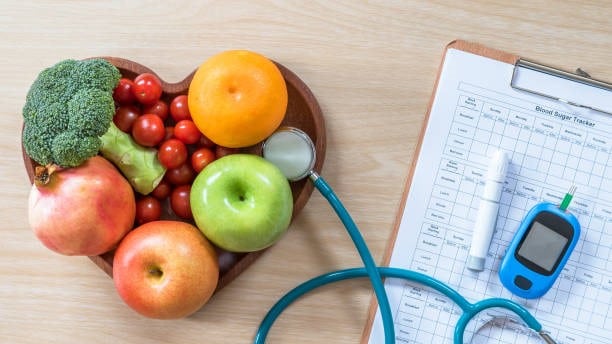
An 800-calorie diet has real clinical evidence for putting type 2 diabetes into remission, but only under medical supervision and only for a defined 8 to 12 week window.
The strongest evidence comes from the DiRECT trial (Lean et al., The Lancet 2018), which put adults with type 2 diabetes on a 12-week 825 to 853 kcal/day formula diet under primary-care supervision.
At 12 months, 46 percent of the intervention group had achieved diabetes remission, compared with 4 percent of controls (1). This page explains what the protocol actually is, who it works for, who must avoid it, and how it differs from the consumer Fast 800 approach.
The Two Real Evidence Bases
Two clinical protocols underpin the 800-calorie diet for diabetes:
- DiRECT trial (2018). A UK randomized controlled trial that used a formula meal-replacement plan providing 825 to 853 kcal/day for 12 weeks, followed by structured food reintroduction and long-term weight-maintenance support. Diabetes remission at 12 months was linked directly to weight loss: 86 percent of participants who lost 15 kg or more achieved remission (1). DiRECT became the basis for the NHS Path to Remission program in England.
- The Fast 800 (Dr Michael Mosley). A consumer version drawing on the DIAMOND study at Oxford (Bailey Mosley et al.). DIAMOND used an 8-week 800 kcal Mediterranean-style protocol; participants lost an average of 9.5 kg with significant improvements in HbA1c, blood pressure, and medication use (2).
Both cap the 800 kcal phase at 12 weeks. Both follow it with a structured maintenance phase at 1,500 to 2,000 kcal per day, Mediterranean pattern. Both treat the intensive phase as a clinical intervention, not a long-term lifestyle.
How the Diabetes-Reversing Mechanism Actually Works
The mechanism is not mysterious. Type 2 diabetes is driven in large part by excess fat inside the liver and pancreas (visceral and organ fat), which impairs insulin production and insulin sensitivity.
Sustained calorie restriction of the size delivered by an 800 kcal protocol depletes that ectopic fat within weeks, and pancreatic beta-cell function partially recovers (1).
The result: fasting glucose drops, HbA1c drops, and for a significant fraction of participants, blood sugar returns to non-diabetic range without medication.
Two things are worth knowing about the mechanism:
- The effect depends on total weight loss, not on any particular macro split. Low-carb Mediterranean works, so does the formula-shake approach.
- The window matters: participants who had type 2 diabetes for less than 6 years and were not on insulin had the highest remission rates.
Stages of the Fast 800 Protocol
Stage 1: Intensive (weight-loss) phase
800 kcal/day for 2 to 12 weeks. Aim is rapid mild ketosis and organ-fat depletion. Meals are either formula shakes plus a small food component, or a low-carb Mediterranean pattern hitting 800 kcal from real food.
Stage 2: Flexible (5:2 style) phase
800 kcal for 2 days per week, low-carb Mediterranean pattern for the other 5. Home-cooked, low processed food, protein at every meal.
Stage 3: Maintenance (Mediterranean) phase
1,500 to 2,000 kcal per day, Mediterranean pattern, low sugar, low refined starch. Optional single fasting day per week. This phase is where 12-month and 24-month remission outcomes are actually determined.
Who the 800-Calorie Diabetes Diet Is For
- Adults with type 2 diabetes for less than 6 years.
- BMI at or above 27 (NHS criterion) or 30 (most other clinical contexts).
- Not on insulin, or willing to reduce insulin under medical supervision.
- Willing to follow the maintenance phase, not just the intensive phase.
Who Must Not Follow This Diet
- Type 1 diabetes.
- Type 2 diabetes on insulin, sulfonylureas, or SGLT2 inhibitors without prior medication adjustment (hypoglycemia and DKA risk).
- Pregnancy or breastfeeding.
- History of an eating disorder.
- BMI under 27.
- Significant kidney, liver, or cardiac disease without specialist clearance.
- Anyone under 18.
Foods on the Fast 800 for Diabetes
Daily: non-starchy vegetables, olive oil, small servings of whole grains, healthy fats.
Several times per week: fatty fish, chicken, eggs, legumes and lentils, nuts and seeds.
In moderation: plain Greek yogurt, small portions of red meat.
Avoid or minimize: starchy carbs (bread, rice, pasta, potatoes at intensive-phase quantities), highly processed foods, sugary drinks, alcohol.
7-Day 800 Calorie Diabetes-Focused Meal Plan
The plan below hits about 800 kcal per day with 80 g of protein and 20 to 25 g of net carbs. Protein is emphasized at every meal because muscle preservation and satiety are the two hardest problems at this calorie level.
| Day | Breakfast | Snack | Lunch | Snack | Dinner | Total |
|---|---|---|---|---|---|---|
| Day 1 | 2 large eggs poached, 1 cup wilted spinach, 1/2 medium tomato (191 cal, 12.5 g protein) | 1/2 medium apple with 1 tsp peanut butter (80 cal, 1.5 g protein) | 3 oz baked salmon, 2 cups mixed greens, 1/4 cup chickpeas, lemon (265 cal, 26 g protein) | 4 oz plain Greek yogurt 0% (65 cal, 12 g protein) | 3 oz grilled chicken, 1 cup steamed broccoli, 1 cup roasted bell peppers (225 cal, 32 g protein) | 826 cal, 84 g protein |
| Day 2 | 1/2 cup cooked steel-cut oats with 1 tbsp ground flax, 1/4 cup blueberries, 4 oz plain Greek yogurt (195 cal, 16 g protein) | 1/2 oz raw almonds, about 12 nuts (82 cal, 3 g protein) | 4 oz grilled chicken breast, 2 cups mixed greens, 1/8 medium avocado, cucumber, 1 tsp olive oil with lemon (283 cal, 36 g protein) | 1 small clementine (35 cal, 0.7 g protein) | 4 oz baked cod, 1 cup steamed asparagus, 1/2 cup roasted Brussels sprouts, 1 tsp olive oil (225 cal, 26 g protein) | 820 cal, 82 g protein |
| Day 3 | 4 oz plain Greek yogurt with 1/2 cup mixed berries, 1 tbsp slivered almonds, 1 tbsp ground flax (165 cal, 14 g protein) | 1 hard-boiled egg with cucumber slices (78 cal, 7 g protein) | 3 oz grilled chicken, 2 cups mixed greens, 1/4 cup cooked lentils, 1 tsp olive oil, lemon (258 cal, 32 g protein) | 1/2 oz pumpkin seeds (80 cal, 4 g protein) | 4 oz turkey breast, 1 cup roasted bell peppers and zucchini, 1 tsp olive oil (220 cal, 29 g protein) | 801 cal, 86 g protein |
| Day 4 | 1-egg omelette with 1 oz feta and 1 cup wilted spinach (185 cal, 13 g protein) | 1 hard-boiled egg, cucumber and tomato (89 cal, 7 g protein) | 3 oz grilled chicken, 1 cup mixed greens, 1/4 cup cooked quinoa, 1 cup steamed broccoli (260 cal, 32 g protein) | 1/2 oz raw walnuts, about 7 halves (90 cal, 2 g protein) | 4 oz baked cod, 1 cup green beans, 1 cup roasted bell peppers (175 cal, 26 g protein) | 799 cal, 80 g protein |
| Day 5 | 1/2 cup low-fat cottage cheese with 1 cup strawberries and 1 tbsp slivered almonds (162 cal, 14 g protein) | 1/2 medium apple with 1 tsp peanut butter (79 cal, 1.5 g protein) | 3 oz grilled chicken, 2 cups mixed greens, 1/4 cup chickpeas, 1 tsp olive oil (270 cal, 30 g protein) | 4 oz plain Greek yogurt 0% (65 cal, 12 g protein) | 3 oz baked salmon, 1 cup steamed asparagus (215 cal, 23 g protein) | 791 cal, 80 g protein |
| Day 6 | 2 large eggs scrambled with 1 cup mushrooms and 1/2 cup spinach (195 cal, 18 g protein) | 1/2 cup low-fat cottage cheese with cucumber slices (90 cal, 14 g protein) | 3 oz baked salmon, 2 cups mixed greens, 1/2 cup roasted Brussels sprouts, 1 tsp olive oil, lemon (280 cal, 22 g protein) | 1/2 medium apple (47 cal, 0.3 g protein) | 3 oz grilled chicken, 1 cup roasted bell peppers, 1 cup steamed asparagus (210 cal, 28 g protein) | 822 cal, 82 g protein |
| Day 7 | 1/2 cup cooked steel-cut oats with 1 tbsp ground flax and 1/4 cup berries (130 cal, 7 g protein) | 4 oz plain Greek yogurt with 1/4 cup berries (85 cal, 12 g protein) | 3 oz grilled chicken breast, 2 cups mixed greens, 1/4 cup cooked quinoa, 1 medium tomato, lemon (237 cal, 30 g protein) | 1/2 oz raw almonds (82 cal, 3 g protein) | 3 oz baked salmon, 1 cup roasted asparagus, 1/2 cup roasted Brussels sprouts, 1 tsp olive oil (277 cal, 23 g protein) | 811 cal, 75 g protein |
7-Day Comparison Table
| Day | Total kcal | Protein (g) | Main protein sources |
|---|---|---|---|
| 1 | 826 | 84 | Eggs, salmon, chicken |
| 2 | 820 | 82 | Greek yogurt, chicken, cod |
| 3 | 801 | 86 | Greek yogurt, chicken, turkey, lentils |
| 4 | 799 | 80 | Eggs, chicken, cod |
| 5 | 791 | 80 | Cottage cheese, chicken, salmon, chickpeas |
| 6 | 822 | 82 | Eggs, cottage cheese, salmon, chicken |
| 7 | 811 | 75 | Oats, yogurt, chicken, salmon |
Expected Weight Loss
Sustained weight loss on the DiRECT and DIAMOND protocols averages about 1 to 1.5 kg (2 to 3 lbs) per week during the intensive phase. Week 1 usually shows a larger drop because the body burns stored glycogen first, and each gram of glycogen holds roughly 3 grams of water.
Trial-level numbers worth knowing:
- DiRECT: average 10 kg loss at 12 months; participants who achieved remission lost about 15 kg (1).
- DIAMOND: average 9.5 kg over 8 weeks (2).
- NHS Path to Remission real-world data (Lancet Diabetes & Endocrinology, 2024): average 16 kg over 12 months, about 32 percent sustained diabetes remission at 12 months.
Frequently Asked Questions
Can an 800-calorie diet really reverse type 2 diabetes?
For a significant fraction of people, yes. In the DiRECT trial, 46 percent of participants achieved remission at 12 months, and 86 percent of those who lost 15 kg or more achieved remission (1).
Remission means fasting glucose and HbA1c return to non-diabetic range without medication, at least for the duration of the study period.
Is the 800-calorie diet safe with diabetes?
Under supervision, yes. Without supervision, no. Insulin and sulfonylurea doses must be adjusted before starting, or hypoglycemia risk is high. SGLT2 inhibitors carry a risk of euglycemic DKA at very low carb intake and should be stopped before starting.
How long is the intensive phase?
8 to 12 weeks. Longer than 12 weeks is not recommended under any published protocol.
Can I do this without a doctor?
Not recommended. Medication adjustment, blood work, and monitoring for gallstones and electrolyte imbalance all require clinical oversight.
Does remission last?
It depends on the maintenance phase. At 24 months, DiRECT remission rates dropped from 46 percent to 36 percent. Structured Mediterranean-style maintenance at 1,500 to 2,000 kcal/day is what preserves remission.
What if I have type 1 diabetes?
This protocol is not for you. Type 1 diabetes requires basal insulin and cannot be safely managed at 800 kcal.
Formula shakes or real food?
Formula-based (Optifast, Lighter Life) is the NHS standard because hitting micronutrient adequacy at 800 kcal from real food is difficult. Real-food versions can work but need a registered dietitian’s input to avoid deficiencies.
Disclaimer
The 800-calorie protocol for type 2 diabetes is a clinical intervention. It must be undertaken with a physician’s oversight, particularly if you are on insulin, sulfonylureas, SGLT2 inhibitors, or blood-pressure medication, because doses commonly need to be reduced or stopped before starting.
This page is educational and does not replace an individualized care plan from your diabetes team. Do not begin an 800 kcal intensive phase on the basis of this article alone. Not medical advice; consult a registered dietitian or your diabetes clinician before making major dietary changes.