Medical Disclaimer: This article is for informational purposes only and is not a substitute for professional medical advice, diagnosis, or treatment. High blood pressure is a serious medical condition.
Consult your physician, pharmacist, or registered dietitian before starting a diet aimed at lowering blood pressure, especially if you take antihypertensive medication (ACE inhibitors, ARBs, beta blockers, calcium channel blockers, thiazide diuretics), potassium-sparing drugs (spironolactone, amiloride), lithium, or NSAIDs.
Do not stop or adjust blood pressure medication on your own. Cost estimates below reflect US grocery prices in 2024 to 2025 in an average metro market; your prices will vary by region, store, and season. Individual results may vary.
7-Day DASH Diet on a Budget: An Honest Guide (Roughly $6 to $8 Per Day)
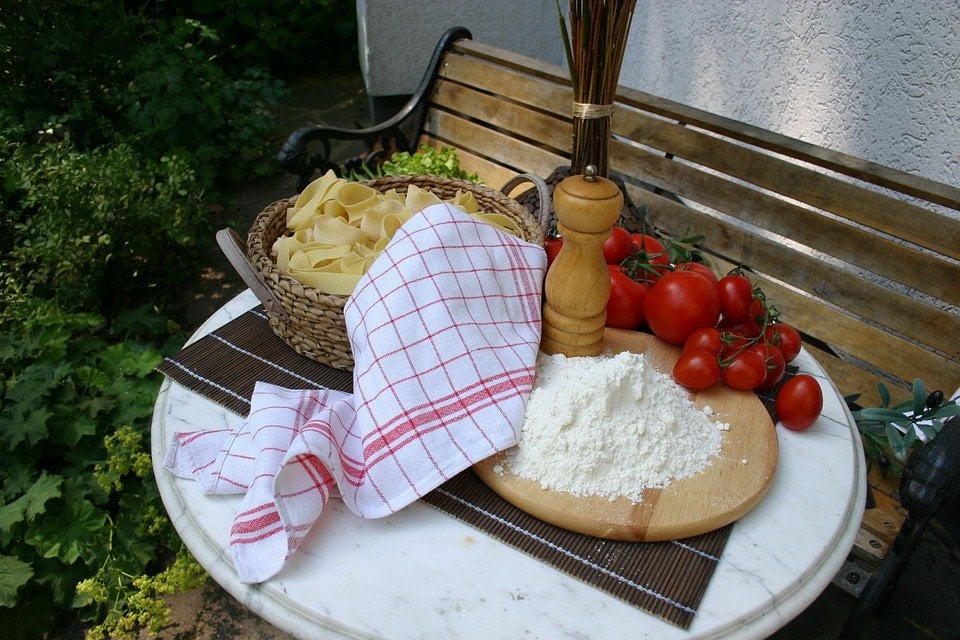
The DASH (Dietary Approaches to Stop Hypertension) eating plan lowers blood pressure without medication (1) and can be built on a tight budget by leaning on dried beans, canned no-salt tomatoes, frozen vegetables, oats, brown rice, eggs, canned salmon or sardines, and seasonal produce.
This 7-day plan targets roughly $6 to $8 per person per day (about $42 to $56 per week for one adult) and hits the DASH pattern of 1500 to 2000 mg sodium and 3500 to 4500 mg potassium per day. That is below the USDA Thrifty Food Plan 2021 individual food-cost benchmark (2).
Who This Plan Fits and Who It Does Not
Fits: adults with elevated or stage 1 hypertension on a limited food budget; adults using SNAP or WIC benefits; college students; single-earner households; retirees on fixed income.
Does not fit as written: adults with chronic kidney disease (potassium and phosphorus need tailoring), adults on potassium-sparing diuretics (potassium may need to be lower, not higher), pregnant or lactating women (higher calorie and iron needs), adults with heart failure and fluid restriction, teens under 18, adults with disordered eating history, adults with severe food allergies to the staple ingredients (beans, eggs, dairy).
If your systolic BP is above 180 mmHg or diastolic above 120 mmHg, that is a hypertensive crisis and requires urgent medical care, not a diet change.
The Budget DASH Grocery List (~$45 for One Adult, One Week)
Approximate 2024 to 2025 US pricing; adjust for your region and use unit-price comparisons.
- Whole grains (~$6): 1 lb old-fashioned rolled oats (~$2), 2 lb brown rice (~$3), 1 loaf whole-wheat bread (~$3, freeze half).
- Legumes (~$5): 1 lb dried black beans (~$1.50), 1 lb dried lentils (~$1.80), 2 cans no-salt-added chickpeas (~$2).
- Vegetables, fresh + frozen (~$12): 1 bag frozen mixed vegetables (~$2), 1 bag frozen spinach (~$2), 1 bag frozen broccoli (~$2), 3 lb potatoes (~$3), 1 lb carrots (~$1), 1 head cabbage (~$2).
- Fruit (~$8): 1 bag frozen berries (~$3), 3 lb bananas (~$2), 3 lb apples in season (~$3).
- Protein (~$10): 1 dozen eggs (~$3.50), 2 cans no-salt-added tuna or sardines (~$3), 1 lb chicken thighs or drumsticks (~$3.50). Add 1 block extra-firm tofu (~$2) as substitute if desired.
- Dairy (~$6): 1/2 gal skim or 1% milk (~$3), 32 oz plain nonfat yogurt (~$3).
- Fats and pantry (~$3): extra-virgin olive oil (using existing), garlic (~$1), onion (~$1), lemon (~$1), spices from pantry.
- Total: approximately $50, adjust up or down $5 to $10 depending on region.
Where the DASH Budget Wins Come From
- Dried beans and lentils. Dried beans cost 15 to 30 percent of canned per gram of protein, deliver 6 to 8 g soluble fiber per cup, and are naturally low-sodium and high-potassium.
- Eggs. At ~$0.30 per egg, one of the cheapest complete-protein foods. Two eggs deliver 12 g protein for under $1.
- Canned salmon and sardines. Two 5-oz cans of no-salt sockeye ($6 to $8) provide 60 to 70 g protein and 3000 to 4000 mg omega-3s for the week; cheaper than fresh fillet.
- Frozen produce. Frozen fruit and vegetables are typically 30 to 50 percent cheaper than fresh, less wastage, and comparable nutrition. The Environmental Working Group notes frozen produce is often flash-frozen at peak ripeness (3).
- Chicken thighs and drumsticks. Roughly half the price of boneless breast; higher fat but still low-sodium if unseasoned.
- Store brands. Store-brand canned tomatoes, oats, and pasta are chemically identical to name brands at 30 to 50 percent lower cost.
- Farmer’s market end-of-day. Many vendors discount produce in the last hour; ask.
- USDA Thrifty Food Plan 2021. The plan estimates a healthy diet for a 20 to 50 year-old adult male at $47.50 per week, adjusted for inflation (2).
7-Day Budget DASH Meal Plan (~1700 to 1800 kcal, ~1600 to 2000 mg Na, ~3500 to 4500 mg K)
Per-meal sodium (Na) and potassium (K) are listed. Meals recycle staples to keep grocery costs low.
Day 1 (approx. 1780 kcal, 1650 mg Na, 4200 mg K, ~$5.50)
- Breakfast (390 kcal): Oatmeal (60 g rolled oats) with 240 ml skim milk, 100 g frozen berries, 1 tsp honey. Na 160 mg, K 700 mg.
- Lunch (490 kcal): Lentil and vegetable soup (150 g cooked lentils, 100 g frozen mixed vegetables, 240 ml low-sodium broth, garlic, onion, olive oil) with 2 slices whole-wheat toast. Na 480 mg, K 1200 mg.
- Snack (200 kcal): 1 medium apple with 1 tbsp peanut butter. Na 90 mg, K 300 mg.
- Dinner (700 kcal): Roasted chicken thigh (140 g bone-in, skin removed, seasoned with garlic, lemon, herbs), 200 g roasted potato wedges (1 tsp olive oil), 200 g steamed frozen broccoli with lemon. Na 920 mg, K 2000 mg.
Day 2 (approx. 1750 kcal, 1700 mg Na, 3900 mg K, ~$5.20)
- Breakfast (330 kcal): 2 scrambled eggs (1 tsp olive oil), 1 slice whole-wheat toast, 240 ml skim milk. Na 320 mg, K 550 mg.
- Lunch (480 kcal): Black bean and rice bowl (150 g cooked black beans, 150 g brown rice, 60 g frozen corn, salsa, cilantro). Na 340 mg, K 1200 mg.
- Snack (140 kcal): 240 g plain nonfat yogurt with 60 g frozen berries and cinnamon. Na 130 mg, K 550 mg.
- Dinner (800 kcal): Chicken and vegetable stir-fry (100 g chicken thigh, 200 g cabbage-carrot mix, 1 tbsp low-sodium soy sauce, garlic, ginger) over 150 g brown rice. Na 910 mg, K 1600 mg.
Day 3 (approx. 1720 kcal, 1600 mg Na, 4100 mg K, ~$4.80)
- Breakfast (350 kcal): Oatmeal with 1 sliced banana and 15 g crushed peanuts. Na 150 mg, K 650 mg.
- Lunch (490 kcal): Tuna and white bean salad: 1 can no-salt tuna (drained), 100 g cannellini or chickpeas, chopped celery, lemon, 1 tsp olive oil, on 2 slices whole-wheat toast. Na 380 mg, K 1200 mg.
- Snack (100 kcal): 1 medium banana. Na 1 mg, K 450 mg.
- Dinner (780 kcal): Vegetarian chili (200 g mixed beans, 200 g diced tomato no salt, 100 g frozen spinach, cumin, chili powder) over 150 g brown rice; small side salad. Na 1070 mg, K 1800 mg.
Day 4 (approx. 1770 kcal, 1750 mg Na, 3800 mg K, ~$5.90)
- Breakfast (300 kcal): 240 g plain nonfat yogurt with 40 g rolled oats stirred in, 60 g frozen berries. Na 130 mg, K 700 mg.
- Lunch (510 kcal): Egg salad (2 hard-boiled eggs, 1 tbsp plain yogurt, mustard, dill) on 2 slices whole-wheat toast; sliced cucumber. Na 500 mg, K 500 mg.
- Snack (150 kcal): 1 apple and 15 g peanut butter. Na 75 mg, K 300 mg.
- Dinner (810 kcal): Shepherd’s-style lentil pie: 200 g cooked lentils simmered with carrot, onion, tomato, thyme; topped with 250 g mashed potato (skim milk, no butter), baked; side garden salad. Na 1045 mg, K 2300 mg.
Day 5 (approx. 1740 kcal, 1500 mg Na, 4200 mg K, ~$6.10)
- Breakfast (350 kcal): Oatmeal with 1 sliced banana, cinnamon, 200 ml skim milk. Na 150 mg, K 700 mg.
- Lunch (470 kcal): Chickpea salad (150 g chickpeas, cucumber, tomato, red onion, 1 tsp olive oil, lemon) with 1 whole-wheat pita. Na 350 mg, K 900 mg.
- Snack (100 kcal): 1 medium apple. Na 2 mg, K 200 mg.
- Dinner (820 kcal): Baked salmon patty (1 can no-salt canned salmon mixed with 30 g oats and 1 egg, pan-seared with 1 tsp olive oil), 150 g brown rice, 200 g steamed frozen broccoli. Na 1000 mg, K 2400 mg.
Day 6 (approx. 1770 kcal, 1650 mg Na, 3900 mg K, ~$5.60)
- Breakfast (380 kcal): 2 scrambled eggs with 60 g frozen spinach (thawed and squeezed), 1 slice whole-wheat toast, 240 ml skim milk. Na 360 mg, K 900 mg.
- Lunch (490 kcal): Turkey (or chicken) and apple sandwich: 60 g sliced roast chicken, sliced apple, mustard, romaine, on 2 slices whole-wheat bread. Na 550 mg, K 500 mg.
- Snack (150 kcal): 240 g plain nonfat yogurt with cinnamon. Na 130 mg, K 550 mg.
- Dinner (750 kcal): White bean and vegetable soup (150 g cannellini, 100 g carrot, 100 g cabbage, garlic, thyme, 1 tsp olive oil) with 1 whole-wheat roll; small side salad. Na 610 mg, K 1950 mg.
Day 7 (approx. 1780 kcal, 1700 mg Na, 4300 mg K, ~$5.10)
- Breakfast (350 kcal): Yogurt parfait: 240 g plain nonfat yogurt, 40 g rolled oats, 100 g frozen berries. Na 130 mg, K 750 mg.
- Lunch (490 kcal): White bean and vegetable soup (leftover) with 1 whole-wheat roll and side salad. Na 620 mg, K 1400 mg.
- Snack (200 kcal): 1 apple with 1 tbsp peanut butter. Na 90 mg, K 300 mg.
- Dinner (740 kcal): Chicken and vegetable stew (100 g chicken thigh, 100 g potato, 100 g carrot, 100 g cabbage, low-sodium broth, garlic, herbs) with 1 slice whole-wheat bread. Na 860 mg, K 1850 mg.
Cheap Protein Comparison (Roughly $5 or Less Per Day)
| Protein Source | Serving | Protein (g) | Approx. cost per serving | Sodium (mg) | Notes |
|---|---|---|---|---|---|
| Dried black beans (cooked) | 1 cup (150 g) | 15 | $0.30 | 2 | Highest fiber, lowest sodium |
| Dried lentils (cooked) | 1 cup (200 g) | 18 | $0.35 | 4 | Fastest cook, no soak |
| Eggs | 2 large | 12 | $0.60 | 140 | Complete protein; cap whole eggs per your care team |
| Chicken thigh (bone-in) | 140 g | 25 | $1.40 | 85 | Remove skin to cut sat fat |
| Canned no-salt tuna | 1 can (140 g) | 28 | $1.80 | 50 (no-salt) or 350 (regular) | Choose no-salt-added |
| Canned no-salt salmon | 1 can (140 g) | 27 | $3.50 | 60 | Omega-3 rich; use bones for calcium |
| Extra-firm tofu | 150 g | 15 | $1.20 | 15 | Very low sodium; versatile |
| Nonfat plain yogurt | 240 g | 10 | $0.90 | 130 | Calcium and probiotic bonus |
Comparison Table: Budget DASH vs. Standard DASH vs. Typical Budget Diet
| Feature | Budget DASH (This Plan) | Standard DASH (2000 kcal) | Typical US Low-Cost Diet |
|---|---|---|---|
| Approx. daily cost/adult | $6 to $8 | $9 to $12 | $4 to $6 |
| Sodium | 1500 to 2000 mg | 1500 to 2300 mg | 3500+ mg |
| Potassium | 3500 to 4500 mg | 4700 mg | 2400 mg |
| Vegetables + fruits | 7 to 8 servings | 8 to 10 servings | 2 to 3 servings |
| Fiber | 28 to 35 g | 28 to 35 g | 10 to 12 g |
| Expected systolic BP drop | -6 to -11 mmHg (4) | -6 to -11 mmHg (4) | baseline |
Money-Saving Rules That Still Hit DASH
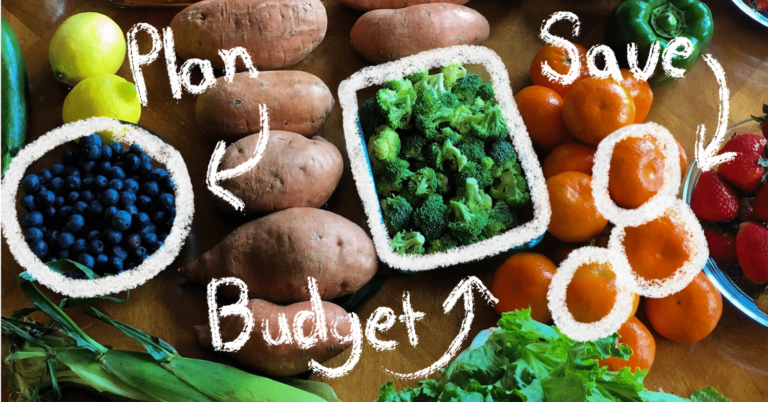
- Plan the week; write the list; don’t shop hungry. Impulse buys are where DASH budgets fail.
- Cook once, eat twice. Batch-cook rice, beans, and soups; portion into containers.
- Use canned tomatoes as a flavor base. Cheap, no-salt-added, high in lycopene.
- Rinse regular canned beans to cut sodium roughly 40 percent if no-salt cans are unavailable.
- Buy spices in bulk bins. A dollar of cumin or paprika replaces a $3 sauce.
- Watch unit price, not total. Store-brand rolled oats are 60 percent cheaper per gram than name-brand instant packets.
- Freeze half the bread. Reduces waste by roughly a third.
Frequently Asked Questions
Is DASH actually affordable, or is that marketing?
Built with dried legumes, eggs, canned no-salt fish, frozen produce, and store-brand grains, DASH is achievable at $6 to $8 per adult per day. This is below the USDA Thrifty Food Plan 2021 benchmark (~$47.50 weekly for a 20 to 50 year-old male) (2).
Fresh salmon, exotic produce, and organic labels can push costs higher, but they are not required for DASH.
Do I have to buy organic to follow DASH?
No. Nutritionally, conventionally grown produce delivers the same potassium, fiber, and vitamins as organic.
If pesticide concerns matter, EWG publishes updated Dirty Dozen and Clean Fifteen lists (3); prioritize organic on Dirty Dozen items and buy conventional for Clean Fifteen.
Can I do DASH on SNAP benefits?
Yes. The USDA Thrifty Food Plan is designed to match maximum SNAP allotments. Focus on dried beans, oats, rice, frozen vegetables, canned no-salt tuna, and eggs; these anchor a DASH pattern within SNAP.
What are the sodium traps to avoid on a budget?
The biggest sodium loads on cheap grocery lists come from ramen (~1500 mg per packet), canned soup (~800 mg per cup), boxed rice mixes (~500 mg per serving), lunch meat (~450 mg per slice), frozen pizza (~800 mg per slice), and hot dogs (~500 mg each).
Swap for the staples in this plan and sodium drops sharply.
Can I do DASH if I only cook a few nights a week?
Yes. Batch-cook one pot of beans, one pot of rice, and one large sheet pan of roasted vegetables on Sunday. Combine with eggs and canned no-salt tuna during the week. Total active cooking: 90 minutes weekly.
What if my potassium is high (I take spironolactone or an ACE inhibitor)?
Do not push potassium above ~3000 mg per day without medical guidance. Ask your prescriber for a target, and cut back on the highest-potassium foods in this plan (potatoes, tomato-heavy soups, dried lentils). Get a blood potassium check within 4 weeks of starting.