This is a high-calorie plan built for active people trying to gain muscle or maintain weight during heavy training. It is not appropriate if you are sedentary, since eating 3,000 calories without matching activity will lead to unwanted weight gain. A fully plant-based diet at this intake also raises the risk of low vitamin B12, iron, zinc, and vitamin D unless you supplement and plan meals carefully, so please work with a registered dietitian or your clinician before starting.
Who This Plan Is For
This plan is designed for active, plant-based eaters who need a lot of fuel and struggle to hit their daily calories from vegetables and salads alone. If you are training hard, working a physical job, or trying to move from underweight into a healthier range, the calorie density here can help you get there without cutting out the foods you already enjoy. It is not a fat-loss plan and it is not built for casual eaters.
- Vegan or plant-based lifters training 4 to 6 days per week who want to add muscle.
- Endurance athletes (runners, cyclists, swimmers) with big weekly training volumes.
- People with physically demanding jobs who burn through calories quickly.
- Naturally lean or underweight adults who want a structured way to eat more.
- Vegans transitioning from a low-calorie diet into a maintenance or bulking phase.
The 3000 Calorie Vegan Meal Plan
Can muscle be developed without eating meat? Most vegans wonder about the answer to this question. We all think of the importance of protein in bodybuilding. Bodybuilders are known for consuming large quantities of chick and beef, and of course, we cannot dismiss the importance of protein. However, protein is not only found in meat. Legumes contain a high amount of protein. At the same time, nuts and even cereal products contain protein. By consuming these foods in sufficient amounts, the protein required for muscle building can be obtained.
- Get the protein needed to build the muscles.
- Increasing load on the muscles. (Progressive overload)
- Getting the necessary calories to support our development.
- Soybeans: 36 grams of protein per 100 grams
- Nuts (hazelnuts, peanuts, walnuts, almonds: 20 grams of protein per 100 grams
- Whole wheat bread: 13 grams of protein per 100 grams
- Tofu: 8 grams of protein per 100 grams
- Peas: 5 grams of protein per 100 grams
- Lentils: 25g of protein per 100 grams
- Seitan (wheat gluten): 75 grams of protein per 100 grams
- Dried beans: 21 grams of protein per 100 grams
- Bulgur: 12g protein per 100 grams
- Chickpeas: 19 grams of protein per 100 grams
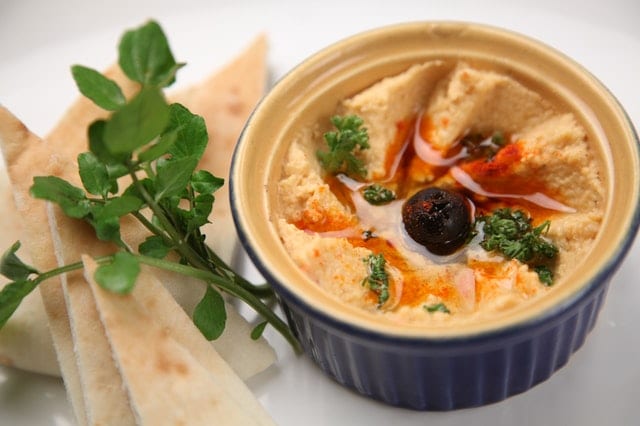
- Bread and peanut butter
- Peas and pasta
- Humus
- Dried beans and rice
3000 Calorie Vegan Meal Plan
Breakfast
Snack
1 slice of whole wheat bread, Peanut butter (50g, 2 teaspoons), 2 dried apricotsLunch
Dry beans (100g, 1 plate cooked), rice pilaf (100g, 1 plate cooked), steamed broccoli, zucchini, olive oil (1 dessert spoon)3000 Calorie Vegan Meal Plan: Snack
Dinner
Soy ground beef (100g), bulgur (75g), green salad, olive oil (1 dessert spoon)Snack
1 handful of almondsCalories: 2900 kcal Protein: 145g Fat: 100g Carbohydrate: 355gThis sample menu is a perfect combination list. You can easily use it during the muscle-building phase. After applying it for a few days, you can improve it, diversify meals or remove some nutrients from it.
Printable (PDF) 3000 Calorie Vegan Meal Plan
Save as PDF| Meals | Day |
|---|---|
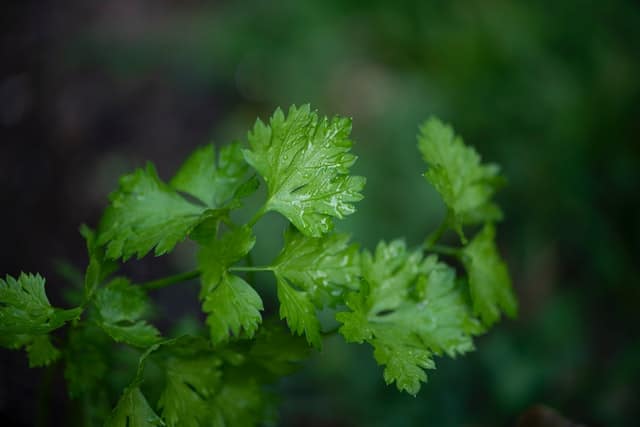
| Breakfast | Oats (100g), Soy milk (250ml, 1 cup), Vegan (Soy) protein powder (30g, 1 scoop), 1 cup of raw parsley, Lemon juice (1 tablespoon) |
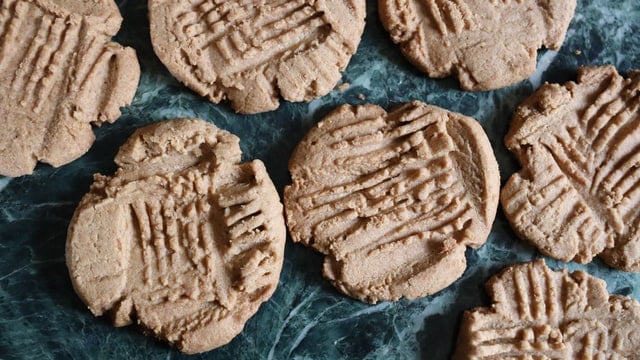
| Snack | 1 slice of whole wheat bread, Peanut butter (50g, 2 teaspoons), 2 dried apricots |
| Lunch | Dry beans (100g, 1 plate cooked), rice pilaf (100g, 1 plate cooked), steamed broccoli, zucchini, olive oil (1 dessert spoon) |
| Snack | Half avocado, 2 servings of fruit |
| Dinner | Soy ground beef (100g), bulgur (75g), green salad, olive oil (1 dessert spoon) |
| Snack | 1 handful of almonds |
| Total calories for the day | 2900 |
7-Day Meal Plan at a Glance
| Day | Breakfast | Lunch | Dinner | Snack |
|---|---|---|---|---|
| Mon | Oats (100g) with soy milk, 2 tbsp peanut butter, banana, chia seeds, and a scoop of pea protein. | Lentil and quinoa bowl with roasted sweet potato, avocado, tahini dressing, and pumpkin seeds. | Tofu stir-fry with brown rice, broccoli, cashews, and sesame oil. | Trail mix (almonds, walnuts, dried apricots) plus a soy latte. |
| Tue | Tofu scramble with whole-grain toast, avocado, and hash browns cooked in olive oil. | Chickpea and bulgur salad with olives, cucumber, hummus, and a whole-wheat pita. | Seitan strips with quinoa, black beans, corn, guacamole, and salsa. | Peanut butter and banana sandwich on seeded bread. |
| Wed | Overnight oats with soy yogurt, walnuts, blueberries, flaxseed, and maple syrup. | Tempeh wrap with hummus, spinach, roasted peppers, and sweet potato fries. | Red lentil dal with basmati rice, naan, and cashew curry sauce. | Smoothie with soy milk, banana, oats, almond butter, and cocoa. |
| Thu | Buckwheat pancakes with peanut butter, sliced banana, and pure maple syrup. | Quinoa tabbouleh with falafel, tahini, olives, and pita bread. | Whole-wheat pasta with lentil bolognese, olive oil, and nutritional yeast. | Dried figs, dark chocolate, and a handful of pistachios. |
| Fri | Granola with soy yogurt, mixed berries, chia seeds, and coconut flakes. | Tofu poke bowl with brown rice, edamame, avocado, mango, and cashews. | Bean and vegetable chili with cornbread and vegan sour cream. | Whole-grain crackers with hummus and olives. |
| Sat | Chickpea flour omelette with mushrooms, spinach, avocado, and sourdough toast. | Big burrito with rice, black beans, guacamole, tofu, and salsa. | Tempeh steaks with mashed sweet potato, roasted Brussels sprouts, and tahini gravy. | Protein smoothie with soy milk, oats, peanut butter, and cocoa. |
| Sun | Steel-cut oats with almond butter, walnuts, raisins, cinnamon, and soy milk. | Lentil soup with a grilled cheese-style tempeh sandwich on sourdough. | Vegan lasagna with cashew ricotta, whole-wheat noodles, and a side salad in olive oil. | Rice cakes with peanut butter, banana slices, and hemp seeds. |
7-Day Shopping List
Produce
- Bananas (7 to 10)
- Berries (2 cups fresh or frozen)
- Avocados (5 to 6)
- Sweet potatoes (4)
- Broccoli (2 heads)
- Spinach (1 large bag)
- Mushrooms (1 pack)
- Bell peppers (4)
- Cucumber (2)
- Onions and garlic
- Lemons and limes
- Brussels sprouts (1 lb)
Proteins
- Firm tofu (2 blocks)
- Tempeh (2 packs)
- Seitan (1 pack)
- Edamame, frozen (1 bag)
- Vegan protein powder (pea or soy)
- Falafel mix or premade falafel
- Chickpea flour (1 bag)
Grains and Legumes
- Rolled oats and steel-cut oats
- Quinoa (1 lb)
- Brown rice (2 lbs)
- Bulgur (1 lb)
- Whole-wheat pasta (1 lb)
- Buckwheat flour
- Dried or canned lentils (red and brown)
- Canned chickpeas (4 cans)
- Canned black beans and kidney beans (4 cans)
- Whole-grain bread, pita, and tortillas
Dairy Alternatives
- Soy milk (2 cartons, fortified with B12 and calcium)
- Unsweetened almond milk (1 carton)
- Soy yogurt (2 tubs)
- Vegan cheese or nutritional yeast
- Cashew cream or oat cream
Pantry and Seasonings
- Extra virgin olive oil
- Tahini
- Peanut butter and almond butter
- Raw almonds, walnuts, cashews, pistachios
- Chia seeds, flaxseeds, hemp seeds, pumpkin seeds
- Dried apricots, figs, raisins, dates
- Dark chocolate (70% or higher)
- Maple syrup
- Cocoa powder
- Soy sauce or tamari
- Cumin, paprika, cinnamon, turmeric
Frequently Asked Questions
Can I really hit 3,000 calories on plants?
Yes, but only if you build meals around calorie-dense plant foods rather than salads and steamed veg. Oats, nut butters, tahini, avocado, dried fruit, seeds, olive oil, tempeh, and cooked grains all pack a lot of energy into small volumes. If you fill your plate with lettuce and tomatoes, you will feel painfully full long before you reach 3,000 kcal.
What about protein for muscle gain?
Most muscle-building lifters do well on roughly 1.6 to 2.2 grams of protein per kilogram of body weight per day, and this plan gets you there with tofu, tempeh, seitan, lentils, beans, soy milk, and a scoop or two of pea or soy protein powder. Spread your protein across four to five meals so your body has amino acids available throughout the day.
Do I need B12 or vitamin D3 supplements?
Yes for B12. Reliable plant sources are almost nonexistent, so a daily or weekly B12 supplement is non-negotiable on a fully vegan diet. Vitamin D3 (algae-derived for vegans) is smart if you get limited sun exposure, and many vegans also benefit from tracking iron, zinc, iodine, and long-chain omega-3s (algal EPA/DHA). Please confirm your dose with your clinician.
How do I eat this much without feeling stuffed?
Lean on liquid calories and small energy-dense add-ons rather than bigger portions of low-calorie foods. A smoothie with soy milk, oats, banana, and peanut butter can add 500 to 700 kcal without much stomach volume. Adding a tablespoon of olive oil to grains, a spoon of tahini to sauces, or a handful of nuts to yogurt is an easy way to raise intake gradually across the day.
Is 3,000 calories too much if I stop training?
Almost certainly, yes. This intake matches high training volume or a hard-gainer maintenance level. If you take an extended break, get injured, or drop your activity, drop your calories with it, or you will add fat rather than muscle. Reassess every few weeks and adjust portions of oils, nuts, and dried fruit first, since those move calories the fastest.