Pancreatitis Diet Food List: What to Eat and Avoid
By Damla Sengul, Food Editor. Medically reviewed by Franco Cuevas, MD. Last updated: August 1, 2026.
Pancreatitis is one of those conditions where the food on your plate directly affects how you feel the next day. The pancreas produces digestive enzymes and insulin. When it’s inflamed, both jobs get harder, and eating the wrong thing can turn a manageable day into a hospital visit.
This guide covers the standard food framework used by dietitians for acute and chronic pancreatitis. It’s a starting point, not a prescription. If you have pancreatitis, your gastroenterologist and a registered dietitian should build your actual plan.
In this article
- Quick summary
- Acute vs. chronic pancreatitis
- How the pancreatitis diet works
- Foods to include
- Foods to avoid
- Eat vs. avoid at a glance
- MCT oil and pancreatic enzyme replacement
- FAQ
Quick Summary
The core principles are:
- Keep total fat low (typically under 50 grams a day for chronic pancreatitis).
- Eat lean protein at every meal.
- Choose complex carbs and lots of vegetables.
- Stay hydrated.
- Avoid alcohol completely.
- Eat smaller, more frequent meals (5 to 6 a day) rather than large ones.
Acute vs. Chronic Pancreatitis: Different Rules
The two conditions share a diet philosophy but not a timeline.
Acute pancreatitis
Acute pancreatitis is a sudden, painful inflammation. Traditional care starts with NPO status (nil per os, or nothing by mouth) so the pancreas can rest. IV fluids handle hydration and nutrition in the short term.
As symptoms settle, patients usually progress through a clear liquid diet (broth, gelatin, clear juices), then to a full liquid diet, then to a soft low-fat diet, and eventually to a regular low-fat diet. This progression is directed by the medical team, and it can move faster or slower depending on how you tolerate each step.
More recent guidelines from Meier and Beglinger and others suggest that early oral or enteral (tube) feeding, when tolerated, may actually shorten hospital stays compared to prolonged fasting. The current standard leans toward feeding sooner rather than later, but the timing is a clinical decision.
Chronic pancreatitis
Chronic pancreatitis is long-term inflammation that gradually damages the pancreas. The diet is a lifelong project, not a two-week reset. The main goals are:
- Prevent malnutrition (the damaged pancreas can’t fully digest fat, so calories and fat-soluble vitamins are often lost).
- Manage pain triggered by eating.
- Support blood-sugar control (chronic pancreatitis often leads to diabetes).
- Keep dietary fat low enough to avoid symptoms but high enough to meet energy needs, usually with the help of MCT oil and pancreatic enzyme replacement therapy (PERT).
How the Pancreatitis Diet Works
Every meal a person eats forces the pancreas to release enzymes. High-fat meals demand the biggest enzyme output. When the pancreas is inflamed or damaged, those demands can trigger pain or worsen inflammation.
A pancreatitis diet reduces the workload. Lower fat means less enzyme output. Lean protein and complex carbs are broken down with less pancreatic effort. Adequate hydration keeps digestion moving.
Studies suggest that people with pancreatitis who eat four or more servings of vegetables a day may have a lower risk of recurrent acute episodes than those who eat only one serving. Whether that’s the vegetables themselves or the overall dietary pattern, the recommendation lands the same way: eat more vegetables.
Foods to Include
Lean protein
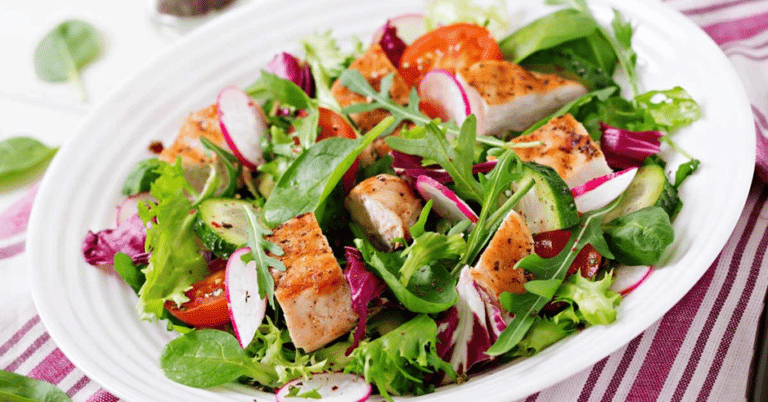
- Skinless chicken and turkey breast
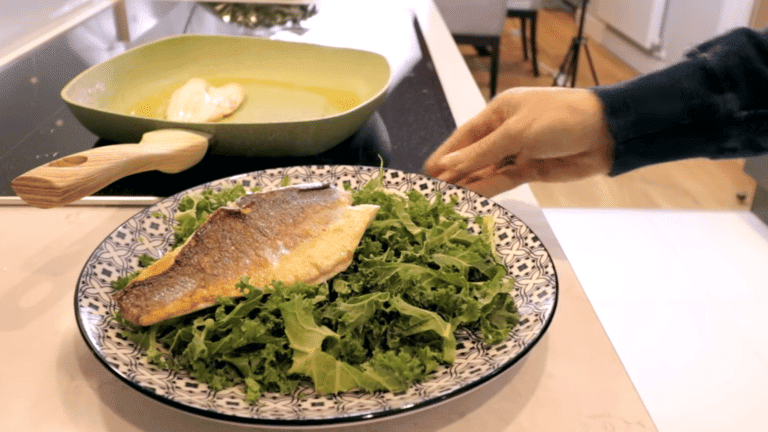
- White fish (cod, haddock, tilapia)
- Canned tuna packed in water
- Egg whites
- Tofu and tempeh
Vegetables
Basically any vegetable is fair game, especially:
- Leafy greens (spinach, kale, chard)
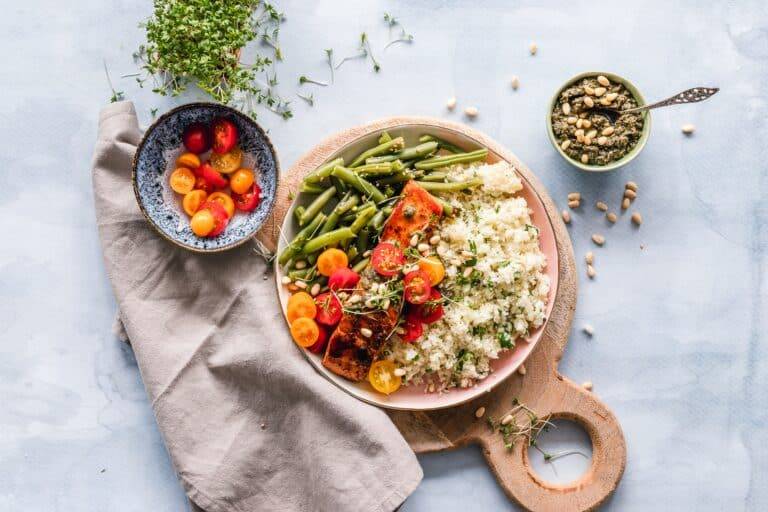
- Cruciferous (broccoli, cauliflower, cabbage, Brussels sprouts, bok choy)
- Root and starchy (sweet potatoes, carrots, beets)
- Celery, cucumbers, tomatoes, zucchini
Grains and legumes
- Brown rice, quinoa, farro
- Rolled or steel-cut oats
- Whole-grain bread and pasta (in moderation)
- Beans, lentils, chickpeas
Fruits
- Berries (blueberries, strawberries, raspberries)
- Apples, pears, bananas
- Oranges, tangerines, red grapes
Dairy and dairy alternatives
- Non-fat or low-fat Greek yogurt
- Cottage cheese (low-fat)
- Skim milk or plant milks (soy, almond, rice)
Fats (small amounts)
- MCT oil (coconut-derived, easier for a damaged pancreas to handle)
- Small amounts of olive oil
Drinks
- Plain water (the priority)
- Herbal tea
- Decaffeinated coffee, in moderation
- Clear broths
- Prescribed oral nutritional supplement drinks
Foods to Avoid
These push the pancreas harder or increase inflammation.
Alcohol (all of it)
Roughly 80% of chronic pancreatitis cases in adults trace back to alcohol. If you have pancreatitis, complete abstinence is the recommendation from every major GI society. This isn’t a “cut back” situation.
High-fat and fried foods
- Fried chicken, French fries, doughnuts, mozzarella sticks
- Bacon, sausage, hot dogs, most deli meats
- Butter, margarine, lard, ghee
- Cream, whole milk, cheese sauces, cream cheese
- Fatty cuts of red meat, duck, goose, lamb
Rich baked goods and sweets
- Croissants, muffins, biscuits, pastries
- Cakes, pies, cookies, brownies
- Ice cream, milkshakes, custard
Other items to limit or skip
- Whole eggs (yolk contains the fat; egg whites are fine)
- Organ meats
- Shellfish and dried fish
- Nut butters (small amounts may be fine, but they’re calorie-dense in fat)
- Avocado (high in fat, worth limiting)
- Refried beans (often cooked in lard)
- Sugary sodas, energy drinks, sweetened juices
- Regular coffee (in some patients, worth limiting)
Eat vs. Avoid: Side by Side
Save as PDF| Category | Choose | Avoid |
|---|---|---|
| Protein | Skinless poultry, white fish, egg whites, tofu, legumes | Bacon, sausage, fatty red meat, organ meat, fried fish |
| Dairy | Skim milk, low-fat Greek yogurt, cottage cheese, plant milks | Whole milk, cream, ice cream, cream cheese, cheese sauces |
| Fats | MCT oil, small amounts of olive oil | Butter, margarine, lard, fried oils, coconut cream |
| Grains | Brown rice, quinoa, oats, whole-grain bread | Croissants, biscuits, pastries, doughnuts |
| Vegetables | Leafy greens, cruciferous, root vegetables | Fried vegetables, cream-sauced veggies |
| Drinks | Water, herbal tea, broths | Alcohol, soda, energy drinks, sweet juices |
MCT Oil and Pancreatic Enzyme Replacement
Two tools deserve their own section because they change what’s possible on a pancreatitis diet.
MCT oil
Medium-chain triglycerides are shorter fat molecules that don’t need pancreatic enzymes to be absorbed. That makes them useful for people with chronic pancreatitis who struggle to get enough calories from regular fats. MCT oil can be added to smoothies, oatmeal, or salad dressings under a dietitian’s guidance. Start with small amounts (like a teaspoon) since larger doses can cause diarrhea.
Pancreatic enzyme replacement therapy (PERT)
PERT means taking prescription capsules containing lipase, amylase, and protease with meals. It’s a game-changer for people whose pancreas can no longer produce enough enzymes on its own. PERT allows more normal fat intake and helps prevent malnutrition and weight loss. Dosing is based on the fat content of each meal and requires medical supervision.
Frequently Asked Questions
How much fat can I eat with chronic pancreatitis?
Most guidelines suggest keeping total fat under 50 grams per day, spread across meals. Some patients tolerate more with PERT. Work with your dietitian to find your personal ceiling.
Can I ever drink alcohol again?
For most people with pancreatitis, especially alcohol-related pancreatitis, the recommendation is lifelong abstinence. Even small amounts can trigger a flare.
Is coffee safe with pancreatitis?
Small amounts of decaf are usually fine. Regular coffee affects people differently. If it triggers symptoms, cut it out or switch to herbal tea.
What about intermittent fasting?
Fasting patterns aren’t well studied in pancreatitis, and long gaps between meals can leave you undernourished. Most patients do better with smaller, more frequent meals. Talk to your gastroenterologist before trying any fasting protocol.
Can I eat gluten with pancreatitis?
Yes, unless you also have celiac disease or gluten intolerance. Whole grains are actually encouraged.
Do I need to take vitamins?
Chronic pancreatitis often causes deficiencies in fat-soluble vitamins (A, D, E, K) because they need pancreatic enzymes for absorption. Your doctor should check your levels and may prescribe supplements.
When can I return to a normal diet after an acute attack?
This is entirely up to your medical team. Some patients transition back within days, others take weeks. Rushing the process risks another attack.
Medical Disclaimer
Pancreatitis is a serious condition that requires professional medical care. This article is for educational purposes only and is not a substitute for personalized advice from a gastroenterologist and registered dietitian.
Nutritional needs, medication regimens (including pancreatic enzyme replacement), and dietary tolerances vary widely between patients. Do not use this guide to self-manage a suspected or diagnosed pancreatic condition.
If you’re experiencing severe abdominal pain, persistent vomiting, fever, or other symptoms of acute pancreatitis, seek emergency care immediately. Always talk to your doctor or registered dietitian before making changes to your diet or medications.