Medical Disclaimer: This article is for informational purposes only and is not a substitute for professional medical advice. The Sirtfood Diet is a popular commercial diet, not a clinically validated therapy.
Any weight loss on this diet comes from calorie restriction, not from “sirtuin activation.” Talk to a registered dietitian or physician before restricting calories aggressively, especially if you manage diabetes, take glucose-lowering or thyroid medication, are pregnant or nursing, have a history of disordered eating, or are underweight.
Nutrition values are estimates using USDA FoodData Central.
Sirtfood dinner recipes are built around foods rich in polyphenols and other plant compounds that the diet’s authors claim activate sirtuins, a family of proteins involved in cellular energy regulation.
The seven dinners below feature kale, buckwheat, red onion, walnuts, extra virgin olive oil, dark chocolate, and (optional) red wine. Each finishes in under 45 minutes and lands between 380 and 560 kcal per serving.
Weight loss on this diet is a calorie-restriction story; the polyphenol angle is interesting biology, not a proven fat-loss mechanism in humans.
Jump to a Recipe
What the Evidence Actually Says About Sirtfoods
Sirtuins are a family of NAD-dependent enzymes that help regulate cellular metabolism in animal studies. Certain plant polyphenols (resveratrol, quercetin, epigallocatechin gallate, curcumin) can activate sirtuins in cell cultures. That is where the diet’s marketing story lives.
A 2018 review by Rees and colleagues in the American Journal of Clinical Nutrition found that although polyphenol-rich diets show modest cardiometabolic benefits in randomized trials, there is no direct human evidence that “sirtuin activation” from food produces meaningful weight loss above and beyond the calorie deficit imposed by the diet plan.
The 7-pound-in-a-week claim from the original Sirtfood book comes from a phase where dieters eat 1,000 to 1,500 kcal per day, which is exactly the calorie restriction that would produce weight loss on any diet.
Bottom line: enjoy the food. It is genuinely nutrient-dense and lines up well with a Mediterranean pattern. Just do not believe that dark chocolate and red wine are burning fat for you.
Comparison Table
| Dinner | Calories | Protein | Cook time | Best for |
|---|---|---|---|---|
| Baked Turmeric Salmon | 460 kcal | 32 g | 25 min | Omega-3 focus |
| Buckwheat Kale Chicken | 430 kcal | 34 g | 35 min | Signature sirtfood plate |
| Miso Tofu with Sesame | 380 kcal | 22 g | 20 min | Vegan option |
| Shrimp Buckwheat Noodles | 510 kcal | 36 g | 25 min | Faster weeknight |
| Kale Walnut Shakshuka | 420 kcal | 22 g | 30 min | Vegetarian, one pan |
| Salmon Arugula Super Salad | 560 kcal | 34 g | 15 min | No cook, high energy |
| Turkey Buckwheat Bowl | 485 kcal | 38 g | 30 min | Higher-protein day |
The 7 Dinner Recipes
1. Baked Turmeric Salmon with Lentils and Tomato (460 kcal)
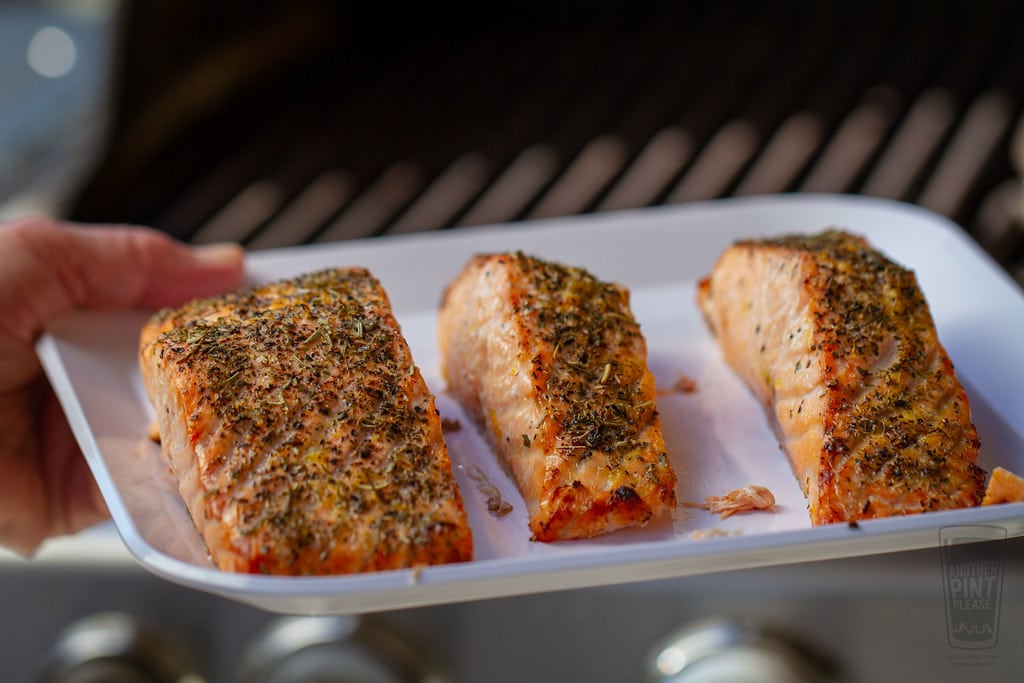
Nutrition (1 serving): 460 kcal, 32 g protein, 25 g carbs, 24 g fat.
Ingredients
- 2 salmon fillets (about 125 g each), skinned
- 1 tsp ground turmeric
- 1 tbsp extra virgin olive oil
- juice of 1/2 lemon
- 5 oz celery, sliced
- 2 tbsp cooked green lentils (canned is fine)
- 4 wedges ripe tomato
- 1 clove garlic
- 1 tsp fresh ginger
- 1 tsp mild curry powder
- 1 small red onion, finely chopped
- 1 bird’s eye chili (optional)
- 1/2 cup low-sodium vegetable stock
- chopped parsley to finish
Instructions
- Preheat oven to 200 C (400 F).
- Mix turmeric, olive oil, and lemon juice; rub over salmon.
- Warm 1 tsp olive oil in a wide pan, add onion, garlic, ginger, chili, and celery.
- Cook 3 minutes.
- Add curry powder, tomato wedges, lentils, and stock.
- Simmer 10 minutes.
- Meanwhile, place salmon on parchment and bake for 8 to 10 minutes until flaky.
- Stir parsley through the lentil pan and plate salmon over the top.
2. Buckwheat Kale Chicken with Salsa (430 kcal)
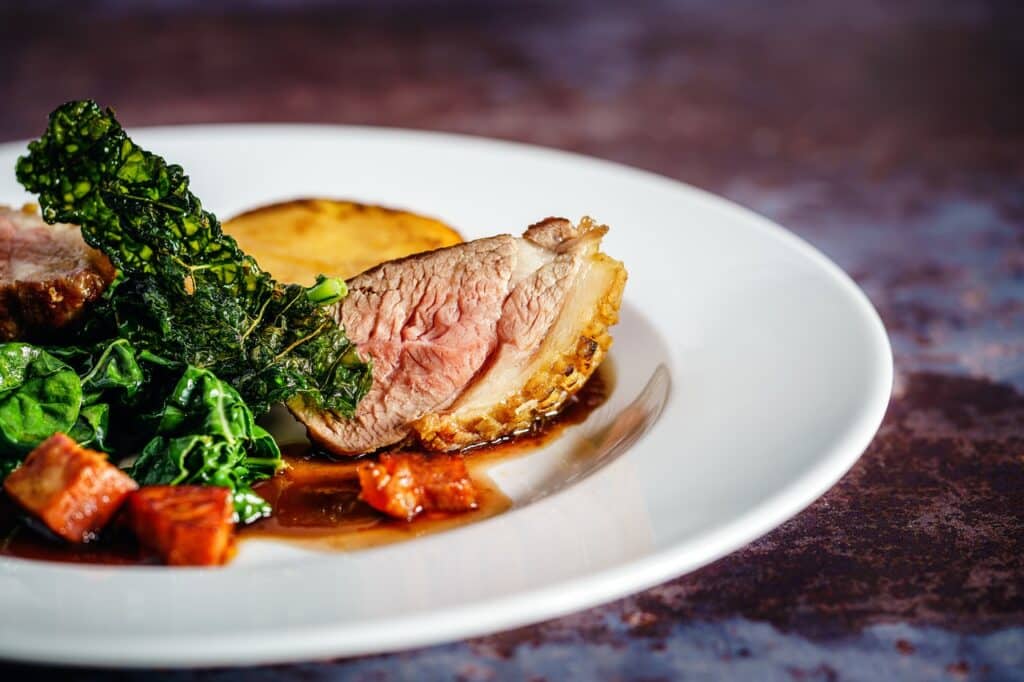
Nutrition (1 serving): 430 kcal, 34 g protein, 40 g carbs, 15 g fat.
Ingredients
- 2 boneless skinless chicken breasts (about 120 g each)
- 2 tsp ground turmeric
- 1 tbsp extra virgin olive oil
- juice of 1 lemon
- 1/3 cup dry buckwheat groats
- 2 large handfuls chopped lacinato kale
- 1/4 red onion, sliced
- 1 tsp fresh ginger, minced. Fresh salsa: 1 medium tomato, seeded and diced
- 2 tbsp finely chopped parsley
- 1 tbsp capers
- 1 red chili, minced
- juice of 1/4 lemon
Instructions
- Marinate chicken in turmeric, olive oil, and lemon juice for 10 minutes.
- Preheat oven to 220 C (425 F).
- Sear chicken 2 minutes per side, transfer to baking dish, and bake 10 to 12 minutes until 74 C (165 F) internal.
- Rest 5 min. Meanwhile, cook buckwheat per package directions.
- Steam kale 4 minutes.
- Sauté onion and ginger in 1 tsp olive oil, add drained kale, toss.
- Combine salsa ingredients.
- Plate: buckwheat, kale, sliced chicken, salsa on top.
3. Miso Tofu with Sesame and Broccoli (380 kcal, vegan)
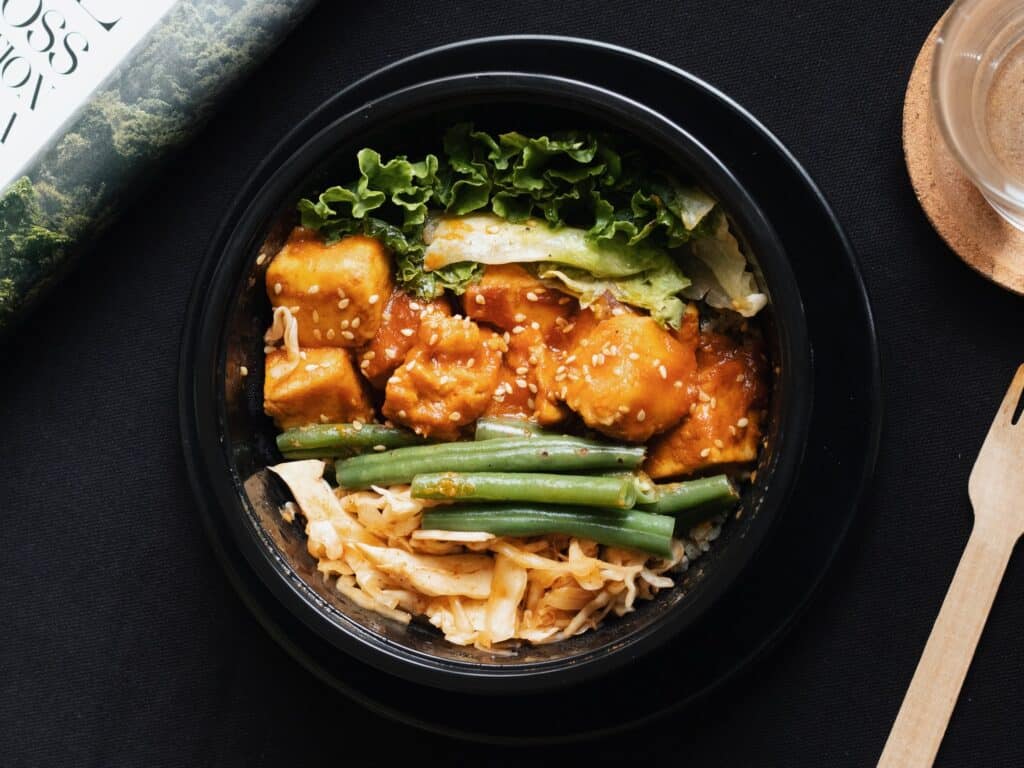
Nutrition (1 serving): 380 kcal, 22 g protein, 20 g carbs, 24 g fat.
Ingredients
- 300 g firm tofu, cubed
- 2 tbsp low-sodium soy sauce or tamari
- 1 tbsp white miso paste
- 2 tsp sesame oil
- 1 tbsp toasted sesame seeds
- 1 tbsp rice vinegar
- 1 head broccoli, cut into florets
- 1 clove garlic
- 1 tsp fresh ginger
- 1 tsp sesame oil for finishing
- 2 scallions, sliced
Instructions
- Whisk miso, soy sauce, rice vinegar, sesame oil, garlic, and ginger.
- Toss tofu in the marinade for 10 minutes.
- Heat a nonstick pan over medium-high, add tofu (reserve marinade), and pan-fry until golden on all sides, about 6 minutes.
- Steam broccoli for 4 minutes.
- Drizzle reserved marinade over tofu and broccoli, sprinkle sesame seeds and scallions, finish with a few drops of sesame oil.
4. Shrimp Buckwheat Noodles with Chili and Kale (510 kcal)
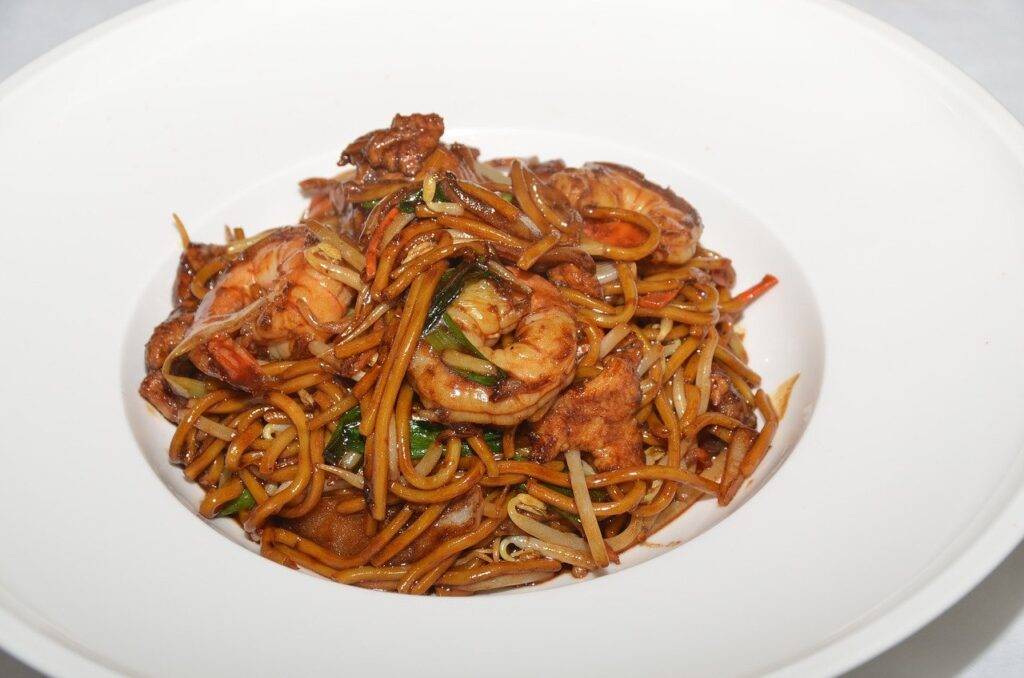
Nutrition (1 serving): 510 kcal, 36 g protein, 45 g carbs, 18 g fat.
Ingredients
- 8 oz raw shrimp, peeled and deveined
- 3 oz dry buckwheat (soba) noodles
- 2 tbsp extra virgin olive oil
- 2 tbsp low-sodium soy sauce
- 1 clove garlic, minced
- 1 tsp fresh ginger
- 1 bird’s eye chili, minced
- 1/4 red onion, sliced
- 1 stalk celery, sliced
- 1/2 cup chopped green beans
- 1 cup chopped kale
- 1/2 cup low-sodium chicken stock
Instructions
- Cook noodles 5 to 8 minutes; drain and rinse.
- Heat 1 tbsp olive oil over high heat.
- Sear shrimp with 1 tbsp soy sauce for 2 minutes until pink; set aside.
- In the same pan add remaining olive oil, garlic, ginger, chili, onion, celery, beans, and kale.
- Sauté 3 minutes.
- Add stock and simmer 3 minutes.
- Return shrimp and noodles to pan, toss with remaining soy sauce, and serve hot.
5. Kale Walnut Shakshuka (420 kcal, vegetarian)
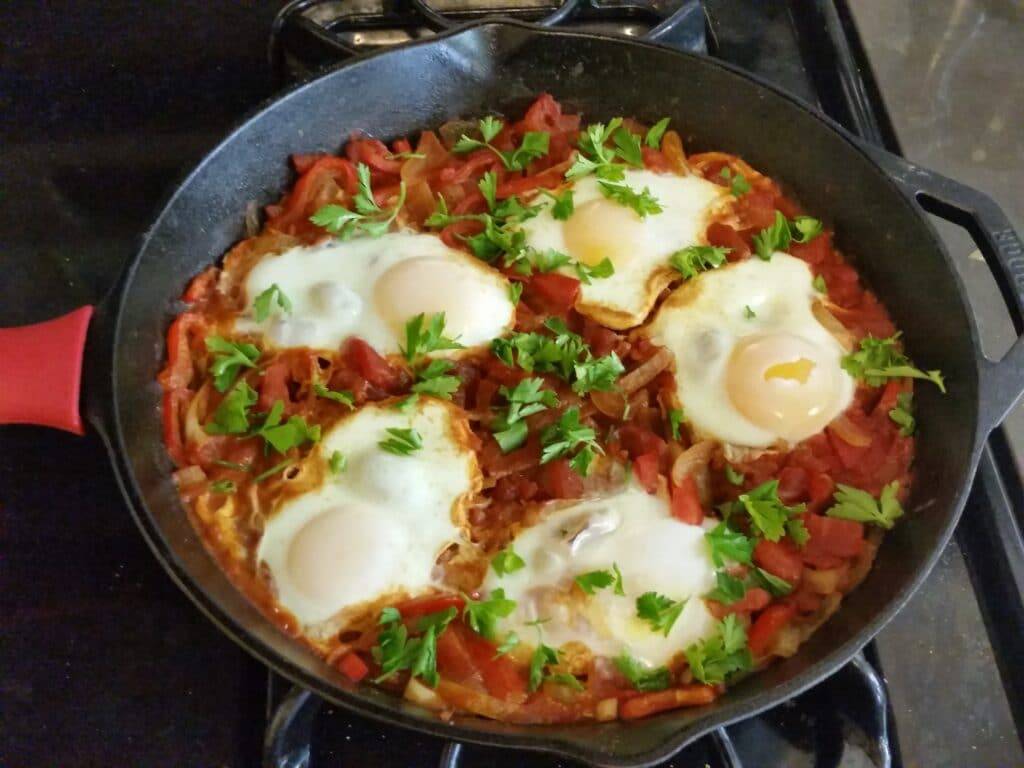
Nutrition (1 serving): 420 kcal, 22 g protein, 24 g carbs, 27 g fat.
Ingredients
- 1 tbsp extra virgin olive oil
- 2 medium red onions, finely chopped
- 1 clove garlic, minced
- 5 celery stalks, sliced
- 1 bird’s eye chili, minced
- 1 tsp ground cumin
- 1 tsp ground turmeric
- 2 tsp smoked paprika
- 1 can (400 g) chopped tomatoes
- 3 cups chopped kale
- 4 large eggs
- 2 tbsp chopped walnuts
- parsley to finish
Instructions
- Warm oil in a deep nonstick pan, sauté onion, celery, garlic, chili, and spices for 3 minutes.
- Add tomatoes, simmer 15 minutes.
- Stir in kale, cook 4 minutes until wilted.
- Make 4 wells in the sauce and crack an egg into each.
- Cover and cook 8 to 10 minutes until whites are set but yolks are still runny.
- Scatter walnuts and parsley, serve straight from the pan.
6. Salmon Arugula Super Salad with Dates and Walnuts (560 kcal, no cook)
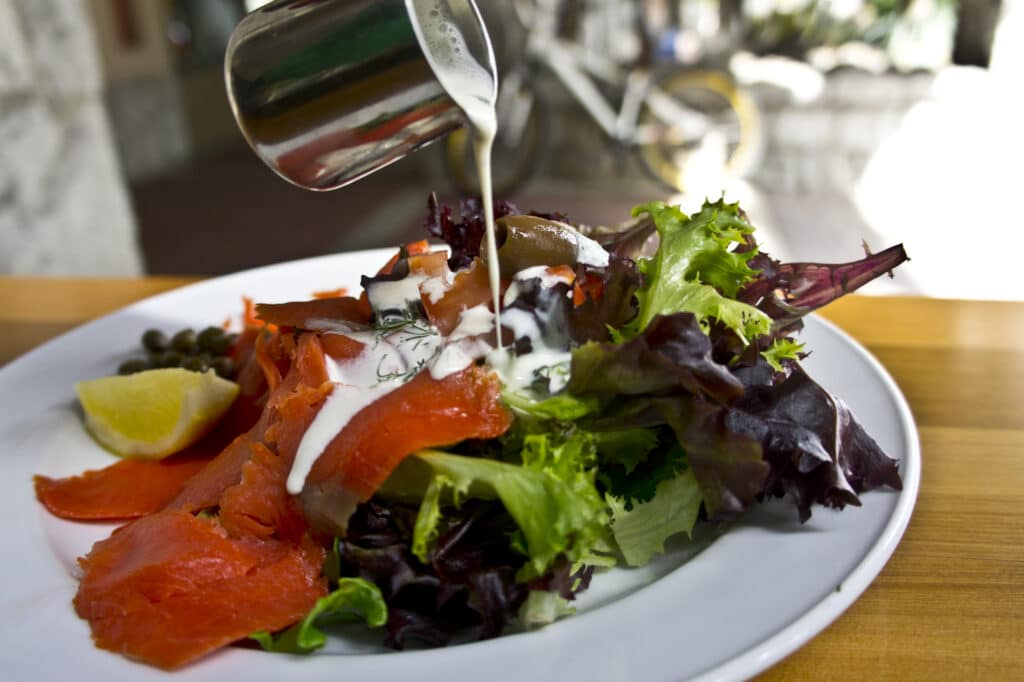
Nutrition (1 serving): 560 kcal, 34 g protein, 20 g carbs, 39 g fat.
Ingredients
- 6 slices smoked salmon (about 150 g total)
- 4 cups arugula
- 1 cup chicory or endive leaves
- 1/2 avocado, sliced
- 1/3 cup chopped walnuts
- 1 tbsp capers
- 2 pitted Medjool dates, chopped
- 1 cup parsley leaves
- 2 medium celery sticks, sliced
- 1/4 red onion, sliced
- 1 tbsp extra virgin olive oil
- juice of 1/2 lemon
- salt and freshly ground black pepper
Instructions
- Combine arugula, chicory, parsley, celery, red onion, dates, and capers in a serving bowl.
- Whisk olive oil, lemon, salt, and pepper.
- Dress the salad and toss.
- Top with smoked salmon, sliced avocado, and chopped walnuts.
7. Turkey Buckwheat Bowl with Turmeric and Peppers (485 kcal)
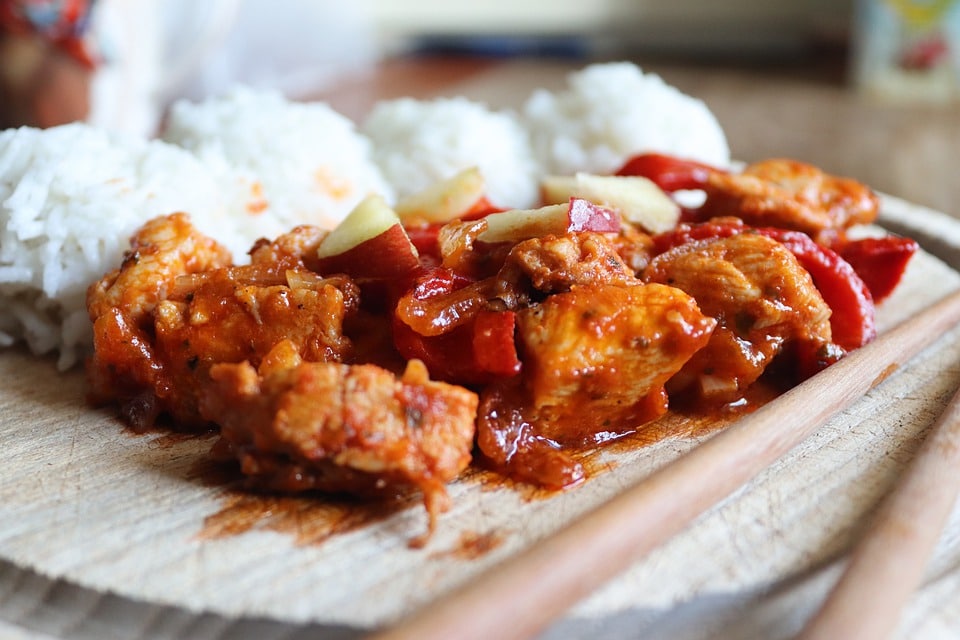
Nutrition (1 serving): 485 kcal, 38 g protein, 42 g carbs, 18 g fat.
Ingredients
- 250 g ground turkey (93 percent lean)
- 1 tbsp extra virgin olive oil
- 1 tbsp ground turmeric
- 1/2 tsp salt
- 1/2 tsp black pepper
- 1 red bell pepper, diced
- 1 yellow bell pepper, diced
- 1 clove garlic, minced
- 1/4 red onion, chopped
- 1/3 cup dry buckwheat groats
- 1 cup baby spinach
- parsley for garnish
Instructions
- Cook buckwheat per package directions.
- Toss turkey with turmeric, salt, and pepper.
- Warm olive oil over medium-high, sauté onion and garlic for 1 minute, add peppers and cook 4 minutes.
- Add turkey and cook, breaking apart, until no pink remains, 6 minutes.
- Stir in spinach until wilted.
- Serve over buckwheat with parsley.
How to Actually Use These Recipes
The Sirtfood Diet’s phase 1 is aggressive: 1,000 kcal per day for three days, then 1,500 kcal for four days, with sirtfood green juice on top.
That level of restriction is not sustainable or safe for most people without clinical supervision, and any weight loss during phase 1 is mostly water and glycogen depletion, not meaningful fat loss.
A more honest way to use these recipes:
- Slot them into a normal Mediterranean-style pattern. These dinners fit any healthy eating plan built on vegetables, fish, whole grains, and olive oil. They do not require you to follow the branded Sirtfood plan.
- Rotate them across a week. Two seafood dinners, one plant-based, one vegetarian egg dish, one poultry, plus a batch-cooked buckwheat side for leftovers.
- Skip the juice ritual. Cold-pressed greens juice adds 100 to 150 kcal without much satiety. It is easier to eat the same vegetables as part of the meal.
- Track calories honestly if weight loss is the goal. A 500 to 750 kcal daily deficit produces about 0.5 to 0.75 kg (1 to 1.5 lb) of fat loss per week. Aim for that ceiling, not the phase-1 crash.
Sirtfood Pantry Basics
- Kale (curly or lacinato). The signature sirtfood green. Steam or sauté briefly; overcooking turns it bitter.
- Buckwheat groats and soba noodles. Buckwheat is naturally gluten-free (despite the name) and cooks in about 15 minutes. Check soba noodle labels; many blend in wheat flour.
- Extra virgin olive oil. Look for unrefined, single-origin oil. Refined blends lose most of the polyphenol content.
- Walnuts. Toast lightly for the best flavor. Store in the freezer if you buy in bulk; the oils go rancid fast at room temperature.
- Dark chocolate (85 percent cocoa or higher). A 10 g square (about 60 kcal) is a reasonable evening addition. Milk chocolate is not a sirtfood.
- Turmeric. Fresh root has stronger flavor; dried powder is convenient. Pair with black pepper for slightly better curcumin absorption.
- Red onion, capers, parsley, red chili, ginger. The flavor backbone of many sirtfood plates.
Who Should Skip This Diet
The Sirtfood plan is not appropriate for:
- People with type 1 or type 2 diabetes on insulin or sulfonylureas (low-calorie phase 1 risks hypoglycemia)
- Pregnant or nursing women (calorie needs are higher, not lower)
- Anyone with a history of anorexia, bulimia, or binge eating disorder
- Adolescents and children (growing bodies need adequate energy, not restriction)
- Older adults at risk of sarcopenia (protein intake often falls short on 1,000 kcal days)
- People on thyroid medication (rapid weight changes can require dose adjustments)
- Anyone underweight or recovering from surgery or illness
If you want the nutritional benefits of these ingredients without the branded diet, cook the recipes and eat them at your normal calorie level. That is where the honest value lives.
The Sirtfood Ingredient List: What Is On It and What Is Not
The Sirtfood Diet’s authors, Aidan Goggins and Glen Matten, published a list of foods they claim are particularly rich in sirtuin-activating compounds. The full list circulates in different versions across their books and press coverage.
The core repeatedly named foods are: kale, buckwheat, dark chocolate, red wine, extra virgin olive oil, walnuts, red onion, parsley, arugula, capers, chili, strawberries, blueberries, turmeric, matcha green tea, dates, soy, and coffee.
If you cook with these ingredients regularly, you are eating a “sirtfood diet” by their definition, whether you follow the phase 1 restriction plan or not.
What is not on their list: refined grains, sugary drinks, most processed foods, industrial seed oils, and ultra-processed snacks. That is honest advice on its own, whether or not you buy the sirtuin story.
Cutting refined sugar and processed food while eating more olive oil, greens, legumes, and fish will benefit almost anyone.
How Much Fish and Meat Belongs in a Sirtfood Week?
The Sirtfood Diet does not restrict animal protein categorically, but many of the branded recipes are heavy on salmon and shrimp. For balance across a week:
- Fatty fish (salmon, sardines, mackerel) twice per week aligns with the American Heart Association recommendation for omega-3 EPA and DHA intake
- Poultry (chicken, turkey) as a moderate weekly staple, 2 to 3 servings
- Red meat once per week or less, following Mediterranean pattern guidance
- Plant proteins (tofu, tempeh, lentils, chickpeas) filling in the remaining slots
The vegan miso tofu (recipe 3) and vegetarian kale walnut shakshuka (recipe 5) let you cover multiple weeknight dinners without meat while still landing squarely inside the sirtfood pantry.
Sample 5-Day Dinner Rotation
If you want a lower-stress week that ticks the sirtfood boxes without following the branded phase-1 restriction, this rotation works. It hits salmon twice, uses two vegetarian nights, one shrimp dinner, and finishes with a no-cook option:
- Monday: Baked Turmeric Salmon with Lentils (recipe 1). Batch-cook 1 cup buckwheat while the salmon roasts to have grains ready for later in the week.
- Tuesday: Miso Tofu with Sesame and Broccoli (recipe 3). Vegan, 20 minutes.
- Wednesday: Shrimp Buckwheat Noodles with Chili and Kale (recipe 4). Fast weeknight; use the leftover buckwheat noodles if you cooked extra Monday.
- Thursday: Kale Walnut Shakshuka (recipe 5). One-pan vegetarian dinner. Serve with a wedge of dense whole grain bread if you want extra volume.
- Friday: Salmon Arugula Super Salad (recipe 6). No cooking. Ideal for late-night arrivals home.
Save Saturday for a Buckwheat Kale Chicken plate (recipe 2) with more time to marinate. Sunday: batch-cook lentils and buckwheat for the following week.
Common Sirtfood Recipe Mistakes
- Overcooking kale. Kale needs 3 to 5 minutes maximum, steamed or sautéed. Longer and it turns bitter and grey. Add it near the end of the cook, not the start.
- Under-marinating turmeric proteins. Turmeric flavor develops with a rest. Fifteen minutes minimum for chicken, salmon, or tofu; overnight is better if planned.
- Buying old buckwheat. Rancid groats taste bitter and soapy. Buy from a store with high turnover; smell before cooking.
- Skipping the black pepper with turmeric. Piperine in black pepper increases curcumin bioavailability by roughly 2,000 percent in isolated studies. The effect at food-level doses is modest but real. Add a pinch to any turmeric preparation.
- Using refined “light” olive oil. The polyphenols associated with olive oil‘s health effects are in unrefined extra virgin oil. If you cook with pale, mild-tasting oil, you are missing the point.
Frequently Asked Questions
Do sirtfoods actually activate sirtuins in the body?
Certain polyphenols in these foods activate sirtuins in cell culture and animal studies. Whether that effect translates to meaningful metabolic change in humans eating normal portions is not established.
Weight loss on the Sirtfood Diet reflects calorie restriction, not a special metabolic pathway.
Will I lose 7 pounds in the first week?
The 7-pound claim from the original Sirtfood book is mostly water and glycogen loss, which is what happens on any 1,000 kcal per day plan. Sustained fat loss runs 0.5 to 1 kg (1 to 2 lb) per week at a healthy deficit.
Is red wine really a sirtfood?
Red wine contains resveratrol, which is one of the polyphenols the diet spotlights.
However, the doses that show sirtuin activation in studies are far above what any reasonable serving of wine provides. Alcohol has its own health costs, and current evidence does not support drinking wine for polyphenol benefits.
If you drink, keep to national guidelines (up to 1 drink per day for women, 2 for men in the US, less in the UK).
Can I do the Sirtfood Diet if I am vegan or vegetarian?
Yes. Replace salmon and turkey with tofu, tempeh, lentils, or chickpeas. The kale walnut shakshuka above is vegetarian and the miso tofu is vegan out of the box. Protein intake needs closer attention on the low-calorie phase, so track it.
How long is buckwheat good for?
Raw groats keep 6 to 12 months in a sealed container. Cooked buckwheat holds 3 to 4 days in the fridge and freezes well for a month. It is a good weekly batch-cook.
Is dark chocolate a healthy dinner dessert?
A 10 to 20 g square of 85 percent dark chocolate is a reasonable end to a sirtfood meal. It has flavanols that support endothelial function in short-term trials. Portion is the point; a full bar is 500 to 600 kcal.
Can I skip the buckwheat and use rice or quinoa?
You can, but the sirtfood story specifically features buckwheat for its rutin (a flavonoid). Quinoa is a nutritious substitute; white rice is not on the sirtfood list. Neither swap materially changes the health value of the meal.