Read this first. “Leaky gut syndrome” is not a recognized medical diagnosis and doesn’t appear in any mainstream diagnostic manual.
Increased intestinal permeability (the actual physiological process) is real and measurable, but it usually shows up as a feature of other conditions like inflammatory bowel disease, celiac disease, NSAID-related injury, and severe infection.
It is not a standalone illness that supplement protocols reliably fix. If you have persistent digestive symptoms (blood in stool, unintended weight loss, chronic pain, severe fatigue), please see a gastroenterologist for a real workup.
Don’t self-diagnose “leaky gut” or start restrictive elimination diets without guidance. This article is nutrition education, not medical advice.
The Leaky Gut Diet: What the Science Actually Says
You’ve probably seen “leaky gut” blamed for everything from bloating and fatigue to eczema, autoimmune disease, brain fog, and weight gain. Some of that story is grounded in real gut biology. A lot of it isn’t.
Here’s the honest version. Your intestinal lining is a single layer of cells stitched together by tight junction proteins. Those junctions can loosen. When they loosen enough, the barrier lets through things it shouldn’t, and that’s what researchers mean by “increased intestinal permeability.” Whether this happens as a primary cause of vague symptoms in otherwise healthy people, or whether it’s a downstream effect of underlying disease, is still an open scientific question (Camilleri, 2019).
What follows is a look at what “leaky gut” actually means, what really influences the gut barrier, and a Mediterranean-style eating pattern (with a 7-day meal plan) that supports gut health without making promises the science can’t back up.
What’s on This Page
- What “leaky gut” actually means
- Symptoms attributed to leaky gut
- What can increase intestinal permeability
- Foods to lean into
- Foods to limit
- Foods to include vs limit (table)
- 7-day sample meal plan
- FAQ
- References
What “Leaky Gut” Actually Means
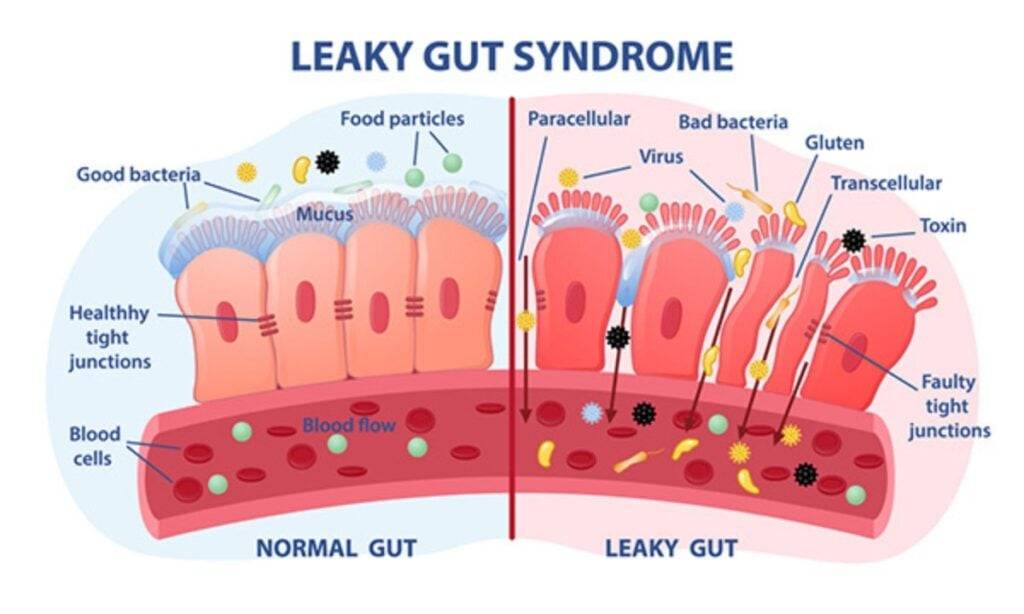
Your small intestine is lined with a single layer of cells (enterocytes) held together by protein complexes called tight junctions. Together, they form a selective barrier: nutrients and water pass through, larger molecules and bacteria don’t.
Tight junctions aren’t static gaskets. They open and close in response to signals, and researchers can quantify how “leaky” the barrier is with tests like the lactulose/mannitol urinary ratio or serum zonulin (Odenwald and Turner, 2013). Increased permeability has been documented in inflammatory bowel disease (IBD), celiac disease, environmental enteropathy, NSAID-induced enteropathy, and severe sepsis.
What’s less clear: whether “leaky gut” is a self-standing condition that causes symptoms in otherwise healthy adults, and whether treating the permeability itself (rather than the underlying trigger) actually improves outcomes. Camilleri’s 2019 review in Gut concluded that most patients presenting with generic bloating, fatigue, or brain fog don’t need a leaky-gut workup, and that the marketing around the term has outpaced the clinical evidence (Camilleri, 2019).
Symptoms Attributed to Leaky Gut
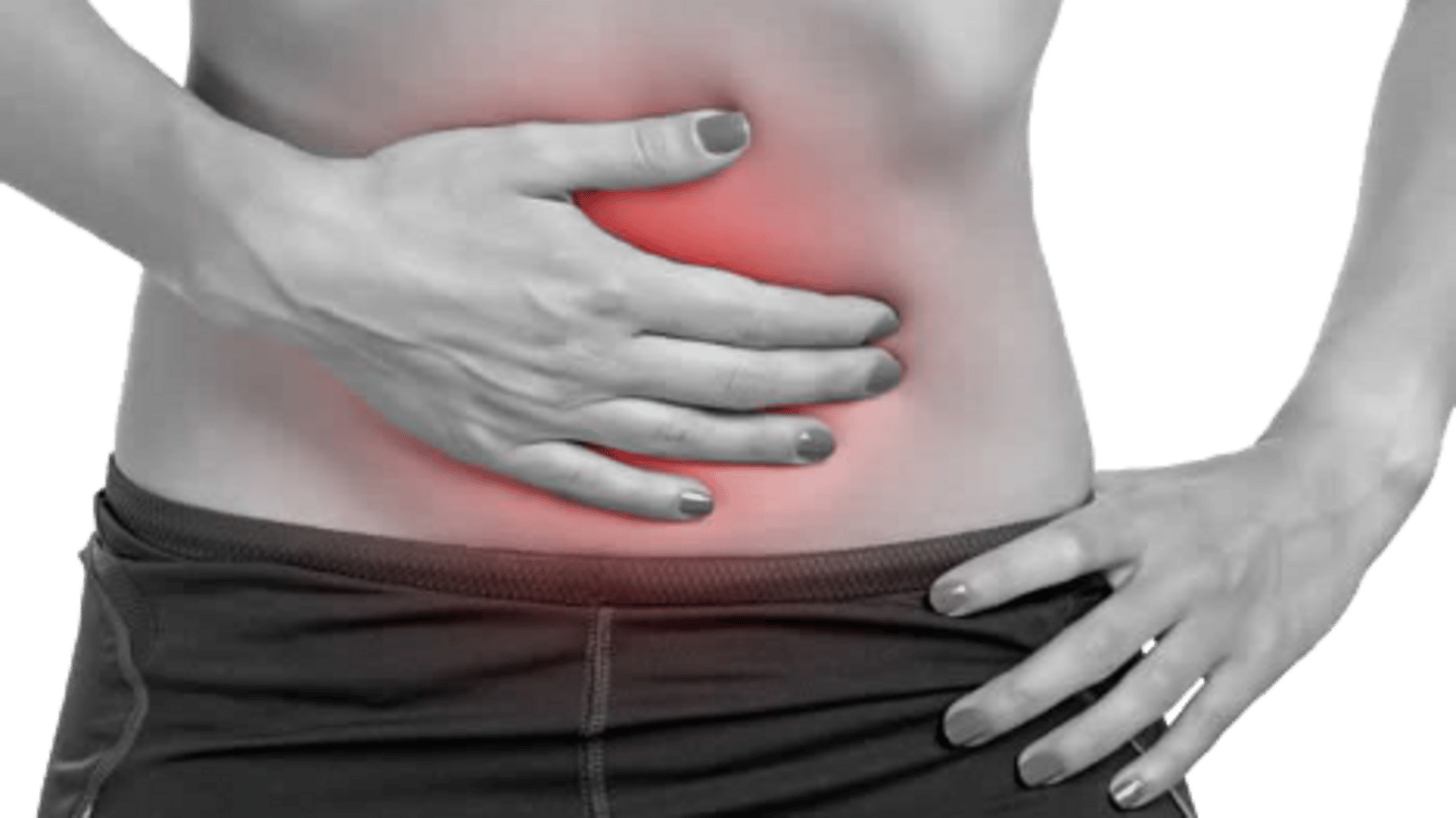
Because the “leaky gut” label is used loosely, the list of symptoms tied to it is enormous. Commonly cited ones include:
- Bloating, gas, and abdominal cramping
- Diarrhea or constipation
- Fatigue and low energy
- Brain fog
- Food sensitivities
- Skin issues like eczema or acne
- Joint pain and frequent headaches
- Unusual food cravings and mood changes
The problem: this list overlaps with irritable bowel syndrome, food intolerances, thyroid dysfunction, depression, chronic stress, and dozens of other issues. So even if you tick every box, “leaky gut” isn’t a shortcut diagnosis. Some of these deserve a real medical workup.
Red-flag symptoms (blood in stool, unintended weight loss, nighttime pain, fever, or persistent vomiting) always deserve a doctor’s visit, not a supplement stack.
What Can Increase Intestinal Permeability
These are the drivers the research actually supports as capable of loosening tight junctions or damaging the intestinal barrier.
Diet quality

A pattern high in ultra-processed foods, refined sugars, alcohol, and low in fiber is associated with less diverse gut microbiomes and, in some studies, higher permeability markers. A high-quality, high-fiber pattern like the Mediterranean diet is linked to healthier microbiome composition and lower systemic inflammation (De Filippis et al., 2016).
Certain medications

NSAIDs (ibuprofen, naproxen, aspirin at analgesic doses) can damage the small intestinal lining even at typical doses. This is well documented and dose-related (Bjarnason et al., 2018). Frequent antibiotic courses disrupt the microbiome, and long-term proton pump inhibitor use can shift gut flora too. None of this means these drugs are unsafe when they’re needed. It does mean that casual, chronic use isn’t consequence-free.
Chronic stress and poor sleep

The gut-brain axis is real. Prolonged stress and elevated cortisol affect gut motility, secretion, and barrier function in animal studies and some human data. Sleep debt makes it worse. Basic sleep hygiene and stress management aren’t glamorous, but they matter.
Heavy alcohol use
Alcohol is one of the better-documented barrier disruptors. Regular heavy intake damages the intestinal lining directly and shifts the microbiome in unfavorable directions. Moderation is the lever.
Underlying disease
Celiac disease, Crohn’s, ulcerative colitis, and certain infections directly damage the intestinal barrier. If you have any of these, care starts with treating the underlying disease, not with generic “gut healing” supplements. Ask your gastroenterologist first.
Foods to Lean Into
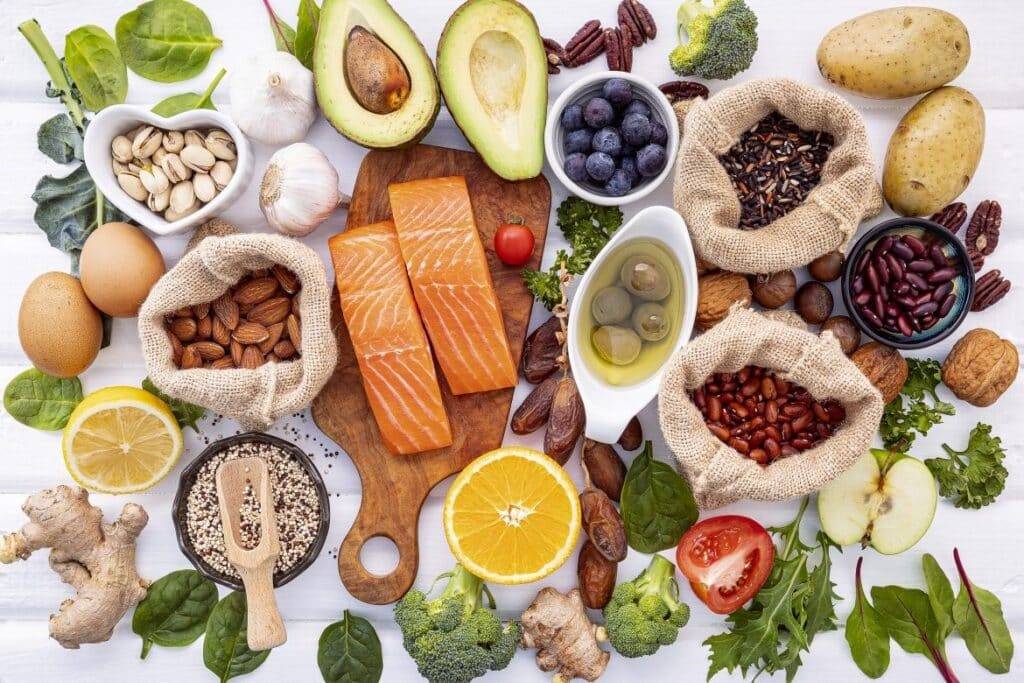
There’s no proven “leaky gut cure diet,” and no single food closes tight junctions on demand. What works is the boring answer: an anti-inflammatory, mostly whole-foods pattern, roughly Mediterranean, rich in fiber and polyphenols, with fermented foods for microbial variety. This pattern is consistently linked to better microbiome diversity and lower inflammation (De Filippis et al., 2016; Wells et al., 2017).
Fruits
- Berries (blueberries, raspberries, strawberries)
- Oranges and lemon
- Bananas
- Papaya, passion fruit, pineapple, kiwi
- Grapes
Vegetables
- Broccoli, Brussels sprouts, cabbage
- Carrots, zucchini, squash
- Kale, Swiss chard, spinach
- Potatoes and sweet potatoes
Fatty fish
- Wild salmon
- Sardines
- Herring
- Tuna (see the fatty fish list)
Lean meats and eggs
- Eggs
- Lean cuts of chicken, turkey, beef, and lamb
Fermented and probiotic-rich foods
- Plain Greek yogurt and kefir
- Traditional buttermilk
- Kimchi and sauerkraut
- Miso and tempeh
Nuts, seeds, and legumes
- Chia seeds, flaxseed, walnuts, almonds, cashews
- Black beans, lentils, chickpeas
Whole grains (gluten-free if you have celiac)
- Oats, quinoa, brown rice
- Buckwheat, sorghum, teff, amaranth
Healthy fats and beverages
- Extra-virgin olive oil, avocado, avocado oil
- Water, unsweetened tea, bone broth, kombucha
Foods to Limit

None of these are toxic in small amounts. The point is to keep them from crowding out whole foods.
- Alcohol (a well-documented barrier disruptor at higher intakes)
- Sugar-sweetened beverages and heavily sweetened baked goods
- Ultra-processed snack foods with long ingredient lists
- Fried takeout eaten regularly
- Gluten-containing grains only if you have celiac disease or a confirmed wheat allergy (gluten is fine for the general population)
- Any specific food that reliably triggers your own symptoms
Foods to Include vs Foods to Limit
| Category | Lean in | Limit |
|---|---|---|
| Carbohydrates | Oats, quinoa, brown rice, sweet potatoes, whole fruit | Refined sugar, soda, pastries, white flour products |
| Protein | Eggs, fish, chicken, turkey, legumes, plain yogurt | Processed deli meats and hot dogs, daily |
| Fats | Olive oil, avocado, nuts, seeds, fatty fish | Fried takeout, partially hydrogenated oils |
| Drinks | Water, herbal tea, kombucha, bone broth | Alcohol, sugary sodas, sweetened coffee drinks |
| Fermented | Kefir, kimchi, sauerkraut, miso | Sweet “probiotic” drinks loaded with added sugar |
7-Day Sample Meal Plan
Use this as a template, not a prescription. Adjust portions to your appetite and calorie needs, and swap in foods you’ll actually eat. If dairy doesn’t sit well with you, switch to unsweetened plant-based versions with live cultures.
Day 1
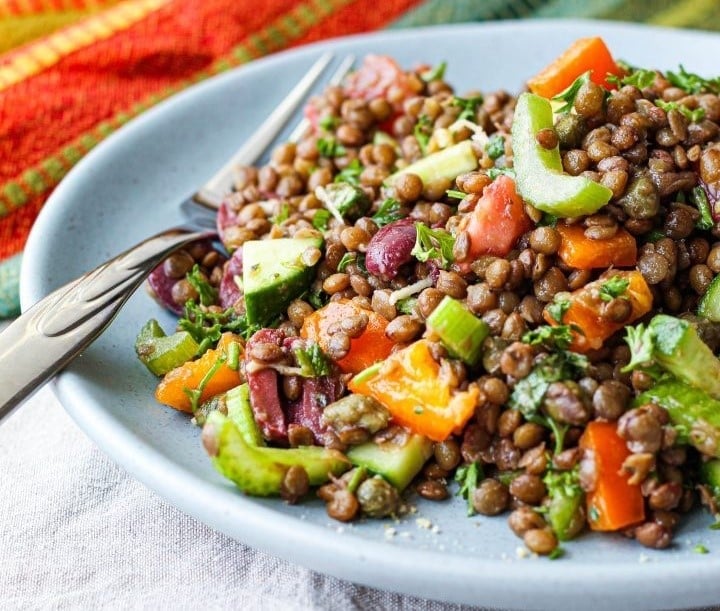
- Breakfast: Greek yogurt with orange wedges and a small pumpkin muffin
- Lunch: Mediterranean lentil salad
- Dinner: Vegetable tortilla soup with cinnamon apple slices
- Snack: Fresh fruit
Day 2
- Breakfast: Kefir with banana and muesli
- Lunch: Rosemary chickpeas with whole-grain pasta
- Dinner: Broiled salmon with roasted vegetables
- Snack: A handful of nuts
Day 3
- Breakfast: Blueberry smoothie bowl
- Lunch: Veggie-stuffed squash
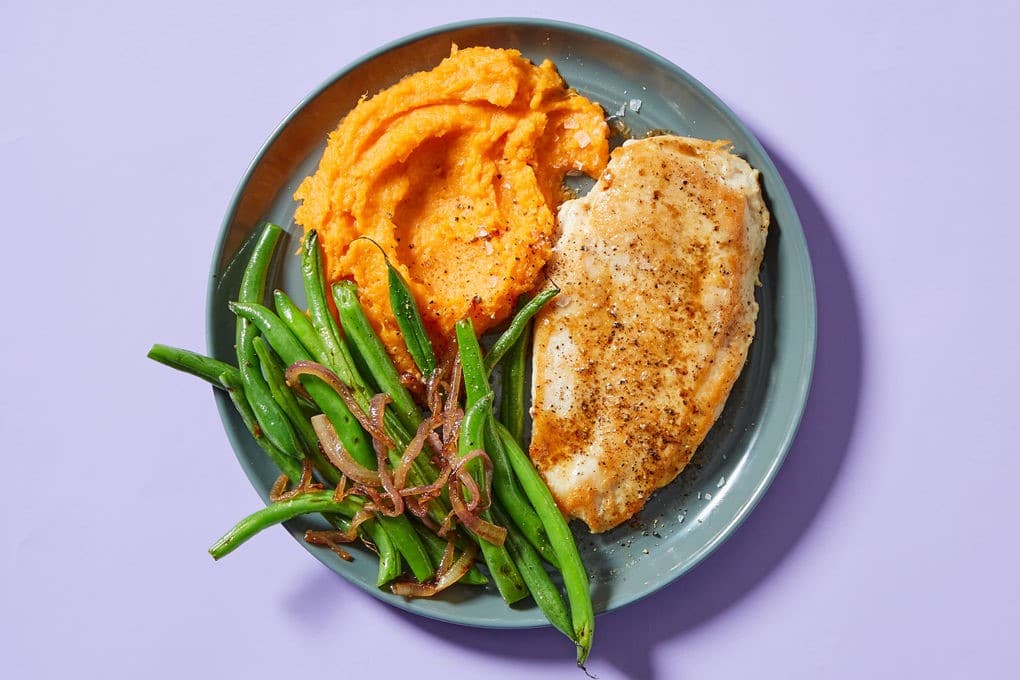
- Dinner: Roast chicken with baked sweet potato and green beans
- Snack: Bone broth
Day 4
- Breakfast: Two eggs with sautéed greens and roasted potatoes
- Lunch: Turkey wraps with fruit on the side
- Dinner: Roast fish with butternut squash and green salad
- Snack: Veggie sticks with hummus
Day 5
- Breakfast: Oatmeal with fruit
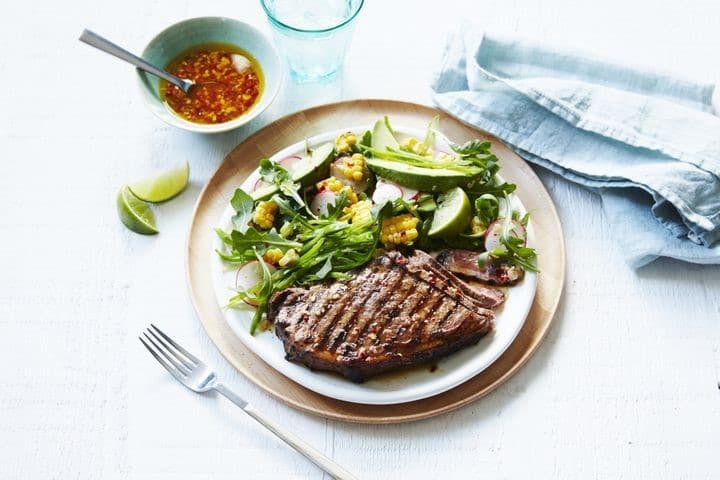
- Lunch: Green salad with tuna, avocado, and homemade vinaigrette
- Dinner: Beef chili with a side salad and avocado slices
- Snack: Blended fruit with kefir
Day 6
- Breakfast: Tofu-kimchi bowl with whole-grain toast
- Lunch: Mediterranean chicken wrap with a quinoa side
- Dinner: Broiled salmon with spinach and fresh fruit
- Snack: A frozen banana blended into “nice cream” with a bit of mint
Day 7
- Breakfast: Scrambled eggs with asparagus and a strawberry smoothie
- Lunch: Hummus pita pockets with roasted veggies
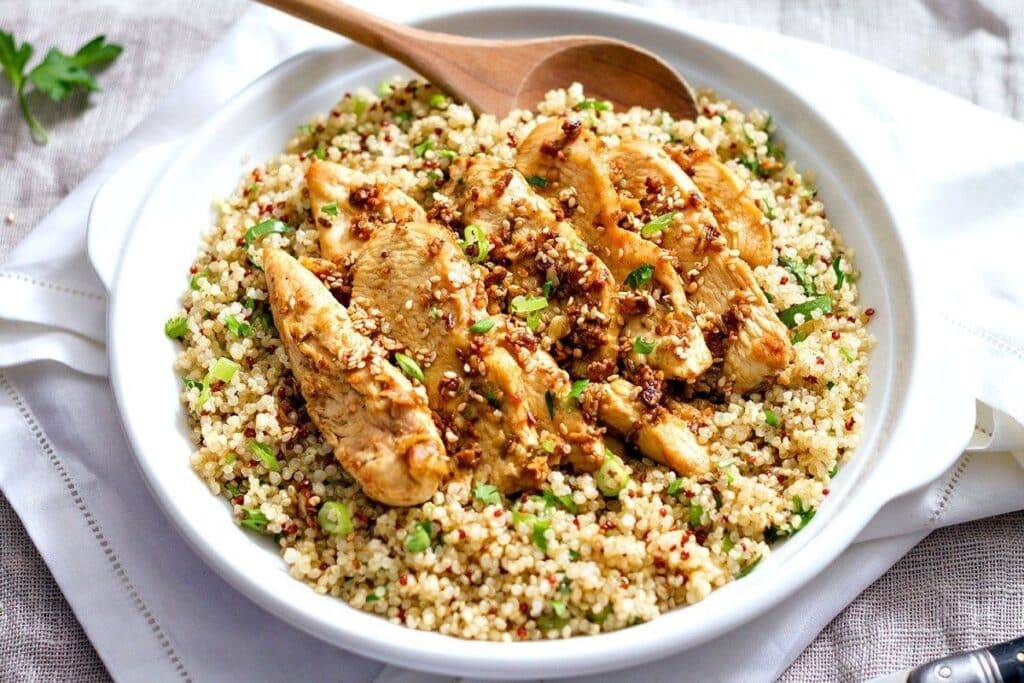
- Dinner: Toasted quinoa with chicken and vegetables
- Snack: Lemon-lime energy bars
If you want a more structured version of this eating pattern, our vegetarian Mediterranean diet guide is a solid starting point.
FAQ
Is leaky gut real?
Increased intestinal permeability is real and measurable. “Leaky gut syndrome” as a standalone diagnosis is not in the ICD-10 or any major diagnostic manual. Permeability changes usually reflect an underlying issue (celiac, IBD, NSAID injury, infection), so the smart move is treating the cause, not chasing the label.
Are the at-home “leaky gut” tests reliable?
Most direct-to-consumer tests (zonulin panels, IgG “food sensitivity” tests) have poor evidence for accurately diagnosing anything actionable. Legitimate research uses lactulose/mannitol ratios under standardized conditions. If you have real symptoms, a gastroenterologist can order what’s actually indicated.
Can a specific diet “fix” leaky gut?
No single diet has been shown to close tight junctions on command. A Mediterranean-style, high-fiber, mostly whole-foods pattern is consistently linked to better gut and cardiometabolic health. That’s the reliable move; there’s no shortcut.
What about glutamine, collagen, or “gut-healing” supplements?
Evidence in healthy adults is weak. L-glutamine has some data in critically ill patients and in athletes with very heavy training loads, but that doesn’t extrapolate to healthy people with occasional bloating. Save your money for good food.
Should I stop taking NSAIDs?
Not unilaterally. NSAIDs are useful drugs for pain and inflammation and are often necessary. What matters is not using them casually for weeks on end without a plan, and talking to your doctor if you take them frequently or notice GI symptoms.
Do I need to avoid gluten?
Only if you have celiac disease, non-celiac gluten sensitivity confirmed by a clinician, or a wheat allergy. For most people, gluten-containing whole grains are fine and provide fiber. Going gluten-free “just in case” usually means swapping whole-grain bread for highly processed gluten-free versions, which isn’t an upgrade.
When should I see a doctor?
Any red-flag symptom: blood in stool, unintended weight loss, chronic diarrhea, nighttime pain, fever, persistent vomiting, or symptoms severe enough to affect daily life. Also worth a visit if you’ve been chasing “leaky gut” for months with restrictive diets and you’re not better. That could be IBS, SIBO, celiac, IBD, or something else that needs a real workup, not another elimination protocol.