Short answer: You do not need to starve to lose weight. The strategies with the best evidence are eating protein at every meal, filling half the plate with low-calorie-density vegetables and fruit, sleeping at least 7 hours, walking daily, and adding 2 to 3 short strength sessions each week.
Higher protein intake improves appetite control and preserves lean mass while calories are lower(1).
Aggressive starvation approaches backfire because the body adapts by lowering metabolic rate more than expected, which is what happened to Biggest Loser contestants six years after their rapid weight loss(2).
This guide covers what “starvation mode” really means, seven evidence-based strategies that produce steady weight loss without hunger, a sample day, and the traps most people fall into when they try to speed things up.
Why starving yourself backfires
When calorie intake drops sharply, three things happen.
The body loses water and glycogen (fast weight loss on the scale, mostly not fat), lean muscle mass drops along with fat, and resting metabolic rate falls by more than the loss in body mass would predict, a phenomenon called adaptive thermogenesis(2).
Fothergill and colleagues followed 14 Biggest Loser participants for six years after the show and found their resting metabolic rates were still hundreds of calories per day lower than predicted for their body composition. Most had regained substantial weight.
Aggressive restriction also drives up hunger hormones like ghrelin and drops fullness hormones like leptin. That combination produces the classic pattern: a few dramatic weeks, then rebound eating, then weight regain plus a slower metabolism.
The alternative is a moderate calorie deficit (roughly 300 to 500 calories per day, which typically produces about 0.5 to 1 lb per week of weight loss) built around habits that reduce hunger rather than fight it.
7 strategies that lose weight without hunger
1. Anchor every meal with protein
Protein is the most satiating macronutrient and helps preserve lean mass while calories are lower. Heather Leidy and colleagues concluded in a 2015 review that higher-protein meals improve appetite control and reduce next-meal intake(1). A useful target for weight loss is roughly 0.7 to 1 gram of protein per pound of goal body weight per day, spread across meals.
Simple targets per meal: 25 to 40 grams of protein. That is 4 oz of chicken, salmon, or tofu; 1 cup of cottage cheese or Greek yogurt; 3 eggs; or a scoop of whey protein with milk. Snacks that hit 15 to 20 grams of protein (Greek yogurt, string cheese plus almonds, edamame, jerky) blunt the mid-afternoon hunger crash.
2. Fill half the plate with vegetables and fruit
Vegetables and fruits are high in water, fiber, and volume for very few calories. That is the mechanism behind the Volumetrics approach and Barbara Rolls’ work on energy density: people served meals with lower energy density ate significantly fewer calories without feeling hungrier(3). Non-starchy vegetables (leafy greens, broccoli, peppers, tomatoes, cucumbers, cauliflower, zucchini) are the highest-volume foods on the plate.
3. Do not skip meals if it makes you overeat later
Some people succeed with intermittent fasting or a smaller breakfast and a bigger lunch. Others get to 8 p.m. having eaten little all day and then eat 1,500 calories in an hour. Track how you actually feel and eat in the evening for a week. If skipping meals leads to reliable overeating later, do not do it. Meal timing matters less for weight loss than total daily intake.
4. Drink water first and default to water
A glass of water 15 to 30 minutes before meals can modestly reduce meal intake, particularly in older adults. More importantly, replacing sweetened drinks (soda, juice, sugary coffee, sports drinks, most alcoholic drinks) with water can cut 200 to 500 hidden calories a day. Liquid calories do not trigger meaningful fullness.
5. Sleep 7+ hours
Short sleep raises ghrelin, lowers leptin, and reliably increases next-day calorie intake, especially from high-carb snacks. A meta-analysis of sleep-restriction trials found people ate roughly 250 to 400 more calories per day under short sleep. Any weight-loss plan that does not protect sleep is fighting a headwind. Bedtime consistency and screen curfews are cheap and effective.
6. Walk daily, add strength 2 to 3 times a week
Daily walking (aim for 7,000 to 10,000 steps) burns calories, improves insulin sensitivity, and lowers cortisol without triggering the compensatory hunger that hard cardio sometimes does.
Strength training two or three times a week is the highest-leverage way to preserve muscle during a calorie deficit, which keeps your metabolic rate closer to predicted and helps you lose fat rather than lean tissue.
Two 30-minute sessions of basic compound lifts (squat, hinge, push, pull) is enough for most people.
7. Track for a week, not forever
You do not need to log food every day for the rest of your life. But 5 to 7 days of honest tracking, including drinks, oils, dressings, and bites while cooking, tells you where your calories actually come from. Most people are surprised. Fix the two or three biggest leaks and stop tracking.
Foods to lean on
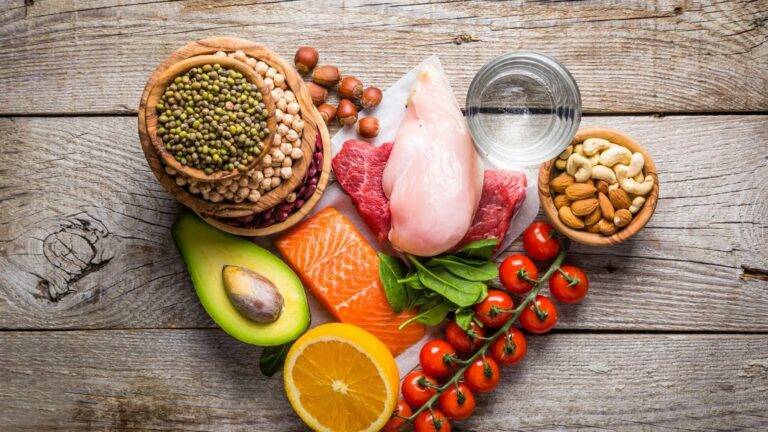
- Protein anchors: chicken breast, salmon, canned tuna, eggs, Greek yogurt, cottage cheese, tofu, tempeh, edamame, lean beef, pork tenderloin, whey or plant protein powder.
- Volume vegetables: leafy greens, broccoli, cauliflower, peppers, tomatoes, cucumbers, zucchini, mushrooms, celery, carrots, cabbage.
- Fruit: berries, apples, oranges, pears, melon, kiwi, grapefruit.
- Filling whole-food carbs: oats, potatoes, sweet potatoes, quinoa, brown rice, whole-grain bread, beans, lentils.
- Healthy fats in measured portions: olive oil, avocado, nuts and seeds, olives, fatty fish.
A no-starvation sample day (about 1,600 calories, 130 g protein)
- Breakfast: 3-egg veggie scramble in olive oil, one slice whole-grain toast, one cup berries, coffee with milk. (~450 cal, 30 g protein)
- Lunch: Big salad with 5 oz grilled chicken, mixed greens, tomatoes, cucumber, 1/2 cup chickpeas, 1/4 avocado, olive-oil-and-lemon dressing. (~550 cal, 45 g protein)
- Snack: 1 cup plain Greek yogurt with 3/4 cup berries. (~180 cal, 20 g protein)
- Dinner: Baked salmon (4 oz), medium baked potato with 1 tsp olive oil, large side of roasted broccoli and carrots. (~500 cal, 35 g protein)
Numbers will vary by body size, activity, and clinician guidance, but the shape (protein at every meal, high-volume vegetables, whole-food carbs, moderate fats) is what makes moderate calories feel like enough food.
Common traps that reinstate hunger
- Cutting calories too hard. A 700 to 1,000 calorie deficit produces short-term wins and long-term muscle loss and rebound. Aim for 300 to 500.
- Skipping breakfast just because. Fine if it works for you, harmful if it drives evening binges.
- Low-fat everything. Reducing fat below about 20% of calories often removes satiety. Prioritize protein and vegetables and let fats stay moderate.
- All-or-nothing thinking. One off-plan meal does not cancel a week of progress. The habit is what matters.
- Ignoring sleep and stress. These change how much you eat regardless of intent.
When to get personalized help
Talk with a registered dietitian, physician, or qualified clinician if you have diabetes, kidney or liver disease, an eating disorder history, are pregnant or breastfeeding, take medication for weight, appetite, or blood sugar, or have tried to lose weight repeatedly without success. Personalized plans are more effective than any generic guide, and some medications and conditions require calorie or macronutrient targets that are not covered here.
Bottom line
Weight loss that lasts comes from a moderate calorie deficit built with protein, volume, sleep, movement, and consistency, not from starvation. Rapid deprivation loses more muscle and water than fat and reliably rebounds. Slow is faster in the long run.
Frequently asked questions
Will skipping meals help me lose weight faster?
Sometimes short-term, rarely long-term. Total daily calories drive weight change. If skipping meals reliably leads to overeating later, it hurts more than it helps. If a fasting window works cleanly for you and you still eat enough protein, it can be part of a plan.
How many calories do I need to lose weight without starving?
Most adults land in a sustainable range of about 1,400 to 1,800 calories a day for weight loss, with women often nearer the lower end and men nearer the higher end. Very-low-calorie diets (under 1,200) are medically supervised and not appropriate for most people.
Is “starvation mode” real?
Metabolic adaptation is real. Resting metabolic rate falls more than body mass loss would predict, which is one reason very aggressive dieting produces poor long-term results(2). It is not a switch that stalls weight loss overnight; it is a gradual reduction that widens the gap between predicted and actual calorie burn.
Can I lose weight without exercise?
Yes, in the short term. Diet drives most weight loss. Adding daily walking and 2 to 3 strength sessions a week protects muscle, improves body composition, and makes weight loss more sustainable. Exercise is also the strongest predictor of keeping weight off.
How fast should I aim to lose weight?
About 0.5 to 1 pound per week is the range most guidelines call sustainable and safe for most adults. Faster is possible in the first weeks (mostly water) and sometimes appropriate under medical supervision, but rarely stays off.
Medical disclaimer: This article is for informational purposes only and is not a substitute for professional medical advice, diagnosis, or treatment. Talk with a registered dietitian, physician, or qualified healthcare provider before changing your diet, especially if you have a medical condition, take medication, are pregnant or nursing, or have a history of disordered eating. Individual results vary.
Medical Disclaimer: This article is for informational purposes only and is not a substitute for professional medical advice, diagnosis, or treatment. Always consult a qualified healthcare provider before making dietary changes, especially if you take medications or have a chronic condition.