How to Become a Nutritionist?
The term “nutritionist” is not regulated the same way in every U.S. state, and requirements for the Certified Nutrition Specialist (CNS) and other credentials change over time.

The term “nutritionist” is not regulated the same way in every U.S. state, and requirements for the Certified Nutrition Specialist (CNS) and other credentials change over time.
Becoming a Registered Dietitian Nutritionist (RD or RDN) in the United States now takes a graduate degree. Since January 1, 2024, the Commission on Dietetic Registration (CDR) has required a minimum of a master’s degree, completion of an ACEND-accredited program,…
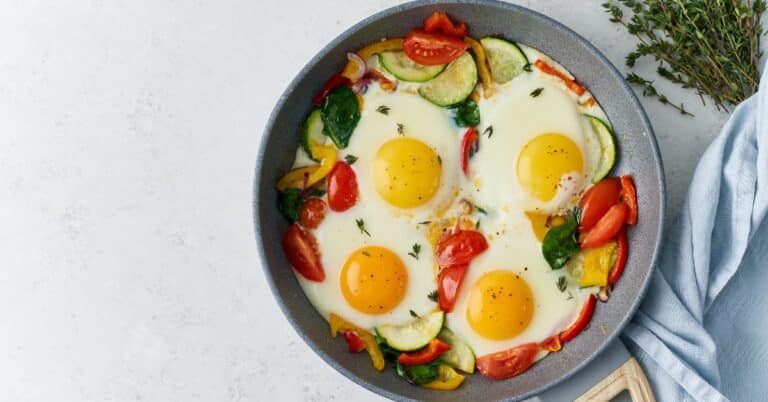
A single pan or skillet! 6 essential ingredients and almost no dishes. A health bomb that will cook quickly. If there are family members who don’t like zucchini, it will smell good enough to attract even their attention.
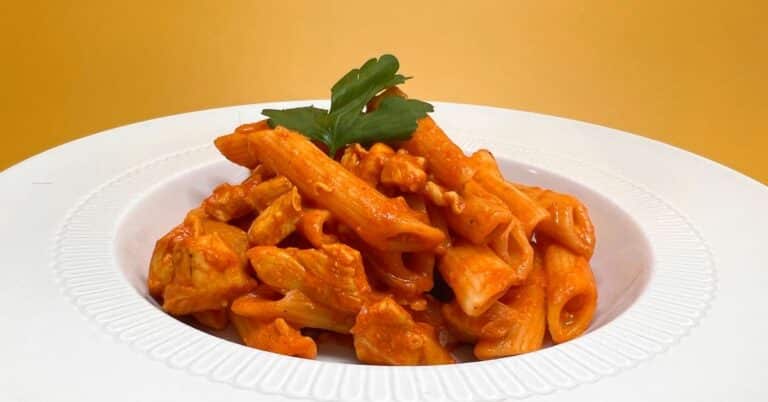
This creamy butter chicken pasta clocks in at 485 calories per serving with a striking 42 grams of protein, only 8 grams of fat, and 55 grams of complex carbs. It is aimed at anyone who wants restaurant-style creamy pasta…
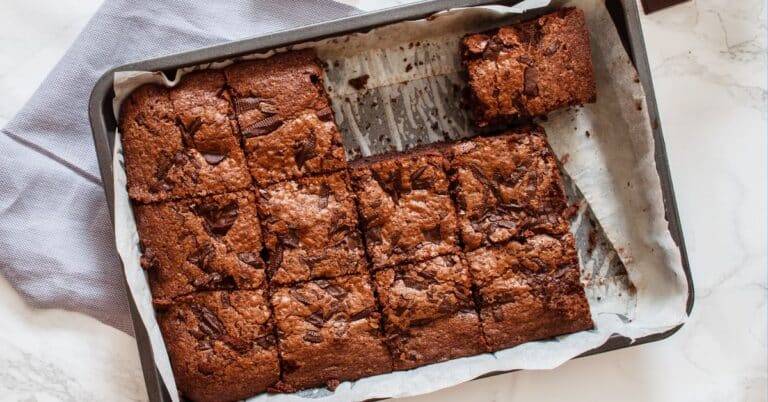
This vegan brownie leans hard into Turkish coffee for a dark, almost espresso-forward flavor that mellows the chocolate rather than competing with it. The finely ground Turkish coffee dissolves into the batter and delivers a smooth, bitter depth without any…
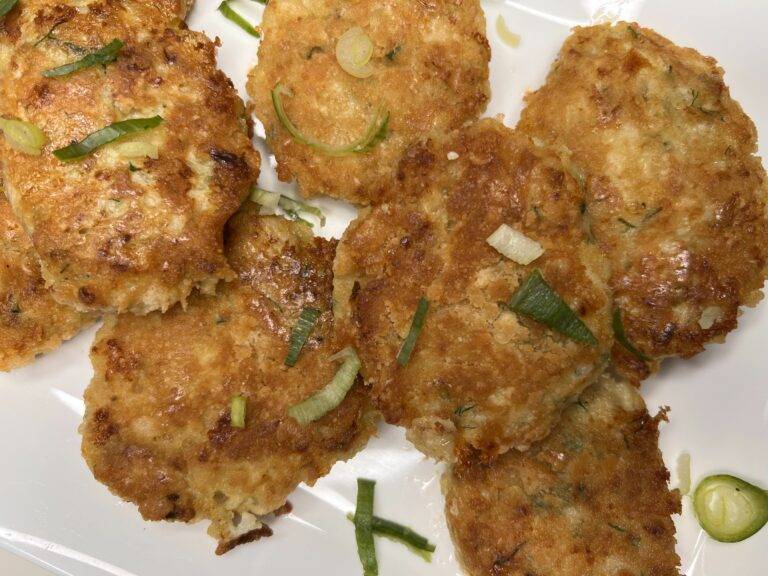
The cauliflower meatball recipe uses fresh greens, boiled and squeezed cauliflower, eggs, a small amount of flour, grated cheddar cheese, and lots of spices. Although deep-frying them in egg and breadcrumbs is an option, baking these meatballs in the oven…
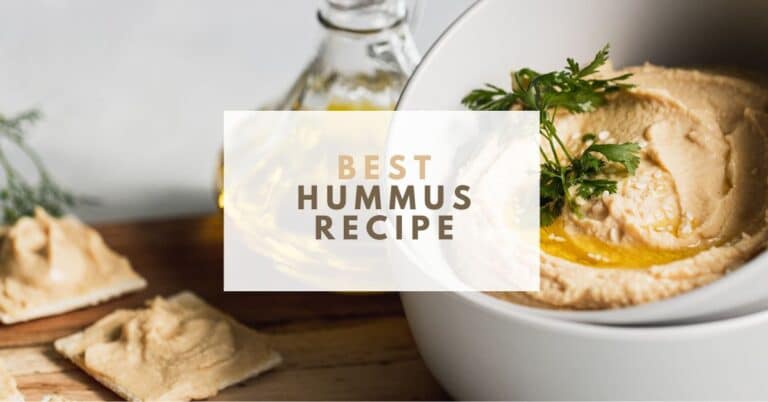
Classic Middle Eastern hummus made the traditional way delivers 140 calories per quarter-cup serving with 5 grams of protein, 4 grams of fiber, and 8 grams of healthy fat from tahini and olive oil. This is the real deal, the…

Telehealth weight loss programs, especially those that prescribe GLP-1 medications such as semaglutide or tirzepatide, involve real medical risks and require licensed clinicians.
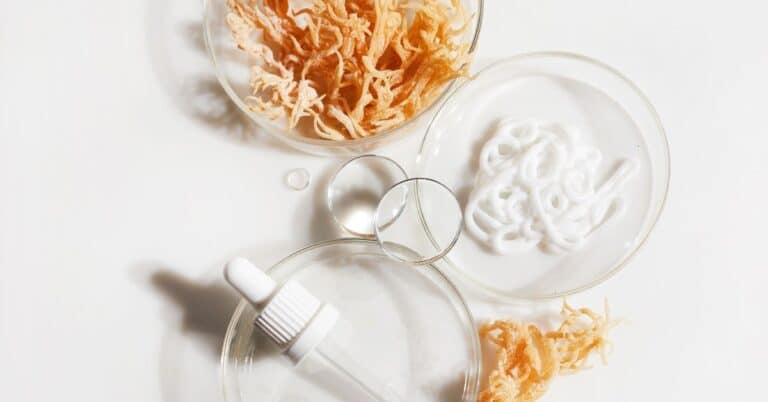
Short answer: Sea moss (Chondrus crispus, and the related Genus Eucheuma often sold as sea moss gel) is an edible seaweed with a real but narrow nutritional profile. It provides iodine, some iron, small amounts of fiber, and traces of…
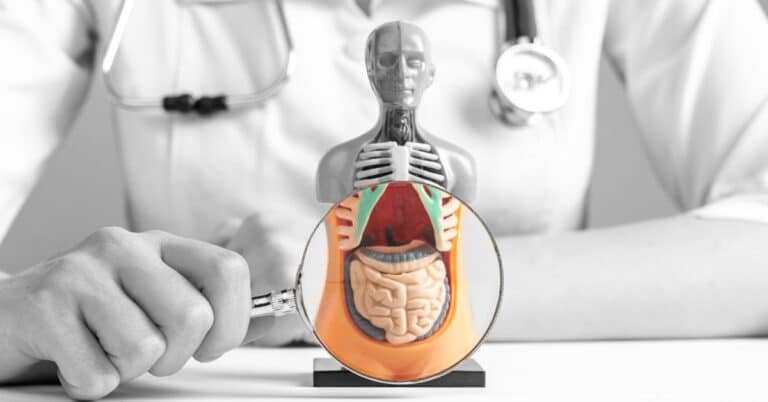
Visceral fat is the deep abdominal fat that packs around your liver, pancreas, and intestines. Unlike subcutaneous fat (the pinchable kind under your skin), visceral fat is metabolically active and drives inflammation, insulin resistance, and cardiovascular risk. Excess visceral fat…
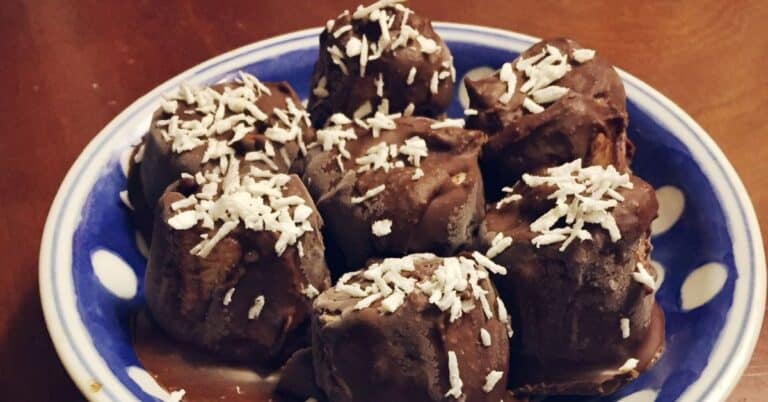
These no-bake keto peanut butter balls stack a creamy peanut butter center in a thick sugar-free dark chocolate shell that snaps when you bite in.
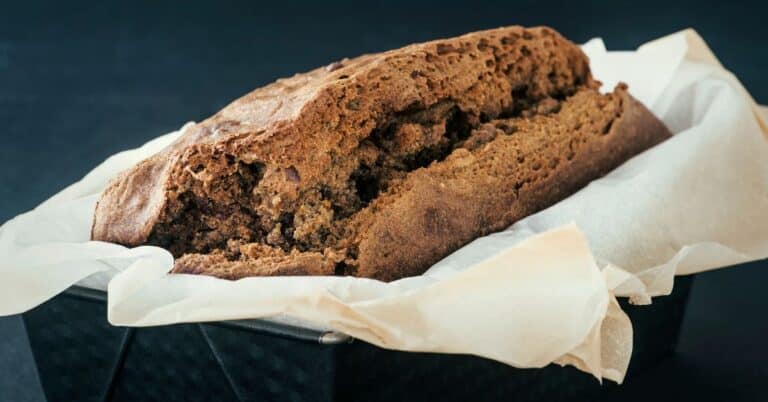
Unlike many types of bread, buckwheat bread is completely gluten free and 100% vegan. Buckwheat, which contains plenty of magnesium, also reduces your risk of diabetes and regulates your digestive system with its high fiber content. (1)
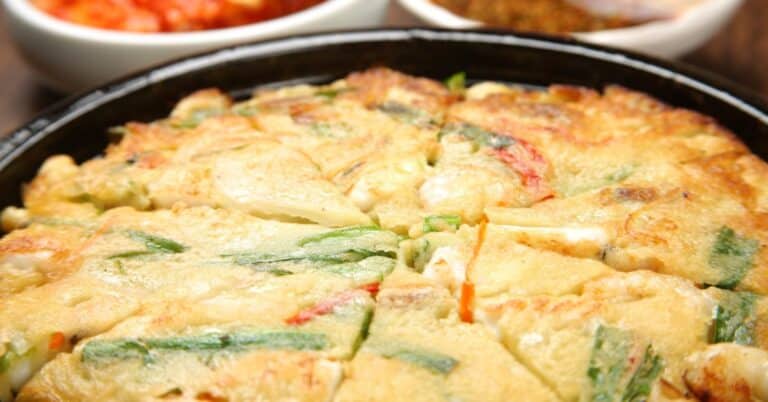
Pajeon is Korea’s savory scallion pancake, traditionally bound with egg and served as a rainy-day snack. This vegan version uses a chickpea-and-flour batter to hit the same crackly edges and pillowy center without any dairy or eggs. One 10-inch pancake…
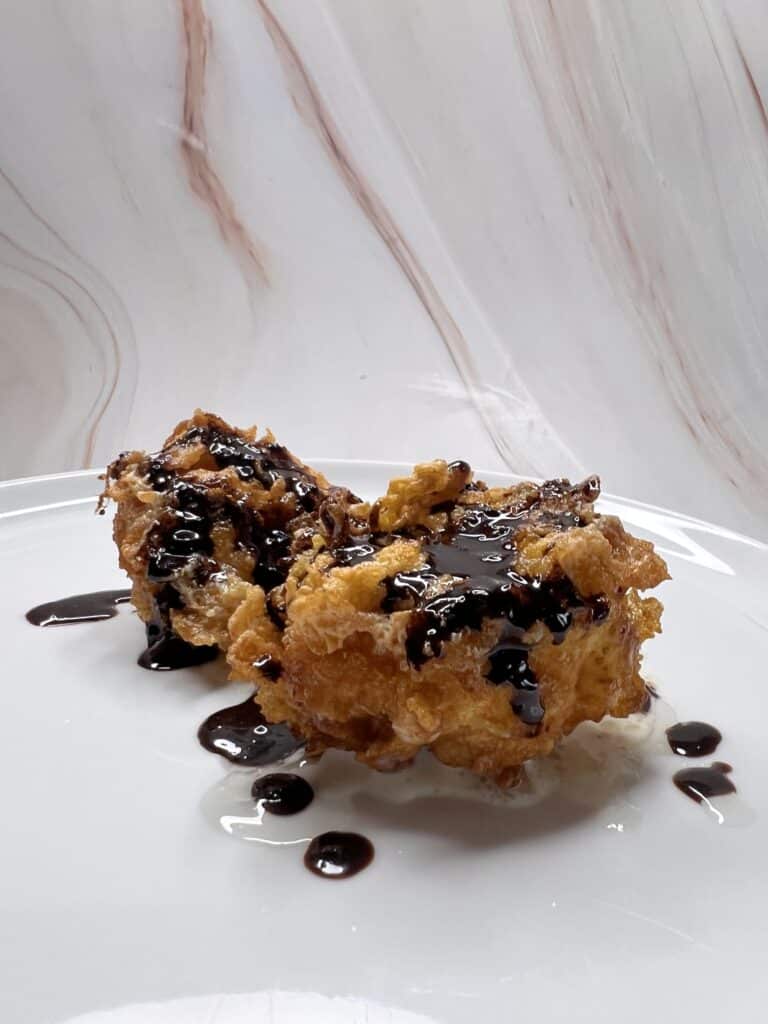
Most foods generally do not have such authority on their own. But the logic of this is that every calorie you take in addition to your daily calorie needs will come back to you as extra pounds.

Do you have 20 minutes for an innocent but delicious dessert? If there is, immediately go down to the ingredients list category. Gather a few simple ingredients and make your way to the kitchen.
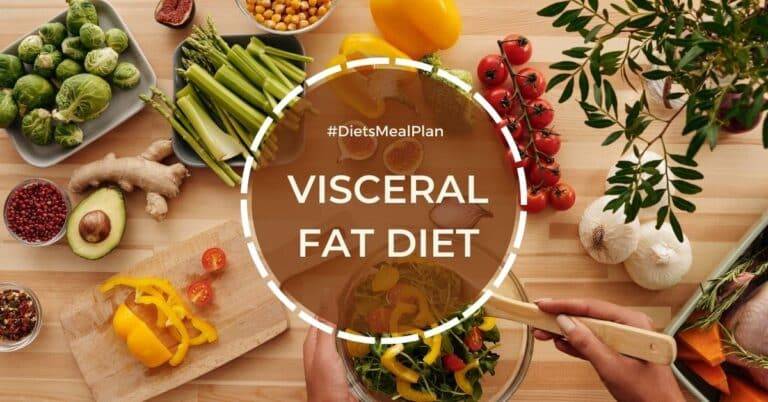
Visceral fat is the deep abdominal fat that packs around your liver, pancreas, and intestines. It’s metabolically active in a bad way, releasing inflammatory signals and free fatty acids that raise your risk of insulin resistance, type 2 diabetes, and…
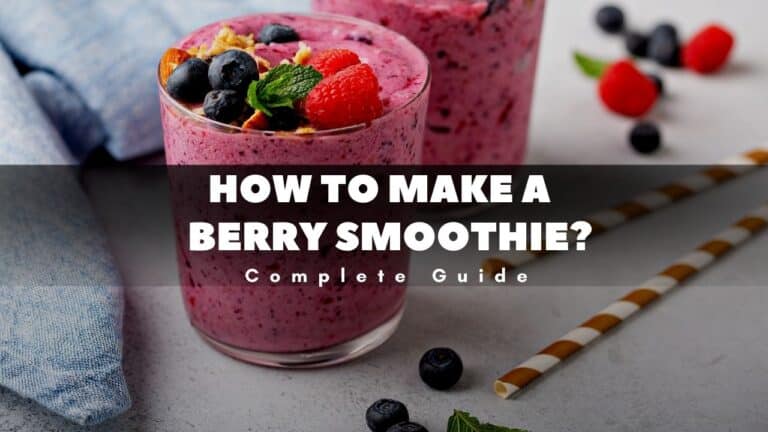
To prepare it, you will need a blender or smoothie maker; both are suitable for this procedure. You may have noticed that blenders are commonly used for making shakes.
As the name suggests, low-purine foods have low purine content. What is purine? Purine is a substance naturally produced by the body and occurs in most foods, albeit in small amounts. Purine is broken down and transformed into uric acid.