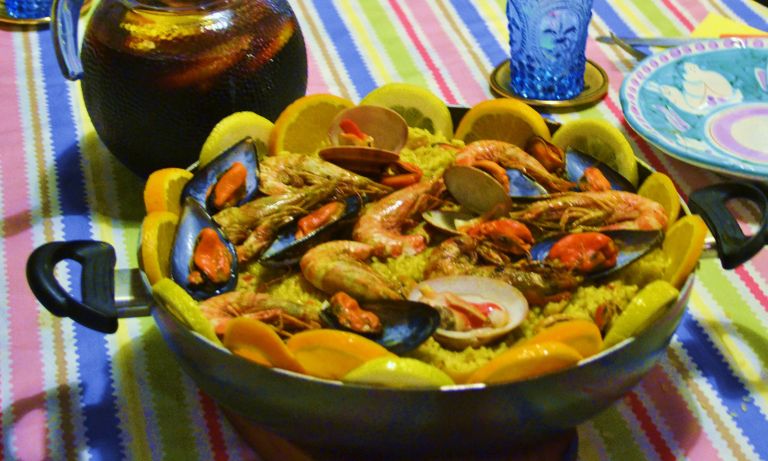
Short answer: A 2000-calorie Mediterranean meal plan pulls from the traditional pyramid built around vegetables, whole grains, legumes, fish, nuts, and extra-virgin olive oil, with red meat and sweets kept occasional.
Short answer: A 2000-calorie ketogenic meal plan sets carbohydrate at about 20 to 50 g per day (roughly 5 to 10 percent of energy), protein at 20 to 25 percent, and fat at 70 to 75 percent.
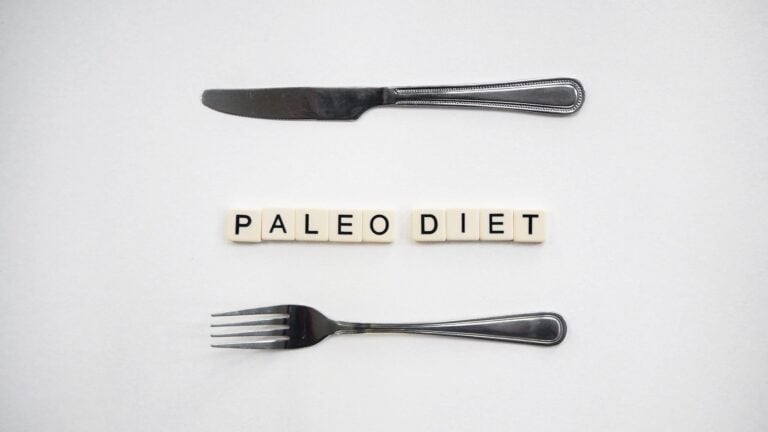
Short answer: A 2000-calorie paleo meal plan removes grains, legumes, dairy, and refined sugar while centering meat, fish, eggs, vegetables, fruit, nuts, and healthy fats.
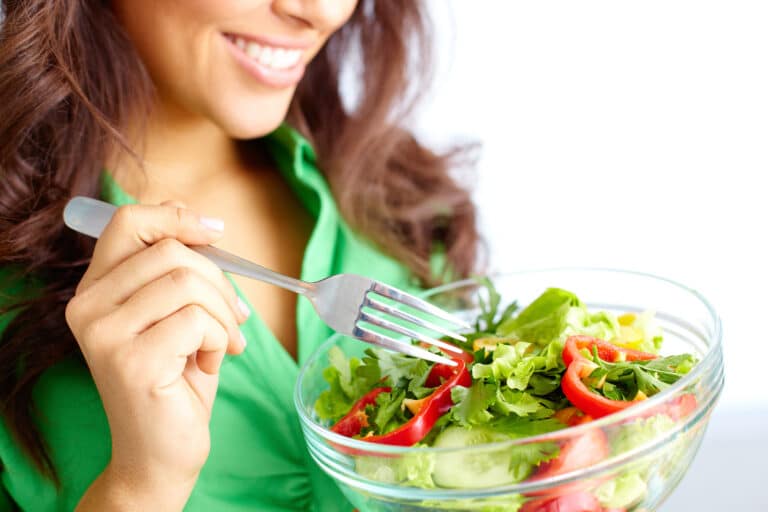
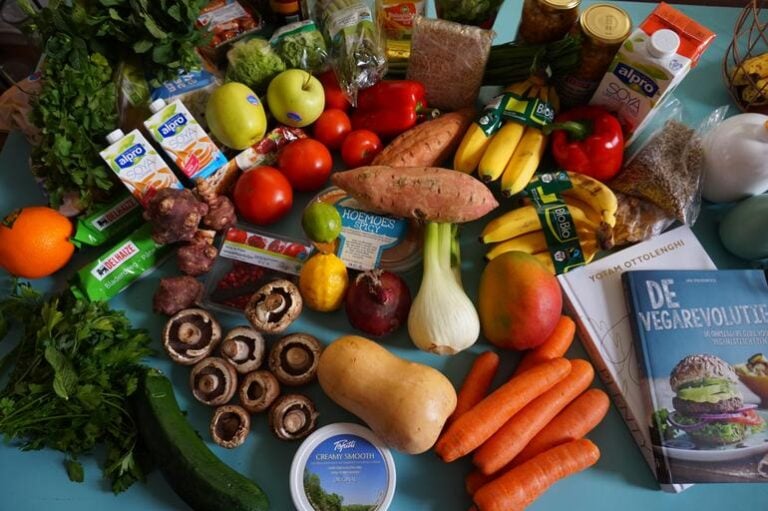
Short answer: A 2000-calorie lacto-ovo vegetarian meal plan can meet every macronutrient and most micronutrient targets when it is built around legumes, whole grains, dairy or fortified plant milk, eggs, nuts, seeds, and a wide vegetable and fruit base.
Short answer: A 2000-calorie weight-gain plan is only a “gain” plan if 2000 kcal sits 300 to 500 kcal above your current maintenance intake. It works well for adults whose maintenance is 1500 to 1700 kcal (often small-frame women, older…
Short answer: A 2000-calorie bodybuilding meal plan is best treated as a cutting or lean-maintenance intake for a small-to-medium lifter, roughly 60 to 75 kg body weight. Protein sits at 160 to 190 g per day (1.6 to 2.2 g/kg),…
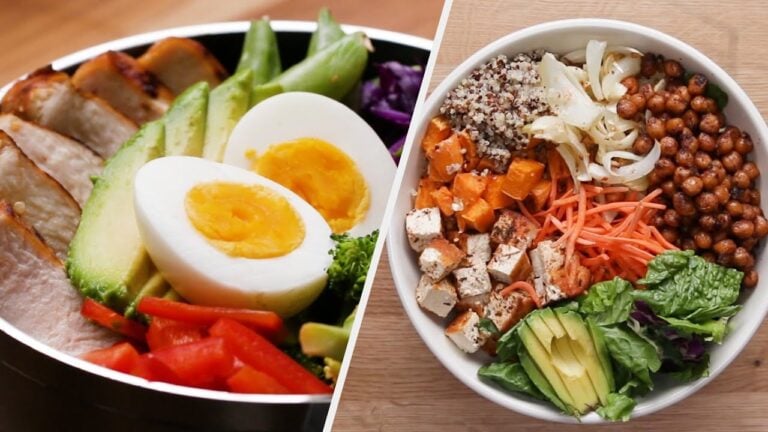
Short answer: A 2000-calorie high-protein meal plan pushes daily protein to 150 g or more (about 30 percent of calories) while keeping total energy at maintenance for most adult women and lightly active adult men.
Short answer: A 2000-calorie day is the FDA reference intake used on Nutrition Facts labels and is close to the USDA estimate for an active adult woman age 19 to 40 (1).
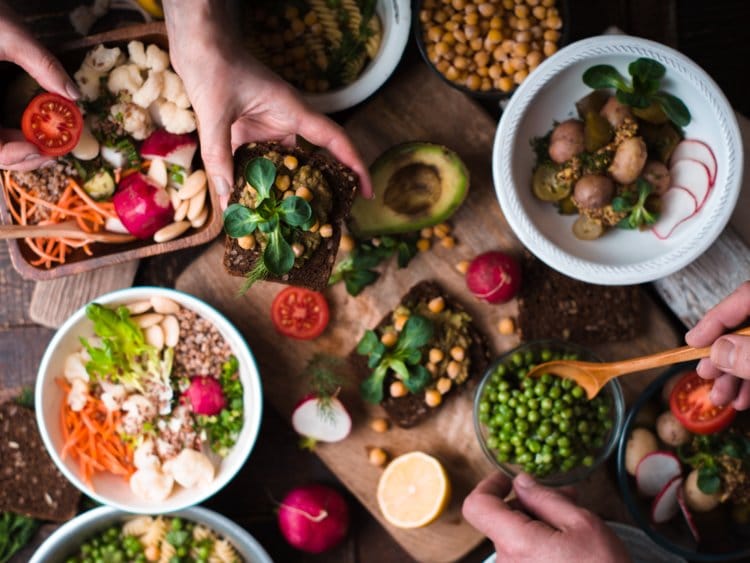
Short answer: A well-planned 2000-calorie vegan meal plan hits daily protein of 80 to 100 g, 55 to 70 g of fat, and 260 to 300 g of carbs while staying rich in fiber, potassium, magnesium, and folate.
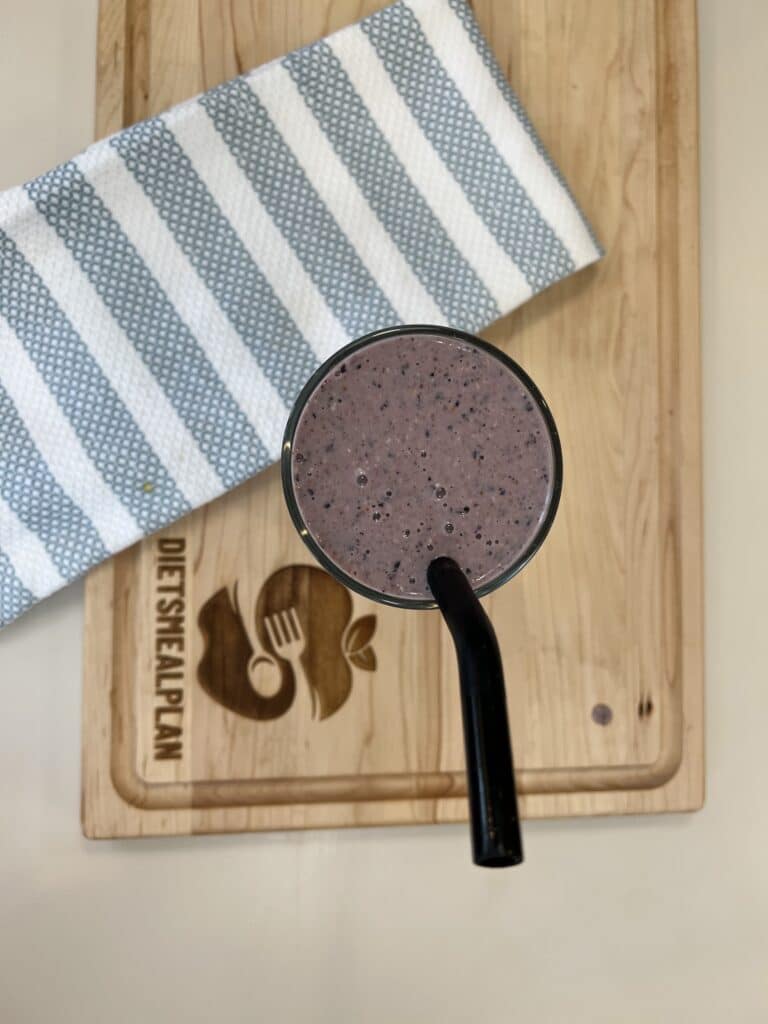
2000 calorie vegan smoothie – When it comes to drinking whole foods, the smoothie allows you to do so. Secondly, you would tend to consume enough food faster, as you don’t have to chew it.
If Hypertension has created never-ending troubles in your life, the Dash diet meal plan of 2000 calories is undoubtedly the perfect solution.
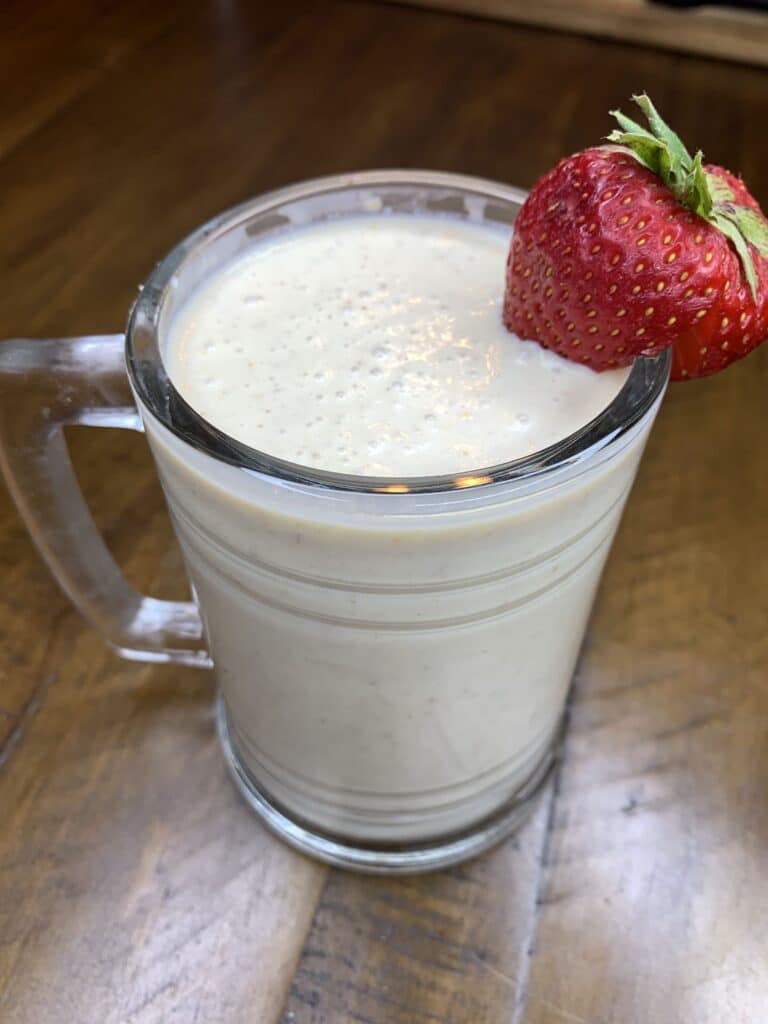
Whether going through the bulking phase of your fitness regimen or trying to gain weight, bringing the 2000 calorie shake to your daily menu can be a game-changer for your health.
Jump-start your bulk-gaining journey with this powerhouse 2000-calorie “Hulk” smoothie crafted to fuel serious muscle and weight gains in minimal time. Packed with protein, healthy fats, and carbs, it delivers maximum calories and nutrition in one shake, perfect if…
Studies have proved that a 2000 calorie low carb meal plan can help you lose some good weight within minimal time. Moreover, it can also help you control your blood sugar and insulin levels.
Have you ever heard of 2000 a calories day diet that can help you get some healthy gains within no time? If so, we have some astonishing facts to help you with your fitness goals.
If you look through this 2000 calorie diet plan for diabetics, you will get to know that planning meals and dietary patterns for diabetics isn’t that hard.
About this collection
2,000 calories per day is the reference calorie level on U.S. food labels for a reason - it is the approximate maintenance intake for a moderately active adult woman or a lightly active adult man. Depending on your baseline, 2,000 calories functions as maintenance, a very gentle deficit, or a slight surplus.
The 13 plans tagged here cover balanced maintenance, weight-gain-oriented, Mediterranean, high-protein, vegan, and body-recomposition frameworks at 2,000 calories. Macro splits vary by goal - a lean-recomp 2,000-calorie plan targets 150-180g protein and 30-40g fiber, while a general maintenance plan is more balanced across macros. Every meal is calculated per serving using the Nutritionix database and cross-referenced against USDA Dietary Reference Intakes.
Who this is for: moderately active adult women maintaining, lightly-to-moderately active men maintaining, adults transitioning off a weight-loss phase, or smaller-framed adults with a gentle weight-gain goal. Who this is not for: adults with 40+ pounds to lose and a fast-loss goal (needs lower), pregnancy or breastfeeding (may need more), or serious competitive athletes with high training volumes. Condition-specific plans are written or reviewed by a Registered Dietitian and medically reviewed by Franco Cuevas, MD. General maintenance and weight-gain plans are developed by our Food Editor Damla Sengul with nutrition-team review.