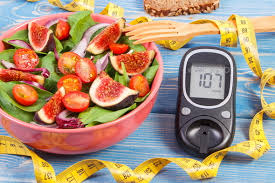
1600-Calorie Diet Plan for Diabetics: 7-Day Guide (Physician-Supervised)
Individual results may vary. Do not adjust diabetes medication doses on your own.
1,600 calories per day is a sustainable weight-loss intake for adult women with a moderate deficit (about 400-600 calories under baseline) or a maintenance intake for smaller-framed sedentary adults. It produces roughly 0.5-1 pound per week of loss for most women and is a common target after transitioning up from more aggressive short-term plans.
Individual results may vary. Do not adjust diabetes medication doses on your own.

Bueno et al.’s 2013 meta-analysis of 13 randomized trials found adults on very-low-carbohydrate ketogenic diets lost roughly 0.9 kg more at 12 months than adults on low-fat comparison diets (1).
Short answer: A 1600-calorie meal plan on a budget is a whole-food, protein-forward week built around the cheapest nutrient-dense staples: eggs, dry beans and lentils, rolled oats, brown rice, canned tuna and canned salmon, chicken thighs, frozen vegetables, and seasonal…
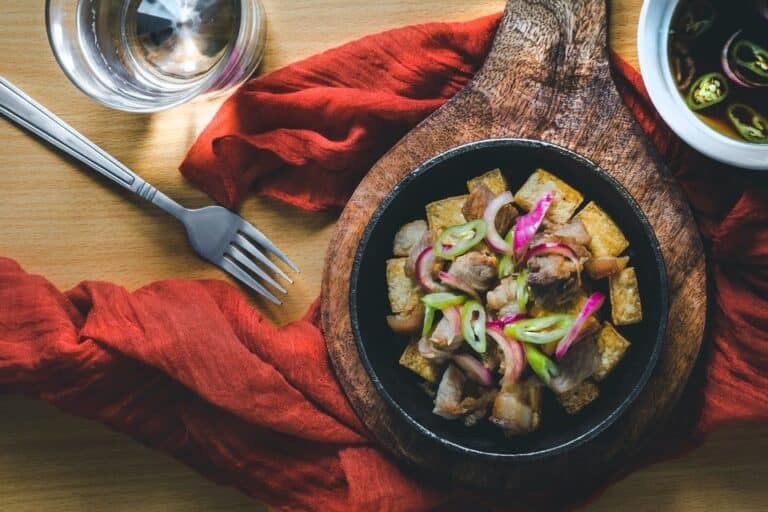
A 1,600 calorie vegan meal plan is a moderate energy, fully plant based menu that suits many smaller adults, older adults, and anyone aiming for gradual weight loss of about half a kilogram per week.

Short answer: A 1600-calorie Paleo meal plan is built on meats, fish, eggs, vegetables, fruit, nuts, and healthy oils, with no grains, no legumes, no dairy, and no refined sugar.

The Academy of Nutrition and Dietetics 2016 position paper concluded that well-planned vegetarian diets are appropriate for all stages of life and are associated with lower risk of ischemic heart disease, type 2 diabetes, hypertension, and certain cancers (1).
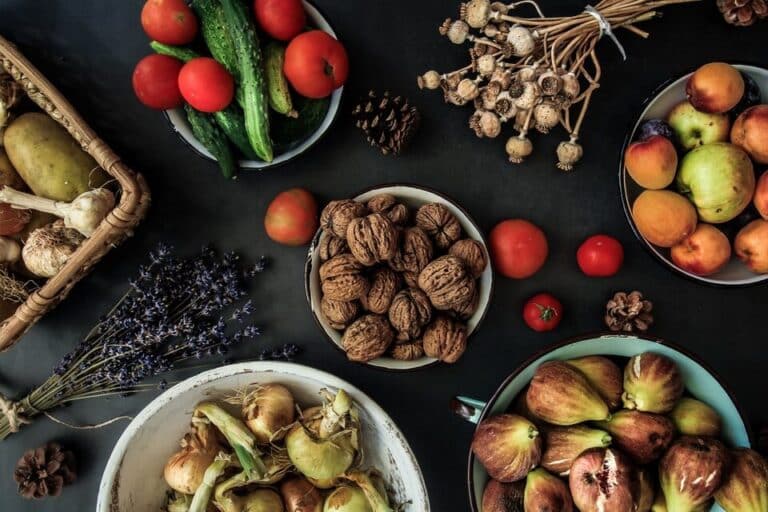
The 2013 AHA/ACC/TOS obesity management guideline recommends a 500 to 750 kcal daily deficit for adults with overweight or obesity, which is exactly where 1600 kcal lands for most sedentary women and small-frame men (1).

If you’re on hormone replacement therapy, thyroid medication, blood thinners, or SSRIs for mood symptoms, talk with your prescriber before adding large amounts of soy, flaxseed, cruciferous vegetables, or grapefruit, since these can interact with common medications.

Besides quick weight loss, the 1600 calorie low carb meal plan can be associated with numerous other health benefits.

The best part of this 1600 calorie diet for women is that it returns that healthy dietary pattern to your schedule while triggering weight loss.

The DASH diet meal plan of 1600 calories is undoubtedly the best way to treat and prevent hypertension, but there are still people around who have found it an excellent method to lose weight.
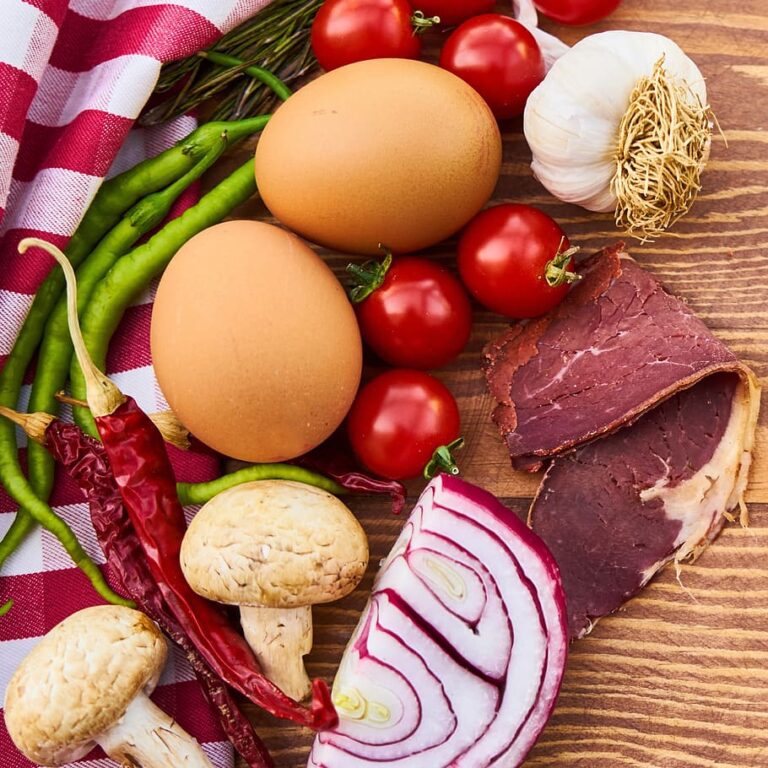
The 1600-calorie meal plan, which is high in protein, has many benefits for your health and body. Protein is crucial in building our muscles, cells, and tissues.
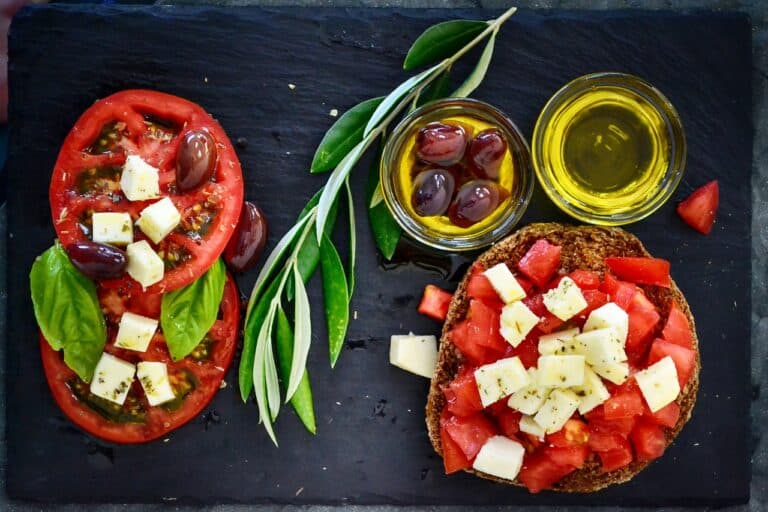
You’ll get the most out of this plan if you’re a moderately active adult looking for a sustainable, heart-friendly way to eat that lands around 1600 calories per day. It works well if you already enjoy fish, vegetables, olive oil,…
Calculate your daily target if you are not sure which level fits.
1,600 calories per day is a sustainable weight-loss intake for adult women with a moderate deficit (about 400-600 calories under baseline) or a maintenance intake for smaller-framed sedentary adults. It produces roughly 0.5-1 pound per week of loss for most women and is a common target after transitioning up from more aggressive short-term plans.
The 13 plans tagged here cover balanced weight loss, keto, Mediterranean, high-protein, low-carb, vegetarian, and diabetic frameworks at 1,600 calories. Each meal is macro-calculated per serving with typical targets of 120-140g protein (to preserve lean mass during deficit), 25-30g fiber, and adequate healthy fats. Recipes are tested in our kitchen; nutrition math uses the Nutritionix database and USDA Dietary Reference Intakes as references.
Who this is for: adult women wanting sustainable loss (0.5-1 pound per week), smaller-framed sedentary men maintaining, or anyone previously on lower intakes wanting to titrate back to maintenance. Who this is not for: pregnancy or breastfeeding (needs 2,000-2,500), competitive athletes in-season, or anyone whose clinician has set a different target. Condition-specific plans (diabetic, PCOS, cardiac) are written or reviewed by a Registered Dietitian and medically reviewed by Franco Cuevas, MD.