1100-Calorie Keto Meal Plan: 7-Day Guide with Macros (Printable)
The 2013 Bueno et al. meta-analysis of very-low-carbohydrate ketogenic diets found greater long-term weight loss than low-fat diets in adults with obesity (1).
Our Paleo Diet section covers 7-day meal plans, food lists, and recipes built on whole foods: grass-fed meats, wild fish, eggs, vegetables, fruit, nuts, seeds, and healthy fats, with grains, legumes, dairy, and refined sugar left out.
The 2013 Bueno et al. meta-analysis of very-low-carbohydrate ketogenic diets found greater long-term weight loss than low-fat diets in adults with obesity (1).

Short answer: A 1600-calorie Paleo meal plan is built on meats, fish, eggs, vegetables, fruit, nuts, and healthy oils, with no grains, no legumes, no dairy, and no refined sugar.
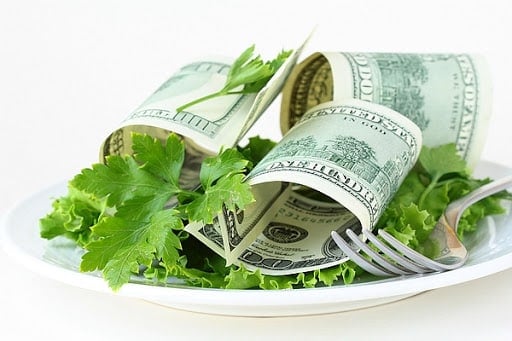
Honest headline: The paleo diet is one of the more expensive eating patterns because it centers on meat, seafood, eggs, nuts, and produce while excluding the cheapest calories in the American grocery store (rice, beans, oats, pasta).
The paleo diet removes grains, legumes, and dairy, which cuts many typical carbohydrate sources and can drop blood glucose fast.
A 2015 systematic review by Manheimer et al. of four controlled trials found paleo eating produced short-term improvements in waist circumference, triglycerides, blood pressure, and HDL cholesterol versus reference healthy diets, but the evidence base is small and long-term data…
Short answer: A 2000-calorie paleo meal plan removes grains, legumes, dairy, and refined sugar while centering meat, fish, eggs, vegetables, fruit, nuts, and healthy fats.
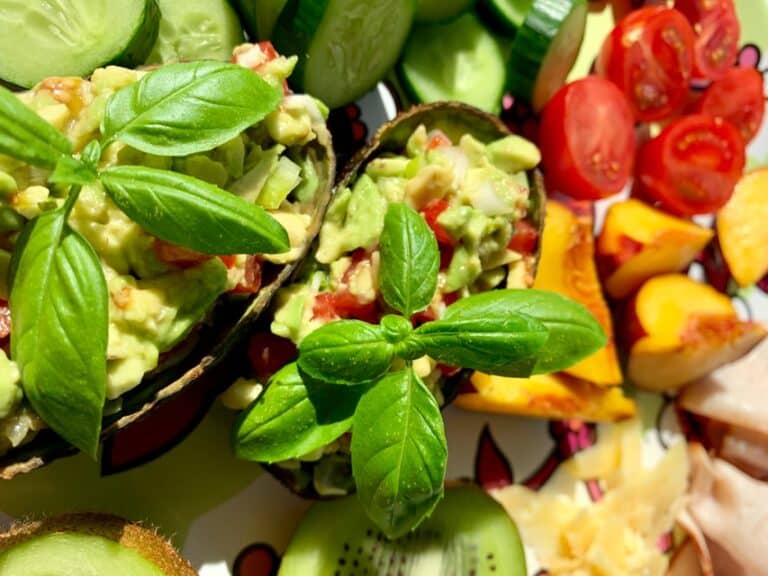
Small trials of the paleo pattern show modest improvements in waist circumference, blood pressure, and short-term glucose control compared with standard low-fat diets (1).
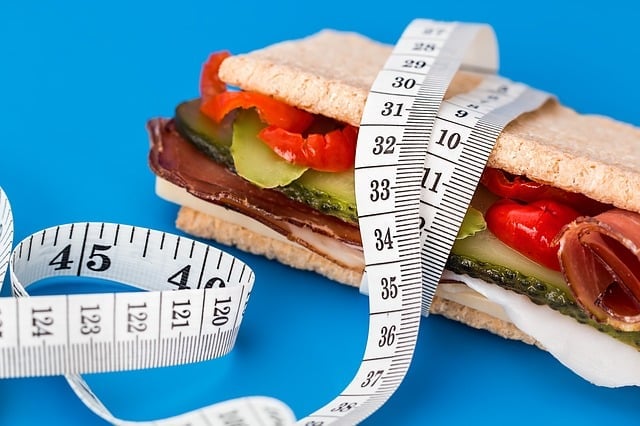
Paleo phase 1 means eating like the food label does not exist: whole meat, fish, eggs, vegetables, tubers, fruit, nuts and seeds, cooked in fats your grandmother would recognize.

Low-calorie, low-carb diets have captured people’s attention due to their weight-loss properties. For their health and weight management benefits, ingredients such as turmeric, ginger, green tea, coffee, and others have been incorporated into these diets.
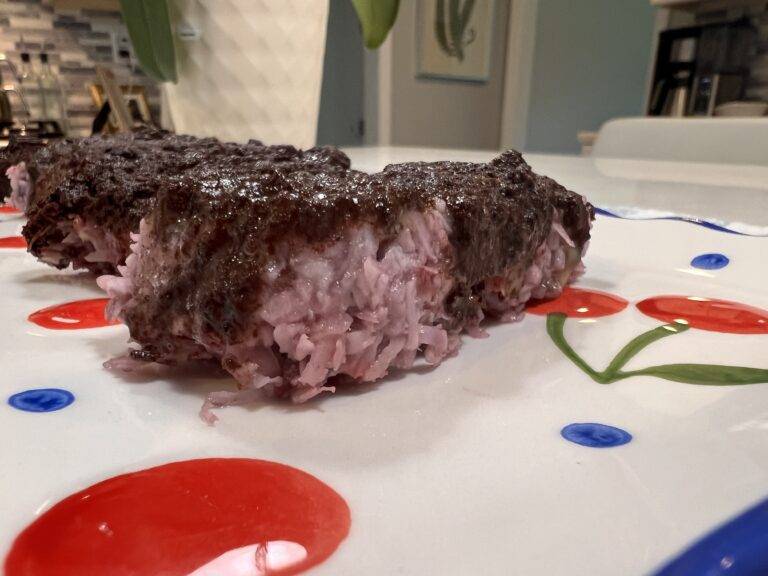
You’ll fall in love with the looks of these cute pink bars as much as you’ll fall in love with the taste. Moreover, they get sugar only from berries.
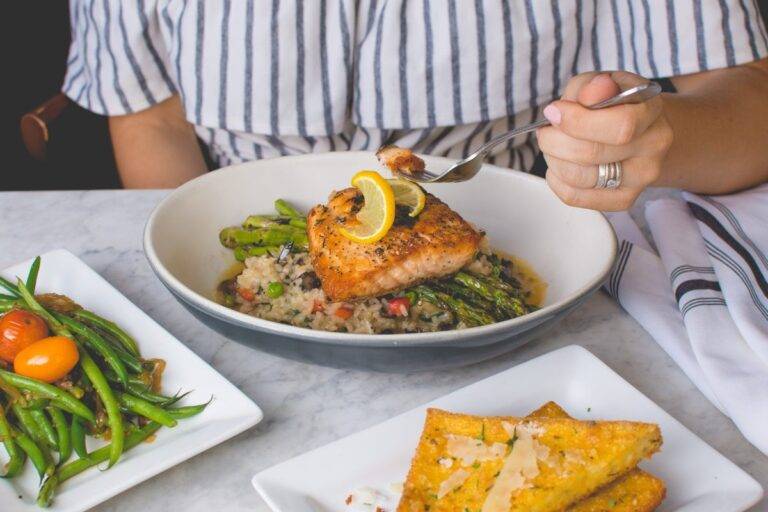
The internet is a great resource for information about the many diet plans available. Two of the most searched-for diets are the Paleo and the Dukan diets.

This soup, which everyone in the family will love, is a great choice to warm up on a cold winter day. Prepare it for your family in a big pot and enjoy it.
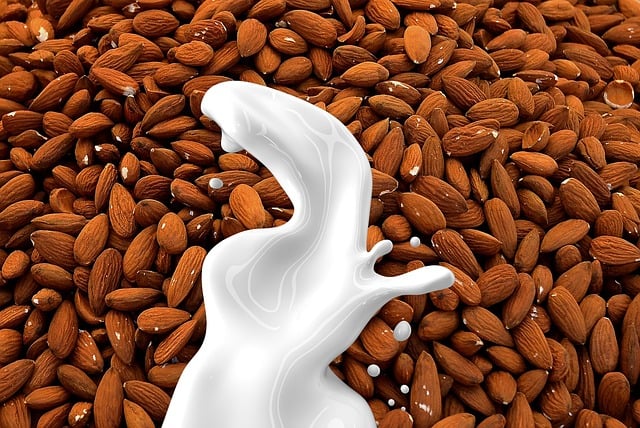
Yes, with an asterisk. Unsweetened almond milk fits paleo when the ingredient list is just almonds, water, and maybe sea salt. Most cartons at the grocery store don’t stop there. Once you add carrageenan, gellan gum, sunflower lecithin, “natural flavors,”…

Like every function and system in the human body, even the immune system requires a list of macro and micronutrients for healthy functioning.

The “paleo is a men’s diet” idea comes from early marketing photos of steak and eggs, not from any biology. Women eat the same food humans have always eaten. What changes for women isn’t which foods; it’s how much, and…
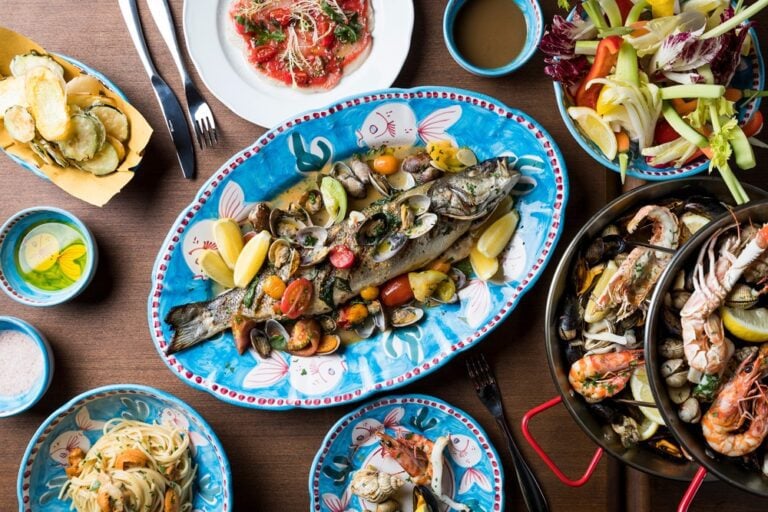
Before you decide on the winner of this Paleo vs. Whole 30 battle, you must first understand the basic concepts of both diet plans.
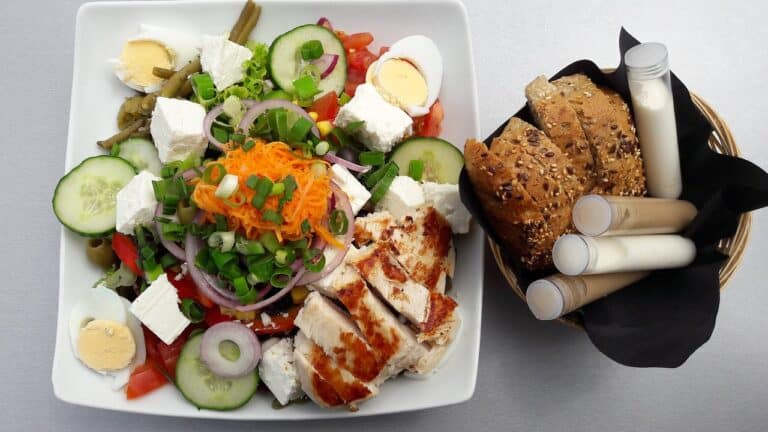
Paleo already cuts grains, legumes, and refined sugar. Layer a low-carb rule on top and you’re eating mostly meat, fish, eggs, non-starchy vegetables, some nuts, and a bit of berries. This isn’t strict keto (there’s no ketosis target and no…

Paleo dessert doesn’t automatically mean low-calorie. Almond flour is dense. Coconut cream is rich. Honey and maple syrup add up fast. If a “paleo brownie” clocks in at 380 calories, it isn’t helping your cut. The recipes below are engineered…
Our Paleo Diet section covers 7-day meal plans, food lists, and recipes built on whole foods: grass-fed meats, wild fish, eggs, vegetables, fruit, nuts, seeds, and healthy fats, with grains, legumes, dairy, and refined sugar left out. Plans run from 1,400 to 1,800 kcal per day, plus budget Paleo at roughly $40 per week and Paleo comparisons against Keto, Atkins, Whole30, and vegan.
Every Paleo plan is macro-balanced with protein at or above 0.8 g/kg body weight, healthy fats from avocado, olive oil, nuts, and fatty fish, and produce as the carbohydrate base. Nutrition is calculated per serving against the Nutritionix database and USDA references. Recipe cards flag calcium (from bone-in fish, greens, and almonds), vitamin D, iodine, and fiber, the nutrients most likely to need attention when dairy and grains are off the plate.
Plans and food lists are written or reviewed by our Registered Dietitians Brenda Peralta, Kerly Cordova, Marita Radloff, and Karolina Peterova, and medically reviewed by Franco Cuevas, MD. Recipes are developed and tested by our Food Editor Damla Sengul in our Wayne, NJ kitchen, with Latin American Paleo variations from Andrea and Mirian Montalvo. Corrections to social@dietsmealplan.com.