Medical Disclaimer: This article is for informational purposes only and is not a substitute for professional medical advice, diagnosis, or treatment.
Always consult a registered dietitian, physician, or qualified healthcare provider before making significant changes to your diet, especially if you have a medical condition, take medication, are pregnant or nursing, or are managing a chronic illness. Individual results may vary.
1100-Calorie Paleo Meal Plan: An Honest 7-Day Guide
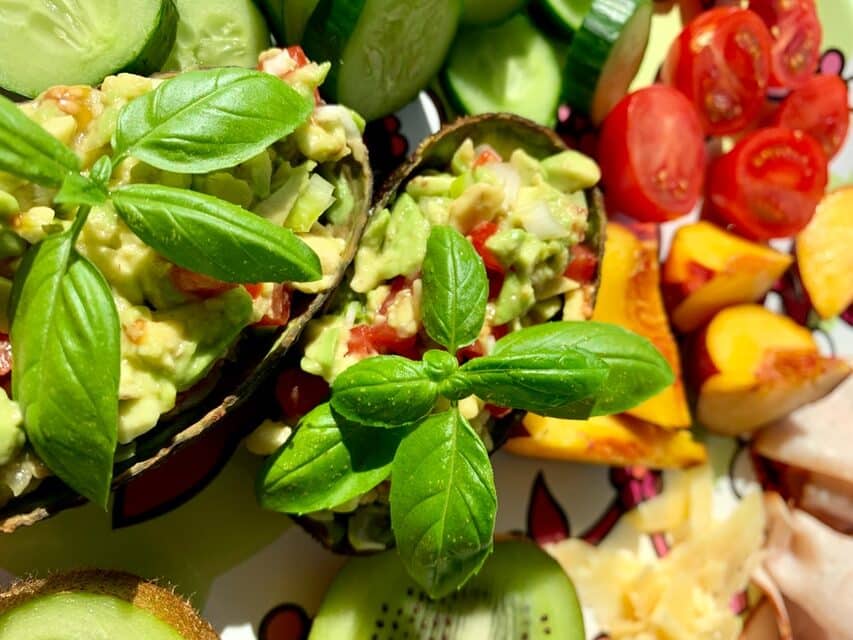
A 1100-calorie paleo meal plan is a short-term weight-loss protocol built on grass-fed meat, fish, eggs, non-starchy vegetables, fruit, nuts, seeds, and healthy oils. No grains, no legumes, no dairy, no refined sugar, no processed foods.
Small trials of the paleo pattern show modest improvements in waist circumference, blood pressure, and short-term glucose control compared with standard low-fat diets (1).
But 1100 kcal sits below the estimated basal metabolic rate of most adults, so this is a short reset (1 to 4 weeks) rather than a long-term way of eating. If you weigh over 180 lb or train hard, you probably want 1400 to 1700 kcal on the same food framework.
What Paleo Actually Excludes
- No grains: wheat, oats, rice, corn, quinoa, barley, rye, and anything made from them (bread, pasta, cereal, tortillas).
- No legumes: beans, lentils, chickpeas, soy, peanuts.
- No dairy: milk, cheese, yogurt, butter (some paleo variants allow ghee).
- No refined sugar or industrial seed oils (canola, corn, soybean, sunflower).
- No processed or packaged foods as a general rule.
What Paleo Includes
- Grass-fed and pastured meat, poultry, wild fish and seafood, eggs
- Non-starchy vegetables (leafy greens, cruciferous, alliums, peppers, summer squash)
- Moderate starchy vegetables (sweet potato, winter squash, plantain)
- Fruit, especially berries
- Nuts and seeds (almonds, walnuts, macadamia, chia, flax, pumpkin)
- Healthy fats (extra-virgin olive oil, avocado, coconut oil, tallow, lard from pastured sources)
How the Numbers Work at 1100 Calories
- Protein: aim for 80 to 100 g/day. Paleo makes this easier than most patterns because animal proteins anchor every meal.
- Fat: 45 to 60 g/day, weighted toward mono- and polyunsaturated (olive oil, avocado, nuts, fatty fish).
- Carbs: 60 to 100 g/day from vegetables and fruit. No grains means the carb count sits naturally lower than typical.
- Fiber: 25 to 35 g/day is easy on paleo if you eat vegetables generously.
- Water: at least 8 cups.
Who This Plan Fits and Who It Does Not
- Fits: adults doing a 1 to 4 week reset who tolerate a grain-free, legume-free, dairy-free framework; adults with insulin resistance who want to try lower-carb; anyone curious about paleo without committing long-term.
- Does not fit: adults training hard for endurance or strength (calorie level too low), pregnant or breastfeeding people, adults under 18, anyone with a history of disordered eating, people with kidney disease (protein load), anyone recovering from illness or surgery.
Also worth naming: excluding legumes and whole grains removes important fiber and micronutrient sources. Harvard’s Nutrition Source flags this as a real gap in strict paleo (2).
If you follow this plan for more than a few weeks, actively track fiber and vitamin D, and consider a magnesium and vitamin D supplement.
7-Day 1100-Calorie Paleo Meal Plan
Day 1 (~1,090 kcal)
- Breakfast: 2-egg-white plus 1-whole-egg spinach omelette (2 cups spinach) cooked in 1 tsp olive oil, 1 cup sliced strawberries (150 g). 280 kcal, 20 g protein, 15 g carb, 15 g fat.
- Snack: 2 cups arugula with cherry tomato, lemon, and 1 tsp olive oil. 60 kcal, 2 g protein, 4 g carb, 5 g fat.
- Lunch: 4 oz (115 g) water-pack tuna with 1/2 medium avocado (75 g), lemon, 2 cups mixed greens. 310 kcal, 32 g protein, 8 g carb, 18 g fat.
- Snack: Smoothie: 1/2 medium orange (75 g), 1/2 small banana (60 g), 1/2 cup red grapes (75 g), water and ice. 135 kcal, 2 g protein, 34 g carb, 0 g fat.
- Dinner: 2 cups roasted Brussels sprouts (170 g) with 1 tsp olive oil, 3 oz (85 g) grilled chicken thigh, garlic. 305 kcal, 26 g protein, 15 g carb, 15 g fat.
- Daily total: 1,090 kcal, 82 g protein, 76 g carb, 53 g fat.
Day 2 (~1,095 kcal)
- Breakfast: Ham and egg mushroom cups (2 eggs, 1 oz lean ham, 4 large mushroom caps stuffed), 1 small apple with cinnamon (150 g). 310 kcal, 22 g protein, 25 g carb, 15 g fat.
- Snack: 4 oz drained tuna (115 g) with 1/2 tsp turmeric and lemon, 1 cup sliced strawberries (150 g). 170 kcal, 30 g protein, 12 g carb, 2 g fat.
- Lunch: 1 cup diced cucumber and tomato with 1 oz slivered almonds (28 g), 1 tsp olive oil, lemon. 240 kcal, 8 g protein, 15 g carb, 20 g fat.
- Snack: Turkey lettuce rollups: 2 oz sliced turkey breast (56 g), 4 romaine leaves, 1 tbsp mustard. 90 kcal, 15 g protein, 3 g carb, 2 g fat.
- Dinner: 3 oz (85 g) grilled chicken over 2 cups spinach with 1/2 cup sliced strawberries (75 g) and 1 tsp olive oil, side of 1 cup quick-boiled spinach. 295 kcal, 30 g protein, 12 g carb, 14 g fat.
- Daily total: 1,105 kcal, 105 g protein, 67 g carb, 53 g fat.
Day 3 (~1,110 kcal)
- Breakfast: 2 large eggs scrambled with 2 cups spinach in 1 tsp olive oil, 1 medium orange (150 g). 250 kcal, 16 g protein, 20 g carb, 14 g fat.
- Snack: Strawberry-infused water (0 kcal) plus 1 small banana (90 g). 90 kcal, 1 g protein, 23 g carb, 0 g fat.
- Lunch: Blended soup with 2 cups spinach, 1/2 medium avocado (75 g), 1 cup broth, lemon, herbs. 210 kcal, 5 g protein, 15 g carb, 15 g fat.
- Snack: 1 cup fresh carrot juice with 1/2 cup blended cabbage. 110 kcal, 3 g protein, 25 g carb, 0 g fat.
- Dinner: 4 oz (115 g) dill-poached salmon, 1.5 cups pan-fried broccoli (225 g) in 1 tsp olive oil, lemon. 450 kcal, 28 g protein, 15 g carb, 30 g fat.
- Daily total: 1,110 kcal, 53 g protein, 98 g carb, 59 g fat.
Day 4 (~1,095 kcal)
- Breakfast: 2 large eggs scrambled with 1 cup broccoli florets in 1 tsp olive oil, 1 cup sliced strawberries (150 g). 295 kcal, 15 g protein, 18 g carb, 18 g fat.
- Snack: Spring radish salad (5 radishes, 2 cups greens) with 6 slices cucumber, 1 tsp olive oil. 75 kcal, 2 g protein, 6 g carb, 5 g fat.
- Lunch: 1 cup sliced cucumber with 1/2 medium avocado (75 g), lemon, 3 oz grilled chicken (85 g). 310 kcal, 27 g protein, 8 g carb, 18 g fat.
- Snack: Fruit smoothie: 1/2 cup blueberries (75 g), 1/2 small banana (60 g), water, ice. 115 kcal, 1 g protein, 28 g carb, 0 g fat.
- Dinner: 2 cups garlic-roasted Brussels sprouts (170 g) with 1 tsp olive oil, 3 oz (85 g) grilled sirloin. 310 kcal, 27 g protein, 15 g carb, 16 g fat.
- Daily total: 1,105 kcal, 72 g protein, 75 g carb, 57 g fat.
Day 5 (~1,085 kcal)
- Breakfast: Banana-egg pancakes (2 eggs blended with 1 small banana, cooked in 1 tsp coconut oil), 1/2 cup blueberries. 310 kcal, 15 g protein, 32 g carb, 15 g fat.
- Snack: Turkey lettuce rollups: 2 oz sliced turkey breast (56 g), romaine, mustard. 90 kcal, 15 g protein, 3 g carb, 2 g fat.
- Lunch: 4 oz drained tuna (115 g) with 1/2 medium avocado (75 g), 2 stalks celery, lemon. 270 kcal, 30 g protein, 5 g carb, 16 g fat.
- Snack: Israeli salad (1 cup diced cucumber, 1 cup diced tomato, 1 tbsp parsley, 1 tsp olive oil, lemon). 75 kcal, 2 g protein, 8 g carb, 5 g fat.
- Dinner: Zucchini noodles (1 large zucchini spiralized) with 1 tbsp walnut pesto and 2 hard-boiled eggs. 335 kcal, 20 g protein, 15 g carb, 25 g fat.
- Daily total: 1,080 kcal, 82 g protein, 63 g carb, 63 g fat.
Day 6 (~1,100 kcal)
- Breakfast: 2 large eggs scrambled with 2 cups spinach in 1 tsp olive oil. 240 kcal, 15 g protein, 4 g carb, 18 g fat.
- Snack: Strawberry-infused water plus 1 small banana (90 g). 90 kcal, 1 g protein, 23 g carb, 0 g fat.
- Lunch: 1 cup sliced cucumber, 1/2 medium avocado (75 g), 3 oz grilled chicken (85 g), lemon. 310 kcal, 27 g protein, 8 g carb, 18 g fat.
- Snack: Cucumber and tomato salad tossed with 1 cup sliced strawberries (150 g) and 1 tsp olive oil. 130 kcal, 2 g protein, 22 g carb, 5 g fat.
- Dinner: 4 oz (115 g) grilled chicken over 2 cups shredded cabbage and 1/2 cup shredded carrot, 1 tsp olive oil, lime. 330 kcal, 30 g protein, 18 g carb, 15 g fat.
- Daily total: 1,100 kcal, 75 g protein, 75 g carb, 56 g fat.
Day 7 (~1,095 kcal)
- Breakfast: 2 large eggs scrambled with dried onion flakes in 1 tsp olive oil, 1 medium orange (150 g). 245 kcal, 13 g protein, 22 g carb, 14 g fat.
- Snack: 2 cups arugula, 1 medium orange (150 g), 1 tsp olive oil, lemon. 150 kcal, 2 g protein, 22 g carb, 5 g fat.
- Lunch: 1 cup sliced cucumber, 1/2 medium avocado (75 g), 3 oz grilled chicken (85 g), lemon. 310 kcal, 27 g protein, 8 g carb, 18 g fat.
- Snack: 4 oz drained tuna (115 g) with 1/4 medium avocado (35 g), lemon. 210 kcal, 30 g protein, 4 g carb, 12 g fat.
- Dinner: 2 cups roasted Brussels sprouts (170 g) with 1 tsp olive oil and 2 oz (56 g) roasted chicken thigh. 200 kcal, 18 g protein, 12 g carb, 10 g fat.
- Daily total: 1,115 kcal, 90 g protein, 68 g carb, 59 g fat.
7-Day Comparison Summary
Save as PDF| Day | Total kcal | Protein (g) | Carbs (g) | Fat (g) |
|---|---|---|---|---|
| 1 | 1,090 | 82 | 76 | 53 |
| 2 | 1,105 | 105 | 67 | 53 |
| 3 | 1,110 | 53 | 98 | 59 |
| 4 | 1,105 | 72 | 75 | 57 |
| 5 | 1,080 | 82 | 63 | 63 |
| 6 | 1,100 | 75 | 75 | 56 |
| 7 | 1,115 | 90 | 68 | 59 |
What the Evidence Actually Shows
Jonsson et al. (2009) is one of the older but frequently cited randomized crossover trials comparing a paleolithic-style diet with a diabetes-appropriate diet in adults with type 2 diabetes.
For more on this topic, check out our guide on paleo diet plan.
Over 3 months, the paleo group improved HbA1c, triglycerides, blood pressure, and waist circumference more than the comparator (3).
A later 2-year Swedish trial found weight-loss advantages of paleo at 6 months faded by 24 months as adherence dropped. Bottom line: paleo works reasonably well in trials with high adherence and can improve short-term cardiometabolic markers.
It is not clearly better than a Mediterranean pattern at 2 years, and it is harder to stick with because it excludes a lot of familiar foods.
Transitioning Off (or Staying On)
- If the goal was a 4-week reset, step up to 1400 to 1700 kcal on the same paleo framework or shift to a Mediterranean pattern that adds fish, olive oil, whole grains, and legumes.
- If staying on paleo longer, add supplemental fiber (chia, flax, more vegetables), and consider vitamin D and calcium supplementation especially if excluding dairy long-term.
- Add resistance training 2 to 3 days per week to preserve muscle during the deficit.
Frequently Asked Questions
Is 1100 calories too low on paleo?
For adults with a BMR above 1400 (most men and taller/active women), yes, if continued more than 4 to 6 weeks. Use this as a short reset and step up to 1400 to 1700 kcal after.
Can I have coffee or tea on paleo?
Yes. Black coffee, herbal tea, and green tea are fine. Skip cream and sugar. Some paleo variants allow small amounts of unsweetened nut milk.
Is paleo the same as keto?
No. Paleo excludes grains, legumes, and dairy but allows fruit and starchy vegetables like sweet potato. Keto restricts carbs to about 20 to 50 g/day regardless of source.
What are the biggest nutritional gaps on paleo?
Fiber, calcium, and vitamin D. Harvard’s Nutrition Source flags these specifically (2). If you continue for months, plan for a fiber, calcium, and vitamin D strategy.
Can I have peanut butter on paleo?
No. Peanuts are legumes, not tree nuts, so strict paleo excludes them. Almond, walnut, cashew, and macadamia butters are fine.
Is paleo good for diabetes?
Small trials show short-term improvements in HbA1c and blood pressure in adults with type 2 diabetes (3). Coordinate any diet change with your care team if you take insulin or sulfonylureas, as medication may need adjustment.
How much weight will I lose on 1100 calories paleo?
Roughly 1 to 2 pounds per week sustained, faster in the first week due to water and glycogen. Over a 4-week reset, healthy adults commonly lose 5 to 10 lb.
Disclaimer
1100 kcal per day is below the basal metabolic rate of most adults and is not appropriate as a long-term way of eating. Paleo excludes major food groups (grains, legumes, dairy) and requires attention to fiber, calcium, and vitamin D if continued long-term.
This article is educational and does not replace an individualized care plan from a qualified clinician.
Do not follow this plan if you are pregnant, nursing, under 18, over 65 without oversight, have a history of disordered eating, or take diabetes, blood pressure, or thyroid medication without physician review. Not medical advice.