1500-Calorie Paleo Meal Plan: An Honest 7-Day Guide
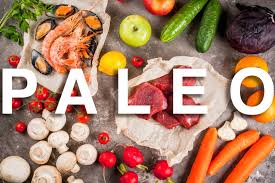
A 1500-calorie paleo meal plan is a moderate-deficit eating pattern built on meat, fish, eggs, non-starchy vegetables, fruit, nuts, and seeds while cutting grains, legumes, dairy, and refined sugar.
A 2015 systematic review by Manheimer et al. of four controlled trials found paleo eating produced short-term improvements in waist circumference, triglycerides, blood pressure, and HDL cholesterol versus reference healthy diets, but the evidence base is small and long-term data are limited (1).
At 1500 kcal it fits most sedentary women and small-frame men looking to lose 1 to 2 lb per week.
How the Macros Work at 1500 Calories on Paleo
Paleo removes grains, legumes, and dairy, so carbohydrate falls naturally to fruit, tubers, and vegetables.
Harvard’s Nutrition Source review notes that most paleo eaters land between 20 and 35 percent carbohydrate, 25 and 35 percent protein, and 35 and 55 percent fat, with wide individual variation (3). Translated to 1500 kcal:
- Protein: 100 to 130 g. Eggs, poultry, grass-fed beef, wild fish, shellfish.
- Fat: 70 to 90 g, weighted toward monounsaturated (avocado, olive oil) and omega-3 (salmon, walnuts). Keep saturated fat moderate.
- Carbohydrate: 100 to 150 g from non-starchy vegetables, berries, apples, sweet potato, and squash.
- Fiber: 25 to 35 g from vegetables, fruit, and nuts.
- Sodium: under 2,300 mg. Herbs, lemon, vinegar over salt.
Who This Plan Fits and Who It Does Not
- Fits: adults looking for a structured whole-food elimination pattern, CrossFit and functional-fitness athletes on rest or light days, people with mild grain or dairy sensitivities, most healthy adults 18 and older.
- Does not fit as written: endurance athletes training more than 90 minutes daily (carbs likely too low), people with a history of disordered eating, adults with kidney disease (protein needs tailoring), pregnant or nursing women without dietitian oversight, adults on warfarin (leafy green consistency matters), or anyone with tree nut allergy (swap in seeds).
Jonsson et al. 2009 found that in adults with type 2 diabetes, a paleo pattern improved glycemic control and lipid profile more than a diabetes-guideline diet over 3 months (2).
If you take insulin, sulfonylureas, or blood pressure medication, tell your prescriber before starting so doses can be adjusted as numbers improve.
7-Day 1500-Calorie Paleo Meal Plan
Day 1 (~1,495 kcal)
- Breakfast: Baked eggs in ham cups (2 eggs, 2 slices / 40 g nitrate-free ham, 1 cup spinach) with 1 medium apple (180 g). 330 kcal, 22 g protein, 26 g carb, 15 g fat.
- Snack: Almonds (1 oz / 28 g). 165 kcal, 6 g protein, 6 g carb, 14 g fat.
- Lunch: Chicken avocado salad (4 oz / 115 g grilled chicken breast, 1/2 medium avocado / 75 g, 2 cups mixed greens, 1 tbsp olive oil, lemon). 440 kcal, 32 g protein, 12 g carb, 28 g fat.
- Snack: Pecans (1 oz / 28 g). 195 kcal, 3 g protein, 4 g carb, 20 g fat.
- Dinner: Ham-wrapped asparagus (2 slices / 40 g ham, 8 spears / 130 g asparagus) with spinach, lemon, and shrimp salad (3 oz / 85 g shrimp, 2 cups spinach, 1 tsp olive oil). 365 kcal, 32 g protein, 12 g carb, 20 g fat.
- Daily total: 1,495 kcal, 95 g protein, 60 g carb, 97 g fat.
Day 2 (~1,490 kcal)
- Breakfast: Scrambled eggs with vegetables (3 eggs, 1/2 cup bell pepper / 75 g, 1/2 cup mushroom / 40 g, 1 cup spinach, 1 tsp olive oil). 325 kcal, 22 g protein, 8 g carb, 22 g fat.
- Snack: Turkey lettuce rollups (3 oz / 85 g deli turkey, 4 romaine leaves) with sliced bell pepper (1/2 cup / 75 g). 140 kcal, 22 g protein, 8 g carb, 3 g fat.
- Lunch: 1/2 medium avocado (75 g) with 4 oz / 115 g roast chicken, cherry tomatoes (1 cup / 150 g), 1 tsp olive oil. 425 kcal, 30 g protein, 15 g carb, 25 g fat.
- Snack: Almonds (1 oz / 28 g). 165 kcal, 6 g protein, 6 g carb, 14 g fat.
- Dinner: Chicken, bacon, and asparagus skillet (4 oz / 115 g chicken, 2 slices / 20 g bacon, 8 spears / 130 g asparagus, 1 tsp olive oil). 435 kcal, 40 g protein, 8 g carb, 28 g fat.
- Daily total: 1,490 kcal, 120 g protein, 45 g carb, 92 g fat.
Day 3 (~1,510 kcal)
- Breakfast: 2 eggs fried in 1 tsp coconut oil with 1/2 cup sauteed spinach and 1/2 cup blueberries (75 g). 290 kcal, 14 g protein, 15 g carb, 20 g fat.
- Snack: Almonds (1 oz / 28 g). 165 kcal, 6 g protein, 6 g carb, 14 g fat.
- Lunch: 1/2 medium avocado (75 g) with 4 oz / 115 g grilled chicken, mixed greens, cucumber, 1 tbsp olive oil, lemon. 445 kcal, 30 g protein, 12 g carb, 28 g fat.
- Snack: Pecans (1 oz / 28 g). 195 kcal, 3 g protein, 4 g carb, 20 g fat.
- Dinner: Chicken kebabs (5 oz / 140 g chicken, 1 cup bell pepper, 1 cup zucchini, 1 tbsp olive oil) with roasted Brussels sprouts (1 cup / 90 g). 415 kcal, 40 g protein, 20 g carb, 20 g fat.
- Daily total: 1,510 kcal, 93 g protein, 57 g carb, 102 g fat.
Day 4 (~1,500 kcal)
- Breakfast: Baked eggs in ham cups (2 eggs, 2 slices / 40 g ham) with cinnamon apple bites (1 medium apple / 180 g, cinnamon, 1 tsp coconut oil). 340 kcal, 20 g protein, 30 g carb, 15 g fat.
- Snack: 1 cup strawberries (150 g) with 1 tbsp almond butter (16 g). 150 kcal, 4 g protein, 15 g carb, 9 g fat.
- Lunch: 1/2 medium avocado (75 g) with 3 oz / 85 g canned tuna in water, 2 cups mixed greens, 1 tbsp olive oil, lemon. 410 kcal, 28 g protein, 10 g carb, 28 g fat.
- Snack: Almonds (1 oz / 28 g). 165 kcal, 6 g protein, 6 g carb, 14 g fat.
- Dinner: Baked chicken breast (5 oz / 140 g) with baked kale chips (2 cups kale / 130 g roasted with 1 tbsp olive oil) and 1/2 cup roasted sweet potato (100 g). 435 kcal, 40 g protein, 30 g carb, 18 g fat.
- Daily total: 1,500 kcal, 98 g protein, 91 g carb, 84 g fat.
Day 5 (~1,490 kcal)
- Breakfast: Spinach and mushroom scramble (2 eggs, 1 cup spinach, 1/2 cup mushroom / 40 g, 1 tsp olive oil) with 2 slices / 20 g bacon. 355 kcal, 25 g protein, 6 g carb, 25 g fat.
- Snack: Quick buffalo chicken salad (3 oz / 85 g shredded chicken, 1 cup romaine, 1 tbsp hot sauce, 1 tbsp olive oil). 230 kcal, 25 g protein, 3 g carb, 14 g fat.
- Lunch: Almonds (2 oz / 56 g) with 1 medium apple (180 g). 425 kcal, 12 g protein, 32 g carb, 28 g fat.
- Snack: Arugula salad (2 cups arugula, 1 tsp olive oil, lemon) with 1 cup strawberries (150 g). 135 kcal, 3 g protein, 15 g carb, 7 g fat.
- Dinner: Warm bacon broccoli salad (2 cups broccoli / 180 g, 2 slices / 20 g bacon, 1 tbsp olive oil, lemon, 1 tbsp sunflower seeds). 345 kcal, 15 g protein, 20 g carb, 25 g fat.
- Daily total: 1,490 kcal, 80 g protein, 76 g carb, 99 g fat.
Day 6 (~1,505 kcal)
- Breakfast: Banana egg pancakes (2 eggs, 1 medium banana / 120 g, cinnamon, 1 tsp coconut oil) with 2 hard-boiled eggs. 385 kcal, 25 g protein, 30 g carb, 20 g fat.
- Snack: Brussels sprouts slaw (1.5 cups shredded Brussels sprouts / 135 g, 1 tsp olive oil, lemon, 1 tbsp sliced almonds). 165 kcal, 6 g protein, 15 g carb, 10 g fat.
- Lunch: 1/2 medium avocado (75 g) with 3 oz / 85 g grilled shrimp, 2 cups mixed greens, 1 tsp olive oil, lime. 360 kcal, 25 g protein, 12 g carb, 22 g fat.
- Snack: Almonds (1 oz / 28 g). 165 kcal, 6 g protein, 6 g carb, 14 g fat.
- Dinner: Maple-mustard glazed pink salmon (4 oz / 115 g, 1 tsp maple syrup, 1 tsp mustard) with pan-fried broccoli (2 cups / 180 g, 1 tbsp olive oil). 430 kcal, 30 g protein, 20 g carb, 25 g fat.
- Daily total: 1,505 kcal, 92 g protein, 83 g carb, 91 g fat.
Day 7 (~1,510 kcal)
- Breakfast: Spinach and mushroom scramble (2 eggs, 1 cup spinach, 1/2 cup mushroom, 1 tsp olive oil) with 2 slices / 20 g bacon and 1/2 cup blueberries (75 g). 390 kcal, 25 g protein, 15 g carb, 26 g fat.
- Snack: Almonds (1 oz / 28 g). 165 kcal, 6 g protein, 6 g carb, 14 g fat.
- Lunch: Chicken, bacon, and asparagus skillet (as Day 2). 435 kcal, 40 g protein, 8 g carb, 28 g fat.
- Snack: Brussels sprouts slaw (as Day 6). 165 kcal, 6 g protein, 15 g carb, 10 g fat.
- Dinner: Baked chicken breast (4 oz / 115 g) with baked kale chips (2 cups kale roasted with 1 tsp olive oil) and 1/2 cup roasted butternut squash (100 g). 355 kcal, 35 g protein, 25 g carb, 12 g fat.
- Daily total: 1,510 kcal, 112 g protein, 69 g carb, 90 g fat.
7-Day Comparison Summary
Save as PDF| Day | Total kcal | Protein (g) | Carbs (g) | Fat (g) |
|---|---|---|---|---|
| 1 | 1,495 | 95 | 60 | 97 |
| 2 | 1,490 | 120 | 45 | 92 |
| 3 | 1,510 | 93 | 57 | 102 |
| 4 | 1,500 | 98 | 91 | 84 |
| 5 | 1,490 | 80 | 76 | 99 |
| 6 | 1,505 | 92 | 83 | 91 |
| 7 | 1,510 | 112 | 69 | 90 |
What the Evidence Actually Shows
Manheimer et al. 2015 pooled four controlled trials (159 participants) and found paleo eating produced greater short-term reductions in waist circumference, triglycerides, blood pressure, HDL, and fasting blood glucose than reference guideline-based diets, though the sample was small and long-term follow-up scarce (1).
Jonsson et al.
2009 randomized 13 adults with type 2 diabetes to a paleo or standard diabetes diet and found lower HbA1c and improved lipids on the paleo arm at 3 months (2).
Harvard’s Nutrition Source cautions that dropping whole grains and legumes removes major sources of fiber, folate, and B vitamins, and that quality of animal protein choices matters as much as the label “paleo” (3).
The honest bottom line: paleo works short-term for weight and glucose, but sustainability and micronutrient balance depend on how you build it.
What to Expect in Week 1
- Weight loss of 2 to 5 lb in the first week, mostly water and glycogen as carb intake drops.
- Adjustment days: headache, fatigue, or sluggish workouts through day 3 or 4 (sometimes called “keto flu” though carbs stay higher on paleo). Salt broths, hydrate, and eat starchy vegetables like sweet potato at dinner if symptoms persist.
- Bathroom shifts: fiber climbs from vegetables and fruit. Drink 8 to 10 cups of water daily.
Practical Tips
- Batch-cook 4 to 6 chicken breasts and a tray of roasted vegetables every Sunday.
- Keep pastured eggs, canned wild salmon, canned sardines, almonds, olives, avocado, and frozen berries on hand for fast meals.
- Avoid “paleo desserts” and paleo protein bars during a weight-loss phase. They stack calories fast.
- If your workouts fall flat, add 1/2 cup roasted sweet potato or a whole banana around training rather than cutting protein.
Frequently Asked Questions
Is 1500 calories enough on paleo?
For most sedentary women 1500 kcal is a moderate weight-loss deficit; for most men and active women it is a larger deficit. Sedentary women weighing 140 to 180 lb typically maintain around 1700 to 2000 kcal, so 1500 kcal drives 0.5 to 1.5 lb of loss per week.
How much weight will I lose?
Expect 2 to 5 lb the first week from water and glycogen shifts, then 1 to 2 lb weekly for 6 to 8 weeks, tapering to 0.5 to 1 lb weekly as the deficit narrows.
Can I eat legumes on paleo?
Strict paleo excludes legumes because of anti-nutrients like lectins and phytates.
If you tolerate legumes and want the fiber, folate, and protein, adding 1/2 cup daily takes you into a “primal” or “flexible paleo” pattern rather than strict paleo, and it does not change the calorie math meaningfully.
Is paleo safe for diabetes?
Jonsson 2009 and later small trials show improved glucose and lipids in adults with type 2 diabetes on paleo (2). If you take insulin or sulfonylureas, coordinate with your prescriber before dropping carbs, because blood sugar can fall fast and medication doses may need to drop.
What about calcium if I skip dairy?
Sardines with bones, canned salmon with bones, dark leafy greens (kale, collards, bok choy), and almonds cover most calcium needs. If intake stays under 800 mg daily, consider a supplement under clinician guidance.
Can I do paleo as a vegetarian?
Not really. Paleo relies on animal protein and excludes legumes and most grains, which are the vegetarian protein staples. A “pegan” hybrid keeps most vegetables and adds moderate legumes back, but it is not strict paleo.
Do I have to buy grass-fed and organic?
No. Conventional lean poultry, eggs, and fish work fine within a 1500 kcal paleo template. Grass-fed beef has more omega-3 but the difference is modest at these portion sizes. Prioritize consistency over premium sourcing.
Disclaimer
1500 kcal per day sits below the maintenance needs of most adults and drives weight loss. Paleo eliminates whole food groups (grains, legumes, most dairy), which can create gaps in calcium, vitamin D, folate, and fiber unless you plan carefully. Blood sugar can drop fast on lower-carb eating if you take insulin, sulfonylureas, or meglitinides; contact your prescriber before starting.
Adults with kidney disease, gout, or a history of disordered eating, pregnant or nursing women, and children under 18 should work with a registered dietitian to tailor this pattern. This article is educational and does not replace an individualized care plan. Not medical advice.