Read this first. The National Heart, Lung, and Blood Institute (NHLBI) doesn’t split the DASH Eating Plan into numbered phases. “DASH Phase 1” is popular shorthand for the first two weeks people use to get lower-sodium, higher-produce eating patterns in place.
If you take blood pressure, diabetes, or kidney medication, don’t cut sodium hard, load up on potassium-rich foods, or drop calories on your own. Talk to your doctor or a registered dietitian first. This article is general information, not medical advice.
DASH Diet Phase 1: The First Two Weeks, Explained
Here’s the honest version. The DASH diet isn’t officially divided into phases the way Atkins or South Beach are. NHLBI, which developed DASH, describes it as a single lifestyle pattern: lots of vegetables, fruit, whole grains, low-fat dairy, lean protein, nuts and legumes, and less sodium, added sugar, and red meat.
“Phase 1” is shorthand people use for the first 10 to 14 days of getting on plan. That’s when you retire the salt shaker, clean out the sugary drawer, and build a produce-heavy routine. Some popular DASH books (especially Marla Heller’s) also sell a low-carb “kick-start” version that skips fruit and grains for two weeks. That is not the NHLBI plan. It’s a modified take.
This page walks through both interpretations so you know which one you’re following.
What’s on This Page
- What “Phase 1” actually means
- NHLBI DASH vs. the low-carb kick-start
- Daily servings at 2,000 calories
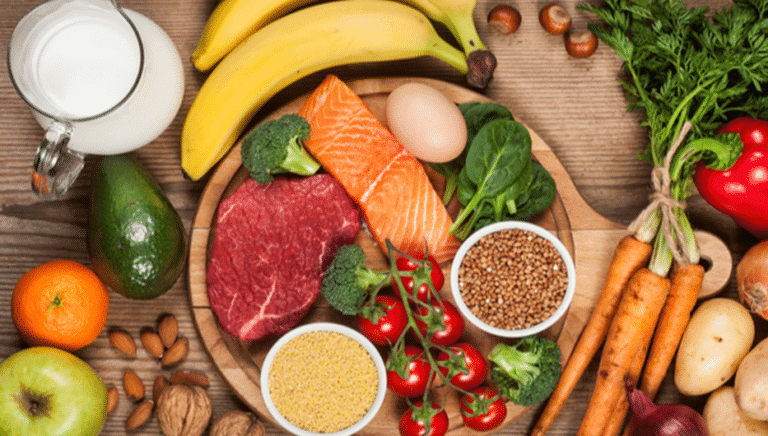
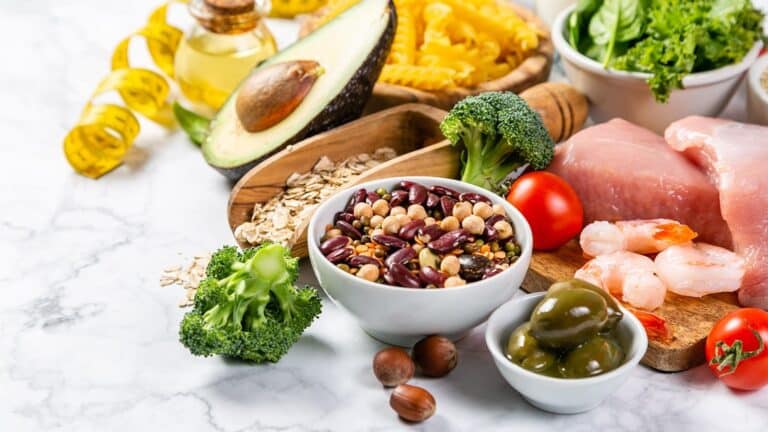
- Foods to lean on
- Sodium: 2,300 vs. 1,500 mg
- A practical two-week start
- FAQ
What “Phase 1” Actually Means
Search “DASH Phase 1” and you’ll find two different answers. The first is the NHLBI plan: no phases, just the pattern. The second is a modified low-carb “kick-start” popularized by dietitian Marla Heller in The DASH Diet Weight Loss Solution. Her version cuts fruit and grains for the first 14 days to blunt cravings and reset eating patterns, then reintroduces them.
Both are reasonable starting points. NHLBI’s version is what the clinical trials studied (Sacks 2001, DASH-Sodium trial). Heller’s version is a weight-loss adaptation, not a blood pressure protocol.
Which one should you follow?
- Managing blood pressure? Follow the NHLBI pattern. That’s the version with the trial data behind it.
- Primarily trying to lose weight and cut cravings? Heller’s 14-day kick-start is fine as a short-term reset, then move to the full NHLBI plan.
- On blood pressure or diabetes medication? Talk to your doctor before starting either version. Lower sodium and higher potassium can shift how your meds work.
NHLBI DASH vs. the Low-Carb Kick-Start
| Element | NHLBI DASH | Heller’s 14-day kick-start |
|---|---|---|
| Fruit | 4-5 servings/day | None for 14 days |
| Whole grains | 6-8 servings/day | None for 14 days |
| Vegetables | 4-5 servings/day | Unlimited non-starchy |
| Low-fat dairy | 2-3 servings/day | 2-3 servings/day |
| Lean protein | Up to 6 oz/day | Up to 6 oz/day |
| Nuts, seeds, legumes | 4-5 servings/week | Daily encouraged |
| Sodium | 2,300 mg (or 1,500 mg lower) | Low sodium encouraged |
| Evidence base | DASH-Sodium trial (Sacks 2001) | Author’s weight-loss adaptation |
Daily Servings at 2,000 Calories (NHLBI Standard)
This is the NHLBI eating pattern for someone eating about 2,000 calories a day. Adjust up or down for your actual needs.
- Grains: 6-8 servings/day, mostly whole grain
- Vegetables: 4-5 servings/day
- Fruits: 4-5 servings/day
- Low-fat or fat-free dairy: 2-3 servings/day
- Lean meat, poultry, fish: up to 6 oz/day (cooked)
- Nuts, seeds, legumes: 4-5 servings/week
- Fats and oils: 2-3 servings/day
- Sweets and added sugars: 5 or fewer/week
- Sodium: 2,300 mg/day standard, 1,500 mg/day lower
Foods to Lean on in the First Two Weeks
Vegetables and fruit
Half the plate. Fresh, frozen, canned in water (drained and rinsed). Leafy greens, broccoli, tomatoes, peppers, carrots, sweet potato, berries, citrus, apples, bananas. Frozen produce counts. It’s often fresher than “fresh” that’s been in a truck for a week.
Whole grains
Oats, brown rice, quinoa, barley, whole wheat bread and pasta, plain popcorn. If you’re doing Heller’s kick-start, skip these for 14 days.
Low-fat dairy
Milk (skim or 1%), plain yogurt, cottage cheese, small amounts of cheese. Watch cheese sodium; some brands run 300+ mg per ounce.
Lean protein
Skinless chicken and turkey, fish (2 servings/week, especially fatty fish for omega-3s), eggs, tofu, beans and lentils. Trim visible fat. Keep portions to a deck of cards per meal.
Nuts, seeds, legumes
Unsalted almonds, walnuts, pistachios, chia, flax, sunflower seeds, black beans, kidney beans, chickpeas, lentils. A handful of nuts is a serving.
Skip or cut back on
- Processed meats (deli meat, bacon, sausage, hot dogs) — sodium bombs
- Fast food and restaurant meals (typical entree can hit 2,000+ mg sodium alone)
- Sugary drinks, including juice
- Salty snacks (chips, crackers, pretzels)
- Canned soups and prepared frozen meals unless low-sodium
Sodium: 2,300 mg vs. 1,500 mg
NHLBI DASH sets two targets. The standard target is 2,300 mg/day (about 1 teaspoon of salt total, including what’s already in food). The lower target is 1,500 mg/day, which produced bigger blood pressure drops in the DASH-Sodium trial (Sacks 2001).
For context, the average American eats about 3,400 mg/day, and roughly 70% of that comes from packaged foods and restaurants, not from the shaker. Cutting sodium starts with reading labels, not with hiding the salt.
The 2021 AHA scientific statement on dietary guidance (Lichtenstein 2021) puts DASH in the top tier of eating patterns for cardiovascular health, alongside Mediterranean-style eating.
A Practical Two-Week Start
Whichever version you’re following, these steps get you moving without white-knuckling it.
- Days 1-3: Add. Don’t subtract. Get to 4 vegetable servings and 3 fruit servings daily. Drink water instead of soda.
- Days 4-7: Swap. White bread to whole wheat, white rice to brown rice, chips to nuts, deli meat to fresh sliced turkey breast.
- Days 8-10: Cook two dinners at home from scratch. Restaurant sodium is the biggest single thing you’ll fix.
- Days 11-14: Read a nutrition label for every packaged food you buy. Aim for <140 mg sodium per serving on staples.
After two weeks, most people notice food tastes different. Naturally salted foods (canned soup, processed cheese, chain-restaurant meals) start to taste too salty. That’s the palate adjusting, and it’s the change you’re after.
FAQ
Does DASH officially have a Phase 1?
No. NHLBI, which developed DASH, presents it as one eating pattern with no phases. “Phase 1” is a term popularized by Marla Heller’s DASH weight-loss books to describe a low-carb 14-day starter. Both are labeled DASH, but only the NHLBI pattern is what the clinical trials studied.
Why does the low-carb version cut fruit?
Heller’s rationale is that dropping fruit for two weeks helps blunt sugar cravings and reset appetite. It’s a weight-loss adaptation, not a blood pressure protocol. NHLBI DASH includes 4-5 fruit servings a day.
Is DASH a low-carb diet?
No. Standard NHLBI DASH is moderate-to-high carb (about 55% of calories) with whole grains, fruit, and vegetables carrying most of the load. It’s low in added sugar, not in carbohydrate.
Should I aim for 1,500 mg or 2,300 mg sodium?
2,300 mg is the standard target and a reasonable place to start. 1,500 mg produced larger blood pressure drops in the DASH-Sodium trial and is recommended by AHA for adults with high blood pressure. Ask your doctor which target fits your situation.
Can I do DASH if I’m on blood pressure medication?
Yes, but talk to your doctor first. DASH plus lower sodium can drop blood pressure enough that your medication dose may need to change. Don’t stop or lower your meds on your own.
How fast will I see results?
In the DASH-Sodium trial, blood pressure started dropping within about two weeks, with the biggest effect in people with hypertension on the low-sodium version (about 7.1/11.5 mmHg systolic/diastolic drop). Weight loss is slower and depends on total calorie intake.
Will I lose weight on DASH Phase 1?
Possibly. DASH wasn’t designed as a weight-loss diet, but people often lose weight when they replace processed foods with produce and whole grains. Heller’s low-carb kick-start is more aggressive about early weight loss. Long-term, DASH works best as a maintenance pattern.
Related Reading
- The full DASH diet plan
- DASH Phase 1 recipes
- DASH diet grocery list
- Low-sodium DASH plan