Our DASH tag covers meal plans and recipes based on the Dietary Approaches to Stop Hypertension protocol, the eating pattern originally tested in the NIH-funded DASH and DASH-Sodium trials. Plans run 1,400 to 2,000 kcal per day and include vegetarian, budget, phase 1, and low-sodium versions.
Cognitive decline, dementia, and Alzheimer’s disease are complex conditions with genetic, vascular, metabolic, and social contributors. No diet, including the MIND diet, prevents or cures dementia.
Do not stop or adjust blood pressure medication on your own. Sudden BP drops from combining diet changes with medication can cause dizziness, falls, or fainting.
Medical safety notice. DASH is generally safe for most adults, but if you take blood-pressure medication, potassium-sparing diuretics, ACE inhibitors, ARBs, lithium, or have chronic kidney disease (potassium and phosphorus may need to be restricted, not increased), talk to your…
Do not stop or adjust blood pressure medication on your own. Sudden BP drops can cause dizziness, falls, or fainting. A 1400-kcal plan is a modest deficit for many adults; some (larger adults, active adults, pregnant or lactating women) will…
Consult your physician, pharmacist, or registered dietitian before starting a diet aimed at lowering blood pressure, especially if you take antihypertensive medication (ACE inhibitors, ARBs, beta blockers, calcium channel blockers, thiazide diuretics), potassium-sparing drugs (spironolactone, amiloride), lithium, or NSAIDs.
Losing weight is the main objective of most diets, but not everyone is looking for a diet to help them lose weight. Some diets can achieve different results.
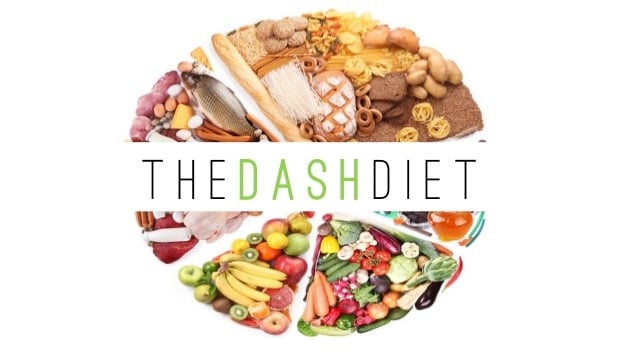
DASH stands for Dietary Approaches to Stop Hypertension. It was designed at NIH and tested in the DASH trial (Appel 1997) and the DASH-Sodium trial (Sacks 2001) as a whole-diet intervention to lower blood pressure without medication or weight loss…
DASH is an abbreviation for Dietary Approaches to Stop Hypertension. The DASH diet is a healthy-eating regimen meant to treat or prevent hypertension (high blood pressure).
In ranking the best diets for several years in a row, 1st place was taken by the so-called DASH diet, considered the most effective diet for improving all health indicators.
DASH lines up well with what women’s bodies typically need. It’s built around potassium, calcium, magnesium, fiber, and lean protein. Those are exactly the nutrients most women under-eat, according to national intake surveys.
Dash diet smoothie recipes are undoubtedly the best way to start your mornings with a refreshing and healthy start. They are also low in sugar and calories and incredibly delicious and tempting.
The DASH diet meal plan of 1600 calories is undoubtedly the best way to treat and prevent hypertension, but there are still people around who have found it an excellent method to lose weight.
These recipes fit the first two weeks of a DASH pattern: protein-forward, produce-heavy, and low on added sodium. Each one lists estimated sodium per serving so you can budget your day against either the 2,300 mg standard target or the…
Here’s the honest version. The DASH diet isn’t officially divided into phases the way Atkins or South Beach are. NHLBI, which developed DASH, describes it as a single lifestyle pattern: lots of vegetables, fruit, whole grains, low-fat dairy, lean protein,…
About this collection
Our DASH tag covers meal plans and recipes based on the Dietary Approaches to Stop Hypertension protocol, the eating pattern originally tested in the NIH-funded DASH and DASH-Sodium trials. Plans run 1,400 to 2,000 kcal per day and include vegetarian, budget, phase 1, and low-sodium versions.
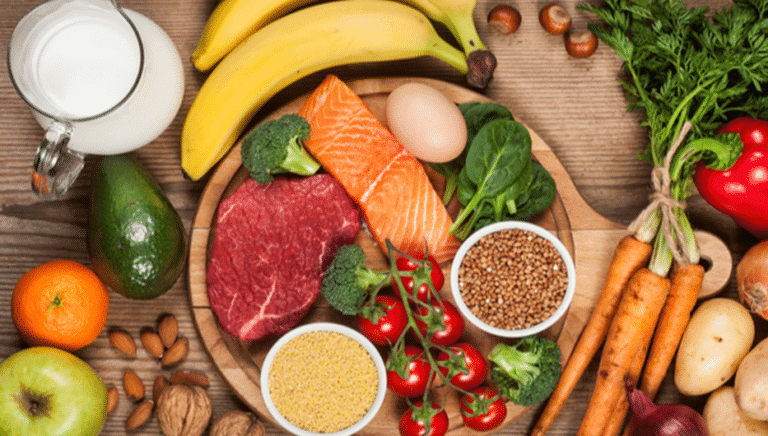
Every plan targets the DASH structure: 4 to 5 servings of vegetables, 4 to 5 of fruit, 6 to 8 of whole grains, 2 to 3 of low-fat dairy, and 6 or fewer of lean protein per day, with sodium held to 1,500 or 2,300 mg depending on the version. Nutrition is calculated per meal against the Nutritionix database and USDA FoodData Central, and cards flag potassium, magnesium, calcium, and sodium so blood pressure macros are visible at a glance.
DASH content is written or reviewed by a Registered Dietitian on our team (Brenda Peralta, Kerly Cordova, Marita Radloff, or Karolina Peterova) and medically reviewed by Franco Cuevas, MD. Recipes are tested by our Food Editor Damla Sengul in our Wayne, NJ kitchen. Questions or corrections go to social@dietsmealplan.com.