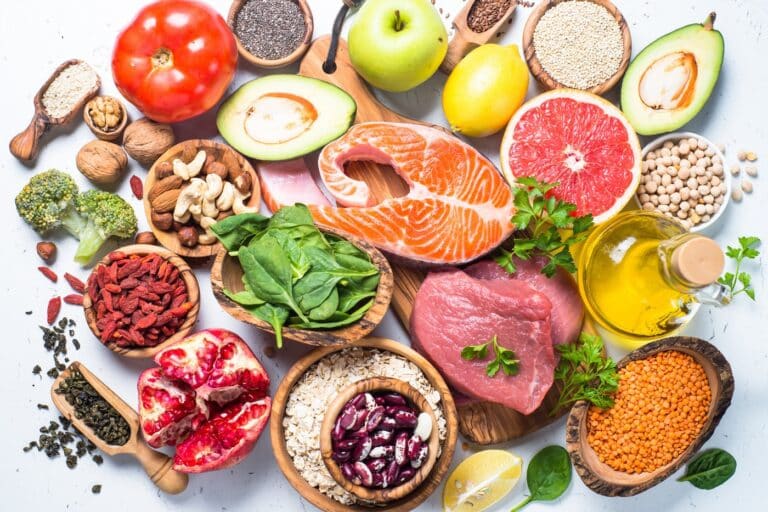
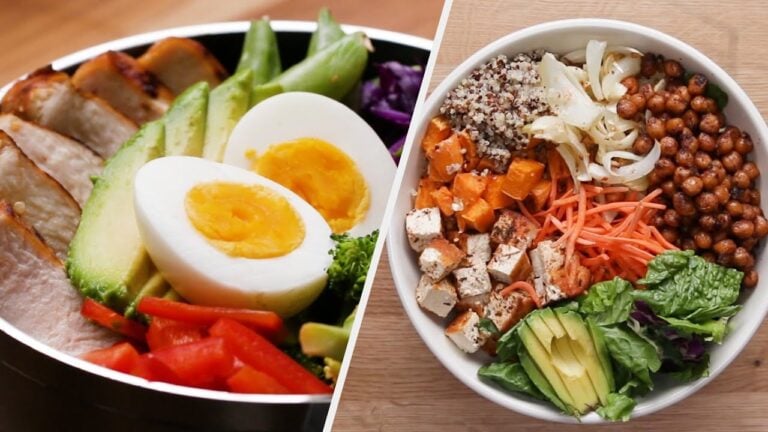
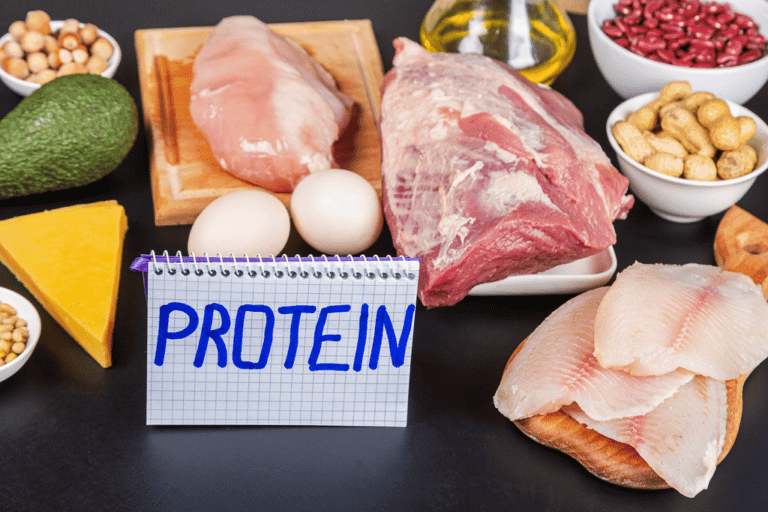
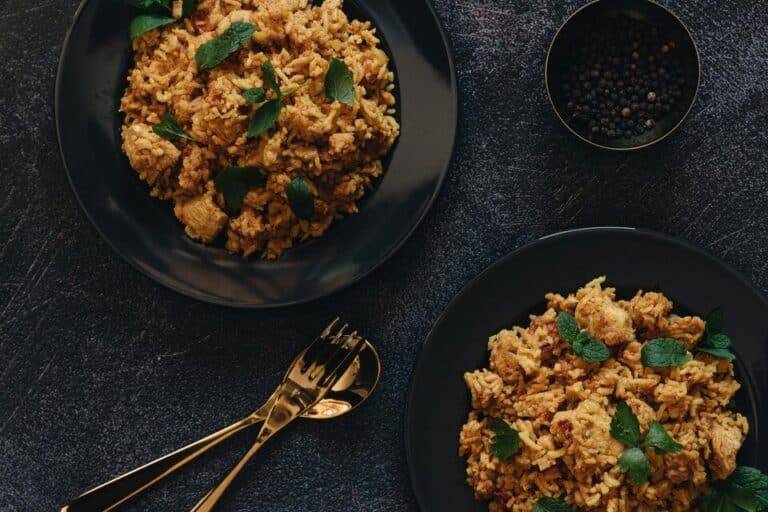
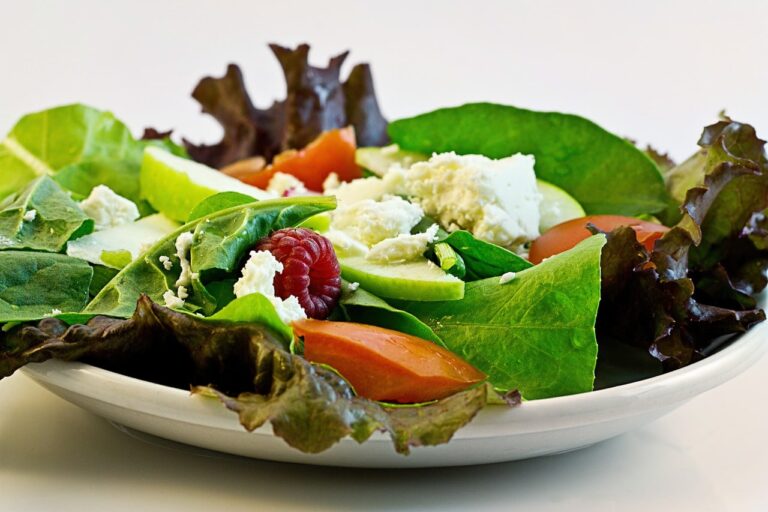
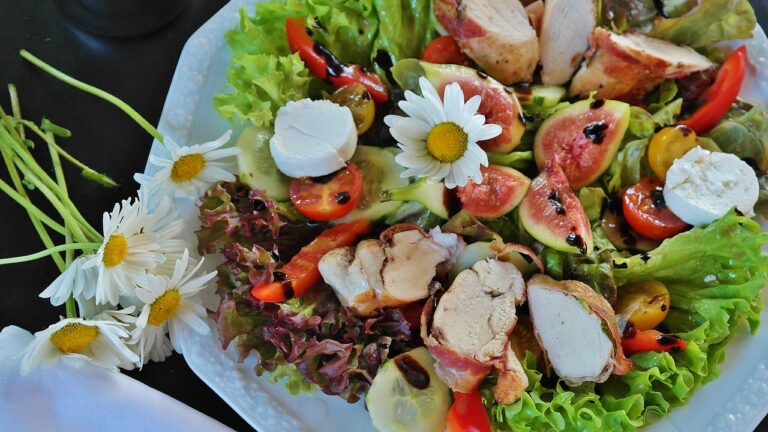
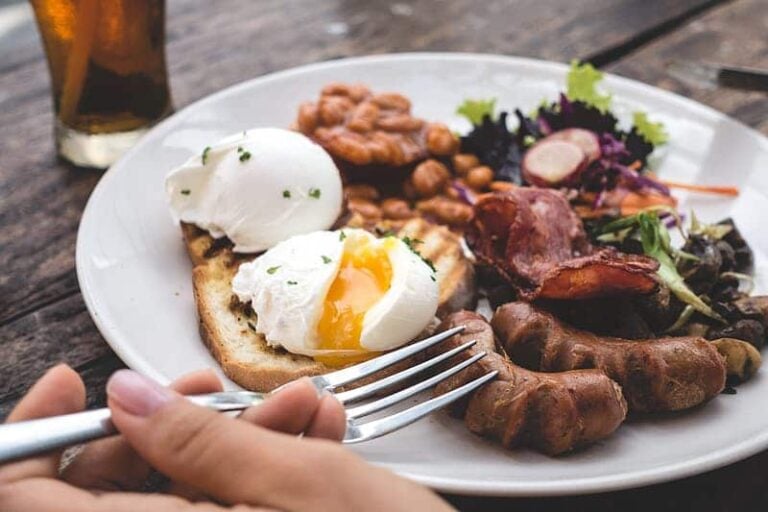
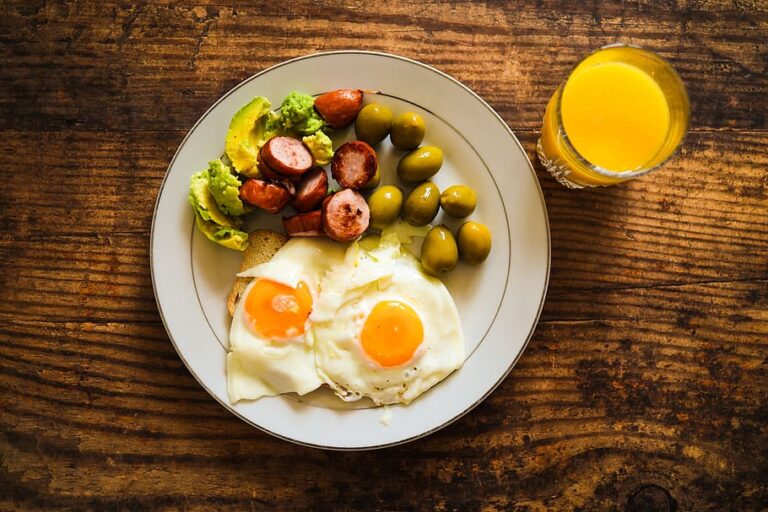
High-protein meal plans built for weight loss with lean-mass preservation, muscle building, or general satiety. High-protein doesn't mean protein-bar-and-shake meal replacement - it means real meals structured around eggs, chicken, fish, lean beef, tofu, tempeh, cottage cheese, Greek yogurt, legumes, and protein-rich whole grains.
Oats are a genuinely useful whole food: rich in soluble beta-glucan fiber that is linked to lower LDL cholesterol and steadier blood sugar (1)(2). But a single-food diet is not the same as a healthy way of eating.
Short answer: A 2000-calorie high-protein meal plan pushes daily protein to 150 g or more (about 30 percent of calories) while keeping total energy at maintenance for most adult women and lightly active adult men.
Talk with a registered dietitian or physician before making major diet changes, especially if you have a medical condition, take medication, are pregnant or breastfeeding, or have chronic kidney disease.
Talk with a registered dietitian or physician before making significant diet changes, especially if you have a medical condition, take medication, or are pregnant, trying to conceive, breastfeeding, or managing a history of disordered eating.
Sea bass simmered into a clean, brothy soup that lands at 103 calories a bowl, the lightest meal on this list. It proves the quiet advantage of pescatarian eating: fish gives you dinner-level satisfaction at soup-level calories.
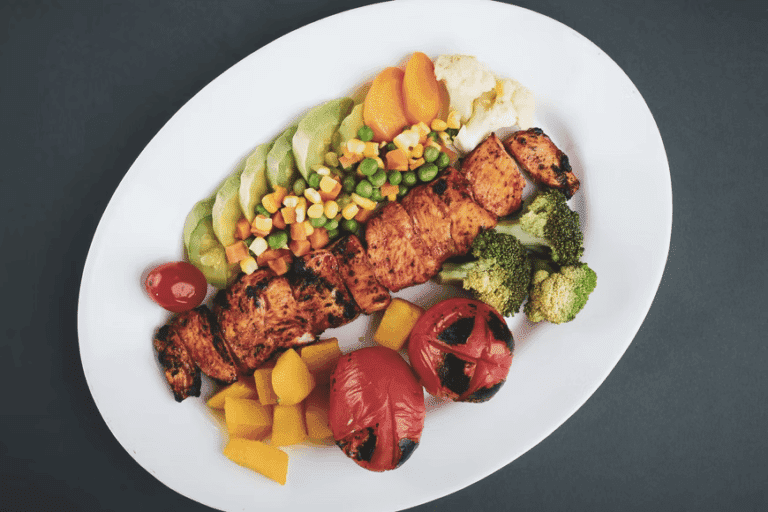
A protein diet is a great way to lose weight at the expense of excess fat. As a result, you get an average weight, and the body gets rid of toxins and slags.
Undesired weight gain is a prevalent issue nowadays. Are you going through the same? Reports show that millennials in the USA have gained an average of 41 pounds of undesired weight in February 2021 since the start of the covid…
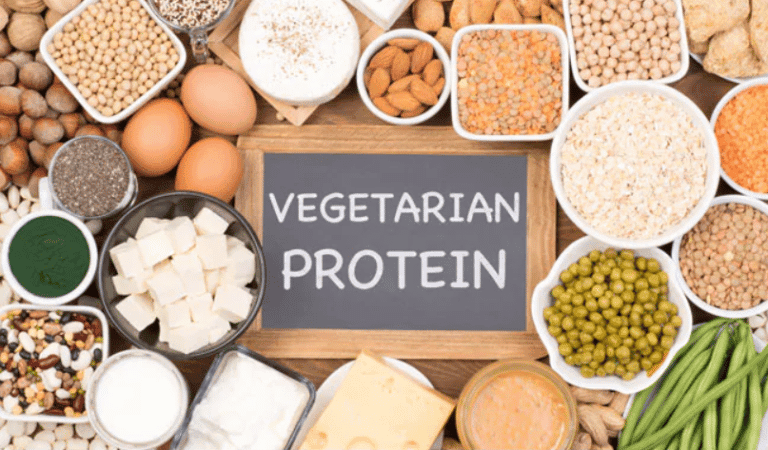
The “where do you get your protein” question is the vegetarian’s oldest running joke. In practice, hitting protein targets on a plant-based diet is very doable if you know which foods carry the weight. Tofu, tempeh, seitan, lentils, and beans…
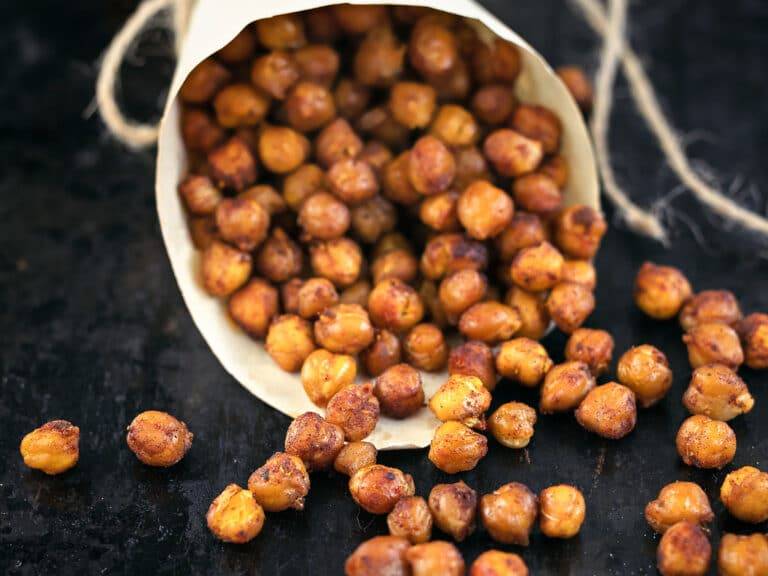
Here is a sweet and spicy roasted chickpea recipe! Baked chickpeas with lots of spice, sweet, crispy outside and soft inside… An incredibly delicious and healthy snack.
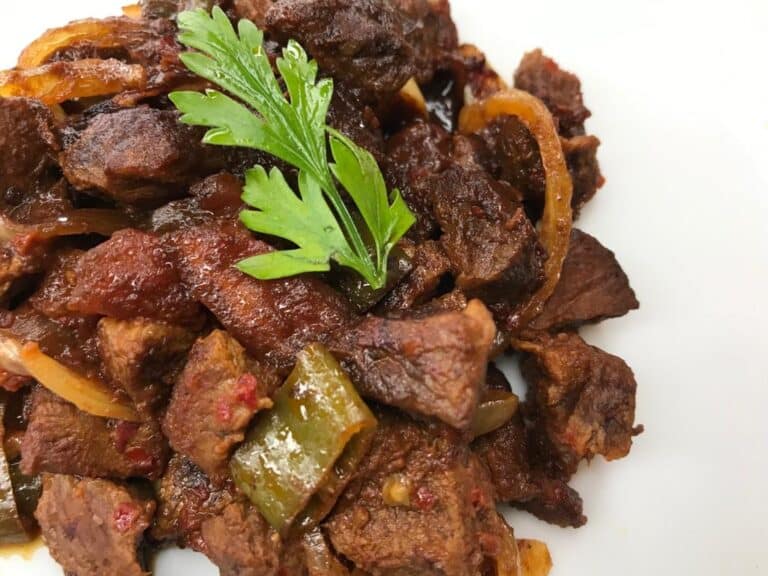
This dish, which is a classic of Turkish cuisine, actually belongs to a region in the South of the country. It has become so loved and famous that it is consumed lovingly nationwide.
Whether you like protein-rich meals, carbohydrates and protein together, or are just looking for a tasty meal for your diet, this is an ideal recipe for you.
This guide is written for healthy adults interested in higher-protein vegetarian eating for muscle building. It is not intended for children, pregnant or breastfeeding people, or anyone with reduced kidney function, since higher-protein intakes can strain compromised kidneys. If you…
There’s more to a 1000 calorie meal plan with high protein than just building lean muscle mass. While following this high protein diet, you can also lose that extra weight around your body faster.
About this collection
High-protein meal plans built for weight loss with lean-mass preservation, muscle building, or general satiety. High-protein doesn't mean protein-bar-and-shake meal replacement - it means real meals structured around eggs, chicken, fish, lean beef, tofu, tempeh, cottage cheese, Greek yogurt, legumes, and protein-rich whole grains. Every plan is macro-calibrated per meal to hit 25-35% of calories from protein (typically 130-200g per day depending on target).
Plans cover calorie ranges from 1,200 to 3,000+, diet frameworks (keto high-protein, low-carb high-protein, Mediterranean high-protein, vegetarian high-protein, vegan high-protein), and specific goals (fat loss with muscle preservation, lean-mass gain, body recomposition, senior sarcopenia prevention). Nutrition is calculated per serving using the Nutritionix database and cross-referenced against USDA references.
Who this is for: adults wanting steady weight loss without muscle loss, active adults building muscle, older adults preventing sarcopenia, and anyone whose weight-loss plateau resolved by eating more protein. Who it may not fit: readers with chronic kidney disease (protein load typically restricted - work with your nephrologist), gout patients on tight purine limits, and readers with medically supervised protein targets. Sources include the International Society of Sports Nutrition Position Stand on protein, Academy of Nutrition and Dietetics, and Harvard T.H. Chan School of Public Health.