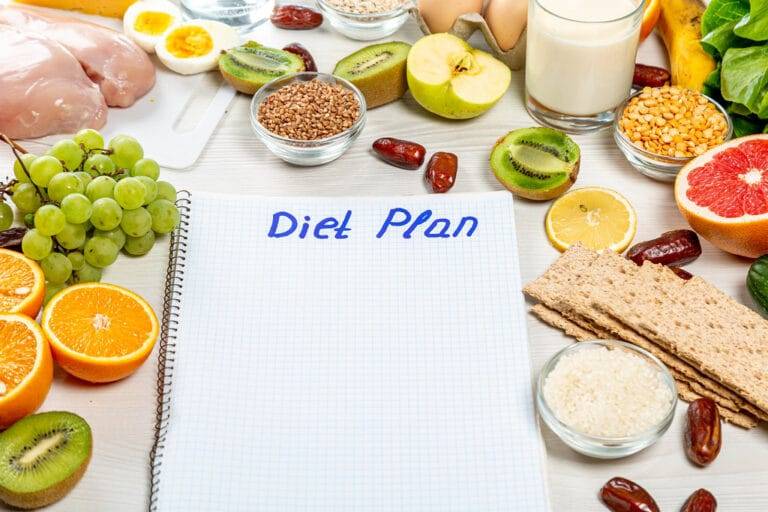
How to Make an Alkaline Diet Plan
Honest lead: The alkaline diet is built on a claim that will not survive a chemistry class. Your body tightly controls blood pH between 7.35 and 7.45 no matter what you eat, and food cannot meaningfully change it.
Diets Meal Plan builds calorie- and diet-specific meal plans that people can actually follow. Every plan is a full seven-day (or 14, 21, 30-day) framework with breakfast, lunch, dinner, and snacks, calorie-balanced to the target on the title, and structured around real recipes tested in our kitchen - not spreadsheet math with generic food names.
Honest lead: The alkaline diet is built on a claim that will not survive a chemistry class. Your body tightly controls blood pH between 7.35 and 7.45 no matter what you eat, and food cannot meaningfully change it.

The strongest evidence comes from the DiRECT trial (Lean et al., The Lancet 2018), which put adults with type 2 diabetes on a 12-week 825 to 853 kcal/day formula diet under primary-care supervision.

The National Institutes of Health defines Very Low Calorie Diets as under 800 kcal/day and recommends medical supervision; the 1000-kcal band is a Low Calorie Diet (LCD) and still benefits from clinician oversight if used for more than a few…
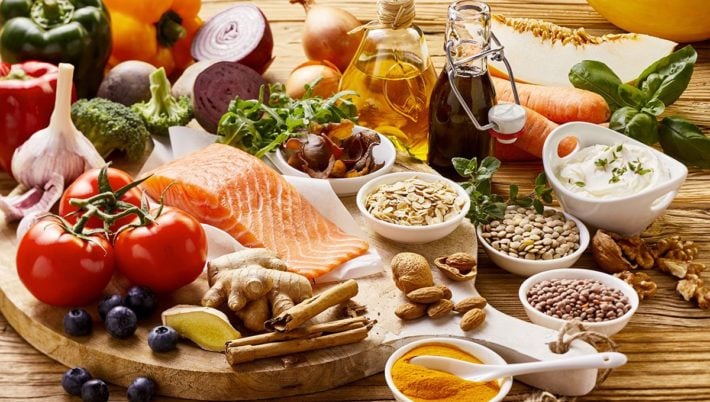
An 1800-calorie Mediterranean diet centers on vegetables, legumes, whole grains, extra-virgin olive oil (EVOO), fish twice a week, moderate dairy, and small amounts of red meat and sweets.
Short answer: A 2000-calorie paleo meal plan removes grains, legumes, dairy, and refined sugar while centering meat, fish, eggs, vegetables, fruit, nuts, and healthy fats.
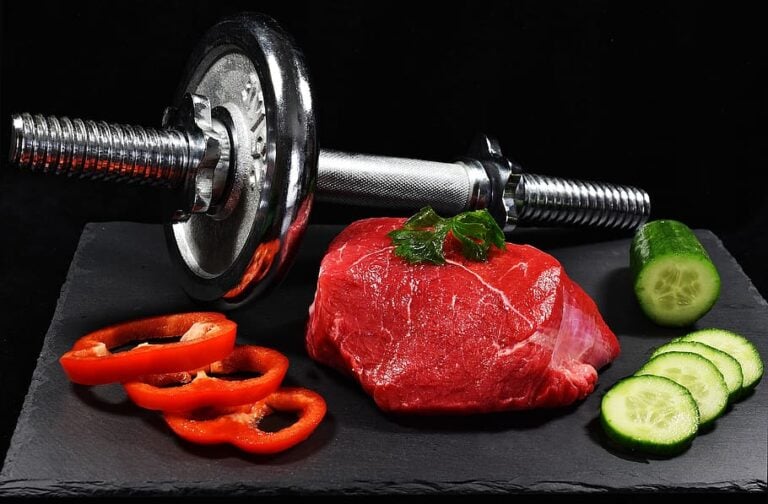
A 1900-calorie bodybuilding meal plan is a small-to-moderate cutting protocol built around 150 to 180 g high-quality protein per day, structured carbs around training, and enough fat for hormone support.
A 1000-calorie plant-based diet can work as a short-term weight-loss plan for small-to-average adults, but 1000 kcal sits below the estimated basal metabolic rate of most adults and is generally too low for continuous long-term use without medical supervision.

Talk with a registered dietitian or physician before making significant diet changes, especially if you have a medical condition, take medication, or are pregnant, trying to conceive, breastfeeding, or managing a history of disordered eating.
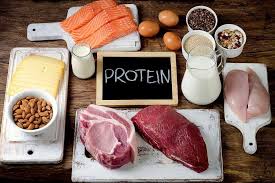
Budget reality check: A high-protein diet does not require whey isolate, grass-fed steak, or a Whole Foods membership.

The honest lead: Most “healthy” smoothies are stealth sugar bombs. A standard fruit smoothie can hit 60 to 90 g of carbohydrate before you add anything else.

Pre-bariatric surgery preparation must be supervised by your bariatric surgeon and program dietitian. Individual results may vary.

Short answer: A 2000-calorie lacto-ovo vegetarian meal plan can meet every macronutrient and most micronutrient targets when it is built around legumes, whole grains, dairy or fortified plant milk, eggs, nuts, seeds, and a wide vegetable and fruit base.

Honest headline: A traditional Indian dietary pattern, dal, roti, sabzi, rice, curd, is one of the most nutritionally sound eating patterns in the world when built on whole grains, legumes, vegetables, and dairy rather than deep-fried snacks and sweets.

A 1,600 calorie vegan meal plan is a moderate energy, fully plant based menu that suits many smaller adults, older adults, and anyone aiming for gradual weight loss of about half a kilogram per week.

Any pounds lost while following it come from calorie restriction, not from a fat-burning property of dates. Reviews of single-food diets consistently show they are not sustainable and can create nutrient gaps.
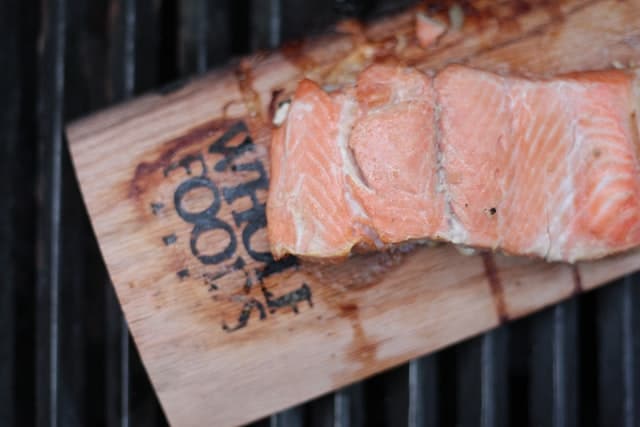
The PREDIMED trial (Estruch et al. 2013, revised 2018) of 7,447 adults at high cardiovascular risk found the Mediterranean pattern (which is largely pescatarian) cut major cardiovascular events by roughly 30 percent compared with a low-fat control (1).

Randomized trials show that eating 1.6 to 2.4 g of protein per kg of body weight during a deficit meaningfully protects muscle compared to typical intakes (Longland et al., 2016; Helms et al., 2014).
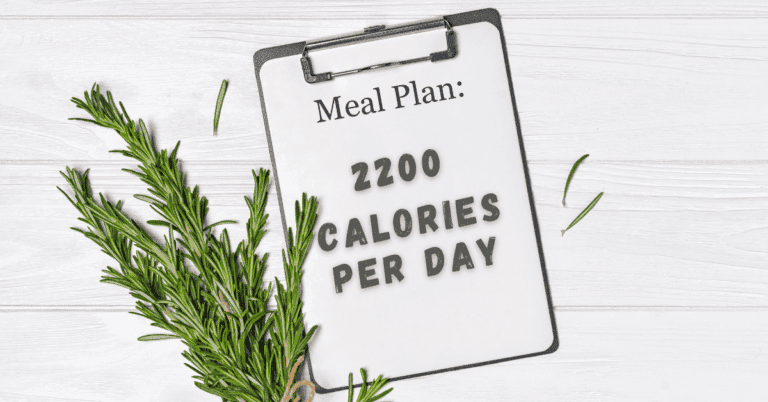
The macro split below targets roughly 30% protein (about 165 g), 40% carbohydrate (about 220 g), and 30% fat (about 73 g), which aligns with the USDA Dietary Guidelines Acceptable Macronutrient Distribution Ranges and with obesity-management protein targets published in…