Medical Disclaimer: This article is for informational purposes only and is not a substitute for professional medical advice, diagnosis, or treatment.
Always consult a registered dietitian, physician, or qualified healthcare provider before making significant changes to your diet, especially if you have a medical condition, take medication, are pregnant or nursing, or are managing a chronic illness. Individual results may vary.
2000-Calorie Vegetarian Meal Plan: An Honest 7-Day Guide
Short answer: A 2000-calorie lacto-ovo vegetarian meal plan can meet every macronutrient and most micronutrient targets when it is built around legumes, whole grains, dairy or fortified plant milk, eggs, nuts, seeds, and a wide vegetable and fruit base.
The Academy of Nutrition and Dietetics 2016 position paper concluded that appropriately planned vegetarian diets are healthful, nutritionally adequate, and may provide health benefits including lower risk of heart disease and type 2 diabetes (1).
At 2000 kcal it fits maintenance for most active women and lightly active men.
Who This Plan Fits and Who It Does Not
- Fits: lacto-ovo vegetarians (eats dairy and eggs), pescatarians who want a fish-free day, adults transitioning off meat, active women maintaining weight, lightly active men.
- Does not fit as written: strict vegans (dairy and eggs used throughout; a vegan swap column is provided below), people with soy or nut allergies (swap notes required), people with insulin resistance seeking a lower-carb plan (this plan runs 240 to 280 g carbs), people with kidney disease who need protein modification.
If you take metformin, insulin, or thyroid medication, tell your prescriber. Higher fiber intake (30 to 40 g here) can shift absorption of some drugs; timing may need adjusting.
How Vegetarian Protein Adds Up
The Recommended Dietary Allowance for protein is 0.8 g per kg of body weight per day (about 46 g for a 57 kg woman, 56 g for a 70 kg man).
The Academy of Nutrition and Dietetics position statement notes that plant-based diets easily meet this if legumes, soy, whole grains, and nuts are included daily (1).
For active adults or those aiming for muscle preservation during any body-composition change, target 1.2 to 1.6 g per kg (about 70 to 110 g per day). This plan lands at 85 to 100 g protein per day.
Older thinking held that plant proteins had to be combined at each meal to be complete. Current guidance is that eating a variety of plant proteins across a day is sufficient; strict per-meal complementation is not required (3).
Still, pairing rice with beans, hummus with pita, or lentils with barley in the same meal improves amino acid balance and satiety.
Key Micronutrients to Watch
- Iron: plant iron (non-heme) is absorbed at 5 to 15 percent, versus 15 to 35 percent for heme iron. Pair every plant-iron food with vitamin C (bell pepper, citrus, kiwi, tomato) to double or triple uptake. Sources: lentils, tofu, tempeh, pumpkin seeds, fortified oats.
- Vitamin B12: not present in plant foods. Lacto-ovo vegetarians get some from dairy and eggs; check that dairy or fortified plant milk covers daily needs (2.4 mcg). Vegans need a supplement.
- Calcium: 1,000 mg for adults 19 to 50. Sources: dairy, calcium-set tofu, fortified plant milk, kale, bok choy, tahini.
- Omega-3 (ALA): flax, chia, walnuts, hemp. Conversion to EPA and DHA is limited; a marine algae supplement (300 to 500 mg EPA + DHA daily) closes the gap for people not eating fish.
- Zinc: beans, lentils, pumpkin seeds, oats. Phytates lower absorption; soaking and sprouting help.
Tested Portion Values Used in This Plan
| Food | Serving | kcal | Protein (g) | Iron (mg) |
|---|---|---|---|---|
| Lentils, cooked | 150 g | 174 | 13 | 4.9 |
| Black beans, cooked | 150 g | 200 | 13 | 3.3 |
| Chickpeas, cooked | 150 g | 246 | 14 | 3.6 |
| Firm tofu, calcium-set | 150 g | 216 | 26 | 4.0 |
| Tempeh | 100 g | 193 | 19 | 2.7 |
| Nonfat Greek yogurt | 200 g | 118 | 20 | 0 |
| Cottage cheese, 1% | 200 g | 168 | 22 | 0 |
| Whole egg | 50 g | 72 | 6 | 0.9 |
| Rolled oats, dry | 50 g | 190 | 7 | 2.1 |
| Quinoa, cooked | 150 g | 222 | 8 | 2.4 |
| Almonds, raw | 28 g | 164 | 6 | 1.1 |
| Peanut butter (natural) | 32 g (2 tbsp) | 190 | 8 | 0.6 |
| Hummus | 60 g | 150 | 4 | 0.9 |
| Pumpkin seeds | 28 g | 151 | 7 | 2.5 |
| Avocado | 100 g | 160 | 2 | 0.6 |
All values from USDA FoodData Central. Portions vary 5 to 10 percent by cooking and brand.
7-Day 2000-Calorie Vegetarian Meal Plan
Day 1 (~2,005 kcal, 92 g protein)
- Breakfast (445 kcal, 20 g protein): Overnight oats: 60 g rolled oats, 200 g nonfat Greek yogurt, 100 g strawberries (vitamin C for iron uptake), 15 g chia, 15 g almond butter, drizzle of honey.
- Snack (230 kcal, 5 g protein): 240 ml green smoothie: kale, 1 medium apple (180 g), 120 g orange segments, 10 g flax.
- Lunch (540 kcal, 22 g protein): Mango-strawberry arugula salad: 100 g arugula, 100 g strawberries, 100 g mango, 80 g cooked quinoa, 60 g crumbled feta, 28 g almonds, 1 tbsp olive oil, balsamic.
- Snack (215 kcal, 15 g protein): Strawberry-tofu smoothie: 120 g silken tofu, 150 g strawberries, 200 ml fortified soy milk, 5 g honey.
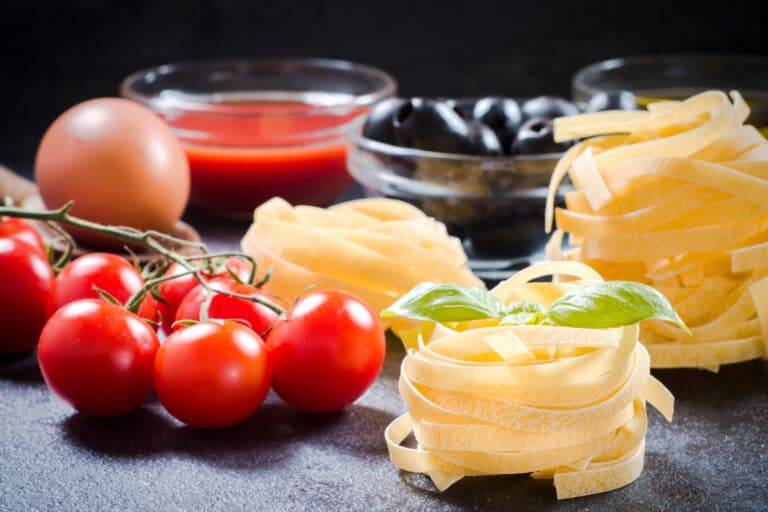
- Dinner (575 kcal, 30 g protein): Olive oil, tomato and basil whole-wheat pasta: 90 g dry whole-wheat pasta, 150 g diced tomato, 20 g basil, 15 g garlic, 1 tbsp olive oil, 30 g grated parmesan, side of 100 g white beans.
Day 2 (~1,995 kcal, 88 g protein)
- Breakfast (430 kcal, 18 g protein): Avocado toast: 2 slices whole-grain bread (60 g), 80 g mashed avocado, 2 poached eggs, chili flakes, lemon, 60 g cherry tomatoes.
- Snack (245 kcal, 8 g protein): Pineapple-kale smoothie (150 g pineapple, kale, 200 ml fortified soy milk) plus 60 g cinnamon apple bites with 15 g almond butter.
- Lunch (505 kcal, 22 g protein): Hummus and veggies sandwich: 60 g whole-wheat pita, 60 g hummus, 40 g cucumber, 40 g carrot, 30 g roasted red pepper, 30 g spinach, with 60 g celery and 20 g peanut butter.
- Snack (200 kcal, 6 g protein): 240 ml watermelon juice with 60 g cucumber slices, 15 g pumpkin seeds.
- Dinner (615 kcal, 34 g protein): Mushroom-cashew whole-grain toast: 200 g sauteed mushrooms, 30 g cashew cream, 60 g whole-grain sourdough, with 120 g cooked quinoa side and 30 g feta.
Day 3 (~2,010 kcal, 85 g protein)
- Breakfast (425 kcal, 18 g protein): Peanut butter and banana oats: 50 g rolled oats cooked in 200 ml fortified soy milk, 1 medium banana (120 g), 30 g peanut butter, cinnamon.
- Snack (230 kcal, 6 g protein): 1 medium apple (180 g) with 20 g almond butter and 100 g strawberries.
- Lunch (515 kcal, 12 g protein): Grape and nut plate: 150 g grapes, 60 g carrot sticks with 30 g peanut butter, 30 g whole-grain crackers, 40 g cheddar.
- Snack (210 kcal, 15 g protein): Strawberry-tofu smoothie: 120 g silken tofu, 150 g strawberries, 200 ml fortified soy milk.
- Dinner (630 kcal, 34 g protein): BBQ tempeh sandwich: 100 g tempeh with 30 g BBQ sauce, 60 g whole-grain bun, 30 g slaw, side of 240 ml tomato soup with 30 g whole-grain crackers.
Day 4 (~1,990 kcal, 90 g protein)
- Breakfast (420 kcal, 16 g protein): Spinach-banana smoothie: 60 g spinach, 1 medium banana (120 g), 200 ml fortified soy milk, 15 g flax, 15 g almond butter; with 60 g whole-wheat toast.
- Snack (200 kcal, 5 g protein): Fruit salad: 100 g pineapple, 80 g melon, 80 g grapes, 15 g walnuts.
- Lunch (490 kcal, 18 g protein): Apricot jam and almond butter sandwich: 2 slices whole-grain bread (60 g), 20 g apricot preserves, 30 g almond butter, with 1 medium banana (120 g).
- Snack (200 kcal, 15 g protein): Strawberry-tofu smoothie: 120 g silken tofu, 150 g strawberries.
- Dinner (680 kcal, 36 g protein): Jamaican-style spicy black beans: 200 g cooked black beans, 100 g bell pepper, 60 g onion, thyme, allspice, over 80 g cooked brown rice, with 100 g mixed greens and 40 g avocado.
Day 5 (~2,005 kcal, 82 g protein)
- Breakfast (405 kcal, 20 g protein): Berry-protein smoothie: 30 g pea or whey isolate, 150 g mixed berries, 200 ml fortified soy milk, 30 g granola.
- Snack (215 kcal, 6 g protein): Arugula salad with 1 medium banana (120 g) and 28 g almonds.
- Lunch (520 kcal, 20 g protein): Peanut butter celery boats (60 g celery, 30 g peanut butter) and hummus-veggie sandwich (60 g whole-wheat pita, 60 g hummus, 100 g cucumber and carrot mix).
- Snack (200 kcal, 12 g protein): 200 g cottage cheese with 100 g pineapple.
- Dinner (665 kcal, 24 g protein): Apple-pecan steel-cut oats: 60 g steel-cut oats cooked in 240 ml fortified soy milk, 100 g diced apple, 30 g pecans, 10 g maple; with 200 g pan-fried fennel and 40 g feta.
Day 6 (~2,000 kcal, 88 g protein)
- Breakfast (410 kcal, 15 g protein): Oat-bran cereal: 50 g oat bran with 200 ml fortified soy milk, 150 g strawberries, 15 g pumpkin seeds, 10 g honey.
- Snack (245 kcal, 12 g protein): Mango-strawberry arugula salad with 40 g goat cheese and 28 g almonds.
- Lunch (515 kcal, 20 g protein): Bell pepper and hummus snack plate: 200 g bell pepper, 90 g hummus, 30 g whole-grain crackers, plus 60 g celery with 30 g peanut butter.
- Snack (200 kcal, 15 g protein): Strawberry-tofu smoothie: 120 g silken tofu, 150 g strawberries, 200 ml fortified soy milk.
- Dinner (630 kcal, 26 g protein): Pea pulao with quinoa salad: 80 g brown basmati rice cooked with 100 g green peas and spices, plus 80 g cooked quinoa tossed with 100 g cherry tomato, 20 g pine nuts, lemon, 1 tbsp olive oil.
Day 7 (~1,995 kcal, 95 g protein, protein-focused)
- Breakfast (420 kcal, 24 g protein): Tofu scramble on toast: 150 g firm calcium-set tofu, 60 g spinach, 60 g cherry tomato, 15 g nutritional yeast, turmeric, 2 slices whole-wheat toast (60 g).
- Snack (215 kcal, 5 g protein): Mixed green salad with 100 g cucumber, 40 g avocado, 15 g pumpkin seeds, lemon-tahini dressing.
- Lunch (515 kcal, 22 g protein): Grape and almond plate: 150 g grapes with 56 g almonds and 40 g aged cheddar, and 30 g whole-grain crackers.
- Snack (200 kcal, 15 g protein): Strawberry-tofu smoothie: 120 g silken tofu, 150 g strawberries, 200 ml fortified soy milk.
- Dinner (645 kcal, 29 g protein): Sweet potato and lentil pasta: 90 g dry lentil-based pasta, 150 g cooked sweet potato, 100 g spinach, 15 g garlic, 1 tbsp olive oil, 30 g parmesan, side of 60 g edamame.
Weekly Summary
| Day | kcal | Protein (g) | Iron source | Calcium source |
|---|---|---|---|---|
| 1 | 2,005 | 92 | Oats + almond butter + tofu | Greek yogurt + feta |
| 2 | 1,995 | 88 | Hummus + eggs | Cashew cream + feta |
| 3 | 2,010 | 85 | Tempeh | Cheddar + fortified soy milk |
| 4 | 1,990 | 90 | Black beans + spinach | Fortified soy milk |
| 5 | 2,005 | 82 | Cottage cheese base | Cottage cheese + feta |
| 6 | 2,000 | 88 | Oat bran + hummus + tofu | Goat cheese + fortified soy milk |
| 7 | 1,995 | 95 | Tofu + lentil pasta + spinach | Calcium-set tofu + parmesan |
Weekly averages: 2,000 kcal, 88 g protein, ~35 g fiber, calcium ~1,000 mg, iron ~16 to 18 mg. Pairing plant iron with a vitamin C source (strawberries, bell pepper, tomato) is built into most meals.
How This Plan Compares to Other Vegetarian Templates
| Template | Includes | Excludes | Best for |
|---|---|---|---|
| Lacto-ovo (this plan) | Dairy, eggs | Meat, fish | Most vegetarians; easy B12/calcium |
| Vegan | Plant only | All animal | Ethical/environmental focus; requires B12 + algae omega-3 |
| Pescatarian | Fish, dairy, eggs | Meat, poultry | Cardio outcomes, EPA/DHA coverage |
| Flexitarian | Meat 1 to 2x/week | Nothing | Reducers who want gradual change |
Vegan Swap Notes
- Greek yogurt to unsweetened soy yogurt (17 to 20 g protein per 200 g cup).
- Cottage cheese to firm silken tofu, blended with lemon and salt.
- Feta and parmesan to nutritional yeast or vegan feta made from almonds or tofu.
- Eggs at breakfast to tofu scramble or chickpea flour omelet.
- Add a 25 to 100 mcg vitamin B12 supplement daily and 300 to 500 mg algae-based EPA and DHA.
Practical Tips
- Batch cook: one pot of lentils, one of black beans, one tray of roasted tofu carries three lunches and two dinners.
- Pair every plant-iron meal with a vitamin C source. This is the single highest-yield change for vegetarian iron status.
- If you feel tired or your training suffers, ask for a serum ferritin test, not just hemoglobin. Ferritin below 30 ng/mL often shows up before hemoglobin drops.
- Coffee and tea within an hour of iron-rich meals cut absorption. Move them 60 to 90 minutes away.
- Aim for one soy or tempeh serving daily to lift protein without lifting calories. This plan uses tofu on 4 of 7 days.
Frequently Asked Questions
Is 2000 calories enough on a vegetarian diet?
For most active women and lightly active men, yes; this is maintenance. For sedentary adults, it may be a small surplus over time. Adjust portions by 100 to 200 kcal if your weight drifts.
How much protein can I get on a vegetarian diet at 2000 calories?
This plan delivers 85 to 100 g per day, covering roughly 1.2 to 1.5 g per kg for most adults. Adding a soy or whey protein smoothie can push it above 120 g if you are training for strength or endurance.
Do I need to combine plant proteins at every meal?
No. Modern guidance is that eating a variety of plant proteins across the day is sufficient (3). The old idea of strict per-meal complementation has been retired.
Where does B12 come from on this plan?
Dairy and eggs. Two cups of milk or yogurt plus 2 eggs supply about 3 to 4 mcg B12, above the 2.4 mcg RDA. Vegans following this template with the swap notes need a B12 supplement.
Will a vegetarian diet cover calcium?
Yes if it includes dairy, calcium-set tofu, or fortified plant milk daily. This plan averages around 1,000 mg calcium per day. If you cut dairy, add 2 cups of fortified plant milk plus tahini or leafy greens.
Is this plan safe during pregnancy?
Vegetarian eating patterns can support healthy pregnancy per the Academy of Nutrition and Dietetics (1). Pregnancy adds iron (27 mg), folate (600 mcg), and B12 (2.6 mcg) needs. Work with a prenatal dietitian to confirm the plan meets your trimester-specific needs, especially DHA.
How does vegetarian eating compare to Mediterranean?
They overlap heavily. Mediterranean adds fish and small amounts of meat; a lacto-ovo vegetarian version is essentially the same pattern without seafood or poultry. Both are associated with lower cardiovascular and type 2 diabetes risk in cohort and RCT data.
Disclaimer: Not medical advice; consult a registered dietitian before making major dietary changes.