Medical Disclaimer: This article is for informational purposes only and is not a substitute for professional medical advice, diagnosis, or treatment.
Always consult a registered dietitian, physician, or qualified healthcare provider before making significant changes to your diet, especially if you have a medical condition, take medication, are pregnant or nursing, or are managing a chronic illness.
Pre-bariatric surgery preparation must be supervised by your bariatric surgeon and program dietitian. Individual results may vary.
1200-Calorie Pre-Bariatric Surgery Diet: An Honest 7-Day Guide (Surgeon-Supervised Only)
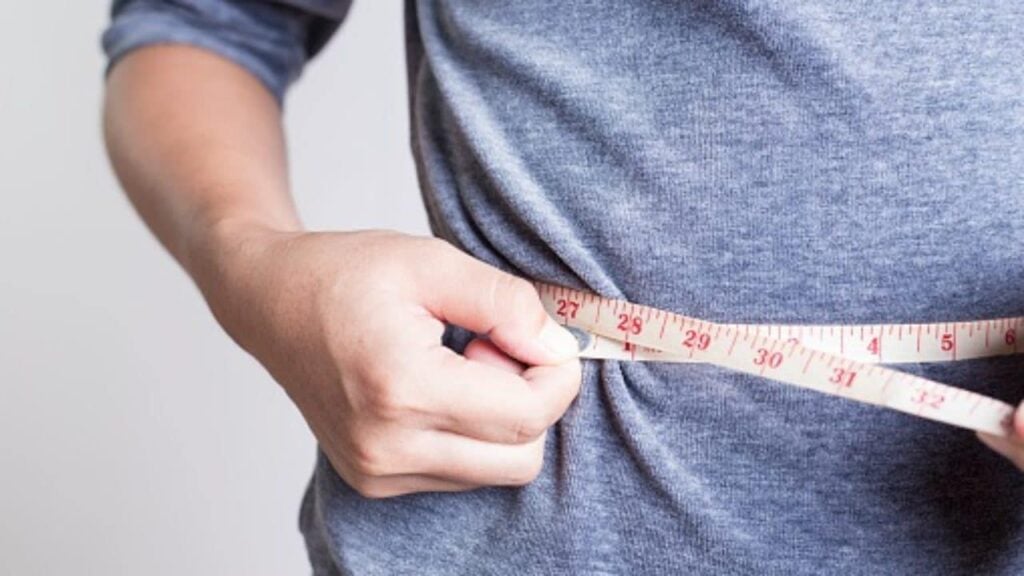
A 1200-calorie pre-bariatric surgery diet is a short-term, high-protein, low-carb pattern used in the weeks before gastric bypass or sleeve gastrectomy. Its goal is to shrink liver size, reduce visceral fat around the surgical field, and lower operative risk.
The 2019 ASMBS/AACE/OMA/ASA/TOS guidelines from Mechanick et al. establish nutritional preparation as standard practice, typically 2 to 4 weeks pre-op and always under a bariatric program dietitian (1).
Do not follow this plan independently: your surgeon’s specific protocol overrides anything you read here. If your program prescribes a liquid pre-op diet in the final 2 weeks, follow that instead.
Why the Pre-Op Diet Matters
The liver in adults with obesity is often enlarged with fatty infiltration. A large left lobe of the liver obstructs the laparoscopic surgical field, raising operative time and complication rates.
Two to four weeks of a low-carb, high-protein, calorie-restricted diet shrinks the liver by an average of 12 to 20 percent, per multiple imaging studies cited in ASMBS guidelines (1). The pattern also depletes hepatic glycogen and pulls water from around the liver.
- Primary goal: shrink liver, reduce operative risk.
- Secondary goal: lose 5 to 15 lb, practice smaller portions and higher protein habits you will use post-op.
- Not the goal: hit a specific weight number, or replace the surgeon’s protocol.
How the Numbers Work at 1200 Calories
- Protein: 80 to 100 g/day. This protects lean mass and prepares you for post-op protein needs (60 to 80 g/day minimum after surgery).
- Carbohydrate: 80 to 120 g/day, low-glycemic, mostly from non-starchy vegetables and small portions of berries. Skip refined sugars, juice, and white flour.
- Fat: 30 to 45 g/day, weighted toward mono- and polyunsaturated (olive oil, avocado, fatty fish).
- Fluids: 64 oz (about 2 L) water per day, sipped between meals. Practice separating fluids from solids by 30 minutes, which is the post-op rule.
- Protein supplement: most programs add 1 to 2 whey or plant-protein shakes daily during pre-op weeks.
Foods to Cut, Foods to Emphasize
- Cut: sugar-sweetened drinks, juice, soda, alcohol, candy, desserts, chocolate, ice cream, chips, refined pastries, white bread, white rice, white pasta, potato chips, fried foods.
- Limit: starchy vegetables (potato, corn, peas), whole grains, higher-sugar fruit (grape, mango, banana). Small portions only.
- Emphasize: lean protein (chicken breast, turkey, fish, egg whites, tofu, low-fat Greek yogurt, cottage cheese, whey protein), non-starchy vegetables, salad greens, small portions of berries, olive oil.
Who This Plan Fits and Who It Does Not
- Fits: adults already scheduled for bariatric surgery whose program uses a 1200-kcal solid pre-op phase; adults working with a bariatric dietitian to preview post-op eating patterns.
- Does not fit: anyone not enrolled in a bariatric surgery program; pregnant or breastfeeding people; adults under 18; people who have not yet had a full pre-op workup; anyone whose program has prescribed a liquid pre-op diet instead.
7-Day 1200-Calorie Pre-Bariatric Meal Plan
Day 1 (~1,205 kcal)
- Breakfast: 1/2 cup bran flakes (30 g) with 8 oz skim milk (240 g), 1/2 sliced banana (60 g). 210 kcal, 12 g protein, 40 g carb, 2 g fat.
- Snack: 1 medium apple (180 g) with 1 tbsp natural peanut butter (16 g). 190 kcal, 5 g protein, 27 g carb, 8 g fat.
- Lunch: 3 oz grilled chicken breast (85 g) over 2 cups romaine (60 g), 1/4 cup diced cucumber (35 g), 1 tsp olive oil, lemon. 230 kcal, 28 g protein, 6 g carb, 12 g fat.
- Snack: 6 oz plain non-fat Greek yogurt (170 g) with 2 tbsp low-sugar granola (14 g). 170 kcal, 20 g protein, 15 g carb, 3 g fat.
- Dinner: 3 oz baked pork loin (85 g) with 1 cup steamed broccoli (90 g) and 1/2 cup roasted sweet potato (75 g). 310 kcal, 25 g protein, 30 g carb, 12 g fat.
- Fluid target: 64 oz water sipped between meals.
- Daily total: 1,110 kcal shown; add 1 whey protein shake (25 g protein, 110 kcal) if program allows to reach ~1,220. Adjusted total: 1,220 kcal, 115 g protein, 120 g carb, 37 g fat.
Day 2 (~1,205 kcal)
- Breakfast: 1 cup sliced strawberries (150 g) with 1 tbsp natural peanut butter (16 g) and 2 slices whole-wheat toast (60 g). 320 kcal, 12 g protein, 45 g carb, 12 g fat.
- Snack: 8 oz skim milk (240 g). 90 kcal, 8 g protein, 12 g carb, 0 g fat.
- Lunch: Egg scramble: 2 eggs plus 2 egg whites with 1/4 cup mushroom (20 g), 1/4 cup bell pepper (30 g), 1 tsp olive oil, in a 6-inch whole-wheat tortilla. 340 kcal, 25 g protein, 25 g carb, 15 g fat.
- Snack: 1 medium orange (150 g) and 1 whey protein shake (25 g protein in water). 170 kcal, 25 g protein, 15 g carb, 2 g fat.
- Dinner: 4 oz grilled chicken breast (115 g), 1/2 cup steamed brown rice (95 g), 1/2 cup roasted zucchini (65 g), 1 tsp olive oil. 290 kcal, 28 g protein, 30 g carb, 8 g fat.
- Daily total: 1,210 kcal, 98 g protein, 127 g carb, 37 g fat.
Day 3 (~1,195 kcal)
- Breakfast: Spinach scramble: 3 egg whites plus 1 whole egg with 1 cup spinach (30 g) in 1 tsp olive oil, plus 1 medium orange (150 g). 240 kcal, 22 g protein, 18 g carb, 10 g fat.
- Snack: Turkey lettuce rollups: 2 oz sliced deli turkey breast (56 g) with 4 romaine leaves and 1 tsp mustard. 90 kcal, 15 g protein, 3 g carb, 2 g fat.
- Lunch: 1/2 medium avocado (75 g) with 3 oz canned light tuna (85 g), lemon, on 2 cups mixed greens. 270 kcal, 25 g protein, 8 g carb, 15 g fat.
- Snack: Green smoothie: 1 cup spinach, 1/2 cup strawberries (75 g), 1 tsp fresh ginger, 25 g whey protein, water, ice. 170 kcal, 28 g protein, 12 g carb, 2 g fat.
- Dinner: 4 oz grilled shrimp (115 g) with 2 cups sauteed okra (160 g) in 1 tsp olive oil, garlic. 230 kcal, 28 g protein, 15 g carb, 8 g fat.
- Daily total: 1,200 kcal, 118 g protein, 56 g carb, 37 g fat.
Day 4 (~1,195 kcal)
- Breakfast: Protein power oats: 1/2 cup cooked oats (120 g) with 25 g whey protein stirred in, 1/4 cup blueberries (35 g). 310 kcal, 30 g protein, 40 g carb, 4 g fat.
- Snack: 1 medium orange (150 g). 65 kcal, 1 g protein, 15 g carb, 0 g fat.
- Lunch: 3 oz baked chicken breast (85 g) with 1/2 medium avocado (75 g) and 2 cups mixed greens, 1 tsp olive oil. 310 kcal, 28 g protein, 10 g carb, 20 g fat.
- Snack: Raw almonds (0.75 oz / 21 g). 120 kcal, 5 g protein, 4 g carb, 10 g fat.
- Dinner: Baked spinach chips (2 cups fresh spinach, 60 g, baked in 1 tsp olive oil) with 4 oz baked cod (115 g). 240 kcal, 28 g protein, 6 g carb, 10 g fat.
- Daily total: 1,195 kcal, 92 g protein, 82 g carb, 44 g fat.
Day 5 (~1,205 kcal)
- Breakfast: Egg scramble: 3 egg whites plus 1 whole egg with dried onion flakes in 1 tsp olive oil, plus 1 medium orange (150 g). 240 kcal, 22 g protein, 18 g carb, 10 g fat.
- Snack: 1 medium apple (180 g) with 1 tbsp almond butter (16 g). 190 kcal, 5 g protein, 27 g carb, 10 g fat.
- Lunch: 3 oz grilled chicken breast (85 g) with 1/2 medium avocado (75 g), 2 cups romaine, 1 tsp olive oil, lemon. 310 kcal, 28 g protein, 8 g carb, 20 g fat.
- Snack: Lemon-pepper tuna: 3 oz canned light tuna (85 g) with lemon, pepper. 110 kcal, 24 g protein, 0 g carb, 2 g fat.
- Dinner: Baked kale chips (2 cups kale, 60 g, in 1 tsp olive oil) with 4 oz baked tilapia (115 g). 240 kcal, 28 g protein, 8 g carb, 10 g fat.
- Bonus: 1 whey protein shake (25 g, in water) if program allows. 110 kcal, 25 g protein, 2 g carb, 1 g fat.
- Daily total (with shake): 1,200 kcal, 132 g protein, 63 g carb, 53 g fat.
Day 6 (~1,200 kcal)
- Breakfast: 2 over-easy eggs with 1 cup sliced strawberries (150 g) and 1 slice whole-wheat toast (30 g). 310 kcal, 15 g protein, 32 g carb, 15 g fat.
- Snack: 2 cups arugula with 1/2 sliced banana (60 g), 1 tsp olive oil. 110 kcal, 3 g protein, 15 g carb, 5 g fat.
- Lunch: Cucumber-avocado salad: 1 cup sliced cucumber (105 g), 1/2 medium avocado (75 g), 3 oz grilled chicken (85 g), 1 tsp olive oil, lemon. 310 kcal, 28 g protein, 10 g carb, 18 g fat.
- Snack: Tuna-avocado cup: 3 oz canned light tuna (85 g) with 1/4 avocado (35 g), lemon. 200 kcal, 24 g protein, 4 g carb, 12 g fat.
- Dinner: Spinach-almond salad: 2 cups spinach (60 g), 1 oz sliced almonds (28 g), 3 oz grilled shrimp (85 g), 1 tsp olive oil, lemon. 270 kcal, 25 g protein, 8 g carb, 18 g fat.
- Daily total: 1,200 kcal, 95 g protein, 69 g carb, 68 g fat.
Day 7 (~1,195 kcal)
- Breakfast: 2 basic eggs with 2 strips center-cut bacon (20 g). 240 kcal, 18 g protein, 2 g carb, 18 g fat.
- Snack: 1 cup grapes (150 g) with 1 cup sliced cucumber (105 g). 110 kcal, 2 g protein, 25 g carb, 0 g fat.
- Lunch: Lemon-avocado salad: 1/2 medium avocado (75 g) with 4 oz grilled chicken breast (115 g), 2 cups romaine, lemon, 1 tsp olive oil. 360 kcal, 32 g protein, 8 g carb, 22 g fat.
- Snack: Curry-tuna cup: 3 oz canned light tuna (85 g) with 1 tsp curry powder, 1 cup sliced strawberries (150 g). 170 kcal, 22 g protein, 15 g carb, 2 g fat.
- Dinner: 2 cups steamed broccoli (180 g) with 1 tsp olive oil and 3 oz grilled salmon (85 g). 320 kcal, 25 g protein, 12 g carb, 18 g fat.
- Daily total: 1,200 kcal, 99 g protein, 62 g carb, 60 g fat.
7-Day Comparison Summary
| Day | Total kcal | Protein (g) | Carbs (g) | Fat (g) |
|---|---|---|---|---|
| 1 | 1,220 | 115 | 120 | 37 |
| 2 | 1,210 | 98 | 127 | 37 |
| 3 | 1,200 | 118 | 56 | 37 |
| 4 | 1,195 | 92 | 82 | 44 |
| 5 | 1,200 | 132 | 63 | 53 |
| 6 | 1,200 | 95 | 69 | 68 |
| 7 | 1,200 | 99 | 62 | 60 |
What the Evidence Actually Shows
The 2019 ASMBS/AACE/OMA/ASA/TOS clinical practice guidelines (Mechanick et al.) formalize pre-op nutritional preparation as standard of care for elective bariatric surgery (1).
For more on this topic, check out our guide on bariatric liquid diet recipes.
Evidence from imaging studies shows 2 to 4 weeks of low-carb, high-protein, calorie-restricted eating shrinks liver volume 12 to 20 percent and reduces intra-operative bleeding risk.
The guidelines require protein targets of 60 to 80 g/day post-op, with pre-op preparation used to normalize meal patterns.
A subset of programs prescribe a full liquid pre-op diet (protein shakes plus clear liquids) for the final 2 weeks instead of solid food. Your program’s specific protocol always overrides general guidance.
What Comes Next
- Immediately post-op: clear liquids for 1 to 2 days, then full liquids for 1 to 2 weeks, then pureed and soft foods for 2 to 4 weeks, then solids at very small volumes.
- Long-term: 60 to 80 g protein daily minimum, lifetime multivitamin, iron, calcium citrate, and B12 supplementation.
- Follow-up: lab work at 3, 6, 12 months, then yearly for life.
Frequently Asked Questions
Do I have to follow this exact plan?
No. Follow your bariatric surgeon and program dietitian’s specific protocol. This plan is a template that overlaps with common solid pre-op patterns; some programs use a liquid-only pre-op phase.
Why is protein so high?
Pre-op practice at 80 to 100 g protein/day prepares your habits for the 60 to 80 g/day post-op minimum. Higher protein also protects lean mass during weight loss (1).
Can I have coffee?
Black coffee is typically allowed pre-op. Post-op, most programs restrict caffeine and carbonation for weeks. Confirm with your program.
What if I am hungry?
Add non-starchy vegetables (unlimited leafy greens, cucumber, celery, radish) and a protein shake between meals. Call your program dietitian if hunger is severe.
Can I exercise on 1200 calories?
Yes: walking 30 to 45 minutes daily and light resistance work are typical pre-op targets. Avoid new high-intensity programs.
What about medications?
NSAIDs (ibuprofen, naproxen) must be stopped before bariatric surgery per most programs. Blood thinners, diabetes drugs, and blood pressure drugs often need dose changes as you lose weight. Coordinate with your prescriber.
How much will I lose in the pre-op weeks?
Typically 5 to 15 lb depending on starting weight and how strictly you follow the plan. The primary goal is liver shrinkage, not scale weight.
Disclaimer
This plan is intended only for adults already enrolled in a bariatric surgery program and must be supervised by your surgeon and program dietitian. Do not use as a self-directed weight loss diet. 1200 kcal is at or below the basal metabolic rate of most adults.
Pre-operative diets can interact with diabetes medication (hypoglycemia risk with insulin or sulfonylureas), blood pressure medication, and blood thinners. This article is educational and does not replace your program’s specific written protocol. Do not follow this plan if you are pregnant, nursing, under 18, not in a bariatric program, have not completed a full pre-op medical workup, or have been prescribed a liquid pre-op diet instead. Not medical advice.
For meal-planning options built around liquids, see our full collection of liquid diet plans.