
1800-Calorie Vegan Meal Plan: 7-Day Guide (with B12 Guidance)
Vegan diets require careful planning to meet vitamin B12, vitamin D, omega-3, iron, calcium, and iodine targets. Individual results may vary.
Diets Meal Plan builds calorie- and diet-specific meal plans that people can actually follow. Every plan is a full seven-day (or 14, 21, 30-day) framework with breakfast, lunch, dinner, and snacks, calorie-balanced to the target on the title, and structured around real recipes tested in our kitchen - not spreadsheet math with generic food names.
Vegan diets require careful planning to meet vitamin B12, vitamin D, omega-3, iron, calcium, and iodine targets. Individual results may vary.

The Academy of Nutrition and Dietetics 2016 position paper found well-planned vegetarian diets are appropriate for every life stage and are linked to lower risk of heart disease, type 2 diabetes, hypertension, and certain cancers (1).

A 1700-calorie diet for women is a moderate-deficit eating pattern that fits most sedentary or lightly active adult women who want to lose about 0.5 to 1 pound per week, plus some active women looking to maintain weight.

A 1700-calorie low-carb meal plan keeps total carbohydrate to roughly 80 to 100 g per day (about 20 to 25 percent of energy), boosts protein to 110 to 130 g, and lets fat fill the rest.

Short answer: A 1600-calorie Paleo meal plan is built on meats, fish, eggs, vegetables, fruit, nuts, and healthy oils, with no grains, no legumes, no dairy, and no refined sugar.

Oats are a genuinely useful whole food: rich in soluble beta-glucan fiber that is linked to lower LDL cholesterol and steadier blood sugar (1)(2). But a single-food diet is not the same as a healthy way of eating.

The paleo diet removes grains, legumes, and dairy, which cuts many typical carbohydrate sources and can drop blood glucose fast.
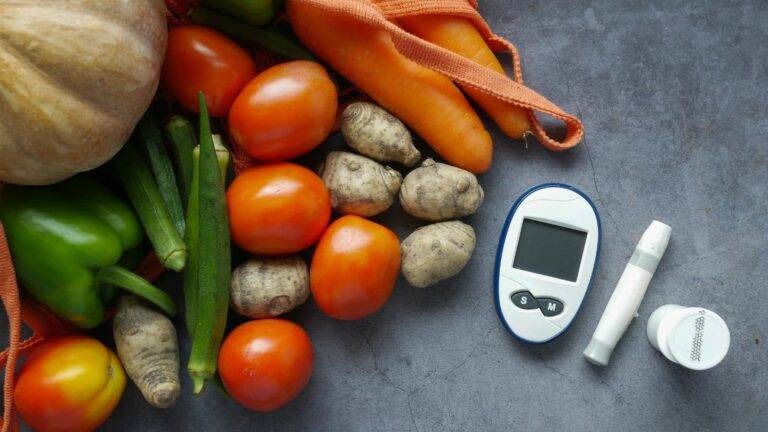
If you take insulin, sulfonylureas (glipizide, glyburide, glimepiride), meglitinides (repaglinide, nateglinide), SGLT2 inhibitors (empagliflozin, dapagliflozin, canagliflozin), GLP-1 receptor agonists (semaglutide, liraglutide, tirzepatide, dulaglutide), or DPP-4 inhibitors, cutting carbohydrates or changing meal timing without a dose review can cause dangerous low…

Short answer: A 1300-calorie meal plan is a short-term weight-loss template with a balanced macro split (roughly 40 percent carbohydrate, 30 percent protein, 30 percent fat), built around vegetables, lean protein, whole grains, legumes, and unsaturated fats.
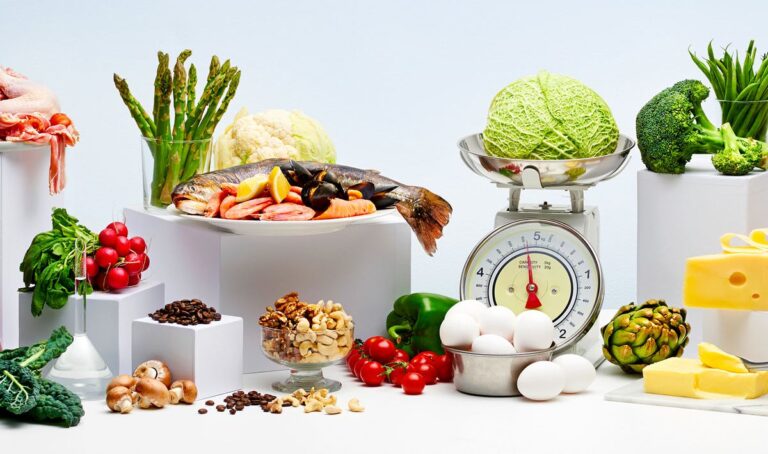
An 1800-calorie low-carb meal plan keeps total carbohydrate to roughly 90 to 110 g per day (about 20 to 25 percent of energy), pushes protein to 120 to 140 g, and lets healthy fat fill the rest.
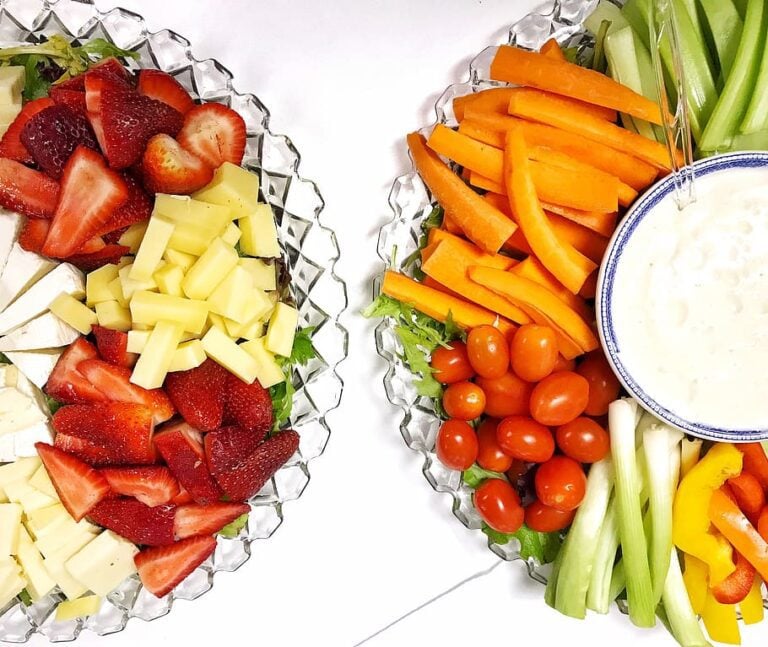
The Academy of Nutrition and Dietetics 2016 position paper concluded that well-planned vegetarian and vegan diets are appropriate for all stages of life and are associated with lower risk of ischemic heart disease, type 2 diabetes, hypertension, and certain cancers…

Honest lead: After bariatric surgery, what you drink is a medical prescription, not a menu choice.

Talk with a registered dietitian or physician before making major diet changes, especially if you have a medical condition, take medication, are pregnant or breastfeeding, or have chronic kidney disease.

If you take insulin, sulfonylureas (glipizide, glyburide, glimepiride), meglitinides (repaglinide, nateglinide), SGLT2 inhibitors (empagliflozin, dapagliflozin, canagliflozin), GLP-1 agonists (semaglutide, liraglutide, tirzepatide), or DPP-4 inhibitors, changing your eating pattern without a medication review can cause dangerous hypoglycemia or, on SGLT2 drugs,…
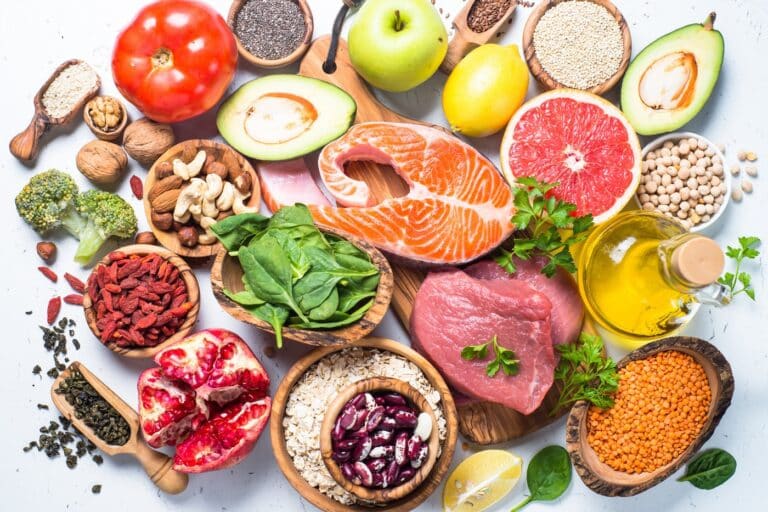
The Leidy et al. 2015 satiety review found higher-protein intakes reliably reduced hunger and improved appetite control during weight loss (1).
Short answer: A 2000-calorie weight-gain plan is only a “gain” plan if 2000 kcal sits 300 to 500 kcal above your current maintenance intake. It works well for adults whose maintenance is 1500 to 1700 kcal (often small-frame women, older…

An 1800-calorie diet for women is close to the estimated maintenance level for moderately active adult women aged 26 to 50 in the USDA Dietary Guidelines for Americans 2020-2025 (1).

The short answer. OMAD is a 23:1 form of intermittent fasting: fast 23 hours, eat all daily calories in a single window (usually 1 hour).