
12 High-Protein Lunch Ideas With Per-Serving Macros
Talk with a registered dietitian if you have a medical condition, take medication, are pregnant or breastfeeding, or are managing chronic kidney disease before making significant protein changes.
Diets Meal Plan builds calorie- and diet-specific meal plans that people can actually follow. Every plan is a full seven-day (or 14, 21, 30-day) framework with breakfast, lunch, dinner, and snacks, calorie-balanced to the target on the title, and structured around real recipes tested in our kitchen - not spreadsheet math with generic food names.
Talk with a registered dietitian if you have a medical condition, take medication, are pregnant or breastfeeding, or are managing chronic kidney disease before making significant protein changes.
Talk with a registered dietitian or physician before making significant diet changes, especially if you have a medical condition, take medication, are pregnant or nursing, have chronic kidney disease, or are managing an eating disorder.
The honest lead. “No carb on rest days” is a version of what sports nutrition calls carbohydrate periodization or “train low, sleep low.” Reviews of the approach (Impey et al., 2018) suggest possible endurance adaptation benefits when applied carefully to…

Consult your physician, pharmacist, or registered dietitian before starting a diet aimed at lowering blood pressure, especially if you take antihypertensive medication (ACE inhibitors, ARBs, beta blockers, calcium channel blockers, thiazide diuretics), potassium-sparing drugs (spironolactone, amiloride), lithium, or NSAIDs.
The PREDIMED trial (Estruch et al. 2013, revised 2018) followed 7,447 adults at high cardiovascular risk and found the Mediterranean pattern, supplemented with extra-virgin olive oil or nuts, cut the composite risk of heart attack, stroke, and cardiovascular death by…
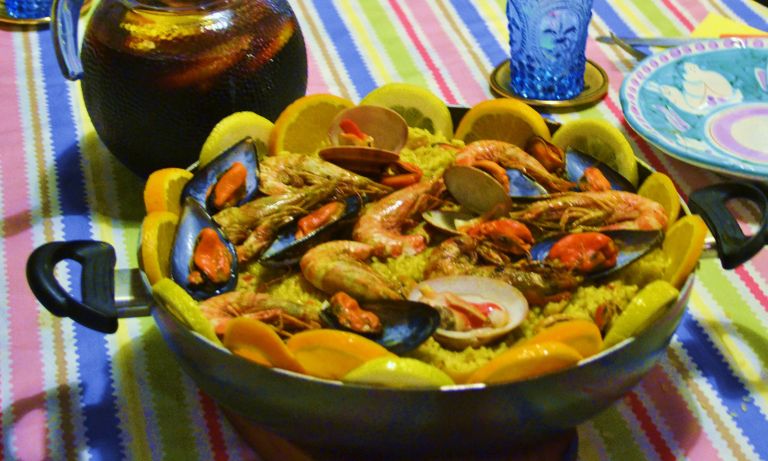
Short answer: A 2000-calorie Mediterranean meal plan pulls from the traditional pyramid built around vegetables, whole grains, legumes, fish, nuts, and extra-virgin olive oil, with red meat and sweets kept occasional.
Small trials of the paleo pattern show modest improvements in waist circumference, blood pressure, and short-term glucose control compared with standard low-fat diets (1).

Short answer: A 1500-calorie diet plan for women is a moderate-deficit template that delivers 60 to 90 g of protein, at least 25 g of fiber, and the key micronutrients women often fall short on: iron (18 mg for ages…
Talk with a registered dietitian or physician before starting any weight-loss program, especially if you have diabetes, heart disease, kidney disease, gout, take medication, are pregnant or breastfeeding, or have a history of disordered eating.

Meta-analyses show low-carb diets produce weight loss and cardiometabolic improvements similar to other calorie-controlled patterns over 6 to 12 months, with a modest edge on triglycerides and HDL (Bueno et al., 2013).

The 2013 AHA/ACC/TOS obesity management guideline recommends a 500 to 750 kcal daily deficit for adults with overweight or obesity, which is exactly where 1600 kcal lands for most sedentary women and small-frame men (1).

It is a low-calorie fad menu that produces mostly water-weight loss in three days, not a heart-healthy eating pattern.

Low-carb diets drop blood glucose fast and can cause severe hypoglycemia on insulin, sulfonylureas (glipizide, glyburide, glimepiride), or meglitinides (repaglinide, nateglinide).

If you have diabetes, do not change your diet without first consulting your endocrinologist, primary care physician, or diabetes care and education specialist.
Do not stop or adjust blood pressure medication on your own. Sudden BP drops can cause dizziness, falls, or fainting. A 1400-kcal plan is a modest deficit for many adults; some (larger adults, active adults, pregnant or lactating women) will…
Short answer: A 2000-calorie ketogenic meal plan sets carbohydrate at about 20 to 50 g per day (roughly 5 to 10 percent of energy), protein at 20 to 25 percent, and fat at 70 to 75 percent.

Short answer: A 1200-calorie Mediterranean diet applies the traditional Mediterranean pattern (olive oil, vegetables, legumes, whole grains, fish, moderate dairy, minimal red meat) inside a short-term weight-loss cap.

Any drop on the scale is mostly water and glycogen, not fat. Nutritionists universally warn against single-food shock diets because they miss essential nutrients and set up rebound weight gain.