Medical Disclaimer: This article is for informational purposes only and is not a substitute for professional medical advice, diagnosis, or treatment. High blood pressure is a serious medical condition.
Always consult your physician, pharmacist, or registered dietitian before starting a diet aimed at lowering blood pressure, especially if you take antihypertensive medication (ACE inhibitors, ARBs, beta blockers, calcium channel blockers, thiazide diuretics), potassium-sparing drugs (spironolactone, amiloride), lithium, or NSAIDs.
Do not stop or adjust blood pressure medication on your own. Sudden BP drops can cause dizziness, falls, or fainting. A 1400-kcal plan is a modest deficit for many adults; some (larger adults, active adults, pregnant or lactating women) will need more. Individual results may vary.
DASH Diet 1400 Calories: An Honest 7-Day Guide
The DASH (Dietary Approaches to Stop Hypertension) eating plan is the pattern the National Heart, Lung, and Blood Institute (NHLBI) built to lower blood pressure without medication (1).
The landmark Sacks 2001 DASH-Sodium trial showed the DASH diet at 1500 mg sodium lowered systolic blood pressure 11.5 mmHg in adults with hypertension, comparable to a single antihypertensive drug (2).
At 1400 kcal, DASH sits at the lower end and produces a modest weight-loss deficit for many small or sedentary adults, older women, or adults who have already lost initial weight and want to continue slowly.
Who a 1400-Calorie DASH Plan Fits and Who It Does Not
Fits: sedentary women in the 110 to 150 lb range, older adults with lower calorie needs, adults with elevated or stage 1 hypertension who also want gradual weight loss, adults 65+ with reduced activity.
Does not fit as written: adults over 180 lb (usually need 1600 to 2000 kcal DASH), active adults or athletes, pregnant or lactating women (require individualized higher-calorie planning), teens under 18, adults with chronic kidney disease (potassium and phosphorus need tailoring), adults on potassium-sparing diuretics (potassium may need to be lower, not higher), adults with heart failure and fluid restriction, adults with disordered eating history.
If your systolic BP is above 180 mmHg or diastolic above 120 mmHg, that is a hypertensive crisis and requires urgent medical care, not a diet change.
DASH Servings at 1400 Calories
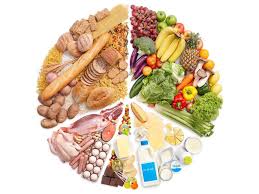
NHLBI publishes DASH at multiple calorie levels; at 1400 kcal you get roughly the following daily servings (1):
- Grains: 5 to 6 servings (aim mostly whole grain)
- Vegetables: 3 to 4 servings
- Fruits: 4 servings
- Low-fat or fat-free dairy: 2 to 3 servings
- Lean meat, poultry, fish: up to 3 to 4 ounces (85 to 115 g) daily
- Nuts, seeds, legumes: 3 per week
- Fats and oils: 2 servings
- Sweets and added sugars: 3 or fewer per week
Sodium and Potassium: The Two DASH Levers
DASH lowers blood pressure both by cutting sodium and by raising potassium, magnesium, and calcium. The Sacks 2001 DASH-Sodium trial tested three sodium levels:
For more on this topic, check out our guide on dash diet plan.
- Standard DASH at 2300 mg sodium/day: lowered systolic BP 5.9 mmHg in adults with hypertension versus a typical American diet at the same sodium (2).
- Low-sodium DASH at 1500 mg sodium/day: lowered systolic BP 11.5 mmHg versus a control diet at 3300 mg sodium (2).
- The American Heart Association recommends 2300 mg/day as an upper limit for most adults, with an ideal target of 1500 mg/day for adults with hypertension (3).
This 1400-kcal plan targets 1500 to 2000 mg sodium and 3500 to 4500 mg potassium per day. Per-meal sodium (mg Na) and potassium (mg K) are listed so you can stay inside the band.
Potassium safety note: if you take an ACE inhibitor, ARB, or potassium-sparing diuretic, dietary potassium can push blood potassium into unsafe territory (hyperkalemia). Ask your prescriber before pushing potassium above 3500 mg/day if you are on these drugs.
7-Day 1400-Calorie DASH Meal Plan
Per-meal calories, sodium (Na), and potassium (K) are shown. Daily target: 1500 to 2000 mg Na, 3500 to 4500 mg K.
Day 1 (approx. 1395 kcal, 1750 mg Na, 3800 mg K)
- Breakfast (300 kcal): Oatmeal (40 g rolled oats) with 240 ml skim milk, 60 g blueberries. Na 150 mg, K 550 mg.
- Snack (170 kcal): 4 whole-wheat crackers (20 g) with 1 tbsp natural peanut butter (16 g). Na 180 mg, K 220 mg.
- Lunch (410 kcal): Grilled turkey breast (85 g) in a small whole-wheat pita (50 g) with sliced tomato (60 g), romaine (30 g), 1 tsp olive oil vinaigrette. Na 480 mg, K 700 mg.
- Snack (140 kcal): 1 cup nonfat plain yogurt (245 g) with 60 g strawberries. Na 130 mg, K 550 mg.
- Dinner (375 kcal): Whole-wheat bagel (60 g) split; topped with 100 g sauteed bell peppers and onions, 1 tsp olive oil; 1 small baked banana (100 g) with cinnamon. Na 400 mg, K 800 mg.
Day 2 (approx. 1380 kcal, 1650 mg Na, 3700 mg K)
- Breakfast (280 kcal): Low-fat blueberry muffin (60 g, homemade) with 240 ml skim milk. Na 250 mg, K 480 mg.
- Snack (200 kcal): 1 small low-sodium granola bar (30 g) with 1 medium banana (120 g). Na 90 mg, K 480 mg.
- Lunch (430 kcal): Grilled skinless chicken breast (100 g) with 100 g roasted cauliflower and 100 g cooked brown rice; 1 tsp olive oil. Na 200 mg, K 950 mg.
- Snack (130 kcal): 1 cup nonfat plain yogurt (245 g) with 60 g strawberries. Na 130 mg, K 550 mg.
- Dinner (340 kcal): Stir-fried vegetables (200 g mixed: broccoli, snow pea, carrot, bell pepper) with 1 tsp sesame oil, low-sodium soy sauce; 80 g cooked brown rice. Na 380 mg, K 900 mg.
Day 3 (approx. 1410 kcal, 1550 mg Na, 4100 mg K)
- Breakfast (310 kcal): Wheat squares cereal (40 g) with 240 ml skim milk and 80 g blueberries. Na 200 mg, K 550 mg.
- Snack (100 kcal): 2 celery stalks with 40 g hummus. Na 160 mg, K 200 mg.
- Lunch (420 kcal): Poached salmon (100 g) on 100 g mixed greens with cucumber, tomato, 1 tsp olive oil vinaigrette; 1 small whole-grain roll (40 g). Na 350 mg, K 1200 mg.
- Snack (150 kcal): 28 g low-sodium pretzels with 1/2 cup low-fat cottage cheese (110 g). Na 300 mg, K 200 mg.
- Dinner (430 kcal): Beef and vegetable stir-fry (85 g lean sirloin, 150 g mixed peppers and onions, 1 tsp olive oil) with 100 g cooked brown rice; 80 g strawberries. Na 320 mg, K 1000 mg.
Day 4 (approx. 1420 kcal, 1900 mg Na, 4000 mg K)
- Breakfast (330 kcal): Spinach scrambled eggs (2 eggs, 60 g spinach, 1 tsp olive oil) with 1 slice whole-wheat toast; 240 ml skim milk. Na 400 mg, K 700 mg.
- Snack (50 kcal): 1 cup fresh strawberries (150 g). Na 3 mg, K 230 mg.
- Lunch (390 kcal): Baked cod (100 g) with 150 g roasted asparagus, 1 tsp olive oil; 80 g cooked quinoa. Na 260 mg, K 1150 mg.
- Snack (200 kcal): 1 medium apple (180 g) with 1 tbsp almond butter (16 g). Na 5 mg, K 350 mg.
- Dinner (450 kcal): Grilled chicken Caesar wrap (85 g chicken, 1 whole-wheat wrap, 30 g romaine, 1 tbsp light Caesar) with 80 g grapes and 60 g nonfat Greek yogurt. Na 700 mg, K 800 mg.
Day 5 (approx. 1390 kcal, 1600 mg Na, 3800 mg K)
- Breakfast (240 kcal): 1 cup strawberries (150 g) with 240 ml skim milk and 2 tbsp low-sodium granola. Na 130 mg, K 550 mg.
- Snack (60 kcal): 1/2 cup raspberries (60 g). Na 1 mg, K 90 mg.
- Lunch (460 kcal): Whole-wheat pasta (80 g dry) with 100 g grilled ground turkey breast, 1/2 cup low-sodium marinara, 15 g grated parmesan. Na 500 mg, K 750 mg.
- Snack (150 kcal): 1 slice whole-wheat toast with 1 tbsp natural peanut butter (16 g). Na 200 mg, K 180 mg.
- Dinner (480 kcal): Beef and vegetable stir-fry (85 g lean sirloin, 150 g mixed peppers and onions, 1 tsp olive oil) with 100 g cooked brown rice and 80 g strawberries. Na 320 mg, K 1200 mg.
Day 6 (approx. 1400 kcal, 1850 mg Na, 3900 mg K)
- Breakfast (330 kcal): Spinach scrambled eggs (2 eggs, 60 g spinach) with 1 slice whole-wheat toast; 240 ml skim milk. Na 400 mg, K 700 mg.
- Snack (100 kcal): 3 cups air-popped popcorn (24 g) with unsweetened sparkling water. Na 5 mg, K 90 mg.
- Lunch (450 kcal): Black bean burrito (1 large whole-wheat tortilla, 150 g black beans no salt added, 40 g salsa, 30 g low-fat cheddar, 40 g avocado). Na 620 mg, K 1200 mg.
- Snack (140 kcal): 30 g mini pretzels with 2 tbsp hummus. Na 380 mg, K 150 mg.
- Dinner (380 kcal): 2 slices whole-wheat toast topped with 85 g lean roast beef, sliced tomato (60 g), romaine (30 g), mustard; side of cucumber slices. Na 450 mg, K 800 mg.
Day 7 (approx. 1415 kcal, 1700 mg Na, 4100 mg K)
- Breakfast (240 kcal): 1 cup strawberries (150 g) with 240 ml skim milk. Na 130 mg, K 550 mg.
- Snack (200 kcal): 1 small low-sodium granola bar (30 g) with 1 medium banana. Na 90 mg, K 480 mg.
- Lunch (420 kcal): Poached salmon (100 g) on 100 g mixed greens with cucumber, tomato, 1 tsp olive oil vinaigrette; 1 small whole-grain roll. Na 350 mg, K 1200 mg.
- Snack (200 kcal): 1 medium apple with 1 tbsp almond butter. Na 5 mg, K 350 mg.
- Dinner (355 kcal): Grilled chicken wrap (85 g chicken, 1 whole-wheat wrap, romaine, mustard) with 80 g grapes and 60 g nonfat Greek yogurt. Na 700 mg, K 800 mg.
Comparison Table: 1400-kcal DASH vs. Standard DASH vs. Typical Western Diet
| Feature | 1400-kcal DASH (This Plan) | Standard 2000-kcal DASH | Typical Western Diet |
|---|---|---|---|
| Calories | 1400 | 2000 | 2200 to 2500 |
| Sodium | 1500 to 2000 mg | 1500 to 2300 mg | 3400+ mg |
| Potassium | 3500 to 4500 mg | 4700 mg | 2500 to 2800 mg |
| Grains (servings) | 5 to 6 | 7 to 8 | ~10 (mostly refined) |
| Fruits + vegetables | 7 to 8 servings | 8 to 10 servings | 3 to 4 servings |
| Expected systolic BP drop | -6 to -11 mmHg (2) | -6 to -11 mmHg (2) | baseline |
| Expected weight change (12 wk) | -6 to -12 lb | 0 to -4 lb | baseline |
Cooking and Shopping Tips for 1400-Calorie DASH
- Read every label for sodium. Bread, cheese, deli meat, canned soup, and sauces are the top hidden-sodium sources.
- Use fresh or frozen vegetables. Canned vegetables can double sodium unless labeled “no salt added”; rinse if you use them.
- Cook with herbs, garlic, citrus, and vinegar. These flavor without sodium.
- Choose lean proteins. Skinless chicken breast, turkey breast, fatty fish (salmon, sardines), tofu, beans.
- Portion nuts to 20 to 30 g. Nuts are DASH-approved but calorie-dense; on 1400 kcal, portion control matters.
- Track home BP. Buy a validated upper-arm cuff and measure morning and evening; bring the log to your clinician.
What to Expect and What to Track
The Sacks 2001 trial showed DASH lowered systolic BP 5.9 to 11.5 mmHg in adults with hypertension, most effect showing within 2 weeks (2). At 1400 kcal you should also see 1 to 1.5 lb per week weight loss for the first 8 weeks in most adults.
Track: morning home BP (validated cuff), body weight (weekly), waist circumference. Recheck BP with your clinician at 4 to 6 weeks; do not stop or reduce antihypertensive medication on your own.
Frequently Asked Questions
How much can DASH lower my blood pressure?
In adults with hypertension, standard DASH lowered systolic BP 5.9 mmHg and low-sodium DASH lowered it 11.5 mmHg in the Sacks 2001 trial (2). Effects usually appear within 2 weeks.
Is 1400 calories too low for DASH?
For most sedentary women under 150 lb or older adults, 1400 kcal is appropriate for gradual weight loss. Larger or more active adults will feel excessively hungry and should use 1600 to 2000 kcal DASH instead.
Can I stop my blood pressure medication if DASH works?
Only your prescriber should decide. If home BP consistently drops into a normal range, bring the log to your clinician; medication may be tapered gradually and safely under supervision. Never stop antihypertensives suddenly.
Do I have to give up salt entirely?
No. The target is 1500 to 2300 mg sodium daily (1). A small pinch of salt in home cooking is fine; the big cuts come from processed foods, restaurant meals, and salty snacks.
What if I have kidney disease?
DASH as written may deliver too much potassium and phosphorus for adults with CKD stage 3b or higher. Ask a renal dietitian for a modified DASH pattern.
Can I follow DASH if I take a potassium-sparing diuretic (spironolactone)?
Not without medical guidance. Spironolactone, amiloride, and triamterene raise blood potassium; combining with a high-potassium DASH pattern can cause hyperkalemia. Ask your prescriber first.