Medical Disclaimer: This article is for informational purposes only and is not a substitute for professional medical advice, diagnosis, or treatment.
Always consult a registered dietitian, physician, or qualified healthcare provider before making significant changes to your diet, especially if you have a medical condition, take medication, are pregnant or nursing, or are managing a chronic illness. Individual results may vary.
1400-Calorie Mediterranean Diet Plan: An Honest 7-Day Guide
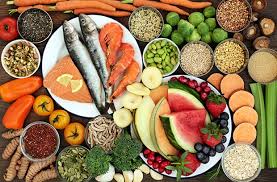
A 1400-calorie Mediterranean diet plan is a moderate-deficit eating pattern anchored in olive oil, vegetables, legumes, whole grains, fish, and small amounts of dairy and lean poultry.
The PREDIMED trial (Estruch et al. 2013, revised 2018) followed 7,447 adults at high cardiovascular risk and found the Mediterranean pattern, supplemented with extra-virgin olive oil or nuts, cut the composite risk of heart attack, stroke, and cardiovascular death by roughly 30 percent versus a low-fat control (1).
At 1400 kcal it fits most sedentary women looking to lose weight steadily.
How the Macros Work at 1400 Calories
The Mediterranean Diet Foundation pyramid puts vegetables, fruit, whole grains, and olive oil at the base, fish and legumes several times a week, poultry and eggs in moderation, and red meat and added sugars rarely (2). Translated to 1400 kcal:
- Fat: 55 to 65 g, mostly monounsaturated. Two to four tablespoons of extra-virgin olive oil daily, plus fatty fish and nuts.
- Protein: 70 to 90 g. Mix fish (2 to 3 servings a week), legumes daily, poultry 2 to 3 times a week, small amounts of dairy.
- Carbohydrate: 150 to 180 g, mostly whole grains, legumes, vegetables, and 2 to 3 pieces of fruit.
- Fiber: 25 to 35 g daily from vegetables, legumes, and whole grains.
- Sodium: under 2,300 mg. Rely on herbs, lemon, and vinegar rather than salt.
Who This Plan Fits and Who It Does Not
- Fits: adults who want steady weight loss, adults with cardiovascular risk factors (elevated LDL, hypertension, family history), people who tolerate whole grains and legumes, most people 18 and older.
- Does not fit as written: people with celiac disease (swap in gluten-free whole grains), tree nut allergy (use olives, seeds), fish allergy (swap in poultry and legumes), or those on warfarin who need consistent vitamin K intake.
If you take blood pressure or statin medication, tell your prescriber before starting. The pattern often improves numbers within 6 to 12 weeks, and doses sometimes need adjustment.
7-Day 1400-Calorie Mediterranean Meal Plan
Day 1 (~1,395 kcal)
- Breakfast: 2 hard-boiled eggs with 1 slice whole-grain toast (35 g), 1 tsp olive oil, 1 medium orange (150 g). 335 kcal, 16 g protein, 32 g carb, 15 g fat.
- Snack: 1 cup baby carrots (120 g) with 3 tbsp hummus (45 g). 140 kcal, 5 g protein, 17 g carb, 6 g fat.
- Lunch: Tuna avocado salad: 3 oz / 85 g canned tuna in water, 1/2 medium avocado (75 g), 2 cups romaine, 1 tbsp olive oil, lemon, 1/2 cup chickpeas (80 g). 420 kcal, 30 g protein, 25 g carb, 22 g fat.
- Snack: Almonds (1 oz / 28 g). 165 kcal, 6 g protein, 6 g carb, 14 g fat.
- Dinner: Chicken cabbage salad (3 oz / 85 g grilled chicken, 2 cups shredded cabbage, 1 tbsp olive oil, lemon) with steamed broccoli (1 cup / 90 g) topped with 1 tbsp parmesan. 335 kcal, 27 g protein, 12 g carb, 20 g fat.
- Daily total: 1,395 kcal, 84 g protein, 92 g carb, 77 g fat.
Day 2 (~1,410 kcal)
- Breakfast: Whole-grain protein pancakes (2 small, made with 1/2 cup oats, 1 egg, 1/4 cup Greek yogurt) with 1 tsp honey and 1/2 cup strawberries (75 g). 360 kcal, 20 g protein, 45 g carb, 10 g fat.
- Snack: 3/4 cup non-fat Greek yogurt (170 g) with 1/2 cup strawberries (75 g). 140 kcal, 15 g protein, 18 g carb, 0 g fat.
- Lunch: Spinach tomato salad (3 cups spinach, 1 cup cherry tomato / 150 g, 1/2 cup white beans / 80 g, 1 oz / 28 g feta, 1 tbsp olive oil, red wine vinegar). 320 kcal, 15 g protein, 30 g carb, 17 g fat.
- Snack: Almonds (1 oz / 28 g). 165 kcal, 6 g protein, 6 g carb, 14 g fat.
- Dinner: Ground turkey, white bean, and walnut stir fry (3 oz / 85 g lean ground turkey, 1/2 cup white beans / 80 g, 1 tbsp walnuts / 8 g, 1 cup zucchini / 125 g, 1 tbsp olive oil) with 1 hard-boiled egg on the side. 425 kcal, 35 g protein, 25 g carb, 22 g fat.
- Daily total: 1,410 kcal, 91 g protein, 124 g carb, 63 g fat.
Day 3 (~1,405 kcal)
- Breakfast: Vegetable scramble (2 eggs, 1/2 cup bell pepper / 75 g, 1/2 cup tomato / 75 g, 1 cup spinach, 1 tsp olive oil, 1 slice whole-grain toast). 335 kcal, 20 g protein, 25 g carb, 18 g fat.
- Snack: Cucumber avocado salad (1 cup cucumber / 120 g, 1/2 medium avocado / 75 g, lemon, dill). 150 kcal, 2 g protein, 10 g carb, 11 g fat.
- Lunch: Tabouleh salad (1/2 cup cooked quinoa / 90 g, 1/2 cup parsley, 1/4 cup cherry tomato, 1 tbsp olive oil, lemon) with 3/4 cup non-fat Greek yogurt (170 g) and 1/2 cup strawberries (75 g). 390 kcal, 18 g protein, 45 g carb, 15 g fat.
- Snack: Granola (1 oz / 28 g). 130 kcal, 3 g protein, 18 g carb, 5 g fat.
- Dinner: Mediterranean Caesar (2 cups romaine, 3 oz / 85 g grilled chicken breast, 1 tbsp olive oil, 1 tsp lemon, 1 tbsp parmesan, 1 anchovy, 3 whole-grain croutons). 400 kcal, 32 g protein, 12 g carb, 22 g fat.
- Daily total: 1,405 kcal, 75 g protein, 110 g carb, 71 g fat.
Day 4 (~1,395 kcal)
- Breakfast: Spinach scrambled eggs (2 eggs, 1 cup spinach, 1 tsp olive oil) with 1 medium orange (150 g) and 1 slice whole-grain toast. 320 kcal, 16 g protein, 28 g carb, 17 g fat.
- Snack: 3/4 cup non-fat Greek yogurt (170 g) with 1/2 cup blueberries (75 g). 145 kcal, 15 g protein, 22 g carb, 0 g fat.
- Lunch: Avocado tuna salad (3 oz / 85 g tuna, 1/2 medium avocado / 75 g, 1 sliced bell pepper / 100 g, 1 tsp olive oil, lemon) on 2 cups arugula. 370 kcal, 27 g protein, 15 g carb, 22 g fat.
- Snack: Almonds (1 oz / 28 g). 165 kcal, 6 g protein, 6 g carb, 14 g fat.
- Dinner: Zucchini “pasta” (2 cups zoodles / 250 g, 1/2 cup marinara / 125 g, 1 tbsp olive oil, 1 oz / 28 g cooked chickpeas, 1 tbsp parmesan). 395 kcal, 15 g protein, 40 g carb, 22 g fat.
- Daily total: 1,395 kcal, 79 g protein, 111 g carb, 75 g fat.
Day 5 (~1,410 kcal)
- Breakfast: 1/2 cup low-fat cottage cheese (110 g) with 1/2 cup blueberries (75 g), 1 tbsp walnuts (8 g), and 1 slice whole-grain toast. 320 kcal, 22 g protein, 35 g carb, 10 g fat.
- Snack: Granola (1 oz / 28 g). 130 kcal, 3 g protein, 18 g carb, 5 g fat.
- Lunch: Lemon avocado salad (2 cups spring mix, 1/2 medium avocado / 75 g, 3 oz / 85 g grilled shrimp, 1 tbsp olive oil, lemon, 1/2 cup lentils / 100 g). 390 kcal, 30 g protein, 25 g carb, 20 g fat.
- Snack: 1 medium apple (180 g) with 1 tbsp almond butter (16 g). 190 kcal, 4 g protein, 27 g carb, 9 g fat.
- Dinner: Grilled lemon chicken (4 oz / 115 g chicken breast in 1 tbsp olive oil) with roasted Brussels sprouts (1.5 cups / 130 g) and 1/2 cup cooked farro (80 g). 380 kcal, 35 g protein, 35 g carb, 12 g fat.
- Daily total: 1,410 kcal, 94 g protein, 140 g carb, 56 g fat.
Day 6 (~1,395 kcal)
- Breakfast: Scrambled eggs (2) with 1 oz / 28 g feta and 1 slice whole-grain toast, 1 tsp olive oil. 335 kcal, 20 g protein, 22 g carb, 18 g fat.
- Snack: Almonds (1 oz / 28 g). 165 kcal, 6 g protein, 6 g carb, 14 g fat.
- Lunch: Carrots (1 cup / 120 g) with 4 tbsp hummus (60 g) and 1/2 whole-wheat pita (30 g). 270 kcal, 10 g protein, 35 g carb, 10 g fat.
- Snack: Granola (1 oz / 28 g) with 1/2 cup Greek yogurt (115 g). 200 kcal, 12 g protein, 24 g carb, 5 g fat.
- Dinner: Baked ground turkey ziti (3 oz / 85 g lean ground turkey, 1/2 cup whole-grain ziti / 90 g cooked, 1/2 cup marinara / 125 g, 1 oz / 28 g mozzarella) with 1 hard-boiled egg. 425 kcal, 35 g protein, 40 g carb, 16 g fat.
- Daily total: 1,395 kcal, 83 g protein, 127 g carb, 63 g fat.
Day 7 (~1,415 kcal)
- Breakfast: 2 over-easy eggs with 1 tsp olive oil, 1 medium apple (180 g) sprinkled with cinnamon, and 1 slice whole-grain toast. 350 kcal, 16 g protein, 40 g carb, 15 g fat.
- Snack: Almonds (1 oz / 28 g). 165 kcal, 6 g protein, 6 g carb, 14 g fat.
- Lunch: Carrots (1 cup / 120 g) with 4 tbsp hummus (60 g) and 1/2 cup cooked bulgur (80 g). 295 kcal, 10 g protein, 45 g carb, 8 g fat.
- Snack: Granola (1 oz / 28 g). 130 kcal, 3 g protein, 18 g carb, 5 g fat.
- Dinner: Smoked paprika chicken (4 oz / 115 g chicken breast in 1 tbsp olive oil) with 1 cup roasted sweet potato (200 g) and a turmeric-ginger tea. 475 kcal, 35 g protein, 45 g carb, 18 g fat.
- Daily total: 1,415 kcal, 70 g protein, 154 g carb, 60 g fat.
7-Day Comparison Summary
Save as PDF| Day | Total kcal | Protein (g) | Carbs (g) | Fat (g) |
|---|---|---|---|---|
| 1 | 1,395 | 84 | 92 | 77 |
| 2 | 1,410 | 91 | 124 | 63 |
| 3 | 1,405 | 75 | 110 | 71 |
| 4 | 1,395 | 79 | 111 | 75 |
| 5 | 1,410 | 94 | 140 | 56 |
| 6 | 1,395 | 83 | 127 | 63 |
| 7 | 1,415 | 70 | 154 | 60 |
What the Evidence Actually Shows
PREDIMED (Estruch et al. 2013, revised 2018) is the largest randomized trial of the Mediterranean pattern.
For more on this topic, check out our guide on mediterranean diet.
Over 4.8 years, adults at high cardiovascular risk assigned to a Mediterranean diet with extra-virgin olive oil or mixed nuts had roughly 30 percent fewer major cardiovascular events than the low-fat control group (1).
The Mediterranean pattern also improved insulin sensitivity and reduced type 2 diabetes incidence in a PREDIMED sub-analysis. Mayo Clinic reviewers place it at the top of their heart-healthy pattern list because it works across whole-food swaps rather than restriction (3).
The main honest limit: adherence matters. Skip the olive oil and vegetables, and the benefit shrinks.
What to Expect in Week 1
- Weight loss of 1 to 3 lb in the first week, mostly water and reduced sodium retention as processed foods drop out.
- Digestive shift: gas or bloating for a few days as fiber climbs from 25 to 35 g. Add fiber gradually and drink 8 cups of water.
- Steady energy: most people report fewer afternoon energy crashes by day 4 or 5 because carbs come with fiber and healthy fats.
Practical Tips
- Keep extra-virgin olive oil, canned tuna and sardines, whole-grain bread, plain Greek yogurt, chickpeas, and frozen vegetables on hand for quick meals.
- Batch-cook one grain (bulgur, farro, or quinoa) and one legume (chickpeas or lentils) weekly.
- Fish twice a week is the PREDIMED-linked minimum. Fatty fish (salmon, sardines, mackerel) delivers the omega-3s.
- Wine is optional. If you already drink, moderate intake with meals aligns with the pattern. If you do not drink, do not start.
Frequently Asked Questions
Is 1400 calories enough on a Mediterranean plan?
For most adult women 1400 kcal is a moderate weight-loss deficit; for most adult men it is a larger deficit. Check your basal metabolic rate. Sedentary women weighing 130 to 170 lb often maintain around 1600 to 1900 kcal, so 1400 kcal drives steady loss.
How much weight will I lose?
Expect 1 to 2 lb per week for the first 6 to 8 weeks, then a slower 0.5 to 1 lb per week as the deficit narrows. Over 12 weeks most healthy adults lose 10 to 20 lb.
Do I have to use olive oil?
Extra-virgin olive oil was the intervention in PREDIMED. If you cannot use it, sub in avocado oil, olives, and nuts to keep monounsaturated fat high. Butter and coconut oil do not carry the same benefit.
Can I do this pattern without fish?
Yes. Swap in extra legumes, tofu, eggs, and walnuts for the omega-3s, and consider an algal DHA supplement. The pattern still works but the trial evidence is strongest with 2 to 3 fish servings weekly.
What about red wine?
PREDIMED allowed moderate red wine with meals. The evidence is mixed on whether wine adds benefit or just fits the pattern. If you do not drink, do not start. If you do, cap it at 1 glass daily for women and 2 for men.
Is this good for diabetes?
The Mediterranean pattern reduces type 2 diabetes incidence and improves A1c in people with diabetes, based on PREDIMED and follow-on trials (1). If you take insulin or sulfonylureas, coordinate with your prescriber so doses can be adjusted as blood sugar improves.
Can I follow this if I need to eat gluten-free?
Yes. Swap wheat products for quinoa, brown rice, buckwheat, corn tortillas, and certified gluten-free oats. Keep the olive oil, legumes, fish, and vegetables identical.
Disclaimer
1400 kcal per day sits below the maintenance needs of most adults and drives weight loss.
The Mediterranean pattern is well-tolerated but can still interact with medications: warfarin dosing depends on consistent vitamin K intake from leafy greens, and blood-pressure or statin doses may need adjustment as numbers improve.
This article is educational and does not replace an individualized care plan from a qualified clinician. If you are pregnant, nursing, under 18, or have a chronic condition, work with a registered dietitian to tailor portions and micronutrient targets. Not medical advice.