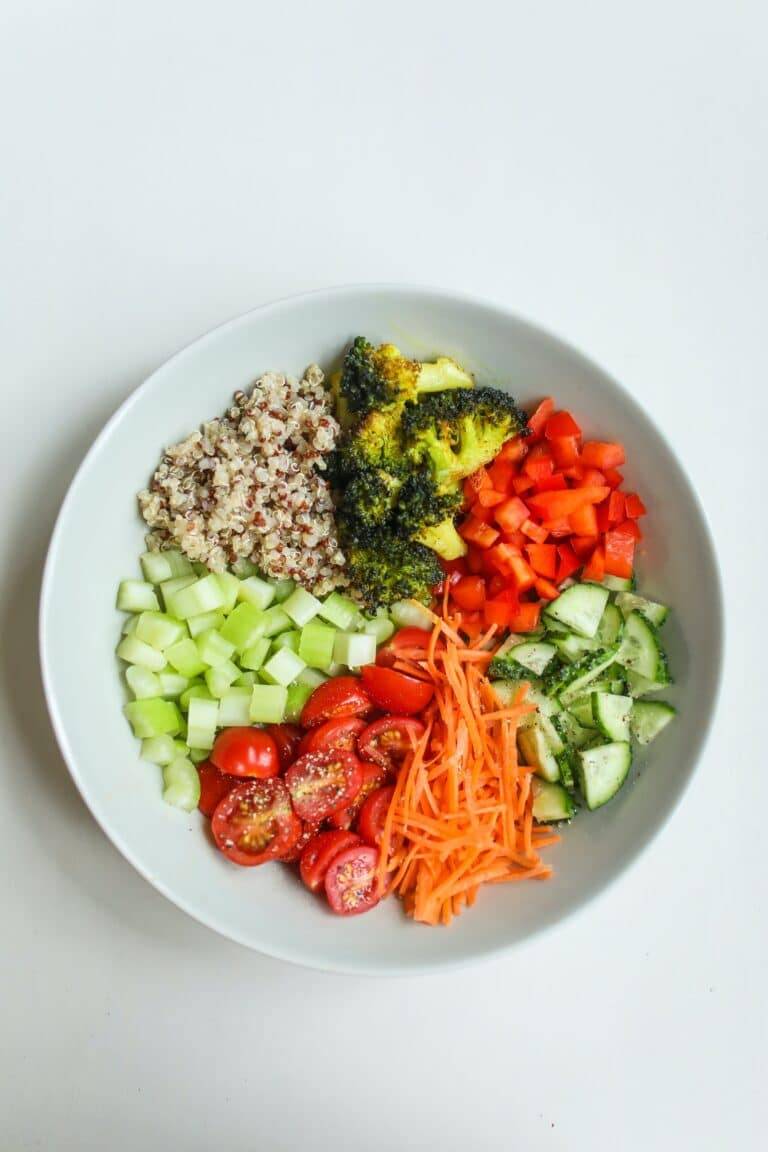
7-Day Insulin Resistance Diet Plan: Evidence-Based Meals + Macros
Aggressive dietary carbohydrate reduction while on glucose-lowering drugs can cause hypoglycemia. Never adjust prescription doses on your own.
Diabetic-focused meal plans, recipes, and food lists for readers managing type 1 diabetes, type 2 diabetes, gestational diabetes, or prediabetes - always alongside their own clinical team. Because dietary changes can meaningfully alter medication response (especially insulin and sulfonylureas), every plan tagged here is written for readers who work with their own physician and Registered Dietitian on personal targets.
Aggressive dietary carbohydrate reduction while on glucose-lowering drugs can cause hypoglycemia. Never adjust prescription doses on your own.
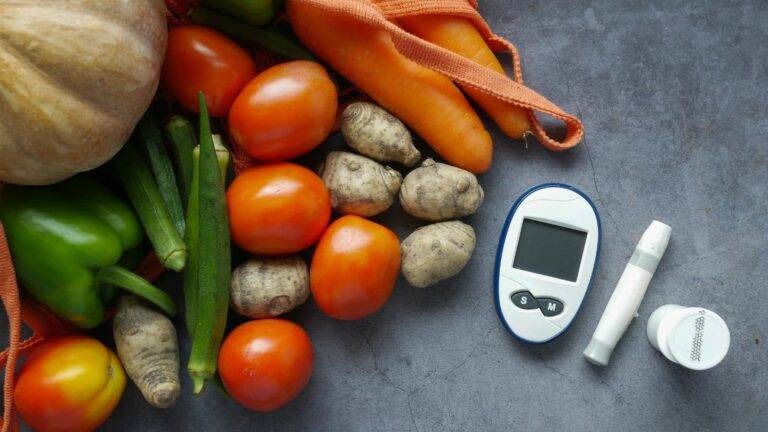
If you take insulin, sulfonylureas (glipizide, glyburide, glimepiride), meglitinides (repaglinide, nateglinide), SGLT2 inhibitors (empagliflozin, dapagliflozin, canagliflozin), GLP-1 receptor agonists (semaglutide, liraglutide, tirzepatide, dulaglutide), or DPP-4 inhibitors, cutting carbohydrates or changing meal timing without a dose review can cause dangerous low…

If you have diabetes, do not change your diet without first consulting your endocrinologist, primary care physician, or diabetes care and education specialist.
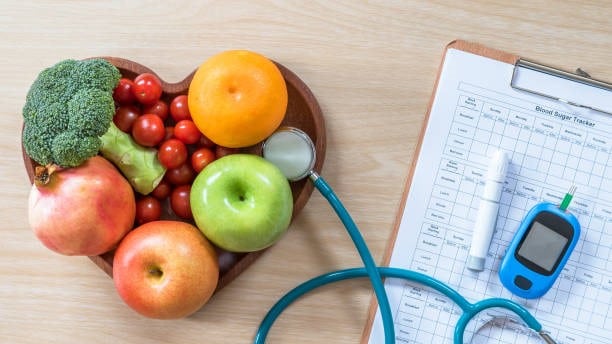
The strongest evidence comes from the DiRECT trial (Lean et al., The Lancet 2018), which put adults with type 2 diabetes on a 12-week 825 to 853 kcal/day formula diet under primary-care supervision.
Individual results may vary. Do not adjust diabetes medication doses on your own.
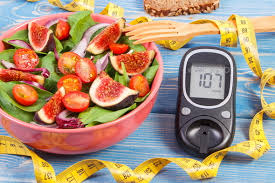
Individual results may vary. Do not adjust diabetes medication doses on your own.
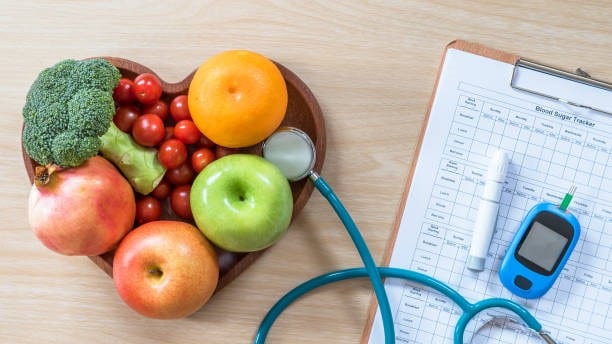
If you take insulin, sulfonylureas (glipizide, glyburide, glimepiride), meglitinides (repaglinide, nateglinide), SGLT2 inhibitors (empagliflozin, dapagliflozin, canagliflozin), GLP-1 receptor agonists (semaglutide, liraglutide, tirzepatide), or DPP-4 inhibitors, changing calories, carbohydrate, or meal timing without a medication review can cause dangerous hypoglycemia or,…
Low-carb diets drop blood glucose fast and can cause severe hypoglycemia on insulin, sulfonylureas (glipizide, glyburide, glimepiride), or meglitinides (repaglinide, nateglinide).

Short answer: A 1300-calorie diabetic meal plan spreads carbohydrate evenly across three meals and two snacks (roughly 30 to 45 g carb per meal, 15 g per snack) built around fiber-rich vegetables, legumes, whole grains, lean protein, and unsaturated fat.
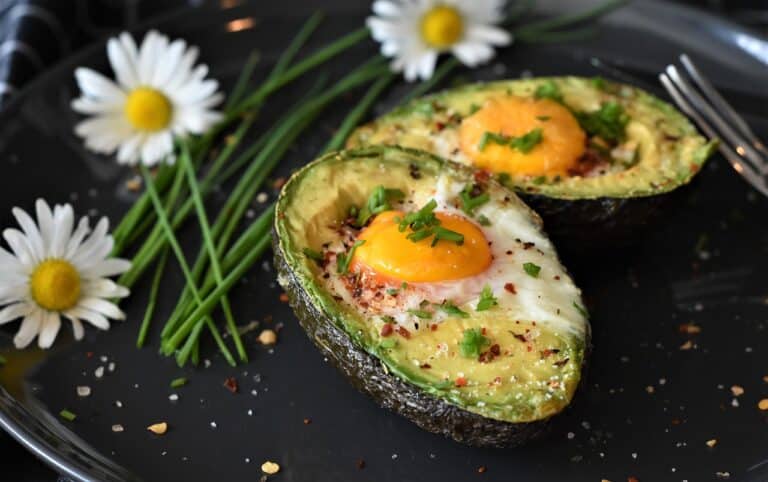
The paleo diet removes grains, legumes, and dairy, which cuts many typical carbohydrate sources and can drop blood glucose fast.

If you take insulin, sulfonylureas (glipizide, glyburide, glimepiride), meglitinides (repaglinide, nateglinide), SGLT2 inhibitors (empagliflozin, dapagliflozin, canagliflozin), GLP-1 agonists (semaglutide, liraglutide, tirzepatide), or DPP-4 inhibitors, changing your eating pattern without a medication review can cause dangerous hypoglycemia or, on SGLT2 drugs,…

To better understand whether a dessert is healthy or unhealthy, it is necessary to know how it is made.

Snacking with diabetes isn’t about avoiding food between meals. It’s about picking combinations that don’t spike glucose, hold you until the next meal, and fit whatever carbohydrate targets you and your care team have set.
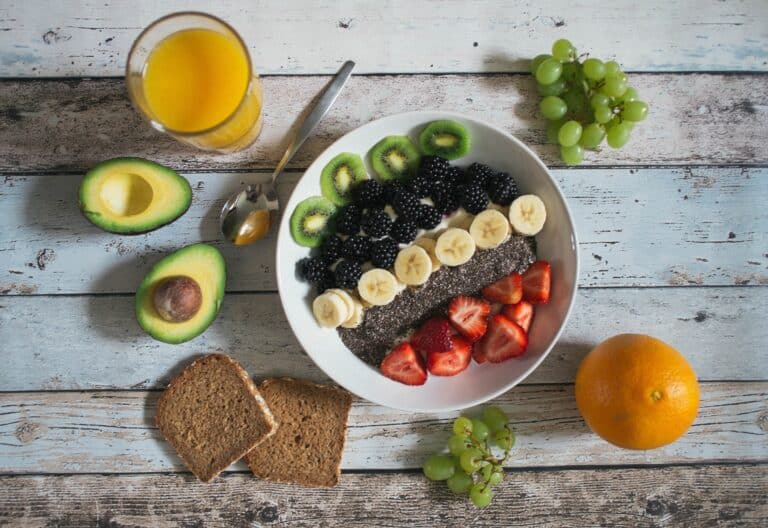
Elevated blood sugar levels mark a condition known as prediabetes. (1) In this condition, if eating habits are not improved, it can lead to type 2 diabetes.
We’ve packed the most delicious diabetes prevention recipes into 900 calories a day.

Get ready to learn formulas that are pleasant to drink and very suitable for diabetics. But it’s good to be reminded:
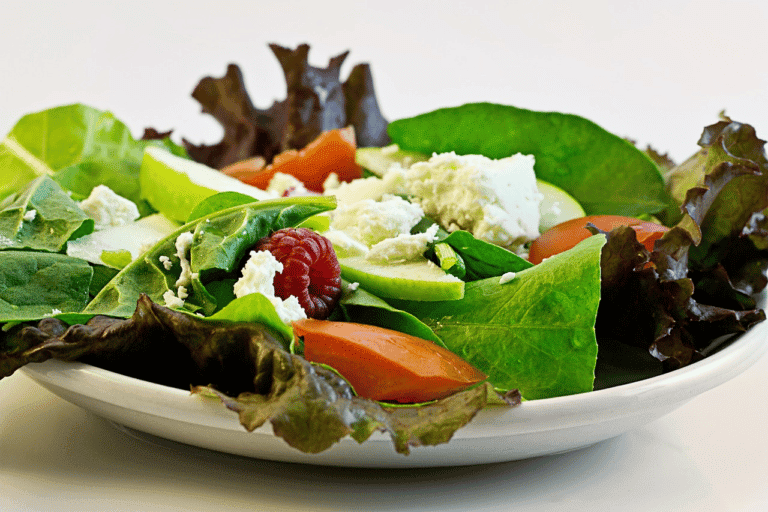
Type 1 diabetes (T1D) is an autoimmune condition in which the pancreas stops making insulin. There’s no cure and it can’t be prevented. With modern insulin therapy (multiple daily injections or a pump), continuous glucose monitoring, and a working understanding…
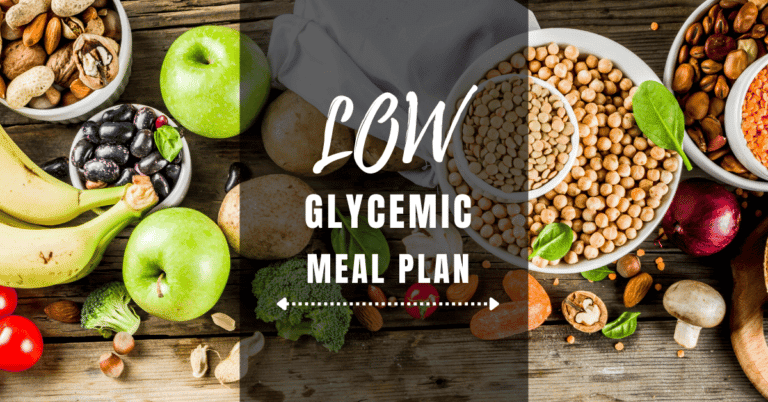
The low-glycemic diet has been around for a while, but it has become more popular among athletes and dieters in recent years.
Diabetic-focused meal plans, recipes, and food lists for readers managing type 1 diabetes, type 2 diabetes, gestational diabetes, or prediabetes - always alongside their own clinical team. Because dietary changes can meaningfully alter medication response (especially insulin and sulfonylureas), every plan tagged here is written for readers who work with their own physician and Registered Dietitian on personal targets.
Meal plans cover calorie ranges from 1,200 to 2,000 and diet frameworks including Mediterranean-for-diabetes, DASH, low-carb, high-protein, and plant-based. Every recipe card lists per-serving carbohydrates, net carbs, added sugars, fiber, and protein. Portion sizes are calibrated to the American Diabetes Association's Plate Method framework where applicable. Nutrition math uses the Nutritionix database, cross-referenced against USDA references.
Content in this category is written or reviewed by a Registered Dietitian - Brenda Peralta, Kerly Cordova, Marita Radloff, or Karolina Peterova - and medically reviewed by Franco Cuevas, MD. Content covering food-medication interactions (grapefruit + metformin, potassium + ACE inhibitors, alcohol + sulfonylureas) is additionally reviewed by our Pharm-D Andleeb Asghar. Sources include the ADA Standards of Care, CDC, and Academy of Nutrition and Dietetics.