Medical Disclaimer: This article is for informational purposes only and is not a substitute for professional medical advice, diagnosis, or treatment. Diabetes care requires individualized medical supervision.
Always consult a registered dietitian, physician, certified diabetes care and education specialist (CDCES), or qualified healthcare provider before making significant changes to your diet, especially if you take insulin, sulfonylureas, meglitinides, SGLT2 inhibitors, or other medications that lower blood sugar, are pregnant or nursing, or have kidney disease.
Individual results may vary. Do not adjust diabetes medication doses on your own.
1500-Calorie Diet Plan for Diabetics: An Honest 7-Day Guide
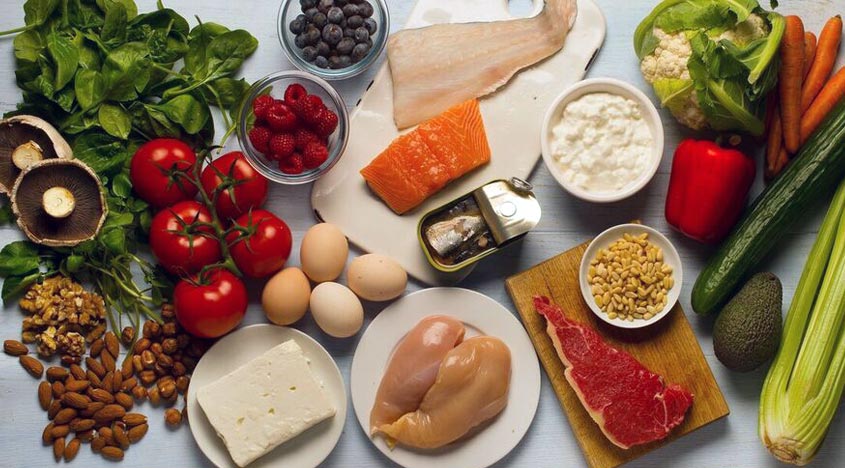
A 1500-calorie diet plan for adults with type 2 diabetes is a moderate-deficit eating pattern that keeps carbohydrate to roughly 150 to 190 g per day (about 45 to 60 g per meal), delivers 25 to 35 g fiber, and pairs every carb with protein and healthy fat to blunt glucose spikes.
The American Diabetes Association 2024 Standards of Care emphasize that no single macronutrient split is best, but sustained weight loss and carbohydrate quality are the two levers with the largest impact on A1c and cardiovascular risk (1).
Any plan that lowers calories or carbs while you take insulin or sulfonylureas needs medical supervision to avoid hypoglycemia.
Why 1500 Calories, and Who It Fits
The Evert et al. 2019 ADA consensus report reviewed 60 nutrition trials in adults with diabetes and concluded that any pattern producing sustained weight loss of 5 to 10 percent improved A1c, blood pressure, and lipid profiles (2).
At 1500 kcal, most sedentary adults with type 2 diabetes sit in a 300 to 500 kcal daily deficit, which produces roughly 0.5 to 1.5 lb of weight loss per week.
The DiRECT trial (Lean et al. 2018) showed that structured weight loss of 15 kg produced type 2 diabetes remission in 46 percent of participants at 12 months, and even 5 to 10 kg loss produced remission in a meaningful minority (3).
Weight matters. 1500 kcal is one calorie level in a spectrum, and it fits many adults but not all.
- Fits: adults with type 2 diabetes or prediabetes who want moderate weight loss under clinical oversight, sedentary women and men in the 150 to 220 lb range, adults stepping down from higher-calorie eating without extreme restriction, people whose care team agrees the plan matches their targets.
- Does not fit as written: adults with type 1 diabetes (carb counting to insulin ratios is required, not a fixed calorie template), pregnant or breastfeeding people with diabetes (gestational or otherwise), children under 18, adults with advanced kidney disease (needs protein and potassium tailoring), older adults at risk of unintended weight loss, anyone with a history of disordered eating.
Critical Medication Safety
Cutting calories and carbs while on glucose-lowering medication is the single most common cause of preventable hypoglycemia in adults with diabetes. Read this section before day 1.
- Insulin (basal or prandial): Doses often need to drop 10 to 30 percent when calories fall by 300 to 500 per day. Never adjust on your own. Contact your prescriber first. Ask about correction-scale changes and how quickly to expect basal to move.
- Sulfonylureas (glipizide, glimepiride, glyburide) and meglitinides (repaglinide, nateglinide): These force the pancreas to release insulin regardless of blood sugar and are the highest-risk oral medications for hypoglycemia during calorie reduction (1). Ask your prescriber whether the dose should drop or the medication should be paused during the initial weight-loss phase.
- SGLT2 inhibitors (empagliflozin, dapagliflozin, canagliflozin, ertugliflozin): Combined with sharp carb cuts, these can rarely trigger euglycemic diabetic ketoacidosis (a serious condition where ketones climb even when blood sugar looks normal). Do not aggressively restrict carbs on these without physician review. Report nausea, abdominal pain, or fruity-smelling breath immediately.
- GLP-1 receptor agonists (semaglutide, liraglutide, dulaglutide, tirzepatide): Appetite suppression can make undereating easy on these medications. Track intake to avoid dropping below 1200 kcal without dietitian oversight. Nausea often improves after 4 to 6 weeks.
- Metformin, DPP-4 inhibitors alone: Lower hypoglycemia risk on their own, but combined with insulin or sulfonylureas the risk stacks.
Ask your care team to write down clear hypoglycemia rules before day 1: how often to check glucose (fingerstick or continuous glucose monitor), what number triggers the 15-15 rule (15 g fast carbs like 4 oz juice, wait 15 minutes, recheck), when to call the on-call clinician, and when to go to the emergency room.
Keep glucose tabs, juice boxes, or gel in your car, purse, and bedside table.
How the Macros Work at 1500 Calories
The ADA does not mandate a specific macro split. The plan below uses roughly 45 percent carbohydrate, 25 percent protein, and 30 percent fat, which the 2019 consensus flagged as one of several evidence-based patterns (2).
Fiber-forward carbs, non-starchy vegetables at every meal, and consistent meal timing matter more than the exact ratio.
For more on this topic, check out our guide on 1800 calorie diet plan for diabetics.
- Carbohydrate: 150 to 190 g daily, split into 45 to 60 g at meals and 15 to 25 g at snacks. Prioritize legumes, whole grains, non-starchy vegetables, low-glycemic fruit (berries, apples, pears, citrus, plums).
- Fiber: 25 to 35 g daily. Fiber above 25 g improves A1c independent of calories (1).
- Protein: 85 to 105 g daily, spread across meals. Fish twice a week, poultry, legumes, tofu, low-fat Greek yogurt, eggs. If you have chronic kidney disease, ask your dietitian for a personal target.
- Fat: 45 to 55 g daily, mostly monounsaturated and omega-3. Olive oil, nuts, seeds, avocado, fatty fish.
- Sodium: under 2,300 mg (under 1,500 mg if you have hypertension). Rely on herbs, lemon, and vinegar rather than salt.
- Added sugar: under 25 g daily. Read labels; hidden sugar in flavored yogurts, cereals, granola bars, and sauces derails glucose numbers fast.
7-Day 1500-Calorie Diabetic Meal Plan
Per-meal carb counts are the number that matters for glucose management. They appear in bold in italics after each meal.
Day 1 (~1,490 kcal, 175 g carb, 32 g fiber)
- Breakfast: 1/2 cup rolled oats (40 g) cooked in water with 1 medium plum (65 g), 3 tbsp walnuts (20 g), cinnamon. 340 kcal, 10 g protein, 42 g carb, 16 g fat, 7 g fiber.
- Snack: 1/2 cup blueberries (75 g) with 3/4 cup non-fat plain Greek yogurt (170 g). 115 kcal, 15 g protein, 15 g carb, 0 g fat, 2 g fiber.
- Lunch: Chipotle ranch egg salad wrap (2 hard-boiled eggs, 1 tbsp Greek yogurt, chipotle seasoning, in 1 whole-grain 8-in tortilla / 45 g) with 7 seeded crackers (30 g) and 1/4 cup hummus (60 g). 440 kcal, 22 g protein, 48 g carb, 18 g fat, 8 g fiber.
- Snack: 1 medium apple (180 g) with 1 tbsp natural peanut butter (16 g). 190 kcal, 4 g protein, 27 g carb, 8 g fat, 5 g fiber.
- Dinner: Garlicky shrimp (5 oz / 140 g shrimp, 1 tbsp olive oil, garlic, lemon) over 1 cup cooked whole-wheat couscous (155 g) with 2 cups steamed broccoli (180 g). 410 kcal, 40 g protein, 50 g carb, 10 g fat, 10 g fiber.
- Daily total: 1,495 kcal, 91 g protein, 182 g carb, 52 g fat, 32 g fiber.
Day 2 (~1,480 kcal, 165 g carb, 33 g fiber)
- Breakfast: Bagel avocado toast (1/2 whole-grain bagel / 40 g, 1/2 medium avocado / 75 g, everything seasoning) with 1 medium orange (150 g) and 1/4 cup pistachios in shell (30 g). 420 kcal, 15 g protein, 45 g carb, 22 g fat, 12 g fiber.
- Snack: Muesli (1/4 cup / 30 g) with 1/2 cup blueberries (75 g) and 1/2 cup non-fat Greek yogurt (115 g). 180 kcal, 12 g protein, 28 g carb, 3 g fat, 4 g fiber.
- Lunch: Zucchini noodles (2 cups / 250 g) with quick turkey bolognese (3 oz / 85 g lean ground turkey, 1/2 cup marinara / 125 g, 1 tbsp olive oil, 1 tbsp parmesan). 360 kcal, 25 g protein, 18 g carb, 20 g fat, 5 g fiber.
- Snack: 1 medium apple (180 g) sprinkled with cinnamon. 95 kcal, 0 g protein, 25 g carb, 0 g fat, 4 g fiber.
- Dinner: Roasted vegetables (1.5 cups zucchini, bell pepper, red onion / 200 g) and lentil salad (3/4 cup cooked lentils / 150 g) with green goddess dressing (1 tbsp olive oil, herbs, lemon). 425 kcal, 20 g protein, 50 g carb, 16 g fat, 12 g fiber.
- Daily total: 1,480 kcal, 72 g protein, 166 g carb, 61 g fat, 37 g fiber.
Day 3 (~1,510 kcal, 180 g carb, 30 g fiber)
- Breakfast: Non-fat plain Greek yogurt (3/4 cup / 170 g) with 1 tsp honey, 1/2 cup blueberries (75 g), and 1/4 cup muesli (30 g). 330 kcal, 22 g protein, 40 g carb, 6 g fat, 4 g fiber.
- Snack: 1 oz pistachios in shell (28 g) with 1 medium plum (65 g). 190 kcal, 6 g protein, 17 g carb, 13 g fat, 3 g fiber.
- Lunch: Zucchini noodles with turkey bolognese (as Day 2). 360 kcal, 25 g protein, 18 g carb, 20 g fat, 5 g fiber.
- Snack: 8 seeded crackers (35 g) with 1/4 cup hummus (60 g) and 1 medium orange (150 g). 240 kcal, 8 g protein, 35 g carb, 9 g fat, 6 g fiber.
- Dinner: Chicken sausage and peppers (3 oz / 85 g lean chicken sausage, 1 cup bell pepper / 150 g, 1/2 cup onion / 75 g, 1 tsp olive oil) with 1/2 cup cooked brown rice (100 g). 395 kcal, 22 g protein, 45 g carb, 15 g fat, 6 g fiber.
- Daily total: 1,515 kcal, 83 g protein, 155 g carb, 63 g fat, 24 g fiber.
Day 4 (~1,485 kcal, 155 g carb, 32 g fiber)
- Breakfast: 1/2 cup rolled oats (40 g) with 1 medium plum (65 g) and 3 tbsp walnuts (20 g). 340 kcal, 10 g protein, 42 g carb, 16 g fat, 7 g fiber.
- Snack: 3/4 cup non-fat Greek yogurt (170 g) with 1 cup raspberries (125 g). 170 kcal, 18 g protein, 22 g carb, 0 g fat, 8 g fiber.
- Lunch: Zucchini noodles with turkey bolognese (as Day 2). 360 kcal, 25 g protein, 18 g carb, 20 g fat, 5 g fiber.
- Snack: 1 medium orange (150 g) with 1/4 cup pistachios in shell (30 g). 195 kcal, 6 g protein, 22 g carb, 12 g fat, 4 g fiber.
- Dinner: Smoky maple mustard salmon (4 oz / 115 g wild salmon, 1 tsp maple, 1 tsp mustard, 1 tsp olive oil) with 2 cups steamed mixed greens and 1/2 cup roasted sweet potato (100 g). 420 kcal, 30 g protein, 28 g carb, 22 g fat, 6 g fiber.
- Daily total: 1,485 kcal, 89 g protein, 132 g carb, 70 g fat, 30 g fiber.
Day 5 (~1,510 kcal, 170 g carb, 30 g fiber)
- Breakfast: Bagel avocado toast (1/2 whole-grain bagel / 40 g, 1/2 medium avocado / 75 g) with 1 cup non-fat Greek yogurt (225 g) and 3/4 cup blueberries (110 g). 425 kcal, 28 g protein, 52 g carb, 14 g fat, 10 g fiber.
- Snack: 1 medium plum (65 g) with 1 oz pistachios (28 g). 190 kcal, 6 g protein, 15 g carb, 13 g fat, 3 g fiber.
- Lunch: Zucchini noodles with turkey bolognese (as Day 2). 360 kcal, 25 g protein, 18 g carb, 20 g fat, 5 g fiber.
- Snack: 1 medium apple (180 g) with 1 tbsp peanut butter (16 g). 190 kcal, 4 g protein, 27 g carb, 8 g fat, 5 g fiber.
- Dinner: Pork paprikash (3 oz / 85 g lean pork loin, 1 tbsp Greek yogurt, paprika, 1 tsp olive oil) with 1 cup cauliflower rice (150 g) and 1 small whole-wheat baguette slice (35 g). 345 kcal, 30 g protein, 35 g carb, 12 g fat, 7 g fiber.
- Daily total: 1,510 kcal, 93 g protein, 147 g carb, 67 g fat, 30 g fiber.
Day 6 (~1,495 kcal, 160 g carb, 30 g fiber)
- Breakfast: Non-fat Greek yogurt (3/4 cup / 170 g) with 1 tsp honey, 1/2 cup blueberries (75 g), and 1/4 cup muesli (30 g). 330 kcal, 22 g protein, 40 g carb, 6 g fat, 4 g fiber.
- Snack: 1 small orange (130 g). 60 kcal, 1 g protein, 15 g carb, 0 g fat, 3 g fiber.
- Lunch: Veggie hummus sandwich (2 slices whole-grain bread / 70 g, 3 tbsp hummus / 45 g, cucumber, tomato, spinach, 1 oz / 28 g feta) with 1 medium plum (65 g). 425 kcal, 18 g protein, 55 g carb, 15 g fat, 10 g fiber.
- Snack: 8 seeded crackers (35 g) with 1/4 cup hummus (60 g). 240 kcal, 8 g protein, 28 g carb, 12 g fat, 6 g fiber.
- Dinner: Roast chicken (4 oz / 115 g chicken breast) with parmesan herb sauce (1 tbsp Greek yogurt, 1 tbsp parmesan, herbs) and 2 cups roasted vegetables (200 g mixed carrot, zucchini, onion). 440 kcal, 35 g protein, 25 g carb, 22 g fat, 7 g fiber.
- Daily total: 1,495 kcal, 84 g protein, 163 g carb, 55 g fat, 30 g fiber.
Day 7 (~1,505 kcal, 175 g carb, 30 g fiber)
- Breakfast: Spinach and egg scramble (2 eggs, 1 cup spinach, 1 tsp olive oil) with 1/2 cup raspberries (60 g) and 1 medium orange (150 g). 310 kcal, 16 g protein, 32 g carb, 15 g fat, 8 g fiber.
- Snack: 1/4 cup blueberries (35 g) with 1/2 cup non-fat Greek yogurt (115 g). 90 kcal, 12 g protein, 12 g carb, 0 g fat, 1 g fiber.
- Lunch: Pita bread (1 whole-grain pita / 60 g) and hummus (1/4 cup / 60 g) with a green salad (2 cups mixed greens, cucumber, cherry tomato, 1 tbsp olive oil, lemon). 380 kcal, 12 g protein, 50 g carb, 18 g fat, 9 g fiber.
- Snack: 1 medium apple (180 g) with 1 tbsp peanut butter (16 g). 190 kcal, 4 g protein, 27 g carb, 8 g fat, 5 g fiber.
- Dinner: Mushroom-sauced pork chop (4 oz / 115 g lean pork loin, 1/2 cup mushrooms / 40 g, 1 tbsp Greek yogurt, 1 tsp olive oil) with 1/2 cup cooked brown rice (100 g) and 2 cups steamed mixed greens. 530 kcal, 35 g protein, 50 g carb, 20 g fat, 7 g fiber.
- Daily total: 1,500 kcal, 79 g protein, 171 g carb, 61 g fat, 30 g fiber.
7-Day Comparison Summary
| Day | Total kcal | Carbs (g) | Protein (g) | Fat (g) | Fiber (g) |
|---|---|---|---|---|---|
| 1 | 1,495 | 182 | 91 | 52 | 32 |
| 2 | 1,480 | 166 | 72 | 61 | 37 |
| 3 | 1,515 | 155 | 83 | 63 | 24 |
| 4 | 1,485 | 132 | 89 | 70 | 30 |
| 5 | 1,510 | 147 | 93 | 67 | 30 |
| 6 | 1,495 | 163 | 84 | 55 | 30 |
| 7 | 1,500 | 171 | 79 | 61 | 30 |
What the Evidence Actually Shows
The ADA 2024 Standards of Care emphasize that weight loss of 5 percent or more improves glycemic control across every eating pattern studied, and higher fiber intake (35 g or more) independently lowers A1c (1).
Evert et al. 2019 formally reviewed 60 nutrition trials and endorsed multiple patterns (Mediterranean, DASH, low-carb, plant-based, low-fat) provided they support sustained weight loss and individual preferences (2).
The DiRECT trial (Lean et al. 2018) put 306 UK adults with type 2 diabetes on a 12-week 825-1200 kcal formula diet followed by weight-loss maintenance; 46 percent achieved diabetes remission at 12 months, and 36 percent maintained remission at 24 months, with remission tightly linked to weight loss (3).
The honest bottom line: sustained weight loss and consistent meal timing drive A1c improvements more than any specific macro ratio.
What to Expect in Week 1
- Blood sugar shift: fasting glucose often drops 20 to 40 mg/dL by day 3 or 4 if you were previously overeating. This is why medication doses may need to move down before starting.
- Weight loss of 2 to 4 lb in the first week, mostly water as glycogen and sodium leave.
- Digestive shift: gas or bloating for a few days as fiber climbs from 20 to 35 g. Add fiber gradually and drink 8 to 10 cups of water.
- Hunger patterns: hunger typically settles by day 5 as protein and fiber stabilize glucose curves. If you feel shaky, check glucose first, then eat.
Practical Tips
- Check glucose before meals and 2 hours after for the first 2 weeks so your care team can see how the plan interacts with your medication.
- Batch-cook one lean protein (chicken, turkey, salmon) and one legume (lentils, black beans, chickpeas) each Sunday.
- Keep 15 g fast-carb rescue (juice box, glucose tabs, honey packet) in your car, purse, and bedside table.
- Fill half the plate with non-starchy vegetables at lunch and dinner (ADA plate method).
- Do not skip meals if you take insulin or sulfonylureas. Consistent timing keeps glucose predictable.
Frequently Asked Questions
Is 1500 calories safe for type 2 diabetes?
Under clinical oversight, yes, for most adults with type 2 diabetes who are overweight and not on high-dose insulin. Adults on insulin, sulfonylureas, or meglitinides need medication dose review before starting.
Adults with type 1 diabetes, gestational diabetes, kidney disease, or a history of disordered eating need individualized plans, not a calorie template.
How much weight will I lose?
Expect 2 to 4 lb the first week (water shift), then 1 to 2 lb weekly for 6 to 8 weeks, tapering to 0.5 to 1 lb weekly. Over 12 to 16 weeks most adults lose 12 to 20 lb, which puts many people into the DiRECT remission range if starting weight is 200 lb or higher.
How many carbs should I eat per meal?
The plan targets 45 to 60 g carb per meal and 15 to 25 g per snack. If you use a continuous glucose monitor, watch how each meal moves your line.
If a meal spikes above 180 mg/dL 2 hours after, try dropping the carbs by 10 to 15 g and adding an extra half serving of protein or fat next time.
Can I eat fruit?
Yes. Whole fruit paired with protein or fat blunts spikes. Best low-glycemic choices: berries, apples, pears, plums, oranges, kiwi. Watch portion sizes on grapes, pineapple, mango, and dried fruit. Avoid fruit juice; it hits glucose fast.
Do I need a certified diabetes educator?
A certified diabetes care and education specialist (CDCES) or registered dietitian is worth the visit at the start. They can review medication timing, teach the plate method, set glucose targets, and adjust the plan to your labs and lifestyle.
Most insurance plans in the US cover diabetes self-management education.
What if I get hypoglycemia?
Follow the 15-15 rule: take 15 g fast carbs (4 oz juice, 3 to 4 glucose tabs, 1 tbsp honey), wait 15 minutes, recheck glucose. If still below 70 mg/dL, repeat.
If you feel confused, cannot swallow safely, or have a seizure, do not try to eat. A companion should give glucagon and call emergency services.
Report any hypoglycemic episode to your care team so doses can be adjusted.
Can I use meal replacement shakes?
Some clinical programs (like the DiRECT trial protocol) use formula shakes at the start of an intensive weight-loss phase (3). For daily long-term eating, whole-food meals work as well or better because they build sustainable habits.
If you use a shake, pick one under 15 g added sugar and at least 15 g protein.
Disclaimer
1500 kcal per day sits below the maintenance needs of most adults and drives weight loss. If you take insulin, sulfonylureas (glipizide, glimepiride, glyburide), meglitinides (repaglinide, nateglinide), SGLT2 inhibitors (empagliflozin, dapagliflozin, canagliflozin), or GLP-1 receptor agonists (semaglutide, liraglutide, dulaglutide, tirzepatide), medication doses often need to change when calories and carbohydrates fall. Contact your prescriber before day 1.
Do not adjust doses on your own. Adults with type 1 diabetes, gestational diabetes, chronic kidney disease, a history of disordered eating, or older adults at risk of unintended weight loss should work with a registered dietitian or certified diabetes care and education specialist to build a personalized plan. Pregnant or nursing people with diabetes and children under 18 should not follow adult calorie templates.
Keep glucose rescue carbs on hand and know your 15-15 rule. This article is educational and does not replace an individualized care plan from a qualified clinician. Not medical advice.