Diets Meal Plan builds calorie- and diet-specific meal plans that people can actually follow. Every plan is a full seven-day (or 14, 21, 30-day) framework with breakfast, lunch, dinner, and snacks, calorie-balanced to the target on the title, and structured around real recipes tested in our kitchen - not spreadsheet math with generic food names.
Talking to a doctor before following this diet plan is indispensable because the human requirements are unique to their body systems (what works for others may harm you). The simple 1200-calorie diet plan is geared toward predictable weight loss goals.
The macro build below targets about 200 g protein (roughly 27%, or 1.0 g per pound of goal body weight, which sits near the top of the range in the International Society of Sports Nutrition protein position stand), 350 g…
The most-cited human trial of a similar pattern (Stote 2007) showed weight loss but also increased blood pressure and worsened glucose tolerance. It can work for some, but it is not a beginner protocol and it needs planning to avoid…
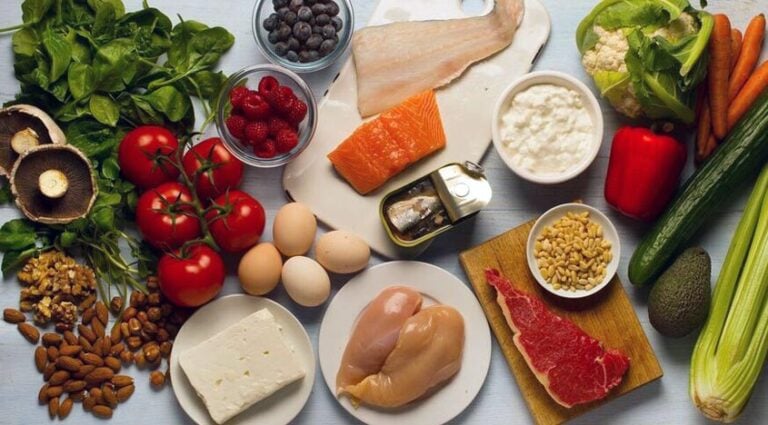
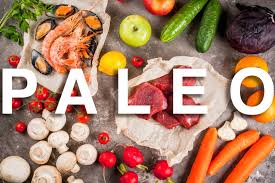
Honest headline: The paleo diet is one of the more expensive eating patterns because it centers on meat, seafood, eggs, nuts, and produce while excluding the cheapest calories in the American grocery store (rice, beans, oats, pasta).
Well-planned vegetarian diets are appropriate for all life stages, per the Academy of Nutrition and Dietetics position paper, and are associated with lower risk of heart disease, type 2 diabetes, and some cancers (1).
A 2013 systematic review and meta-analysis by Bueno et al. of 13 randomized trials with more than 1500 adults found very-low-carb ketogenic diets produced greater weight loss at 12 months than low-fat diets, along with better triglycerides and HDL, though…
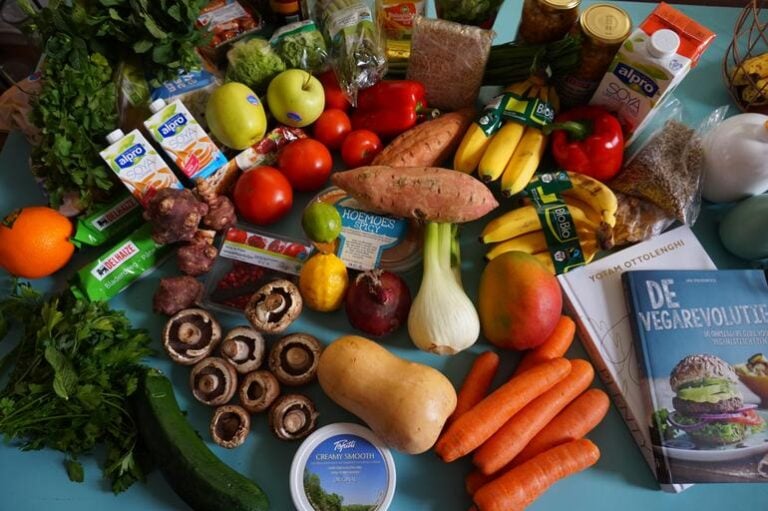
Short answer: A well-planned 2000-calorie vegan meal plan hits daily protein of 80 to 100 g, 55 to 70 g of fat, and 260 to 300 g of carbs while staying rich in fiber, potassium, magnesium, and folate.
The honest lead: When you break an intermittent fast, the goal for the first bite is not “boost metabolism.” It is to restart digestion without spiking blood sugar, upsetting the gut, or triggering the ravenous rebound eating that undoes the…
Medical safety notice. DASH is generally safe for most adults, but if you take blood-pressure medication, potassium-sparing diuretics, ACE inhibitors, ARBs, lithium, or have chronic kidney disease (potassium and phosphorus may need to be restricted, not increased), talk to your…
A 2015 systematic review by Manheimer et al. of four controlled trials found paleo eating produced short-term improvements in waist circumference, triglycerides, blood pressure, and HDL cholesterol versus reference healthy diets, but the evidence base is small and long-term data…
A 1900-calorie meal plan for athletes fits smaller-frame endurance and multi-sport athletes (roughly 55 to 68 kg / 120 to 150 lb) in a maintenance phase, or a taller athlete in a controlled weight-loss week.
Short answer: A 1300-calorie vegan meal plan is a short-term weight-loss template that uses only plant foods to reach 60 to 75 g protein, 25 to 35 g fiber, and adequate iron, zinc, calcium, omega-3, and iodine daily.
Short answer: A 1500-calorie Ornish diet plan follows Dr. Dean Ornish’s whole-food, plant-based, very-low-fat pattern (roughly 10 percent of calories from fat) combined with the lifestyle limbs he tested in the Lifestyle Heart Trial: moderate exercise, stress management (meditation, yoga),…
Diets Meal Plan builds calorie- and diet-specific meal plans that people can actually follow. Every plan is a full seven-day (or 14, 21, 30-day) framework with breakfast, lunch, dinner, and snacks, calorie-balanced to the target on the title, and structured around real recipes tested in our kitchen - not spreadsheet math with generic food names.
Our plans cover the full calorie range from 500 to 3,000 kcal per day, and diet frameworks including keto, Mediterranean, diabetic, DASH, high-protein, low-carb, paleo, vegetarian, vegan, bariatric, postpartum, and budget-conscious. Condition-specific plans (diabetes, PCOS, high cholesterol, hypothyroidism, kidney disease, pregnancy) are written or reviewed by a Registered Dietitian on our team and medically reviewed by Franco Cuevas, MD. General weight-loss and lifestyle plans are developed and tested by our Food Editor Damla Sengul and the nutrition team, with Brenda Peralta, Kerly Cordova, Marita Radloff, Karolina Peterova, and Guido Forti reviewing for calorie accuracy and macronutrient balance.
Each plan states what it is for and what it is not: no plan on this site claims to treat a disease, and any plan that touches medication or clinical outcomes tells the reader when to work with their own clinician instead. Nutrition estimates are calculated per meal against the Nutritionix database and USDA DRI, and the plan's PDF is printable so people can take it to the kitchen. If a plan's numbers don't line up with what you count at home, email social@dietsmealplan.com and we will re-test.