Medical Disclaimer: This article is for informational purposes only and is not a substitute for professional medical advice, diagnosis, or treatment.
Always consult a registered dietitian, physician, or qualified healthcare provider before making significant changes to your diet, especially if you have a medical condition, take medication, are pregnant or nursing, or are managing a chronic illness. Individual results may vary.
1200-Calorie Vegetarian Meal Plan: An Honest 7-Day Guide
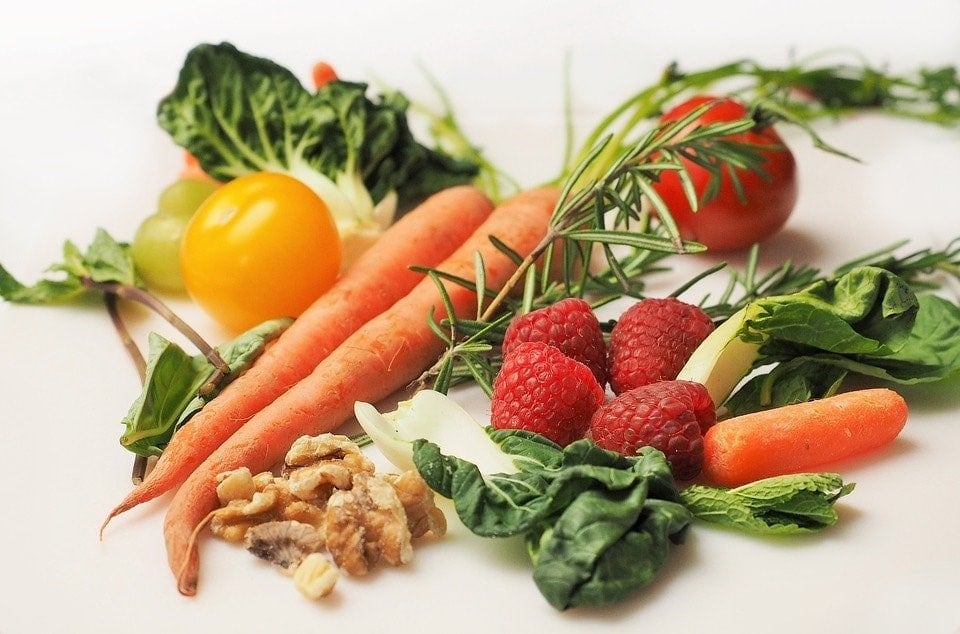
A 1200-calorie vegetarian meal plan is a short-term weight-loss protocol built on legumes, whole grains, eggs, dairy, vegetables, fruit, nuts, and seeds.
Well-planned vegetarian diets are appropriate for all life stages, per the Academy of Nutrition and Dietetics position paper, and are associated with lower risk of heart disease, type 2 diabetes, and some cancers (1).
But 1200 kcal sits at or below the basal metabolic rate of most adults, so this is a 2 to 4 week reset, not a way of eating. Protein complementation (legumes plus whole grains) matters at this calorie level so amino acid coverage stays complete.
What Vegetarian Means Here
This plan is lacto-ovo vegetarian: no meat, poultry, or fish, but eggs and dairy are included. That framework makes 1200 kcal easier to plan because eggs and Greek yogurt anchor animal-source protein without adding much cost or bulk.
- Included: lentils, black beans, chickpeas, tofu, tempeh, edamame, eggs, plain yogurt, cottage cheese, whole grains (oats, quinoa, brown rice, whole-wheat bread), vegetables, fruit, nuts, seeds, olive oil.
- Excluded: meat, poultry, fish, seafood, and anything cooked in animal broth or gelatin.
- Vegan variant: swap eggs, yogurt, and cheese for tofu, tempeh, and fortified soy or oat milk. Add a B12 supplement.
How the Numbers Work at 1200 Calories
- Protein: 60 to 80 g/day. Legumes plus grains provide complete amino acid coverage across the day (2).
- Fat: 35 to 45 g/day, weighted toward mono- and polyunsaturated (olive oil, nuts, seeds, avocado).
- Carbs: 140 to 170 g/day from whole grains, legumes, fruit, and vegetables.
- Fiber: 25 to 35 g/day. Vegetarian patterns hit this easily.
- Iron, B12, zinc, omega-3: plan actively. Pair iron-rich plants with vitamin C, keep dairy or eggs daily for B12, add 1 tbsp ground flax or chia for ALA omega-3.
Protein Complementation Without Overthinking
You do not need to combine protein sources at every meal. The old idea that beans and rice must be eaten together was retired decades ago.
Amino acid pools in the liver last across the day, so eating lentils at lunch and quinoa at dinner covers the same bases (2).
The Academy of Nutrition and Dietetics 2016 position paper confirmed that a varied vegetarian diet meets protein needs at all life stages, including for athletes (1).
Who This Plan Fits and Who It Does Not
- Fits: adults doing a 2 to 4 week weight-loss reset who tolerate legumes and whole grains; new vegetarians looking for a starter menu; anyone shifting toward a plant-forward pattern for cardiometabolic reasons.
- Does not fit: pregnant or breastfeeding people (need higher calories and iron), adults under 18, anyone with a history of disordered eating, people with severe IBS or FODMAP sensitivity (legumes can trigger symptoms), competitive strength athletes.
7-Day 1200-Calorie Vegetarian Meal Plan
Day 1 (~1,205 kcal)
- Breakfast: 1 cup cooked oatmeal (240 g) topped with 1/2 cup sliced strawberries (75 g) and 1 tbsp chopped walnuts (7 g). 270 kcal, 8 g protein, 45 g carb, 8 g fat.
- Snack: 1 medium apple (180 g) with 1 tbsp almond butter (16 g). 180 kcal, 4 g protein, 27 g carb, 8 g fat.
- Lunch: Lentil salad: 3/4 cup cooked lentils (145 g), 2 cups mixed greens, 1/4 cup diced tomato (40 g), 1/4 cup diced cucumber (35 g), 1 tsp olive oil, lemon. 310 kcal, 18 g protein, 40 g carb, 8 g fat.
- Snack: 1 medium orange (150 g) with 6 raw almonds (7 g). 110 kcal, 3 g protein, 18 g carb, 4 g fat.
- Dinner: 2 cups steamed broccoli (180 g) tossed with 1 tsp olive oil and 1 tbsp grated parmesan; 1/2 cup quinoa (90 g). 335 kcal, 15 g protein, 45 g carb, 12 g fat.
- Daily total: 1,205 kcal, 48 g protein, 175 g carb, 40 g fat.
Day 2 (~1,195 kcal)
- Breakfast: 1/2 cup low-fat granola (55 g) with 3/4 cup plain non-fat Greek yogurt (170 g) and 1/2 cup blueberries (75 g). 335 kcal, 20 g protein, 50 g carb, 6 g fat.
- Snack: 1 hard-boiled egg with 1 cup baby carrots (120 g). 110 kcal, 8 g protein, 10 g carb, 5 g fat.
- Lunch: Chickpea bowl: 3/4 cup cooked chickpeas (135 g), 1/4 cup diced tomato (40 g), 1/2 medium avocado (75 g), lemon, cumin, 2 cups mixed greens. 380 kcal, 15 g protein, 42 g carb, 15 g fat.
- Snack: 1 medium kiwi (75 g) with 8 walnut halves (14 g). 115 kcal, 3 g protein, 15 g carb, 9 g fat.
- Dinner: Spicy corn saute: 3/4 cup corn kernels (115 g) with 1/2 cup black beans (85 g), 1 tsp butter, paprika, lime, cilantro. 260 kcal, 11 g protein, 42 g carb, 5 g fat.
- Daily total: 1,200 kcal, 57 g protein, 159 g carb, 40 g fat.
Day 3 (~1,210 kcal)
- Breakfast: Home-fried potato hash: 1 cup diced Yukon potato (150 g) cooked in 2 tsp olive oil with 1/4 cup diced onion and 2 scrambled eggs. 360 kcal, 15 g protein, 35 g carb, 18 g fat.
- Snack: Fruit salad: 1/2 cup mixed berries (75 g), 1/2 banana (60 g), 1 tbsp chopped almonds (7 g). 140 kcal, 3 g protein, 27 g carb, 4 g fat.
- Lunch: Tofu wrap: 4 oz baked firm tofu (115 g) with 1 tbsp hummus and 2 cups spinach in 1 small whole-wheat tortilla. 340 kcal, 22 g protein, 35 g carb, 12 g fat.
- Snack: 2 medium oranges (300 g). 125 kcal, 3 g protein, 30 g carb, 0 g fat.
- Dinner: 2 cups garlic green beans (180 g) sauteed in 2 tsp olive oil, 1/2 cup cooked brown rice (95 g), 1 tbsp slivered almonds (7 g). 250 kcal, 8 g protein, 38 g carb, 10 g fat.
- Daily total: 1,215 kcal, 51 g protein, 165 g carb, 44 g fat.
Day 4 (~1,195 kcal)
- Breakfast: 2 slices whole-wheat toast (60 g) with 1 tsp butter, cinnamon, and 1/2 sliced banana (60 g). 270 kcal, 8 g protein, 45 g carb, 7 g fat.
- Snack: Raw almonds (1 oz / 28 g). 165 kcal, 6 g protein, 6 g carb, 14 g fat.
- Lunch: 3/4 cup plain non-fat Greek yogurt (170 g) with 1 tbsp chopped almonds (7 g), 1 tsp honey, and 1/2 cup sliced strawberries (75 g). 195 kcal, 20 g protein, 22 g carb, 5 g fat.
- Snack: 2 medium oranges (300 g). 125 kcal, 3 g protein, 30 g carb, 0 g fat.
- Dinner: 2 cups steamed broccoli (180 g) with 1 tsp olive oil and 1 tbsp grated parmesan; 1/2 cup cooked lentils (100 g). 245 kcal, 15 g protein, 30 g carb, 8 g fat.
- Bonus: 1 cup unsweetened soy milk (240 g) with dinner. 80 kcal, 7 g protein, 4 g carb, 4 g fat.
- Daily total: 1,080 kcal shown above; add 1 tbsp peanut butter (16 g) on toast to reach ~1,190 kcal. Adjusted total: 1,190 kcal, 63 g protein, 141 g carb, 46 g fat.
Day 5 (~1,210 kcal)
- Breakfast: 2 slices whole-wheat toast (60 g) with 2 tsp butter. 230 kcal, 6 g protein, 30 g carb, 10 g fat.
- Snack: 1 cup non-fat Greek yogurt (230 g) with 1/2 cup blueberries (75 g). 170 kcal, 22 g protein, 15 g carb, 0 g fat.
- Lunch: Peanut butter and carrot plate: 2 tbsp natural peanut butter (32 g), 1.5 cups baby carrots (180 g), 1 small apple (150 g). 340 kcal, 10 g protein, 45 g carb, 17 g fat.
- Snack: 1/2 cup low-fat granola (55 g). 210 kcal, 5 g protein, 35 g carb, 5 g fat.
- Dinner: 2 cups green beans (180 g) tossed with 1 oz crushed almonds (28 g), 1 tsp olive oil, garlic; 1/2 cup quinoa (90 g). 260 kcal, 12 g protein, 30 g carb, 13 g fat.
- Daily total: 1,210 kcal, 55 g protein, 155 g carb, 45 g fat.
Day 6 (~1,200 kcal)
- Breakfast: 2 slices whole-wheat cinnamon toast with 1 tsp butter, 1 tsp honey, and 1 hard-boiled egg. 295 kcal, 12 g protein, 35 g carb, 10 g fat.
- Snack: 2 medium oranges (300 g). 125 kcal, 3 g protein, 30 g carb, 0 g fat.
- Lunch: 3/4 cup plain non-fat Greek yogurt (170 g) with 1 tbsp slivered almonds (7 g) and 1 tsp honey. 195 kcal, 20 g protein, 22 g carb, 5 g fat.
- Snack: 1 cup blueberries (150 g) with 1 oz cottage cheese (28 g). 115 kcal, 6 g protein, 20 g carb, 1 g fat.
- Dinner: 2 cups steamed broccoli (180 g) with 2 tsp olive oil and 1 tbsp grated parmesan; 3/4 cup cooked black beans (130 g). 390 kcal, 20 g protein, 42 g carb, 15 g fat.
- Bonus: 1 small pear (150 g). 80 kcal, 1 g protein, 22 g carb, 0 g fat.
- Daily total: 1,200 kcal, 62 g protein, 171 g carb, 31 g fat.
Day 7 (~1,195 kcal)
- Breakfast: 1 cup cooked oat bran (240 g) with cinnamon, 1/2 sliced banana (60 g), and 1 tbsp chopped walnuts (7 g). 270 kcal, 10 g protein, 45 g carb, 7 g fat.
- Snack: Sliced red bell pepper (1 medium / 120 g) with 3 tbsp hummus (45 g). 140 kcal, 5 g protein, 15 g carb, 8 g fat.
- Lunch: Lentil-quinoa bowl: 1/2 cup cooked lentils (100 g), 1/2 cup cooked quinoa (90 g), 1 cup roasted vegetables (150 g), 1 tsp olive oil, lemon. 360 kcal, 18 g protein, 55 g carb, 8 g fat.
- Snack: 1 cup blueberries (150 g). 85 kcal, 1 g protein, 22 g carb, 0 g fat.
- Dinner: 2 cups garlic green beans (180 g) with 1 tsp olive oil; 4 oz baked firm tofu (115 g) with tamari, sesame. 340 kcal, 22 g protein, 20 g carb, 20 g fat.
- Daily total: 1,195 kcal, 56 g protein, 157 g carb, 43 g fat.
7-Day Comparison Summary
Save as PDF| Day | Total kcal | Protein (g) | Carbs (g) | Fat (g) |
|---|---|---|---|---|
| 1 | 1,205 | 48 | 175 | 40 |
| 2 | 1,200 | 57 | 159 | 40 |
| 3 | 1,215 | 51 | 165 | 44 |
| 4 | 1,190 | 63 | 141 | 46 |
| 5 | 1,210 | 55 | 155 | 45 |
| 6 | 1,200 | 62 | 171 | 31 |
| 7 | 1,195 | 56 | 157 | 43 |
What the Evidence Actually Shows
The Academy of Nutrition and Dietetics 2016 position paper reviewed decades of vegetarian nutrition research and concluded that appropriately planned vegetarian, including vegan, diets are healthful, nutritionally adequate, and may provide health benefits in the prevention and treatment of certain diseases (1).
The Adventist Health Study-2 and EPIC-Oxford cohorts consistently link vegetarian patterns with lower risk of ischemic heart disease, hypertension, type 2 diabetes, and colon cancer.
The trade-off: vegetarians who skip supplementation and food variety can run low on B12, iron, zinc, iodine, and omega-3 EPA/DHA.
A daily plan that includes eggs, yogurt, legumes, whole grains, nuts, and seeds covers most gaps. If going strict vegan, add B12 (2.4 to 25 mcg daily) and consider algae-based EPA/DHA.
Transitioning Off (or Staying On)
- If this was a 2 to 4 week reset, step up to 1500 to 1800 kcal on the same vegetarian framework by increasing whole-grain portions and adding 1 tbsp olive oil at 2 meals.
- If staying vegetarian long-term, check ferritin and B12 annually and consider a low-dose iron supplement if levels drop.
- Add 2 to 3 resistance training sessions per week to protect lean mass during any calorie deficit.
Frequently Asked Questions
Is 1200 calories too low for a vegetarian diet?
For most adult women it approximates BMR; for men it is well under. Use this as a 2 to 4 week reset and step up to 1500 to 1800 kcal after.
Do I need to combine beans and rice at every meal?
No. Amino acid pools last across the day, so eating legumes at lunch and grains at dinner covers complementation (2).
Will I get enough protein at 1200 calories?
Yes if legumes, tofu, tempeh, Greek yogurt, cottage cheese, and eggs appear daily. This plan lands 48 to 63 g per day. Adults with higher lean-mass goals should push toward the top of the range.
What about B12 and iron?
Eggs and dairy provide B12 daily on this plan. For iron, pair lentils, beans, and dark leafy greens with a vitamin C source (tomato, citrus, bell pepper) to boost absorption. Check ferritin at 6 to 12 months.
Can I add fish and still call this vegetarian?
Adding fish makes it pescatarian, not vegetarian. Both are valid; label it accurately.
Is a vegan version possible at 1200 calories?
Yes. Swap Greek yogurt for a soy-yogurt equivalent, eggs for tofu scrambles, and add a daily B12 supplement.
How much weight will I lose?
Roughly 1 to 2 lb per week sustained, faster in week 1 from water shifts. Over a 4-week reset most healthy adults lose 4 to 8 lb.
Disclaimer
1200 kcal per day is at or below the basal metabolic rate of most adults and is not appropriate as a long-term way of eating. Vegetarian and vegan patterns require attention to B12, iron, zinc, iodine, and omega-3 intake.
This article is educational and does not replace an individualized care plan from a qualified clinician.
Do not follow this plan if you are pregnant, nursing, under 18, over 65 without oversight, have a history of disordered eating, severe IBS or FODMAP sensitivity, or manage diabetes on insulin or sulfonylureas without prescriber review. Not medical advice.