Diets Meal Plan builds calorie- and diet-specific meal plans that people can actually follow. Every plan is a full seven-day (or 14, 21, 30-day) framework with breakfast, lunch, dinner, and snacks, calorie-balanced to the target on the title, and structured around real recipes tested in our kitchen - not spreadsheet math with generic food names.
Vitamin C does not “burn fat” in any meaningful clinical sense, and megadoses above roughly 2,000 mg per day can cause diarrhea and kidney stone risk. This article explains what the plan involves, what oranges genuinely offer, and how to…
Honest lead: The Vertical Diet was created by pro strongman and coach Stan Efferding to help hard-training athletes eat enough calories without wrecking digestion. Its core is white rice plus lean red meat, with limited “easy to digest” vegetables, salt,…
Longland et al.’s 2016 randomized trial found young men in a 40 percent energy deficit who trained hard and consumed roughly 2.4 g/kg of protein gained 1.2 kg of lean mass and lost 4.8 kg of fat over 4 weeks,…
The 2013 Bueno et al. meta-analysis of 13 randomized trials found adults on very-low-carbohydrate ketogenic diets lost roughly 0.9 kg more at 12 months than those on low-fat comparison diets (1).
Short answer: A 1600-calorie meal plan on a budget is a whole-food, protein-forward week built around the cheapest nutrient-dense staples: eggs, dry beans and lentils, rolled oats, brown rice, canned tuna and canned salmon, chicken thighs, frozen vegetables, and seasonal…
The honest version. A shock diet is a very low calorie (500 to 1,000 kcal) crash protocol run for 3 to 7 days that promises rapid weight loss by “shocking” the metabolism.
What weight comes off in three days is largely water and glycogen. This article gives you the exact per-meal calories and macros, the full food list, honest expectations, and safer alternatives.
Honest lead: The GAPS (Gut and Psychology Syndrome) diet was created by Dr. Natasha Campbell-McBride and claims to treat autism, ADHD, depression, schizophrenia, and other neurological conditions by “healing” a leaky gut with a long, highly restrictive elimination protocol.
Dessert cravings are the fastest way most diets fall apart. Rather than pretending you can white-knuckle through them for months, plan for them with a small, satisfying option that fits your calorie budget.
Bueno et al.’s 2013 meta-analysis of 13 randomized trials found adults on very-low-carbohydrate ketogenic diets lost roughly 0.9 kg more at 12 months than adults on low-fat comparison diets (1).
The PREDIMED trial (Estruch et al. 2013) found a Mediterranean pattern rich in fish, olive oil, and nuts reduced major cardiovascular events by roughly 30 percent versus a low-fat control over about 5 years (1).
Short answer: A 1300-calorie diabetic meal plan spreads carbohydrate evenly across three meals and two snacks (roughly 30 to 45 g carb per meal, 15 g per snack) built around fiber-rich vegetables, legumes, whole grains, lean protein, and unsaturated fat.
The honest headline: A well-planned vegan diet can be one of the cheapest ways to eat well in the United States, but only if you build it around dry beans, whole grains, tofu, oats, and frozen produce rather than plant-based…
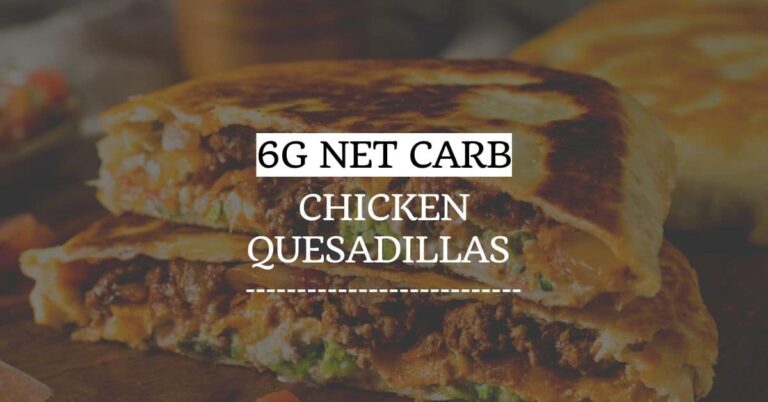
Low-carb chicken quesadillas swap standard flour tortillas for a Mission Carb Balance wrap and add a thin egg layer between the cheese and chicken, which builds structure without piling on carbs.
Important safety note: A 1,000 calorie vegan diet falls into what clinicians call a very low calorie diet (VLCD). Very low calorie diets are typically used only for adults with clinically defined obesity (BMI 30 or higher) under direct medical…
The 2013 Bueno et al. meta-analysis of very-low-carbohydrate ketogenic diets found greater long-term weight loss than low-fat diets in adults with obesity (1).