Medical Disclaimer: This article is for informational purposes only and is not a substitute for professional medical advice, diagnosis, or treatment.
Always consult a registered dietitian, physician, or qualified healthcare provider before making significant changes to your diet, especially if you have a medical condition, take medication, are pregnant or nursing, or are managing a chronic illness. Individual results may vary.
1700-Calorie Bodybuilding Meal Plan: An Honest 7-Day Cut Guide
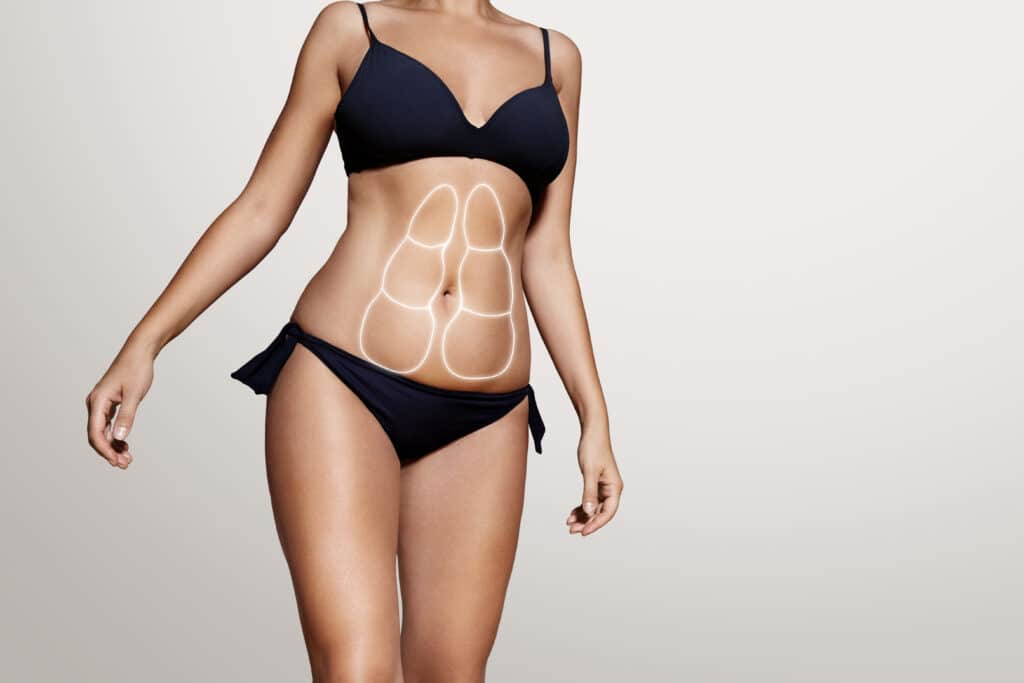
A 1700-calorie bodybuilding meal plan is a moderate-deficit cutting protocol built around high-quality protein at every meal, structured carbohydrates around training, and enough fat to keep hormones and satiety in range.
Longland et al.’s 2016 randomized trial found young men in a 40 percent energy deficit who trained hard and consumed roughly 2.4 g/kg of protein gained 1.2 kg of lean mass and lost 4.8 kg of fat over 4 weeks, compared with only fat loss and no lean gain on 1.2 g/kg (1).
This plan targets 130 to 170 g protein per day (roughly 1.6 to 2.2 g/kg for a 75 to 85 kg trainer) to preserve muscle while cutting.
How the Macros Work at 1700 Calories
- Protein: 130 to 170 g (about 30 to 40 percent). Chicken breast, lean beef, turkey, fish, eggs and egg whites, Greek yogurt, cottage cheese, whey. Phillips and van Loon’s 2016 review supports 1.6 to 2.2 g/kg during a deficit to preserve lean mass (2). The International Society of Sports Nutrition 2017 position paper agrees (3).
- Carbohydrate: 150 to 190 g (about 35 to 45 percent). Weight-toward training windows: eat larger carb portions in the pre and post-workout meals. Sources: oats, rice, potato, quinoa, fruit, legumes.
- Fat: 45 to 55 g (about 25 to 30 percent). Olive oil, avocado, nuts, egg yolks, fatty fish.
- Fiber: 25 to 35 g. Vegetables at lunch and dinner.
- Water: 3 to 4 L per training day.
Who This Plan Fits and Who It Does Not
- Fits: lifters 60 to 85 kg (130 to 190 lb) in a controlled cutting phase, physique athletes 4 to 12 weeks out from a photoshoot or competition, and lean-focused general trainees who want to hold or slowly gain muscle while losing fat. Combine with 3 to 5 resistance sessions per week.
- Does not fit: lifters over 100 kg (calories too low; use 2100 to 2400 kcal), teens under 18 in growth, pregnant or nursing women, anyone with a history of disordered eating, adults with kidney disease (the protein target is intentionally high), or trainees not doing resistance training (a smaller deficit and less protein is more appropriate).
7-Day 1700-Calorie Bodybuilding Meal Plan
Day 1 (~1,695 kcal)
- Breakfast: Pesto scrambled egg whites (8 egg whites + 1 whole egg, 1 tsp pesto, 1 tsp olive oil) with cinnamon apple bites (1 medium apple / 180 g, cinnamon, 1 tsp coconut oil). 385 kcal, 35 g protein, 30 g carb, 12 g fat.
- Snack: Caprese salad (2 oz / 57 g fresh mozzarella, 1 medium tomato / 120 g, basil, 1 tsp olive oil). 210 kcal, 14 g protein, 6 g carb, 15 g fat.
- Lunch: Mexican chickpea salad (2 servings: 1 cup chickpeas / 165 g, 1/2 cup black beans / 85 g, 1/2 cup salsa, 1 tbsp olive oil, cilantro, lime) with 1 oz / 28 g reduced-fat cheese. 530 kcal, 30 g protein, 65 g carb, 18 g fat.
- Snack: Bell pepper hummus snack (2 servings: 2 cups bell pepper / 300 g, 1/2 cup hummus / 120 g). 270 kcal, 10 g protein, 30 g carb, 12 g fat.
- Dinner: Pan-fried lemon chicken (5 oz / 140 g chicken breast in 1 tsp olive oil with lemon and garlic) with roasted green beans (1.5 cups / 200 g in 1 tsp olive oil). 300 kcal, 40 g protein, 12 g carb, 12 g fat.
- Daily total: 1,695 kcal, 129 g protein, 143 g carb, 69 g fat.
Day 2 (~1,705 kcal)
- Breakfast: Scrambled eggs with spinach and ricotta (3 whole eggs + 2 egg whites, 1 cup spinach, 2 tbsp part-skim ricotta / 30 g, 1 tsp olive oil) with 2 medium oranges (300 g). 440 kcal, 30 g protein, 32 g carb, 22 g fat.
- Snack: Banana almond butter (1 medium banana / 120 g + 1 tbsp almond butter / 16 g). 200 kcal, 5 g protein, 30 g carb, 8 g fat.
- Lunch: Plain tuna salad (4 oz / 115 g canned light tuna, 1 tbsp Greek yogurt mayo, celery, 2 slices whole-grain bread / 70 g, mixed greens) with peanut butter celery (4 stalks + 1 tbsp peanut butter / 16 g). 500 kcal, 40 g protein, 50 g carb, 15 g fat.
- Snack: Curry tuna salad (3 oz / 85 g canned tuna, 1 tsp curry powder, 1 tbsp Greek yogurt) with 1 medium apple (180 g). 200 kcal, 22 g protein, 25 g carb, 3 g fat.
- Dinner: Chicken wrap (4 oz / 115 g grilled chicken breast, 1 whole-wheat wrap / 60 g, 1 cup spinach, 1/4 medium avocado / 40 g, mustard) with a side spinach salad (2 cups spinach, 1 tsp olive oil, lemon). 365 kcal, 38 g protein, 35 g carb, 14 g fat.
- Daily total: 1,705 kcal, 135 g protein, 172 g carb, 62 g fat.
Day 3 (~1,700 kcal)
- Breakfast: Egg-white spinach omelet (2 servings: 6 egg whites + 2 whole eggs, 2 cups spinach, 1 oz / 28 g feta, 1 tsp olive oil) with 1 medium orange (150 g). 410 kcal, 40 g protein, 20 g carb, 18 g fat.
- Snack: Peppered cottage cheese (1 cup / 225 g low-fat) with 1/2 cup cherry tomato (75 g). 200 kcal, 28 g protein, 10 g carb, 3 g fat.
- Lunch: Peanut butter and honey toast (2 slices whole-wheat bread / 70 g, 1 tbsp peanut butter / 16 g, 1 tsp honey) with Brussels sprouts slaw (2 cups shaved / 175 g, 1 tbsp olive oil, lemon, 1 tbsp toasted almonds / 8 g). 440 kcal, 15 g protein, 55 g carb, 22 g fat.
- Snack: Grain-free tabbouleh (2 cups chopped parsley, 1/2 cup cucumber, 1/2 cup tomato, 1/4 cup hemp hearts / 30 g, 1 tsp olive oil, lemon). 230 kcal, 12 g protein, 12 g carb, 18 g fat.
- Dinner: Summer shrimp (5 oz / 140 g cooked shrimp in 1 tsp olive oil, garlic, chili flakes, lemon) with garlic kale (2 cups kale / 40 g sauteed in 1 tsp olive oil). 320 kcal, 35 g protein, 12 g carb, 15 g fat.
- Snack: Whey protein shake (1 scoop / 25 g whey, 1 cup unsweetened almond milk). 100 kcal, 24 g protein, 4 g carb, 2 g fat.
- Daily total: 1,700 kcal, 154 g protein, 113 g carb, 78 g fat.
Day 4 (~1,710 kcal)
- Breakfast: Poached eggs in spinach (3 poached eggs, 2 cups spinach sauteed in 1 tsp olive oil, 1 oz / 28 g parmesan) with 1 cup strawberries (150 g). 385 kcal, 28 g protein, 15 g carb, 24 g fat.
- Snack: Peanut butter celery (4 stalks + 2 tbsp peanut butter / 32 g). 230 kcal, 10 g protein, 12 g carb, 18 g fat.
- Lunch: Simple cabbage salad (2 servings: 3 cups shredded cabbage, 1 cup shredded carrot / 130 g, 1/2 cup edamame / 75 g, 1 tbsp olive oil, rice vinegar) with 4 oz / 115 g grilled chicken breast on top. 450 kcal, 42 g protein, 30 g carb, 18 g fat.
- Snack: Berry Greek-yogurt smoothie (1 cup non-fat Greek yogurt / 245 g, 1/2 cup mixed berries / 75 g, 1/2 cup unsweetened almond milk). 190 kcal, 26 g protein, 20 g carb, 1 g fat.
- Dinner: Pan-fried lemon chicken (4 oz / 115 g chicken breast in 1 tsp olive oil) with roasted green beans (1.5 cups / 200 g in 1 tsp olive oil) and 1/3 cup brown rice (65 g). 455 kcal, 35 g protein, 45 g carb, 12 g fat.
- Daily total: 1,710 kcal, 141 g protein, 122 g carb, 73 g fat.
Day 5 (~1,695 kcal)
- Breakfast: Make-ahead breakfast burrito (2 eggs, 1/4 cup black beans / 45 g, 1 oz / 28 g cheddar, 2 tbsp salsa, 1 whole-wheat tortilla / 50 g) with 2 hard-boiled eggs. 525 kcal, 40 g protein, 35 g carb, 25 g fat.
- Snack: Arugula salad (2 cups arugula, 1 tbsp olive oil, lemon) with 1 cup blueberries (150 g). 200 kcal, 4 g protein, 25 g carb, 12 g fat.
- Lunch: Mexican chickpea salad (2 servings: 1 cup chickpeas / 165 g, 1/2 cup black beans / 85 g, 1/2 cup salsa, 1 tbsp olive oil) with 1 oz / 28 g reduced-fat cheese. 500 kcal, 28 g protein, 60 g carb, 18 g fat.
- Snack: Bell pepper hummus (2 cups bell pepper / 300 g, 1/4 cup hummus / 60 g). 170 kcal, 7 g protein, 22 g carb, 8 g fat.
- Dinner: Curry chicken salad (4 oz / 115 g grilled chicken, 2 tbsp Greek yogurt, 1 tsp curry powder, celery, apple, 2 cups romaine) with 6 spears roasted asparagus (90 g in 1 tsp olive oil). 300 kcal, 40 g protein, 15 g carb, 10 g fat.
- Daily total: 1,695 kcal, 119 g protein, 157 g carb, 73 g fat.
Day 6 (~1,705 kcal)
- Breakfast: 2-ingredient protein pancakes (2 eggs + 1 medium banana / 120 g + 1 scoop / 25 g whey, cooked in 1 tsp coconut oil) with 2 hard-boiled eggs. 460 kcal, 45 g protein, 32 g carb, 20 g fat.
- Snack: Banana almond butter (1 medium banana / 120 g + 1 tbsp almond butter / 16 g). 200 kcal, 5 g protein, 30 g carb, 8 g fat.
- Lunch: Chicken and avocado salad (4 oz / 115 g grilled chicken, 1/2 medium avocado / 75 g, 2 cups romaine, 1/2 cup cherry tomato, 1 tbsp olive oil, lemon). 440 kcal, 38 g protein, 12 g carb, 28 g fat.
- Snack: Tuna-stuffed pepper (3 oz / 85 g canned tuna, 1 tbsp Greek yogurt, celery, in 1 hollowed bell pepper / 150 g). 170 kcal, 25 g protein, 12 g carb, 3 g fat.
- Dinner: Roasted Pacific cod (2 servings: 6 oz / 170 g cod in 1 tbsp olive oil with lemon and mint) with 1.5 cups spring vegetables (asparagus, peas, carrots) and 1/3 cup brown rice (65 g). 435 kcal, 40 g protein, 45 g carb, 12 g fat.
- Daily total: 1,705 kcal, 153 g protein, 131 g carb, 71 g fat.
Day 7 (~1,700 kcal)
- Breakfast: Baked eggs in ham (2 slices deli ham / 40 g in a ramekin with 2 eggs baked, 1 oz / 28 g feta) with 2 strips bacon (20 g). 395 kcal, 32 g protein, 3 g carb, 28 g fat.
- Snack: Cucumber chicken and tomato toss (2 oz / 57 g cooked chicken, 1 cup cucumber / 120 g, 1/2 cup cherry tomato / 75 g, 1 tsp olive oil, dill) with 1 oz / 28 g reduced-fat cheese. 250 kcal, 24 g protein, 8 g carb, 15 g fat.
- Lunch: Banana almond butter raisin toast (2 slices whole-wheat bread / 70 g, 1 tbsp almond butter / 16 g, 1 medium banana / 120 g, 1 tbsp raisins / 10 g) with 3/4 cup non-fat Greek yogurt (170 g). 500 kcal, 30 g protein, 70 g carb, 12 g fat.
- Snack: Arugula salad (2 cups arugula, 1 tbsp olive oil, lemon) with 1 medium apple (180 g). 200 kcal, 3 g protein, 30 g carb, 12 g fat.
- Dinner: Creamy chicken and herb skillet (5 oz / 140 g chicken breast in 1 tbsp olive oil, 2 tbsp Greek yogurt, herbs) with green beans (1.5 cups / 200 g in 1 tsp olive oil). 355 kcal, 42 g protein, 12 g carb, 15 g fat.
- Daily total: 1,700 kcal, 131 g protein, 123 g carb, 82 g fat.
7-Day Comparison Summary
| Day | Total kcal | Protein (g) | Carbs (g) | Fat (g) |
|---|---|---|---|---|
| 1 | 1,695 | 129 | 143 | 69 |
| 2 | 1,705 | 135 | 172 | 62 |
| 3 | 1,700 | 154 | 113 | 78 |
| 4 | 1,710 | 141 | 122 | 73 |
| 5 | 1,695 | 119 | 157 | 73 |
| 6 | 1,705 | 153 | 131 | 71 |
| 7 | 1,700 | 131 | 123 | 82 |
What the Evidence Actually Shows
Longland et al. randomized 40 young men into two groups during a 4-week program of 6 days per week resistance and interval training with a 40 percent energy deficit. The high-protein group (2.4 g/kg) gained 1.2 kg of lean mass and lost 4.8 kg of fat.
The control group (1.2 g/kg) only lost fat and did not gain lean mass (1).
For a different take, see our guide on 7 day meal plan for muscle gain.
Phillips and van Loon’s 2016 review recommends 1.6 to 2.2 g/kg protein for athletes in an energy deficit to preserve lean tissue, distributed across 4 to 5 meals with 0.3 to 0.4 g/kg per feeding (2).
For more on this topic, check out our guide on vegan bodybuilding diet plan.
The International Society of Sports Nutrition 2017 position paper reached the same conclusion: 1.4 to 2.0 g/kg for physically active adults, with the upper end during a cut (3).
The honest limit: gains of lean mass while in a large deficit are typically small and mostly happen in less-trained lifters. Advanced trainees on a cut usually aim to hold lean mass, not add it.
What to Expect on Cut Weeks
- Week 1: 1 to 4 lb drop, mostly glycogen and water. Strength usually holds.
- Weeks 2 to 4: 0.5 to 1.5 lb per week of fat loss. Expect a small dip in top-set strength (5 to 10 percent) but rep-quality holds if protein and sleep are on point.
- Recovery: soreness lasts a day longer than at maintenance; add 1 to 2 more sleep hours if you can.
Training and Supplementation Notes
- Train 3 to 5 resistance sessions per week; keep intensity high (5 to 10 rep range) and drop volume by 10 to 20 percent during aggressive cut phases.
- Creatine monohydrate 3 to 5 g daily is safe and helps preserve strength in a deficit.
- Distribute protein across 4 to 5 meals to hit 0.3 to 0.4 g/kg per feeding (2).
- Time larger carb portions in the meals before and after training.
- Sleep 7 to 9 hours. Short sleep raises hunger hormones and blunts muscle protein synthesis.
Frequently Asked Questions
Is 1700 calories enough for bodybuilding?
For a 60 to 85 kg (130 to 190 lb) lifter in a controlled cut, yes. For lifters over 100 kg or in an off-season bulk it is too low. Use a TDEE calculator, subtract 20 to 25 percent, and set your calorie target from there.
How much protein do I need on a cut?
Aim for 1.6 to 2.2 g/kg body weight (roughly 130 to 170 g for a 75 to 85 kg lifter), distributed across 4 to 5 meals with 30 to 40 g per feeding (1)(2)(3).
If you want to go deeper, we have a separate guide on 2000 calorie bodybuilding meal plan.
Will I lose muscle at 1700 kcal?
Not if you hit the protein target, keep resistance training in the plan 3 to 5 times per week, and cap the deficit at roughly 500 to 700 kcal per day. Longland et al. showed lifters in an aggressive deficit can even gain lean mass at 2.4 g/kg protein (1).
How much weight will I lose?
Expect 1 to 4 lb in week 1 (mostly water), then 0.5 to 1.5 lb per week of fat loss over 4 to 12 weeks. Photograph yourself weekly under the same lighting; the mirror often shows changes before the scale does.
Can I use whey or vegan protein powder?
Yes. Whey (25 g scoop) or a pea/rice blend (30 g scoop) both hit the leucine threshold to trigger muscle protein synthesis. Use one post-workout and one anytime a whole-food meal is not practical.
Should I count macros exactly?
For 4 to 12 weeks, yes. Log everything for the first 3 weeks to calibrate portion sizes, then loosen. Being within 10 g of protein and 100 kcal is close enough for real-world results.
Can I do this while carb cycling?
Yes. Keep protein and fat steady across days. Bump carbs by 30 to 50 g on training days by shifting fat lower, and drop carbs by the same amount on rest days. Weekly averages should still land at 1,700 kcal.
Disclaimer
1700 kcal per day is a moderate cutting deficit for lifters in the 60 to 85 kg (130 to 190 lb) range doing 3 to 5 resistance sessions per week. It is likely too low for lifters over 100 kg, athletes in an off-season bulk, teens under 18, pregnant or nursing women, or trainees not doing resistance training. The 1.6 to 2.2 g/kg protein target is not appropriate for people with kidney disease; consult a nephrologist before starting.
If you take medication that affects blood sugar or blood pressure, tell your prescriber before starting; a deficit plus training can lower both quickly. This article is educational and does not replace an individualized care plan from a qualified clinician or a coach. Not medical advice.
For higher-calorie plans built around surplus eating, see our weight gain meal plans collection.