Medical Disclaimer: This article is for informational purposes only and is not a substitute for professional medical advice, diagnosis, or treatment.
Always consult a registered dietitian, physician, or qualified healthcare provider before making significant changes to your diet, especially if you have a medical condition, take medication, are pregnant or nursing, or are managing a chronic illness. Individual results may vary.
1400-Calorie Keto Meal Plan: An Honest 7-Day Guide
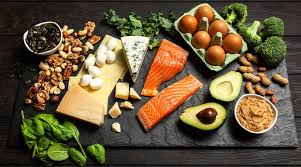
A 1400-calorie keto meal plan is a moderate-deficit, high-fat, very-low-carbohydrate eating pattern that keeps net carbs under about 30 g per day and moderate protein around 80 to 100 g.
The 2013 Bueno et al. meta-analysis of 13 randomized trials found adults on very-low-carbohydrate ketogenic diets lost roughly 0.9 kg more at 12 months than those on low-fat comparison diets (1).
At 1400 kcal this framework sits at a modest deficit for most sedentary women and a larger deficit for men, so most people can hold it for 4 to 12 weeks before stepping up to maintenance.
How the Macros Work at 1400 Calories
Standard ketogenic ratios put roughly 70 to 75 percent of calories from fat, 20 to 25 percent from protein, and 5 to 10 percent from carbohydrate. At 1400 kcal that works out to about 105 to 115 g fat, 80 to 100 g protein, and 20 to 30 g net carbs per day.
Volek and Phinney, who wrote the practical playbook on ketogenic adaptation, recommend keeping protein moderate (roughly 1.2 to 1.7 g per kg of reference body weight) so gluconeogenesis stays low and blood ketones can rise (2).
- Fat: 105 to 115 g. Sources: olive oil, avocado, butter, coconut oil, fatty fish, nuts, cream cheese, full-fat dairy.
- Protein: 80 to 100 g. Anchor with eggs, poultry, fish, cottage cheese, Greek yogurt.
- Net carbs: 20 to 30 g. Non-starchy vegetables, small amounts of berries, avocado.
- Electrolytes: 3 to 5 g sodium, 3 to 4 g potassium, 300 to 500 mg magnesium daily. Keto raises urinary losses in the first two weeks (2).
- Water: at least 8 to 10 cups.
Who This Plan Fits and Who It Does Not
- Fits: adults with insulin resistance who want a moderate-deficit reset, people who already tolerate low-carb eating, anyone testing whether ketosis suits them before committing longer term.
- Does not fit: pregnant or breastfeeding people, adults under 18, anyone with a history of disordered eating, people with type 1 diabetes without an endocrinologist involved, kidney disease, gallbladder issues, or history of pancreatitis.
If you take insulin, sulfonylureas, SGLT2 inhibitors, or blood pressure medication, cutting carbs sharply can trigger hypoglycemia, ketoacidosis risk, or low blood pressure fast. Coordinate any switch with your prescriber before day 1 (3).
7-Day 1400-Calorie Keto Meal Plan
Day 1 (~1,395 kcal)
- Breakfast: Eggs, cheese, and turkey omelet (3 eggs, 1 oz / 28 g cheddar, 2 oz / 57 g deli turkey, 1 tsp butter). 430 kcal, 32 g protein, 3 g net carb, 32 g fat.
- Snack: 1 oz / 28 g cheddar cheese slices. 115 kcal, 7 g protein, 1 g net carb, 9 g fat.
- Lunch: Tuna avocado salad (3 oz / 85 g canned tuna, 1/2 medium avocado / 75 g, 1 tbsp mayo, 2 cups romaine). 360 kcal, 25 g protein, 4 g net carb, 26 g fat.
- Snack: Almonds (1 oz / 28 g). 165 kcal, 6 g protein, 3 g net carb, 14 g fat.
- Dinner: Steamed broccoli with parmesan (2 cups / 180 g broccoli, 2 tbsp grated parmesan, 1 tbsp olive oil) and 3 oz / 85 g grilled chicken thigh. 325 kcal, 24 g protein, 6 g net carb, 22 g fat.
- Daily total: 1,395 kcal, 94 g protein, 17 g net carb, 103 g fat.
Day 2 (~1,410 kcal)
- Breakfast: Scrambled eggs (3) with 1 cup spinach (30 g), 2 tbsp cream cheese, 1 tsp butter. 380 kcal, 25 g protein, 3 g net carb, 29 g fat.
- Snack: 1/2 medium avocado (75 g) with lemon and sea salt. 120 kcal, 1 g protein, 2 g net carb, 11 g fat.
- Lunch: Caprese salad: 2 oz / 57 g fresh mozzarella, 1 medium tomato (120 g), 5 basil leaves, 1 tbsp olive oil. 260 kcal, 12 g protein, 5 g net carb, 22 g fat.
- Snack: 1 hard-boiled egg with 1 tsp mayo. 110 kcal, 6 g protein, 1 g net carb, 9 g fat.
- Dinner: Roasted salmon (4 oz / 115 g) with Brussels sprouts (1.5 cups / 130 g) roasted in 1 tbsp olive oil. 540 kcal, 33 g protein, 8 g net carb, 38 g fat.
- Daily total: 1,410 kcal, 77 g protein, 19 g net carb, 109 g fat.
Day 3 (~1,405 kcal)
- Breakfast: Pico de gallo egg-white cups (4 egg whites + 1 whole egg, 3 tbsp pico, 1 oz / 28 g pepper jack, 1 tsp olive oil). 295 kcal, 27 g protein, 4 g net carb, 18 g fat.
- Snack: 1/2 cup / 55 g raspberries with 2 tbsp heavy cream. 130 kcal, 1 g protein, 5 g net carb, 12 g fat.
- Lunch: 1/2 large avocado (100 g) mashed with 3 oz / 85 g rotisserie chicken and 1 tbsp olive oil in 2 romaine leaves. 375 kcal, 22 g protein, 5 g net carb, 28 g fat.
- Snack: Almonds (1 oz / 28 g). 165 kcal, 6 g protein, 3 g net carb, 14 g fat.
- Dinner: Bacon-wrapped chicken thigh (4 oz / 115 g thigh, 2 slices / 20 g bacon) with 6 spears roasted asparagus (90 g) in 1 tsp olive oil. 440 kcal, 35 g protein, 4 g net carb, 32 g fat.
- Daily total: 1,405 kcal, 91 g protein, 21 g net carb, 104 g fat.
Day 4 (~1,390 kcal)
- Breakfast: 2 fried eggs in 1 tsp butter with 1 oz / 28 g cheddar and 2 strips bacon (20 g). 380 kcal, 24 g protein, 1 g net carb, 30 g fat.
- Snack: Almonds (1 oz / 28 g). 165 kcal, 6 g protein, 3 g net carb, 14 g fat.
- Lunch: Cucumber tomato tuna salad (3 oz / 85 g tuna, 1 cup cucumber / 120 g, 1/2 cup tomato / 75 g, 1 tbsp olive oil, 1 oz / 28 g feta). 320 kcal, 25 g protein, 6 g net carb, 22 g fat.
- Snack: 1/2 cup / 55 g strawberries with 1 tbsp almond butter. 130 kcal, 3 g protein, 5 g net carb, 9 g fat.
- Dinner: Warm bacon broccoli salad (2 cups / 180 g steamed broccoli, 2 strips / 20 g bacon crumbled, 2 tbsp mayo, 1 oz / 28 g cheddar). 395 kcal, 20 g protein, 7 g net carb, 32 g fat.
- Daily total: 1,390 kcal, 78 g protein, 22 g net carb, 107 g fat.
Day 5 (~1,415 kcal)
- Breakfast: Mexican scramble (3 eggs, 1/2 cup spinach, 1 oz / 28 g pepper jack, 2 tbsp salsa, 1 tsp olive oil). 380 kcal, 27 g protein, 4 g net carb, 27 g fat.
- Snack: 4 celery stalks with 2 tbsp cream cheese and 2 oz / 57 g turkey rolled inside. 210 kcal, 17 g protein, 3 g net carb, 14 g fat.
- Lunch: 1/2 medium avocado (75 g) with 2 hard-boiled eggs, lemon, and 1 tsp olive oil over 1 cup arugula. 320 kcal, 14 g protein, 3 g net carb, 27 g fat.
- Snack: 1/2 cup / 55 g strawberries with 2 slices cucumber. 50 kcal, 1 g protein, 6 g net carb, 0 g fat.
- Dinner: Balsamic chicken salad (4 oz / 115 g grilled chicken, 2 cups spring mix, 1/4 cup cherry tomato, 1 tbsp olive oil, 1 tsp balsamic, 1 oz / 28 g goat cheese). 455 kcal, 34 g protein, 6 g net carb, 32 g fat.
- Daily total: 1,415 kcal, 93 g protein, 22 g net carb, 100 g fat.
Day 6 (~1,395 kcal)
- Breakfast: Mushroom asparagus scramble (3 eggs, 1/2 cup mushroom / 35 g, 4 asparagus spears / 60 g, 1 oz / 28 g gruyere, 1 tsp butter). 410 kcal, 30 g protein, 4 g net carb, 30 g fat.
- Snack: Lemon pepper tuna (3 oz / 85 g) with 1/2 tbsp olive oil. 150 kcal, 22 g protein, 0 g net carb, 8 g fat.
- Lunch: 1 oz / 28 g almonds with 1 oz / 28 g cheddar cubes and 8 olives (30 g). 310 kcal, 12 g protein, 4 g net carb, 27 g fat.
- Snack: Pecans (0.75 oz / 21 g). 145 kcal, 2 g protein, 1 g net carb, 15 g fat.
- Dinner: Grilled chicken thigh (4 oz / 115 g) with garlic broccoli (2 cups / 180 g in 1 tbsp olive oil). 380 kcal, 30 g protein, 8 g net carb, 25 g fat.
- Daily total: 1,395 kcal, 96 g protein, 17 g net carb, 105 g fat.
Day 7 (~1,400 kcal)
- Breakfast: Pico de gallo egg-white cups (4 whites + 1 whole egg, 1 oz / 28 g cheese, 2 tbsp pico) with 3 strips bacon (30 g). 385 kcal, 32 g protein, 4 g net carb, 26 g fat.
- Snack: Cucumber tomato toss (1 cup cucumber / 120 g, 1/2 cup tomato / 75 g, 1 tbsp olive oil, 1 oz / 28 g feta). 170 kcal, 5 g protein, 5 g net carb, 15 g fat.
- Lunch: 1/2 large avocado (100 g) with 3 oz / 85 g deli turkey and 1 tbsp mayo in 2 romaine leaves. 330 kcal, 20 g protein, 4 g net carb, 26 g fat.
- Snack: Arugula salad (1 cup arugula, 1 oz / 28 g almonds, 1 tsp olive oil). 200 kcal, 7 g protein, 3 g net carb, 18 g fat.
- Dinner: Basil lemon chicken (4 oz / 115 g chicken breast in 1 tbsp olive oil, lemon, basil) with 6 spears pan-roasted asparagus (90 g). 315 kcal, 32 g protein, 4 g net carb, 20 g fat.
- Daily total: 1,400 kcal, 96 g protein, 20 g net carb, 105 g fat.
7-Day Comparison Summary
Save as PDF| Day | Total kcal | Protein (g) | Net Carbs (g) | Fat (g) |
|---|---|---|---|---|
| 1 | 1,395 | 94 | 17 | 103 |
| 2 | 1,410 | 77 | 19 | 109 |
| 3 | 1,405 | 91 | 21 | 104 |
| 4 | 1,390 | 78 | 22 | 107 |
| 5 | 1,415 | 93 | 22 | 100 |
| 6 | 1,395 | 96 | 17 | 105 |
| 7 | 1,400 | 96 | 20 | 105 |
What the Evidence Actually Shows
The 2013 Bueno et al. meta-analysis of 13 randomized trials found adults on very-low-carbohydrate ketogenic diets (VLCKD) lost about 0.9 kg more at 12 months than adults on low-fat comparison diets, with modestly better triglyceride and HDL profiles (1).
For more on this topic, check out our guide on keto diet.
Effects on LDL cholesterol were neutral to slightly worse. Adherence beyond 12 months is the main limit: keto works while people stick with it, and the drop-off rate is higher than most patterns.
Harvard T.H. Chan reviewers note the same pattern in their diet review: short-term benefit for weight and glycemic markers, uncertain long-term safety at higher LDL levels (3). If you have familial hypercholesterolemia or high LDL, monitor a lipid panel after 8 to 12 weeks.
What to Expect in Week 1
- Water weight drop of 3 to 7 lb in the first 3 to 5 days as glycogen and its bound water leave. This is not fat loss.
- Keto flu symptoms: headache, fatigue, brain fog, muscle cramps. Almost always electrolyte-driven. Add 1 to 2 g extra sodium (broth, salted foods), a magnesium supplement, and stay hydrated (2).
- Hunger drops around day 4 to 7 for most people as blood ketones rise.
Transitioning Off (or Staying On)
- Step up to 1600 to 1800 kcal on the same keto framework once you hit your target, or shift to a Mediterranean pattern that reintroduces olive oil, fish, and moderate whole grains.
- If continuing longer, cycle in a higher-carb day every 7 to 10 days if you train hard, and re-check lipids at 8 to 12 weeks.
- Add 2 to 3 resistance sessions per week to protect lean mass during the deficit.
Frequently Asked Questions
Is 1400 calories enough on keto?
For most adult women 1400 kcal creates a moderate deficit; for most adult men it creates a larger deficit. Check your basal metabolic rate first. Sedentary women weighing 130 to 170 lb often maintain around 1600 to 1900 kcal, so 1400 kcal will drive weight loss.
How long does it take to enter ketosis at 1400 calories?
Most people reach nutritional ketosis (blood beta-hydroxybutyrate above 0.5 mmol/L) within 2 to 4 days at under 30 g net carbs. Exercise speeds it up.
Can I have fruit on 1400-calorie keto?
Small amounts of berries. Half a cup of raspberries, blackberries, or strawberries has about 3 to 5 g net carbs. Bananas, apples, grapes, mango, and oranges do not fit within 20 to 30 g daily.
Will I lose muscle at 1400 kcal on keto?
Some risk if protein drops below about 80 g per day or resistance training is skipped. Keep protein at 80 to 100 g and lift 2 to 3 days per week to protect lean mass.
What about electrolytes?
Add 1 to 2 g sodium daily beyond food, 300 to 500 mg magnesium, and eat potassium-rich low-carb foods like spinach, avocado, and salmon. Keto flu is almost always electrolyte-driven (2).
Is keto safe with diabetes medications?
Cutting carbs sharply while taking insulin, sulfonylureas, or SGLT2 inhibitors can cause hypoglycemia or ketoacidosis within days. Coordinate any switch with your prescriber before day 1.
How much weight will I lose?
Expect 3 to 7 lb in week 1 (mostly water), then 1 to 2 lb per week of fat loss. Over 8 weeks most healthy adults lose 10 to 18 lb on a 1400 kcal keto deficit.
Disclaimer
1400 kcal per day sits at or slightly below the basal metabolic rate of some smaller adults and is a moderate deficit for most. Very-low-carb ketogenic eating can interact with diabetes medication (hypoglycemia risk), SGLT2 inhibitors (ketoacidosis risk), blood pressure medication, and diuretics. This article is educational and does not replace an individualized care plan from a qualified clinician.
Do not follow this plan if you are pregnant, nursing, under 18, over 65 without oversight, have a history of disordered eating, type 1 diabetes without an endocrinologist involved, kidney disease, gallbladder issues, or history of pancreatitis. Not medical advice.