
1200-Calorie Diet Plan to Lower Cholesterol: 7-Day Menu
Short answer: A 1200-calorie diet designed to lower cholesterol focuses on soluble fiber, plant sterols, unsaturated fats, and limiting saturated fat and refined carbs.
Diets Meal Plan builds calorie- and diet-specific meal plans that people can actually follow. Every plan is a full seven-day (or 14, 21, 30-day) framework with breakfast, lunch, dinner, and snacks, calorie-balanced to the target on the title, and structured around real recipes tested in our kitchen - not spreadsheet math with generic food names.
Short answer: A 1200-calorie diet designed to lower cholesterol focuses on soluble fiber, plant sterols, unsaturated fats, and limiting saturated fat and refined carbs.

Aggressive calorie restriction, very-low-carb diets, and rapid weight loss can reduce milk supply and are not recommended while nursing.
Aggressive dietary carbohydrate reduction while on glucose-lowering drugs can cause hypoglycemia. Never adjust prescription doses on your own.
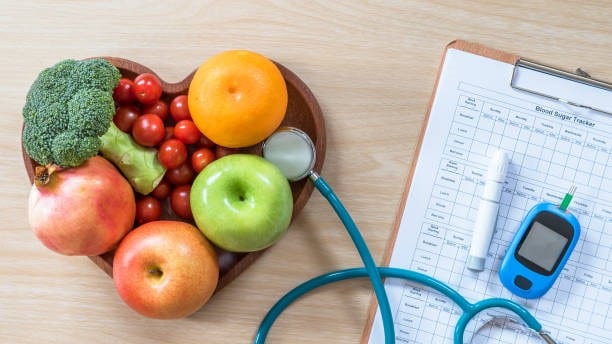
If you take insulin, sulfonylureas (glipizide, glyburide, glimepiride), meglitinides (repaglinide, nateglinide), SGLT2 inhibitors (empagliflozin, dapagliflozin, canagliflozin), GLP-1 receptor agonists (semaglutide, liraglutide, tirzepatide), or DPP-4 inhibitors, changing calories, carbohydrate, or meal timing without a medication review can cause dangerous hypoglycemia or,…
That combination has clinical evidence in one specific context, the DiRECT trial and Fast 800 protocol for type 2 diabetes remission (1)(2), and it carries real risk outside that context.

Low carb breakfast recipes work best when each serving lands under 10 g of net carbs while delivering 20 g or more of protein for morning satiety. That protein anchor matters most in the first two weeks of a low-carb…
Do not stop or adjust blood pressure medication on your own. Sudden BP drops from combining diet changes with medication can cause dizziness, falls, or fainting.
Short answer: A 2000-calorie bodybuilding meal plan is best treated as a cutting or lean-maintenance intake for a small-to-medium lifter, roughly 60 to 75 kg body weight. Protein sits at 160 to 190 g per day (1.6 to 2.2 g/kg),…

That intake fits large, highly active adults who want to lose fat slowly, athletes in a maintenance phase on keto, or someone reverse-dieting after a cut.

The Fast Metabolism Diet, created by holistic nutritionist Haylie Pomroy in 2013, promises up to 20 pounds of weight loss in 28 days by rotating three food phases across a week.

This 7-day plan targets an average adult male at roughly 2,200 kcal, uses a slightly higher protein target (about 25 percent of calories, or 130 to 140 g) than typical “high-fat” keto to preserve lean mass, and lays out an…
Adults with obesity may be prescribed a VLCD by a physician for a limited window, typically 8 to 12 weeks, with weekly check-ins, blood work, and medication adjustment (1).

Individual results may vary. Do not adjust diabetes medication doses on your own.
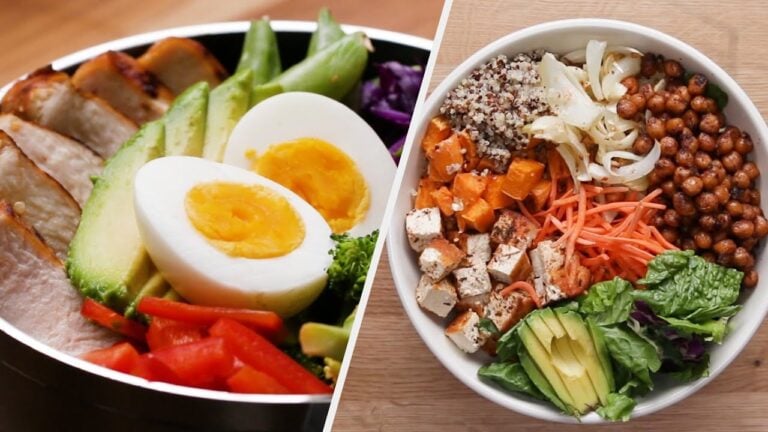
Short answer: A 2000-calorie high-protein meal plan pushes daily protein to 150 g or more (about 30 percent of calories) while keeping total energy at maintenance for most adult women and lightly active adult men.
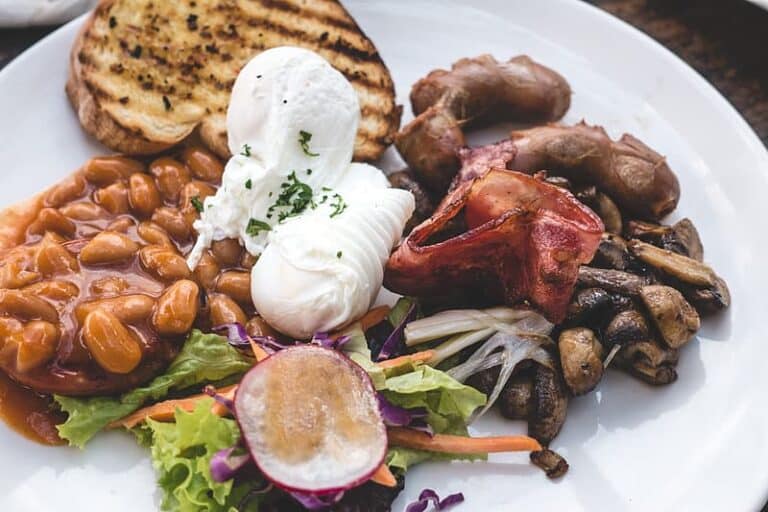
An 1800-calorie high-protein meal plan targets 130 to 160 g of protein per day (roughly 29 to 36 percent of daily energy) while keeping fat and carbs balanced.

Short answer: A 1900-calorie daily intake sits at the top of the recommended range for moderately active adult women aged 19 to 50, per the USDA and HHS Dietary Guidelines for Americans 2020-2025 (1).

Short answer: A 2000-calorie day is the FDA reference intake used on Nutrition Facts labels and is close to the USDA estimate for an active adult woman age 19 to 40 (1).

The 2020-2025 USDA Dietary Guidelines for Americans recommend building daily eating around vegetables, fruit, whole grains, lean protein, and low-fat dairy, with limits on added sugar (under 10 percent of calories) and saturated fat (under 10 percent) (1). The Jensen…