Read this first. IBS management is personal. This article summarizes the current evidence-based dietary approaches; work with a GI-trained dietitian for individualized guidance.
A blanket “eat more fiber” plan is not the standard of care for IBS, and insoluble fiber (wheat bran, for example) often makes symptoms worse.
Current guidelines from the American College of Gastroenterology and the British Dietetic Association point to a low-FODMAP protocol as first-line dietary therapy for most patients, with soluble fiber layered in during the reintroduction phase.
If your symptoms are new, severe, or include unintended weight loss, rectal bleeding, night-time diarrhea, iron-deficiency anemia, symptom onset after age 50, or a family history of colon cancer, celiac disease, or inflammatory bowel disease, see a gastroenterologist before self-treating.
This is nutrition education, not medical advice.
Fiber and IBS: What Actually Works
“Just eat more fiber” is one of the oldest pieces of IBS advice, and one of the most misleading. For a lot of patients, a blanket high-fiber push (especially insoluble wheat bran) makes bloating, cramping, and diarrhea worse, not better.
The current evidence-based sequence looks different. Most patients do best when a short low-FODMAP elimination trial comes first. Then, during the reintroduction phase, soluble fibers (psyllium, oats, chia, some cooked vegetables) get layered in. Insoluble bran is left out or kept to a minimum. That’s the approach backed by the American College of Gastroenterology, the British Dietetic Association, and multiple randomized trials.
Below is the honest version of the fiber conversation, updated for how gastroenterologists and GI-trained dietitians actually treat IBS today.
What’s on This Page
- What dietary fiber actually is
- Soluble vs insoluble fiber (comparison table)
- Why low-FODMAP is first-line for IBS
- IBS-C and fiber
- IBS-D and fiber
- Foods that tend to work
- Foods to be careful with
- IBS fiber supplements
- A reasonable starting plan
- FAQ
What Dietary Fiber Actually Is
Dietary fiber is the part of plant foods your small intestine can’t digest. It reaches the colon largely intact, where it either bulks stool (mostly insoluble fiber) or forms a gel and gets fermented by gut bacteria (mostly soluble fiber). Both actions affect IBS symptoms, but not in the same direction, and this is the piece that gets missed in most “high fiber” advice.
Soluble vs Insoluble Fiber
This distinction matters more in IBS than in almost any other diet conversation. Insoluble fiber (wheat bran, corn bran, the woody parts of many vegetables) speeds transit and adds bulk, which can flare cramping and diarrhea. Soluble fiber (psyllium, oats, chia, flax, most legumes when tolerated) forms a gel that slows transit in diarrhea and softens stool in constipation.
| Feature | Soluble fiber | Insoluble fiber |
|---|---|---|
| Behavior in gut | Forms gel, ferments slowly | Adds bulk, speeds transit |
| Effect in IBS-D | Helps firm stool, reduces urgency | Often worsens urgency |
| Effect in IBS-C | Softens stool, easier to pass | Bulky, can cause bloating and pain |
| Best sources | Psyllium, oats, chia, flax, kiwi, oranges, carrots | Wheat bran, raw skins, seeds, tough vegetables |
| Evidence in IBS | Strong (Nagarajan 2015 meta-analysis) | Neutral to harmful |
Nagarajan and colleagues (2015), pooling 14 randomized trials, found soluble fiber (especially psyllium) improved global IBS symptoms, while insoluble bran did not. That one distinction reframes the whole “high fiber” conversation.
Why Low-FODMAP Is First-Line for IBS
FODMAPs (Fermentable Oligosaccharides, Disaccharides, Monosaccharides, and Polyols) are short-chain carbohydrates that draw water into the small bowel and are rapidly fermented by colonic bacteria. In IBS, the gut is unusually sensitive to that stretch and gas.
Halmos and colleagues (2014) ran a randomized crossover trial: patients on a low-FODMAP diet had significantly lower overall GI symptoms compared with a typical Australian diet. Follow-up work and multiple meta-analyses have replicated the finding. That’s why the American College of Gastroenterology’s 2021 IBS guideline recommends a limited trial of the low-FODMAP diet, and the British Dietetic Association lists it as first-line dietary therapy.
The protocol has three phases:
- Elimination (2 to 6 weeks). Cut high-FODMAP foods across all subgroups.
- Reintroduction (6 to 8 weeks). Systematically reintroduce one FODMAP subgroup at a time to identify personal triggers.
- Personalization. Long-term diet includes everything you tolerate; only your specific trigger groups stay limited.
This is not a lifetime diet. The elimination phase shouldn’t be attempted long-term without a dietitian. It’s restrictive, and staying in phase one too long can shift the gut microbiome in ways researchers are still measuring.
IBS-C and Fiber
IBS with constipation (IBS-C) responds well to soluble fiber, especially psyllium, added gradually with plenty of water. Insoluble bran is a common misfire: it bulks stool without adding softening moisture, which can worsen bloating and pain without moving anything along.
If you’ve maxed out reasonable fiber and still feel backed up, look at hydration, movement, and posture on the toilet (a small footstool that raises the knees above the hips helps mechanically). Osmotic laxatives (magnesium, polyethylene glycol) are safe adjuncts and worth discussing with a clinician if diet alone isn’t enough. Prescription options exist too if lifestyle work isn’t cutting it.
IBS-D and Fiber
IBS with diarrhea (IBS-D) is where the old “eat more fiber” advice most often backfires. Insoluble fiber accelerates transit and can worsen urgency. Soluble fiber, on the other hand, adds gel and bulk that slow things down and produce firmer stool.
Psyllium is the workhorse here. Start low (half a teaspoon in a full glass of water once a day), build up over two weeks, and drink plenty of water through the day. Chia and ground flax are gentler alternatives and easy to mix into oatmeal or yogurt.
Foods That Tend to Work
Every list of “IBS-friendly foods” comes with an asterisk: personal tolerance varies, and portion size matters. All of the foods below are low or moderate FODMAP at the serving sizes listed by Monash University, and they’re primarily soluble-fiber sources.
Blueberries
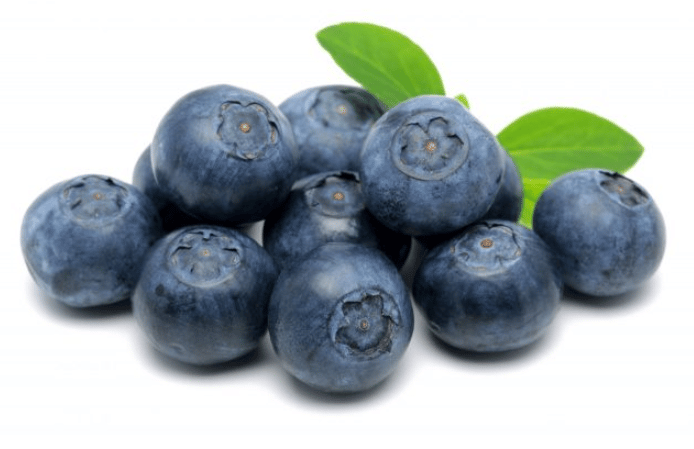
Low-FODMAP up to about 20 berries per serving. Soluble fiber, antioxidants, and almost no bloating in most patients. Fresh or frozen both work; nutrient content holds up in the freezer.
Eggplant
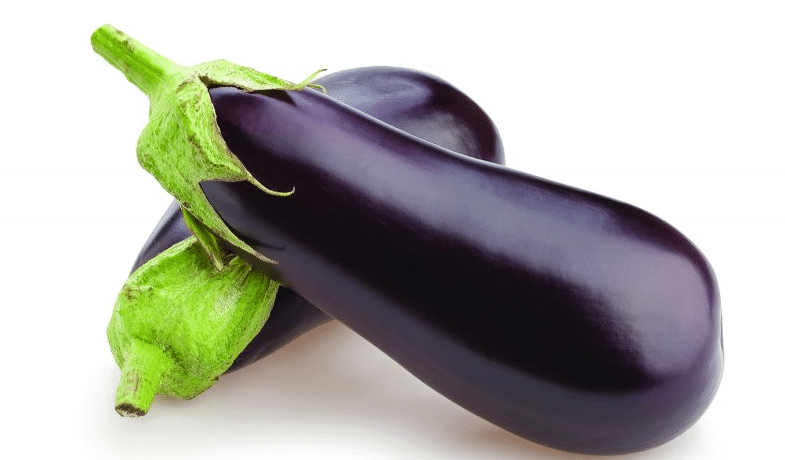
Low-FODMAP at typical portions. Contains both soluble and insoluble fiber, so peeling it reduces the insoluble load if you’re in a flare. Bake, roast, or blend into baba ganoush. Skip deep frying, which reliably flares IBS regardless of the vegetable underneath the batter.
Green Beans
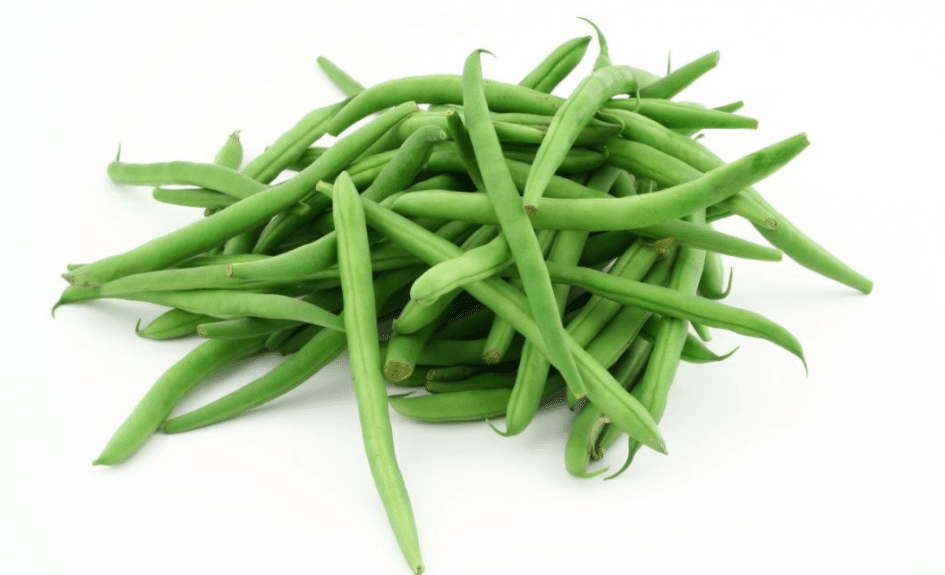
Good source of soluble fiber and vitamin C. Keep servings around 15 beans (roughly half a cup). Larger portions push you into polyol territory (sorbitol) and can trigger symptoms.
Kiwi Fruit
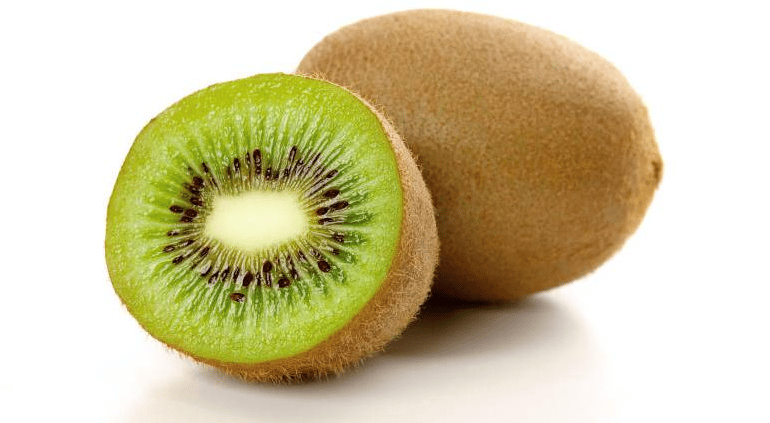
Low-FODMAP and unusual on this list because it has documented laxative action for IBS-C. Chang and colleagues (2010) showed that two kiwis per day improved constipation and abdominal comfort in IBS-C patients. A useful natural alternative to a stimulant laxative.
Potatoes
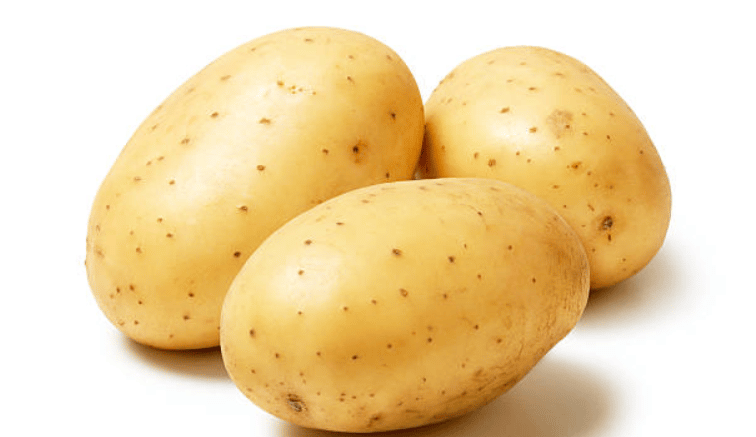
Low-FODMAP in any color, with a mix of soluble and insoluble fiber. Removing the skin cuts the insoluble load if you’re in a flare. Boiled, mashed, roasted, or baked are all fine; deep-fried is not.
Okra
Soluble fiber and mucilage that can soothe the gut. Keep servings modest (about 7 pods). Larger portions raise fructans and can flare symptoms. Well-cooked okra is much easier to tolerate than raw.
Oranges
Low-FODMAP in whole-fruit form, with soluble fiber and vitamin C. Skip orange juice, which concentrates FODMAPs and hits the gut faster without the fiber buffer.
Peanuts
Low-FODMAP in small handfuls (about 32 nuts, or a scant quarter cup). Cashews and pistachios are the tree nuts to avoid. When you buy peanut butter, check the label for added sugars and polyol sweeteners.
Summer Squash
Yellow squash is low-FODMAP at typical portions and blends easily with carrots and potatoes for a soup or a roasted tray. Soluble fiber, potassium, B vitamins, and gentle on the gut.
Sunflower Seeds
Portable, satisfying, low-FODMAP up to about 2 tablespoons. Larger servings push fructan levels up and can flare symptoms. Great on salads, in yogurt, or by the handful.
Zucchini
Low-FODMAP at up to about a third of a cup. A gentle green vegetable that plays well in soups, stir-fries, and pasta dishes. Keep the portion modest and you’ll usually be fine.
Foods to Be Careful With
These are the reliable IBS troublemakers. They aren’t all off-limits forever; they’re the ones most likely to trigger symptoms and most worth removing during a low-FODMAP elimination trial.
- Wheat bran, high-bran cereals, and other insoluble-fiber-heavy grains
- Alcohol and carbonated drinks
- Fried and deep-fried foods
- Onion and garlic (fructans; the two most common hidden triggers)
- Beans and lentils in large portions (galacto-oligosaccharides)
- Apples, pears, mangoes, watermelon (excess fructose and polyols)
- Cashews and pistachios
- Regular dairy in lactose-intolerant patients (lactose-free versions are usually fine)
- Sugar alcohols: sorbitol, mannitol, xylitol, maltitol (in sugar-free gum, candy, protein bars)
- Caffeinated coffee in large amounts (varies by tolerance)
The point of an elimination phase isn’t to demonize any of these foods. It’s to figure out which ones actually bother you. Most people identify two or three genuine triggers and can freely eat the rest.
IBS Fiber Supplements
Supplements have a role when whole-food fiber isn’t cutting it, but the specific product matters.
Psyllium Husk (Metamucil, Konsyl)
The most evidence-backed fiber supplement for IBS. Bijkerk and colleagues (2009), in a primary-care randomized trial, found psyllium significantly improved IBS symptoms while bran did not, and bran caused some patients to worsen. Start with half a teaspoon in water once a day; build to 1 to 2 tablespoons over two weeks. Drink it promptly (it thickens fast) and follow with additional water.
Partially Hydrogenated Guar Gum (Sunfiber, Regular Girl)
A soluble, low-FODMAP prebiotic fiber that’s well tolerated in both IBS-C and IBS-D. Especially useful during a low-FODMAP elimination phase, when many other prebiotics get pulled. Trial evidence supports use in both subtypes.
Methylcellulose (Citrucel)
Non-fermentable synthetic soluble fiber. Doesn’t cause gas because gut bacteria can’t ferment it, which makes it a reasonable option for gas-sensitive patients.
Acacia Fiber
Soluble, low-FODMAP, mixes cleanly in water. Some patients tolerate it better than psyllium and find the texture easier.
Calcium Polycarbophil (FiberCon)
Synthetic bulk-forming agent that absorbs water. Useful in both IBS-C and IBS-D and unlikely to ferment or gas you up.
Wheat Dextrin (Benefiber)
Soluble fiber with weaker evidence in IBS specifically. Wheat-based, so not ideal for anyone with wheat sensitivity or celiac disease. Ask a dietitian before choosing it over psyllium.
What Not to Reach For
Skip inulin, chicory root, and FOS-based prebiotic supplements during elimination and be cautious with them long-term. They’re high-FODMAP and often marketed for “digestive health” without a warning for IBS patients. Same for many “gut health” gummies that hide sorbitol or maltitol in the base.
A Reasonable Starting Plan
- See a GI-trained dietitian if you have access. If you don’t, use a Monash-trained resource to run a structured low-FODMAP elimination for 2 to 6 weeks.
- During elimination, get soluble fiber from safe sources: oats, chia, low-FODMAP fruits, a psyllium supplement titrated up slowly.
- After the elimination phase, reintroduce one FODMAP group per week and log symptoms honestly.
- Rebuild a long-term diet around the foods you tolerate, keeping soluble fiber central.
- Skip the wheat bran. Skip the sugar-free gum. Move regularly. Sleep. Manage stress. The gut-brain axis is not woo.
FAQ
Is a high-fiber diet the standard first move for IBS?
Not anymore. Current guidelines (ACG 2021, BDA 2016) point to a limited trial of the low-FODMAP diet as first-line dietary therapy for most IBS patients. Soluble fiber (especially psyllium) is layered in during and after the reintroduction phase. A blanket “eat more fiber” push, particularly with wheat bran, often makes symptoms worse.
Which fiber is best for IBS?
Soluble fiber. In the largest meta-analysis to date (Nagarajan 2015), psyllium improved global IBS symptoms; insoluble bran did not. If you tolerate it, psyllium is the single most evidence-supported choice. Chia and oats are gentle food-based alternatives.
Is the low-FODMAP diet safe to try on my own?
The elimination phase is restrictive and, done poorly or held too long, can reduce beneficial gut bacteria and nutrient intake. Ideally you work with a dietitian trained in the protocol. Monash University’s app is a widely used self-guided resource, but it’s not a substitute for professional guidance if symptoms are severe.
How long before I know if diet is helping?
Give a low-FODMAP elimination 2 to 6 weeks; most responders notice a change within 2 to 3. A psyllium trial deserves at least 2 to 4 weeks at target dose, built up gradually so gas and bloat don’t hijack the trial.
When should I see a doctor before changing my diet?
See a gastroenterologist first if you have any of these red flags: unintended weight loss, blood in stool, night-time diarrhea that wakes you up, iron-deficiency anemia, symptom onset after age 50, or a family history of colon cancer, celiac disease, or inflammatory bowel disease. Those aren’t classic IBS features and need a proper workup before you assume it’s IBS.
Can diet cure IBS?
IBS is a chronic functional disorder; there’s no cure in that sense. But a personalized post-reintroduction diet can significantly reduce or nearly eliminate day-to-day symptoms for many patients. Add stress management, sleep, movement, and (when needed) medications, and most people can live fully.
Are fiber supplements safe long term?
Yes, at reasonable doses. Psyllium, PHGG, and methylcellulose all have long safety records. Introduce them gradually to avoid a gas-and-bloat wave, drink adequate water, and separate them from oral medications by about 2 hours (fiber can bind some drugs and blunt absorption).
Related Reading
- High Fiber Diet Plan
- High Fiber Food List
- FODMAP Diet Plan
- Low-Residue Diet Plan
- Printable SIBO Diet Plan