
Low-Carb Meal Plan for Diabetes: Honest 7-Day Guide
Low-carb diets drop blood glucose fast and can cause severe hypoglycemia on insulin, sulfonylureas (glipizide, glyburide, glimepiride), or meglitinides (repaglinide, nateglinide).

Low-carb diets drop blood glucose fast and can cause severe hypoglycemia on insulin, sulfonylureas (glipizide, glyburide, glimepiride), or meglitinides (repaglinide, nateglinide).

Honest headline: The cheapest low-calorie meals are also the most filling ones because volume, water, protein, and fiber, not price, drive satiety. Broth-based soups, oats, eggs, canned tuna, frozen vegetables, and bulk brown rice hit both goals at once.
Short answer: A 2000-calorie bodybuilding meal plan is best treated as a cutting or lean-maintenance intake for a small-to-medium lifter, roughly 60 to 75 kg body weight. Protein sits at 160 to 190 g per day (1.6 to 2.2 g/kg),…
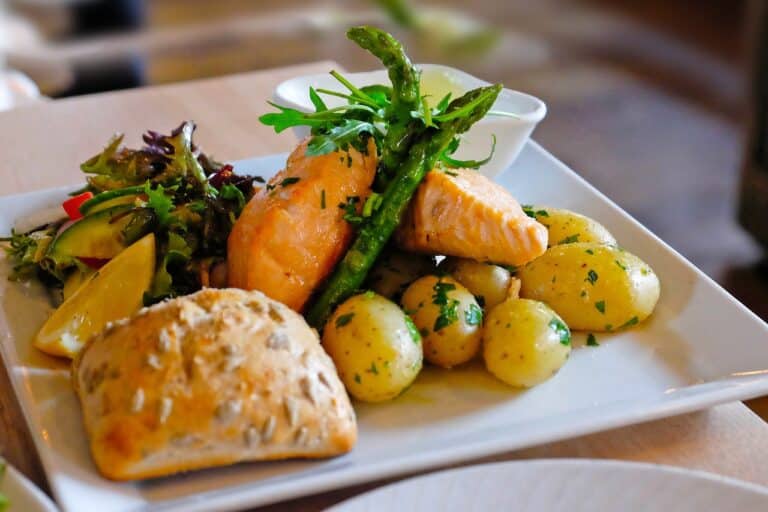
The PREDIMED trial (Estruch et al. 2013) found a Mediterranean pattern rich in fish, olive oil, and nuts reduced major cardiovascular events by roughly 30 percent versus a low-fat control over about 5 years (1).
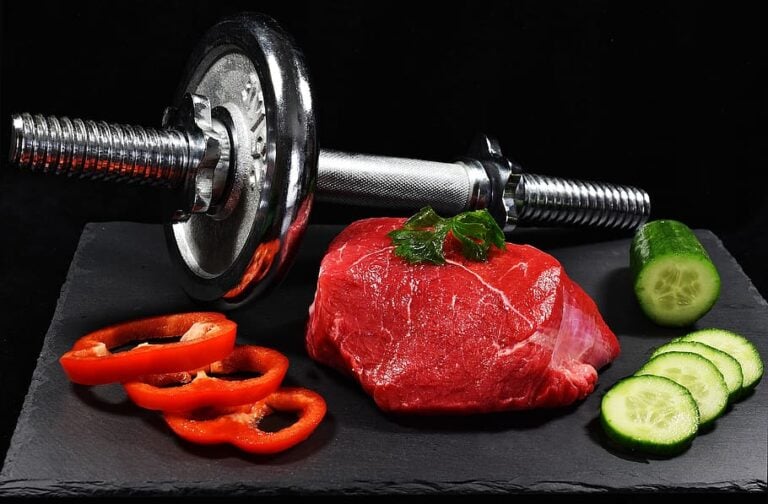
A 1900-calorie bodybuilding meal plan is a small-to-moderate cutting protocol built around 150 to 180 g high-quality protein per day, structured carbs around training, and enough fat for hormone support.

Dessert cravings are the fastest way most diets fall apart. Rather than pretending you can white-knuckle through them for months, plan for them with a small, satisfying option that fits your calorie budget.

Talk with a registered dietitian if you have a medical condition, take medication, are pregnant or breastfeeding, or are managing chronic kidney disease before making significant protein changes.
A 1000-calorie bariatric meal plan is a short pre-operative protocol used in the 2 to 6 weeks before weight-loss surgery. Its job is to shrink the liver, drop visceral fat, and lower surgical risk, not to replace a maintenance diet…
Individual results may vary. Do not adjust diabetes medication doses on your own.
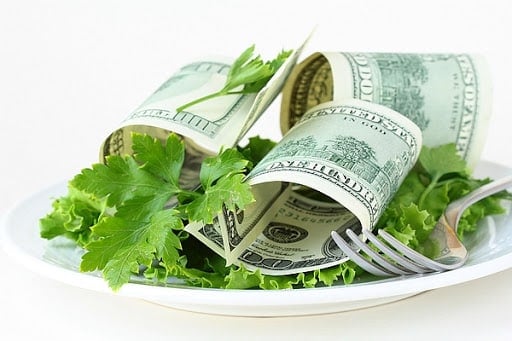
Honest headline: The paleo diet is one of the more expensive eating patterns because it centers on meat, seafood, eggs, nuts, and produce while excluding the cheapest calories in the American grocery store (rice, beans, oats, pasta).
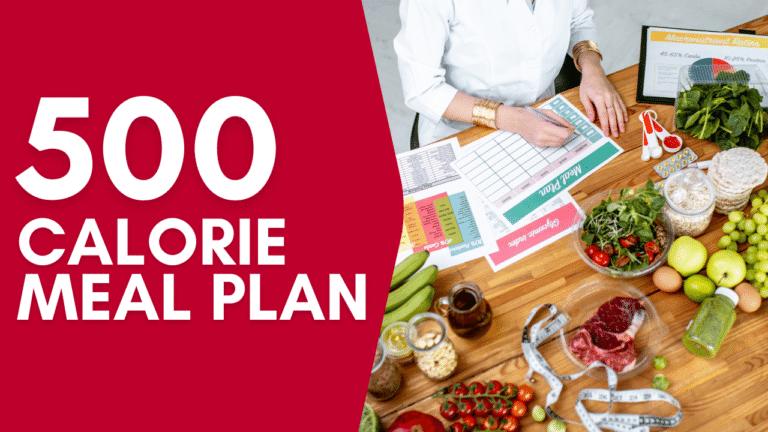
Adults with obesity may be prescribed a VLCD by a physician for a limited window, typically 8 to 12 weeks, with weekly check-ins, blood work, and medication adjustment (1).

Outside that window and that population, it stops being a well-supported protocol and starts being a crash diet with real risk.
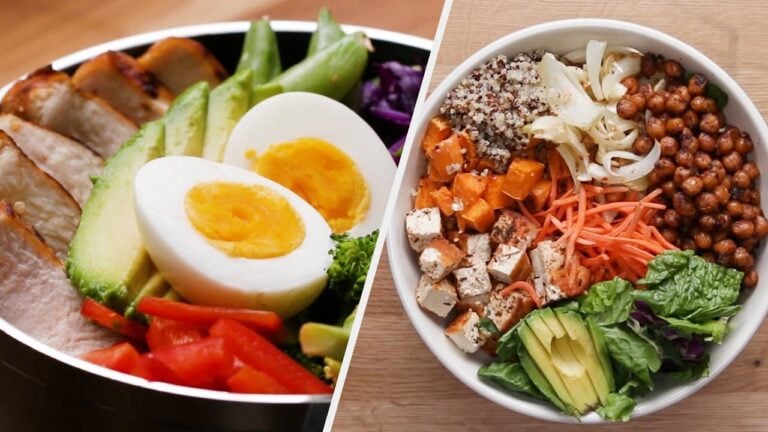
Short answer: A 2000-calorie high-protein meal plan pushes daily protein to 150 g or more (about 30 percent of calories) while keeping total energy at maintenance for most adult women and lightly active adult men.

A flexitarian meal plan is a mostly plant based eating pattern that keeps meat and fish on the table for occasional use.

The 2020-2025 USDA Dietary Guidelines for Americans recommend building daily eating around vegetables, fruit, whole grains, lean protein, and low-fat dairy, with limits on added sugar (under 10 percent of calories) and saturated fat (under 10 percent) (1). The Jensen…

Any drop on the scale is mostly water and glycogen, not fat. Nutritionists universally warn against single-food shock diets because they miss essential nutrients and set up rebound weight gain.
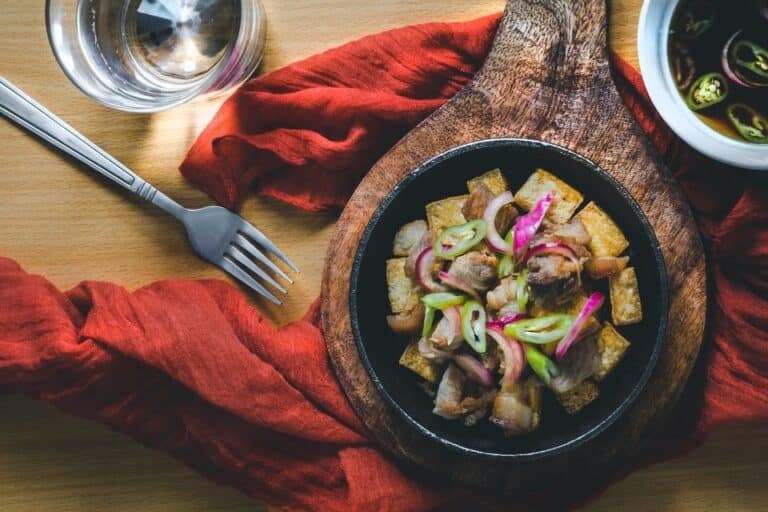
A 1,600 calorie vegan meal plan is a moderate energy, fully plant based menu that suits many smaller adults, older adults, and anyone aiming for gradual weight loss of about half a kilogram per week.
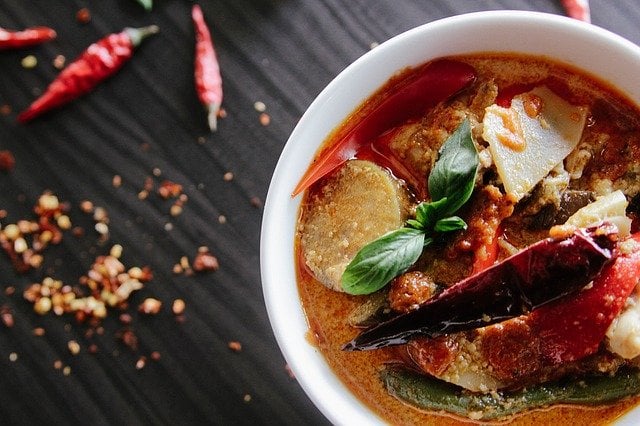
The honest lead: “Low-carb” and “under 300 calories” describe the plate, not the person.