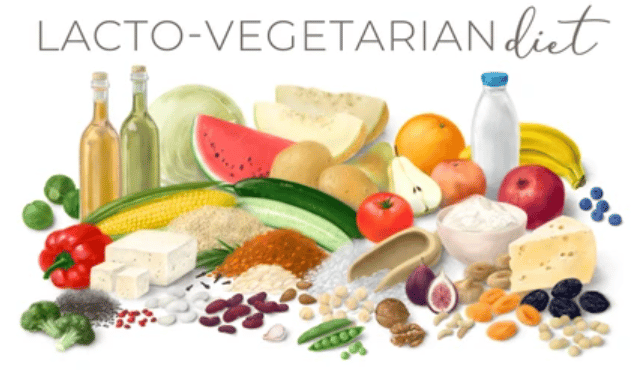
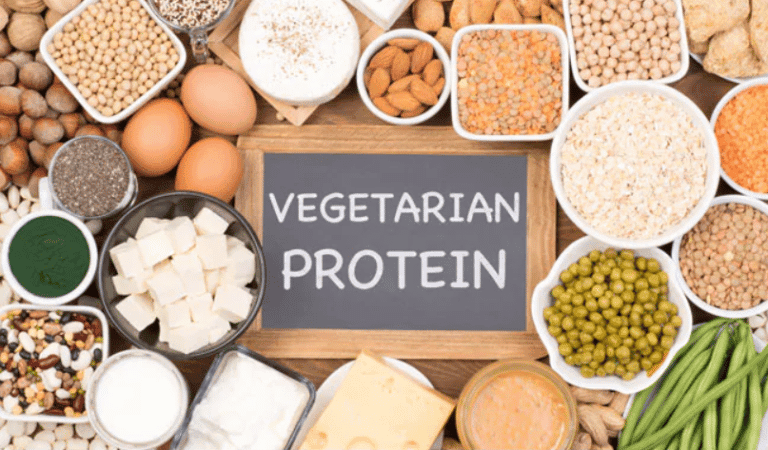
Our vegetarian section covers lacto-, ovo-, and lacto-ovo-vegetarian meal plans, recipes, and food lists - built for people who eat dairy and eggs but not meat, poultry, or fish.
The Academy of Nutrition and Dietetics 2016 position paper found well-planned vegetarian diets are appropriate for every life stage and are linked to lower risk of heart disease, type 2 diabetes, hypertension, and certain cancers (1).
The Academy of Nutrition and Dietetics 2016 position paper concluded that well-planned vegetarian diets are appropriate for all stages of life and are associated with lower risk of ischemic heart disease, type 2 diabetes, hypertension, and certain cancers (1).
The Academy of Nutrition and Dietetics 2016 position paper concluded that well-planned vegetarian and vegan diets are appropriate for all stages of life and are associated with lower risk of ischemic heart disease, type 2 diabetes, hypertension, and certain cancers…
A vegetarian meal plan for weight gain uses a modest calorie surplus of about 300 to 500 kcal per day and a higher protein target of roughly 1.6 g per kg of body weight to support lean muscle growth.
Well-planned vegetarian diets are appropriate for all life stages, per the Academy of Nutrition and Dietetics position paper, and are associated with lower risk of heart disease, type 2 diabetes, and some cancers (1).
Italian food goes vegan more gracefully than most cuisines. Pasta is almost always dairy-free by default (fresh egg pasta is the exception, not the rule), tomato is king, and beans, greens, and good olive oil already anchor half the classic…
The honest headline: A well-planned vegan diet can be one of the cheapest ways to eat well in the United States, but only if you build it around dry beans, whole grains, tofu, oats, and frozen produce rather than plant-based…
A vegetarian Mediterranean diet keeps every heart friendly element of traditional Mediterranean eating (olive oil, legumes, vegetables, fruit, whole grains, nuts, herbs, and dairy) while removing fish, poultry, and red meat.
Short answer: A 1500-calorie Ornish diet plan follows Dr. Dean Ornish’s whole-food, plant-based, very-low-fat pattern (roughly 10 percent of calories from fat) combined with the lifestyle limbs he tested in the Lifestyle Heart Trial: moderate exercise, stress management (meditation, yoga),…
A 1000-calorie plant-based diet can work as a short-term weight-loss plan for small-to-average adults, but 1000 kcal sits below the estimated basal metabolic rate of most adults and is generally too low for continuous long-term use without medical supervision.
Short answer: A 2000-calorie lacto-ovo vegetarian meal plan can meet every macronutrient and most micronutrient targets when it is built around legumes, whole grains, dairy or fortified plant milk, eggs, nuts, seeds, and a wide vegetable and fruit base.
Feeding a family means cooking one meal that pleases three or four palates without turning dinner into a negotiation. A vegetarian week can absolutely do that, and it can hit protein, iron, calcium, and B12 for both parents and kids…
The “where do you get your protein” question is the vegetarian’s oldest running joke. In practice, hitting protein targets on a plant-based diet is very doable if you know which foods carry the weight. Tofu, tempeh, seitan, lentils, and beans…
Many people worldwide struggle with weight. While some prefer to go under the knife to get the extra fat off, others starve themselves or go on diet plans to lose weight.
About this collection
Our vegetarian section covers lacto-, ovo-, and lacto-ovo-vegetarian meal plans, recipes, and food lists - built for people who eat dairy and eggs but not meat, poultry, or fish. Plans run from 1,200 to 2,500 kcal per day, and cover vegetarian for weight loss, high-protein vegetarian, budget vegetarian, vegetarian keto, vegetarian Mediterranean, and condition-specific plans (vegetarian for diabetes, vegetarian for high cholesterol, vegetarian for PCOS).
Every vegetarian plan is macro-balanced so protein comes in at or above 0.8 g/kg body weight (higher for active readers), pulled from eggs, dairy, legumes, tofu, tempeh, and whole grains. Nutrition data is calculated per meal against the Nutritionix database and USDA references. Recipe cards flag the nutrients most likely to need attention: iron and iron-absorption pairing, vitamin B12 (dairy and eggs cover this if intake is regular; supplementation may still be reasonable), omega-3, zinc, and vitamin D.
Condition-specific content is written or reviewed by a Registered Dietitian on our team - Brenda Peralta, Kerly Cordova, Marita Radloff, or Karolina Peterova - and medically reviewed by Franco Cuevas, MD. Recipes are developed and tested by our Food Editor Damla Sengul, whose Turkish repertoire is naturally vegetarian-friendly, alongside Latin American and traditional Ecuadorian vegetarian dishes from Andrea and Mirian Montalvo. Every plan is printable and every recipe has been cooked in our kitchen; if you find something that doesn't add up, tell us at social@dietsmealplan.com.