Medical Disclaimer: This article is for informational purposes only and is not a substitute for professional medical advice, diagnosis, or treatment.
Always consult a registered dietitian, physician, or qualified healthcare provider before making significant changes to your diet, especially if you have a medical condition, take medication, are pregnant or nursing, or are managing a chronic illness. Individual results may vary.
1700-Calorie Vegetarian Meal Plan: An Honest 7-Day Guide
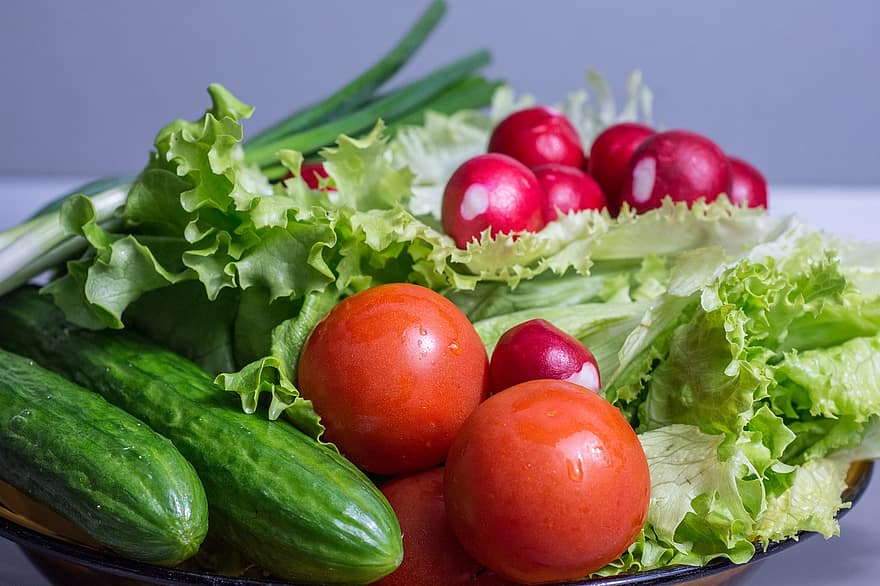
A 1700-calorie vegetarian meal plan is a mild-deficit or near-maintenance eating pattern built on legumes, whole grains, eggs, dairy, nuts, seeds, vegetables, and fruit.
The Academy of Nutrition and Dietetics 2016 position paper found well-planned vegetarian diets are appropriate for every life stage and are linked to lower risk of heart disease, type 2 diabetes, hypertension, and certain cancers (1).
At 1700 kcal this plan suits lightly active women maintaining or losing 0.5 lb per week and smaller-frame men in a modest deficit, while providing 75 to 95 g protein per day from plants, dairy, and eggs.
How the Macros Work at 1700 Calories
- Protein: 75 to 95 g. Eggs, Greek yogurt, cottage cheese, cheese, lentils, black beans, chickpeas, tofu, tempeh, edamame, seitan. Rotate sources across the day rather than combining at every meal (the older rule is outdated (1)).
- Fat: 55 to 65 g, mostly monounsaturated and omega-3. Olive oil, avocado, walnuts, flaxseed, chia.
- Carbohydrate: 200 to 240 g from legumes, whole grains, fruit, and vegetables.
- Fiber: 30 to 40 g. Vegetarian patterns deliver this range easily.
- Sodium: under 2,300 mg. Rely on herbs, lemon, and vinegar.
Nutrients That Need Attention on a Vegetarian Diet
The Academy of Nutrition and Dietetics position paper flagged specific nutrients that need planning on vegetarian patterns (1):
- Vitamin B12: Not present in plant foods. Get it from dairy, eggs, fortified nutritional yeast, fortified plant milks, or a 25 to 100 mcg daily supplement. A serum B12 test at 6 to 12 months is worth the visit.
- Iron: Plant iron (non-heme) is absorbed less efficiently than meat iron. Pair legumes with vitamin C (bell pepper, citrus, tomato, strawberry). Cook in cast iron. Menstruating women and endurance athletes may need supplementation.
- Omega-3: Flax, chia, walnuts, and hemp deliver ALA. Conversion to EPA and DHA is limited; consider algal DHA/EPA (200 to 300 mg daily).
- Zinc: Legumes, whole grains, nuts, seeds. Soaking or sprouting improves absorption.
- Calcium: Dairy, fortified plant milks, tofu set with calcium, kale, bok choy. Aim for 1,000 to 1,200 mg daily.
- Iodine: Iodized salt, dairy, eggs. Check intake if you avoid iodized salt.
Who This Plan Fits and Who It Does Not
- Fits: lightly active women maintaining or slowly losing weight, small-to-medium frame men in a mild deficit, adults transitioning to vegetarian eating, adults with cardiovascular risk factors, most healthy adults 18 and older.
- Does not fit as written: adults with celiac (swap in gluten-free whole grains), tree nut or soy allergies (swap accordingly), pregnant and nursing women (higher protein, iron, DHA, choline needs; work with a dietitian), children under 18 without pediatric oversight, adults with a history of disordered eating.
7-Day 1700-Calorie Vegetarian Meal Plan
Day 1 (~1,695 kcal)
- Breakfast: Spinach and mushroom breakfast scramble (3 eggs, 2 cups spinach, 1/2 cup mushroom, 1 tsp olive oil, 1 oz / 28 g feta) with 1 medium orange (150 g). 420 kcal, 26 g protein, 20 g carb, 25 g fat.
- Snack: 4 celery stalks with 2 tbsp peanut butter (32 g). 210 kcal, 8 g protein, 12 g carb, 16 g fat.
- Lunch: Hummus veggie bowl (1/2 cup hummus / 120 g, 1 cup carrot / bell pepper / cucumber sticks / 150 g, 1/2 medium avocado / 75 g, 1 whole-wheat pita / 60 g). 460 kcal, 15 g protein, 55 g carb, 22 g fat.
- Snack: Peppered cottage cheese (3/4 cup / 170 g) with cherry tomatoes (1/2 cup / 75 g). 170 kcal, 22 g protein, 8 g carb, 3 g fat.
- Dinner: Vegetarian breakfast burrito (2 eggs, 1/4 cup black beans / 45 g, 1 oz / 28 g cheddar, 2 tbsp salsa, 1/4 avocado / 40 g, 1 whole-wheat tortilla / 50 g) with 1 cup air-popped plain popcorn (8 g). 435 kcal, 25 g protein, 42 g carb, 22 g fat.
- Daily total: 1,695 kcal, 96 g protein, 137 g carb, 88 g fat.
Day 2 (~1,705 kcal)
- Breakfast: Pineapple kale protein smoothie (1 cup pineapple / 165 g, 1 cup kale / 20 g, 1 scoop / 25 g pea protein, 1 tbsp chia / 12 g, 1 cup unsweetened almond milk) with apple cinnamon oat bites (2 servings, 40 g rolled oats + 1 medium apple / 180 g + cinnamon). 475 kcal, 30 g protein, 65 g carb, 10 g fat.
- Snack: 1 medium apple (180 g) with 1 tbsp almond butter (16 g). 190 kcal, 4 g protein, 30 g carb, 8 g fat.
- Lunch: Black bean lime salsa bowl (2 servings: 3/4 cup black beans / 130 g, 1/2 cup roasted corn / 80 g, 1/4 cup salsa, 1/4 avocado / 40 g, 1 tbsp olive oil, cilantro, lime) over 1/2 cup brown rice (100 g). 485 kcal, 20 g protein, 70 g carb, 15 g fat.
- Snack: 1 medium banana (120 g) with 1 cup unsweetened almond milk. 140 kcal, 3 g protein, 30 g carb, 3 g fat.
- Dinner: Green pea salad (1 cup / 145 g cooked green peas, 1/2 cup diced tomato / 75 g, 1 oz / 28 g feta, 1 tbsp olive oil, mint, lemon) with 1 cup oven-baked rutabaga wedges (140 g in 1 tsp olive oil). 415 kcal, 18 g protein, 55 g carb, 15 g fat.
- Daily total: 1,705 kcal, 75 g protein, 250 g carb, 51 g fat.
Day 3 (~1,700 kcal)
- Breakfast: Vegetarian French toast (2 slices whole-wheat bread / 70 g dipped in 2 eggs + 2 tbsp unsweetened almond milk + cinnamon, cooked in 1 tsp butter) with 1 cup strawberries (150 g). 420 kcal, 22 g protein, 45 g carb, 15 g fat.
- Snack: Strawberry ginger shot (5 strawberries, 1 in ginger, lemon) with 1 medium banana (120 g). 140 kcal, 2 g protein, 32 g carb, 1 g fat.
- Lunch: Lebanese cabbage salad (2 cups shredded cabbage, 1 tbsp olive oil, lemon, mint, 1/4 cup walnuts / 30 g) with 1/2 medium avocado (75 g). 390 kcal, 8 g protein, 25 g carb, 30 g fat.
- Snack: 1 cup cantaloupe (160 g) with 1 medium orange (150 g) and 1 oz / 28 g pecans. 270 kcal, 4 g protein, 35 g carb, 15 g fat.
- Dinner: Stewed tomato black beans (3/4 cup black beans / 130 g, 1/2 cup diced tomato, 1 tbsp olive oil, garlic, cumin) with pan-fried broccoli (1.5 cups / 135 g in 1 tsp olive oil) and 1/3 cup brown rice (65 g). 480 kcal, 22 g protein, 65 g carb, 15 g fat.
- Daily total: 1,700 kcal, 58 g protein, 202 g carb, 76 g fat.
Day 4 (~1,690 kcal)
- Breakfast: Banana nut oatmeal (1/2 cup rolled oats / 40 g, 1 medium banana / 120 g, 2 tbsp walnuts / 15 g, 1 tsp maple, 1 cup unsweetened almond milk) with 1 medium apple (180 g). 430 kcal, 12 g protein, 75 g carb, 12 g fat.
- Snack: 4 celery stalks with 2 tbsp peanut butter (32 g). 210 kcal, 8 g protein, 12 g carb, 16 g fat.
- Lunch: Summer pepper and tomato salad (2 cups mixed peppers and tomato, 1 tbsp olive oil, 1 oz / 28 g feta, basil) with 1 whole-wheat pita (60 g) and 4 celery stalks. 350 kcal, 12 g protein, 40 g carb, 18 g fat.
- Snack: Berry Greek-yogurt smoothie (3/4 cup non-fat Greek yogurt / 170 g, 1/2 cup mixed berries / 75 g, 1 tsp honey, 1/2 cup unsweetened almond milk). 180 kcal, 20 g protein, 22 g carb, 1 g fat.
- Dinner: Bean burrito (3/4 cup black or pinto beans / 130 g, 1/4 cup brown rice / 50 g, 1/4 avocado / 40 g, 2 tbsp salsa, 1 oz / 28 g cheddar, 1 whole-wheat tortilla / 50 g) with 2 tbsp hummus (30 g). 520 kcal, 22 g protein, 65 g carb, 18 g fat.
- Daily total: 1,690 kcal, 74 g protein, 214 g carb, 65 g fat.
Day 5 (~1,710 kcal)
- Breakfast: Strawberry oatmeal (1/2 cup rolled oats / 40 g cooked in 1 cup unsweetened almond milk, 1 cup strawberries / 150 g, 1 tbsp almond butter / 16 g, cinnamon) with 3/4 cup non-fat Greek yogurt (170 g). 470 kcal, 25 g protein, 65 g carb, 12 g fat.
- Snack: Spinach tomato salad (2 cups baby spinach, 1/2 cup cherry tomato / 75 g, 1 tbsp olive oil, 1 hard-boiled egg, lemon). 210 kcal, 10 g protein, 8 g carb, 15 g fat.
- Lunch: Cauliflower hummus plate (1 cup cauliflower florets / 100 g roasted, 1/4 cup hummus / 60 g, 4 whole-grain crackers / 30 g) with peanut butter carrots (1 cup carrot sticks / 130 g with 1 tbsp peanut butter / 16 g). 400 kcal, 12 g protein, 45 g carb, 20 g fat.
- Snack: Bell pepper hummus snack (2 servings: 1 cup bell pepper / 150 g, 1/4 cup hummus / 60 g). 200 kcal, 6 g protein, 22 g carb, 10 g fat.
- Dinner: Avocado toast (2 servings: 2 slices whole-wheat toast / 70 g, 1 medium avocado / 150 g, red pepper flakes, lemon) with pan-roasted asparagus (8 spears / 120 g in 1 tsp olive oil) and 1 hard-boiled egg. 430 kcal, 18 g protein, 40 g carb, 25 g fat.
- Daily total: 1,710 kcal, 71 g protein, 180 g carb, 82 g fat.
Day 6 (~1,700 kcal)
- Breakfast: Watermelon smoothie (2 cups cubed watermelon / 300 g, 1/2 cup non-fat Greek yogurt / 115 g, 1 tsp lime) with 1 oz / 28 g pecans. 360 kcal, 16 g protein, 40 g carb, 20 g fat.
- Snack: Banana almond butter (1 medium banana / 120 g + 1 tbsp almond butter / 16 g) with 1 cup sliced cucumber (120 g). 240 kcal, 5 g protein, 32 g carb, 10 g fat.
- Lunch: Apricot jam and almond butter sandwich (2 slices whole-wheat bread / 70 g, 1 tbsp almond butter / 16 g, 1 tbsp low-sugar apricot jam / 15 g) with 1 medium banana (120 g). 385 kcal, 12 g protein, 65 g carb, 10 g fat.
- Snack: Brussels sprouts slaw (2 cups shaved Brussels / 175 g, 1 tbsp olive oil, lemon, 1 tbsp toasted almonds / 8 g). 170 kcal, 6 g protein, 15 g carb, 12 g fat.
- Dinner: Vegetarian pasta alfredo (1 cup cooked whole-wheat pasta / 140 g, 1/4 cup light alfredo / 60 g, 2 tbsp parmesan / 15 g) with roasted cauliflower steaks (2 slices cauliflower / 200 g in 1 tbsp olive oil). 545 kcal, 20 g protein, 65 g carb, 22 g fat.
- Daily total: 1,700 kcal, 59 g protein, 217 g carb, 74 g fat.
Day 7 (~1,710 kcal)
- Breakfast: Pear oatmeal (1/2 cup rolled oats / 40 g, 1 medium pear / 180 g, cinnamon, 1 tsp maple, 1 cup unsweetened almond milk) with 1 oz / 28 g pecans. 420 kcal, 8 g protein, 65 g carb, 18 g fat.
- Snack: 1 cup cantaloupe (160 g) with 1 medium apple (180 g). 150 kcal, 2 g protein, 38 g carb, 0 g fat.
- Lunch: Sweet corn salad (2 servings: 1 cup roasted corn / 165 g, 1/2 cup black beans / 85 g, 1/4 cup diced red pepper, 1 tbsp olive oil, cilantro, lime) with 1 oz / 28 g almonds. 500 kcal, 18 g protein, 60 g carb, 22 g fat.
- Snack: Berry protein smoothie (3/4 cup non-fat Greek yogurt / 170 g, 1 cup blueberries / 150 g, 1/2 cup unsweetened almond milk). 220 kcal, 22 g protein, 30 g carb, 1 g fat.
- Dinner: Stewed tomato black beans (3/4 cup black beans / 130 g, 1/2 cup diced tomato, 1 tbsp olive oil, garlic) with pan-fried broccoli (1.5 cups / 135 g in 1 tsp olive oil) and 1/3 cup brown rice (65 g). 420 kcal, 22 g protein, 55 g carb, 12 g fat.
- Daily total: 1,710 kcal, 72 g protein, 248 g carb, 53 g fat.
7-Day Comparison Summary
Save as PDF| Day | Total kcal | Protein (g) | Carbs (g) | Fat (g) |
|---|---|---|---|---|
| 1 | 1,695 | 96 | 137 | 88 |
| 2 | 1,705 | 75 | 250 | 51 |
| 3 | 1,700 | 58 | 202 | 76 |
| 4 | 1,690 | 74 | 214 | 65 |
| 5 | 1,710 | 71 | 180 | 82 |
| 6 | 1,700 | 59 | 217 | 74 |
| 7 | 1,710 | 72 | 248 | 53 |
What the Evidence Actually Shows
The Academy of Nutrition and Dietetics 2016 position paper pooled epidemiological and interventional evidence and concluded that vegetarian eating is linked to roughly 25 percent lower risk of ischemic heart disease, roughly 50 percent lower risk of type 2 diabetes, roughly 30 percent lower risk of hypertension, and lower risk of certain cancers compared with typical omnivore patterns (1).
The Harvard T.H. Chan Nutrition Source vegetarian review adds important nuance: those benefits scale with quality of the pattern.
A vegetarian diet built on refined starch, cheese, and processed veggie meats does not deliver the same outcomes as one built on legumes, vegetables, whole grains, nuts, and fruit (2). The plan above is legume- and vegetable-forward at 1700 kcal to support that.
What to Expect in Week 1
- Weight stable or slight loss (0 to 2 lb) depending on baseline. This is close to maintenance for many lightly active women.
- Digestive shift: gas and bloating for 3 to 7 days as fiber climbs. Soak legumes overnight and rinse canned beans well. Drink 8 to 10 cups of water.
- Steadier energy by day 4 to 5 as fiber and legumes stabilize blood sugar.
Practical Tips
- Batch-cook one legume (lentils, chickpeas, or black beans) and one whole grain each Sunday.
- Keep tofu, tempeh, canned chickpeas, canned black beans, eggs, plain Greek yogurt, and frozen edamame stocked.
- Start a daily B12 supplement (25 to 100 mcg) unless you consistently eat B12-fortified foods.
- Pair every legume with a vitamin-C source (bell pepper, tomato, citrus) to double iron absorption.
- Aim for 3 tbsp ground flax or chia per day for omega-3 ALA; consider algal DHA/EPA (200 to 300 mg) if you do not eat fish.
Frequently Asked Questions
Is 1700 calories enough for weight loss?
For lightly active women 1700 kcal is a mild deficit or maintenance; for sedentary men it is a mild-to-moderate deficit; for active men it is close to maintenance.
For more on this topic, check out our guide on vegetarian diet plan.
Sedentary women weighing 150 to 180 lb typically maintain around 1,750 to 2,000 kcal, so 1700 kcal usually drives 0 to 0.5 lb of loss per week.
Do I need to combine proteins at every meal?
No. The old rule was based on outdated research. Current Academy of Nutrition and Dietetics guidance is that daily amino acid totals matter, and most vegetarian eaters cover them by rotating legumes, grains, nuts, seeds, eggs, and dairy across meals (1).
Will I get enough protein?
Yes, if legumes, dairy, or eggs are at every meal. This plan delivers 58 to 96 g protein per day. That meets or exceeds 0.8 g/kg for most sedentary adults up to 200 lb. If you strength train or are over 60, target 1.2 to 1.6 g/kg and add whey, pea, or soy protein powder.
Do I really need a B12 supplement?
If you eat dairy (2 to 3 servings daily) and eggs (5 to 7 per week), you can meet B12 through food. Vegetarians who eat little dairy or eggs, plus all vegans, need B12 from fortified foods or a 25 to 100 mcg daily supplement.
B12 deficiency is silent for years and then damages nerves (1).
What about iron?
Plant iron is absorbed less efficiently than meat iron, so vegetarians need about 1.8 times the iron intake. Legumes, tofu, spinach, pumpkin seeds, fortified cereals, and dark chocolate all contribute.
Pair with vitamin C to boost absorption. Cook in cast iron.
Menstruating women should get ferritin checked at 6 to 12 months if they feel tired.
Can I do this pregnant or nursing?
Not on this template as written. Pregnant and nursing women need higher protein, iron, B12, choline, DHA, and calcium. Work with a registered dietitian to individualize portions and supplement targets.
Is vegetarian good for cholesterol?
Multiple trials show total and LDL cholesterol drop 10 to 20 percent on plant-forward eating compared with typical American diets, largely due to soluble fiber (oats, legumes, apples, chia) and lower saturated fat (1)(2).
If you take a statin, tell your prescriber; doses sometimes need adjustment as numbers improve.
Disclaimer
1700 kcal per day is near maintenance for many lightly active women and a mild deficit for sedentary men.
Vegetarian eating requires deliberate planning for vitamin B12, iron, omega-3, zinc, calcium, and iodine; a daily B12 supplement of 25 to 100 mcg is recommended for most vegetarians who do not consistently eat dairy and eggs.
Pregnant and nursing women, children under 18, adults with kidney disease, and anyone with a history of disordered eating should work with a registered dietitian to tailor this pattern.
If you take medication for cholesterol, blood pressure, or diabetes, tell your prescriber before starting; doses may need adjustment as numbers improve. This article is educational and does not replace an individualized care plan from a qualified clinician. Not medical advice.