What Is the Pescatarian Diet? Benefits, Fish Choices, and a Sample Day
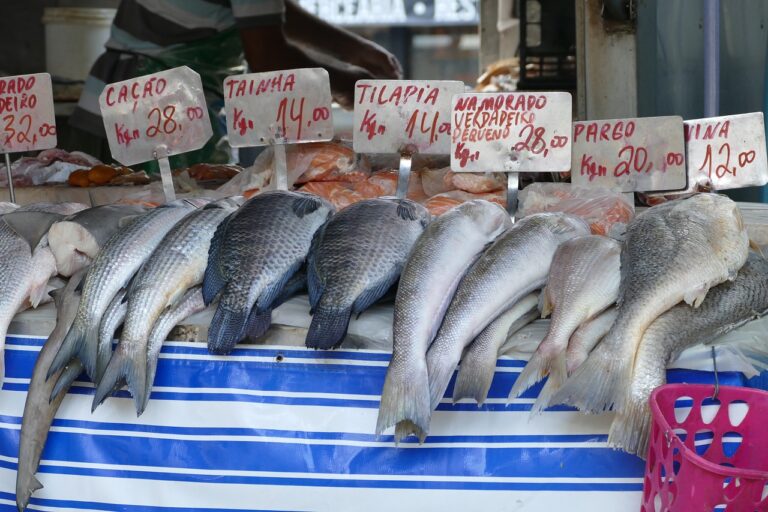
A pescatarian eats like a vegetarian, plus fish and seafood. That’s the shortest possible definition. In practice it means lots of vegetables, fruit, whole grains, legumes, nuts, eggs, and dairy, with salmon, tuna, shrimp, cod, mussels, and other seafood filling the protein role that meat plays for omnivores.
The word itself borrows from Italian: “pesce” (from the Latin “piscis”) means fish. Pescatarian eating overlaps heavily with the Mediterranean diet, which has some of the strongest evidence behind it. The landmark PREDIMED trial found that a Mediterranean diet supplemented with extra-virgin olive oil or nuts reduced major cardiovascular events by roughly 30 percent compared with a low-fat control diet.
Table of Contents
What Pescatarians Eat (and Skip)
Included:
- All fish and seafood (salmon, sardines, tuna, shrimp, mussels, oysters, cod, halibut, lobster, crab)
- Vegetables and fruit
- Whole grains (oats, brown rice, quinoa, whole-wheat pasta)
- Legumes and pulses (lentils, chickpeas, beans)
- Nuts and seeds
- Eggs and dairy (cheese, yogurt, milk)
- Olive oil and other plant fats
Excluded:
- Red meat (beef, pork, lamb)
- Poultry (chicken, turkey, duck)
- Game meats
Benefits Backed by Research
The pescatarian pattern lands closer to the Mediterranean diet than to either strict vegetarianism or a standard Western diet, which is a good place to be based on what we know.
Omega-3 fatty acids
Fatty fish is one of the best dietary sources of long-chain omega-3 fatty acids (EPA and DHA), which support cardiovascular function and help modulate inflammation. The American Heart Association recommends at least two servings (roughly 3.5 oz cooked each) of fish per week, ideally fatty fish like salmon, sardines, mackerel, or trout.
Cardiovascular health
Cutting back on red and processed meat (which are consistently linked to higher cardiovascular disease risk) while adding fish typically improves lipid profiles and blood pressure. This is one of the mechanisms researchers propose for the PREDIMED trial’s cardiovascular event reduction.
Weight management
Fish is protein-dense and relatively low in calories. Cod, for instance, delivers about 20 grams of protein in a 100 g serving for roughly 82 kcal. Combined with the fiber-rich vegetables and legumes that fill out a pescatarian plate, satiety comes easy.
Diabetes and inflammation
Plant-forward eating patterns are associated with lower risk of type 2 diabetes, better blood pressure, and reduced markers of systemic inflammation. The flavonoids, carotenoids, and polyphenols in produce contribute to those effects.
Potential Risks and Nutrient Gaps
No diet is without trade-offs. A few things pescatarians need to watch for:
- Vitamin B12. Fish, eggs, and dairy provide B12, so pescatarians usually cover their needs. Still, worth checking with your doctor if you’re mostly eating plants with occasional fish.
- Iron. Plant-based iron (non-heme) is absorbed less efficiently than the iron in meat. Pair iron-rich plants with vitamin C at the same meal to boost uptake.
- Mercury. Some fish accumulate mercury. This matters most for pregnant women, breastfeeding women, and young children. See the guide below.
- Sustainability. Fishery practices vary widely. Look for certifications like MSC (Marine Stewardship Council) when possible.
Best and Worst Fish for Mercury
Not all fish carry the same mercury load. Bigger, longer-lived predator fish accumulate more. Smaller, shorter-lived fish accumulate less. Use the table below as a starting point.
| Low Mercury (Eat 2 to 3 times/week) | Moderate Mercury (Limit to 1/week) | High Mercury (Avoid or Rare) |
|---|---|---|
| Salmon (wild or farmed) | Halibut | Shark |
| Sardines | Mahi-mahi | Swordfish |
| Anchovies | Snapper | King mackerel |
| Shrimp | Yellowfin tuna | Tilefish (Gulf of Mexico) |
| Cod | Grouper | Bigeye tuna |
| Tilapia | Sea bass | Marlin |
| Trout (freshwater) | Canned albacore (“white”) tuna | Orange roughy |
| Herring | ||
| Canned light tuna | ||
| Pollock |
Data align with FDA/EPA guidance for fish consumption.
Foods to Stock
- Canned sardines, salmon, and light tuna (shelf-stable and cheap)
- Frozen shrimp and cod fillets
- Eggs and full-fat dairy or plant milks
- Oats, quinoa, brown rice, whole-wheat pasta
- Lentils, chickpeas, black beans
- Leafy greens, cruciferous vegetables, tomatoes, peppers, avocado
- Fresh and frozen fruit
- Nuts, seeds (chia, flax, hemp), and nut butters
- Extra-virgin olive oil
Sample Day of Meals
Breakfast. Rolled oats cooked with milk, topped with berries, walnuts, and a spoonful of ground flax. Black coffee.
Lunch. Big salad with mixed greens, chickpeas, cucumber, roasted sweet potato, avocado, feta, and an olive-oil-lemon dressing.
Snack. Greek yogurt with a handful of almonds, or a piece of fruit.
Dinner. Grilled salmon over sauteed spinach and garlic with a side of quinoa. Squeeze of lemon.
FAQ
Is a pescatarian diet healthier than a vegetarian one?
Both are typically healthier than a standard Western diet. Pescatarian eating makes it easier to get omega-3s and B12 while offering flexibility that some people find more sustainable long-term.
How much fish should I eat per week?
The American Heart Association recommends at least two servings per week, ideally of fatty fish like salmon, sardines, or trout.
Can I be pescatarian while pregnant?
Yes, and it can be beneficial thanks to the omega-3s and protein. Avoid high-mercury fish and limit albacore tuna to about 6 oz per week. Check with your OB-GYN or a registered dietitian for personalized guidance.
Do I still need a B12 supplement as a pescatarian?
Most pescatarians who eat fish, eggs, and dairy regularly cover B12 needs from food. If you rarely eat any of those, or if labs show low B12, a supplement makes sense.
What’s the most sustainable fish choice?
Look for the MSC (Marine Stewardship Council) label for wild-caught, or the ASC (Aquaculture Stewardship Council) label for farmed. Small fish like sardines and anchovies also tend to have a lower environmental footprint than large predators.
Can pescatarians eat sushi?
Yes. Watch mercury on tuna-heavy rolls and stick to reputable sources for raw fish.
Is a pescatarian diet good for weight loss?
It can be. The high fiber and protein content promote satiety, and swapping red meat for fish generally reduces saturated fat intake. Portion sizes and total calories still matter.
Medical Disclaimer
This article is for educational purposes and doesn’t replace personalized medical advice. Individual protein, iron, B12, and omega-3 needs vary. Pregnant and breastfeeding women should follow FDA/EPA guidance on mercury and speak with their clinician. If you have kidney disease, gout, or a fish allergy, consult a registered dietitian before adjusting your intake.
Edited by: Damla Sengul, Food Editor