A 1,000-calorie day produces roughly a 500-1,000 calorie deficit for the average adult, which translates to about 1 to 2 pounds of weight loss per week if sustained. It sits at the boundary between low-calorie (LCD) and very-low-calorie (VLCD) approaches.
The National Institutes of Health defines Very Low Calorie Diets as under 800 kcal/day and recommends medical supervision; the 1000-kcal band is a Low Calorie Diet (LCD) and still benefits from clinician oversight if used for more than a few…
Important safety note: A 1,000 calorie vegan diet falls into what clinicians call a very low calorie diet (VLCD). Very low calorie diets are typically used only for adults with clinically defined obesity (BMI 30 or higher) under direct medical…
A 1000-calorie bariatric meal plan is a short pre-operative protocol used in the 2 to 6 weeks before weight-loss surgery. Its job is to shrink the liver, drop visceral fat, and lower surgical risk, not to replace a maintenance diet…
A 1000-calorie plant-based diet can work as a short-term weight-loss plan for small-to-average adults, but 1000 kcal sits below the estimated basal metabolic rate of most adults and is generally too low for continuous long-term use without medical supervision.
Oats are a genuinely useful whole food: rich in soluble beta-glucan fiber that is linked to lower LDL cholesterol and steadier blood sugar (1)(2). But a single-food diet is not the same as a healthy way of eating.
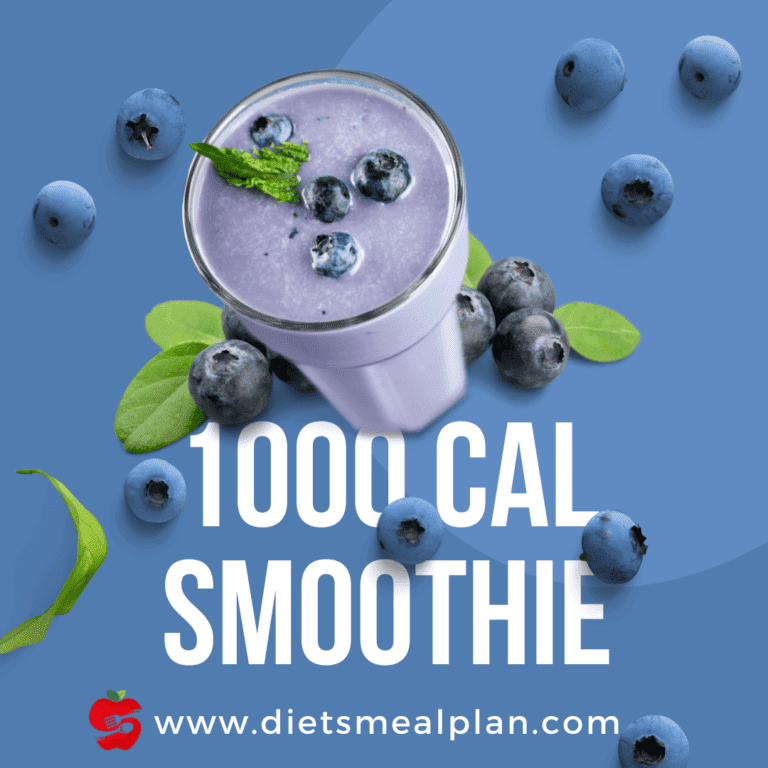
The power of seeds in this shake recipe is combined with the power of fruits. It gets the required amount of protein from the protein powder and creates a tremendously nutritious, vitamin-packed, and protein-packed shake.
Gather your favorite protein powder, berries, milk, and oats. Based on them, we will give 10 different recipes. And you will be amazed how a healthy 1000 calories can be so delicious.
The 1000 calorie vegetarian meal plan excludes all kinds of meat, fish, and poultry and further commits to bringing significant health benefits to your body.
There’s more to a 1000 calorie meal plan with high protein than just building lean muscle mass. While following this high protein diet, you can also lose that extra weight around your body faster.
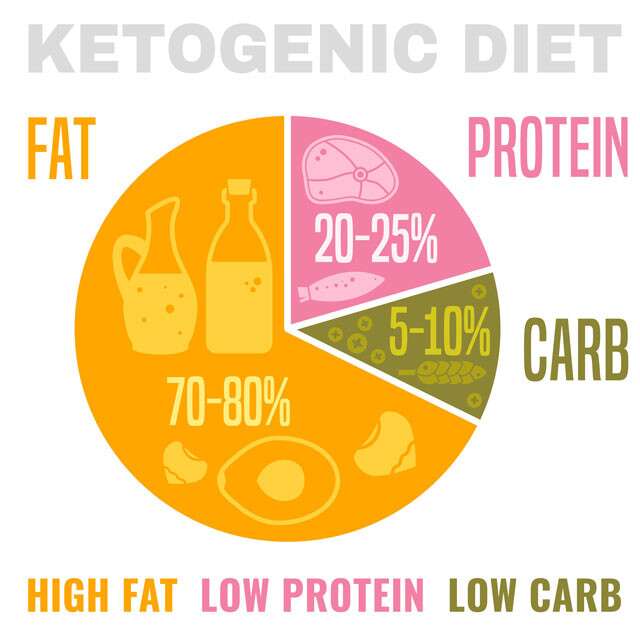
1000 calorie low carb meal plan may help you prevent and possibly reverse serious health issues like diabetes, hypertension, and cardiovascular problems.
1,000 kcal per day, ketogenic macros, and 7 days is aggressive. It’s aggressive enough that the NIDDK classifies anything under about 1,200 kcal as a very-low-calorie diet requiring medical supervision.
A 1,000-calorie day produces roughly a 500-1,000 calorie deficit for the average adult, which translates to about 1 to 2 pounds of weight loss per week if sustained. It sits at the boundary between low-calorie (LCD) and very-low-calorie (VLCD) approaches. For most adults, 1,000 calories is on the aggressive end of what should be attempted without clinician oversight, and it is not intended as a long-term eating pattern.
At this intake the macro split matters more than it does at higher calorie levels. Our plans typically target 90-120g protein (to protect lean mass), 20-30g fiber (to keep satiety and bowel regularity intact), and prioritize nutrient density - leafy greens, cruciferous vegetables, berries, lean protein, and healthy fats - because there is no room left for empty calories. Recipes tagged here are portion-tested, macro-calculated per meal using the Nutritionix database, and cross-checked against USDA references.
This intake is contraindicated in pregnancy, breastfeeding, adolescence, eating-disorder history, and unsupervised type 1 diabetes management. If you take insulin, sulfonylureas, or blood-pressure medications, dose adjustments may be needed - work with your clinician, not on your own. Condition-specific 1,000-calorie plans (diabetic, bariatric, PCOS) are written or reviewed by a Registered Dietitian on our team - Brenda Peralta, Kerly Cordova, or Marita Radloff - and medically reviewed by Franco Cuevas, MD.
For most healthy adults not under medical care, we recommend starting a weight-loss effort in the 1,200-1,500 calorie range rather than at 1,000.