Medical disclaimer: A soft food diet is often prescribed for post-op patients, people recovering from dental surgery, chemotherapy or radiation patients, and those with swallowing disorders like dysphagia.
Always follow the specific instructions from your surgeon, dentist, oncologist, or speech-language pathologist, because the safe texture level varies by procedure and by patient.
This article does not replace individualized medical guidance, and you should not start or stop a soft diet without your care team’s approval.
Who This Plan Is For
This plan is written for anyone whose care team has recommended a short-term soft food diet at home. That includes people healing from oral surgery like wisdom tooth removal, recent GI or bariatric procedures, patients dealing with mouth sores or reduced appetite during cancer treatment, and adults with mild swallowing difficulty. The goal is to keep calories, protein, and hydration up without asking your mouth or digestive tract to work too hard while it heals.
- Post-op dental patients recovering from extractions, implants, or jaw surgery
- Patients following abdominal or bariatric surgery when advancing from clear liquids
- People undergoing chemotherapy or radiation with mouth sores or nausea
- Adults with mild dysphagia cleared by a speech-language pathologist for soft solids
- Older adults with new dentures who need a gentler week of eating
What is a Soft Diet Food Meal Plan?
Soft Diet Meal is also known as a low fiber diet, mechanical diet or even bland diet. It consists of soft foods that don’t require to use of extra chewing power. As per your doctor’s suggestion, you have to follow a soft diet plan for a few days post-surgery or follow certain medical procedures.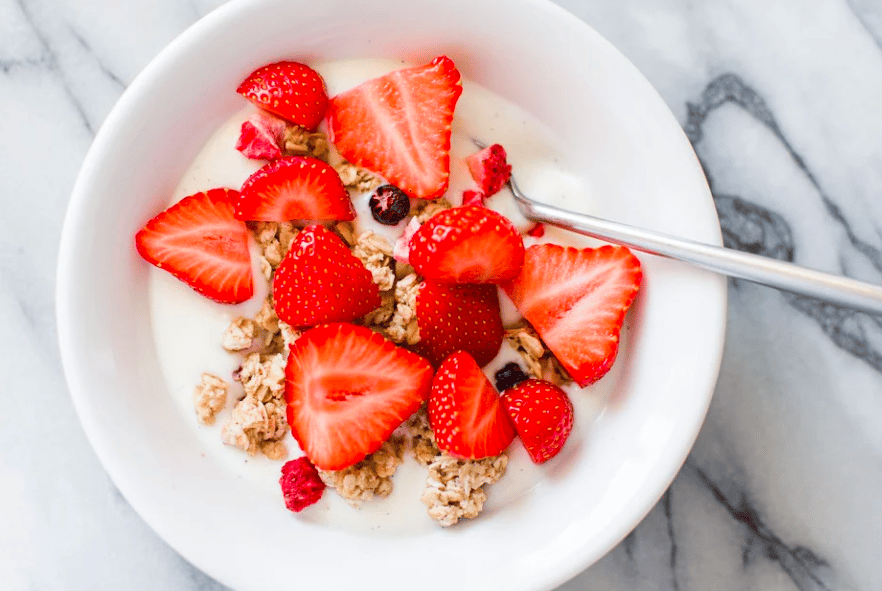
In Which Conditions Doctor Recommends Soft Diet Meal?
The list of conditions in which your doctor would recommend you to follow the soft diet meals is given below. You would be recommended to follow this diet if you are in any of the below-listed conditions.1. Surgery
If you have had surgery and your doctor would recommend a soft diet plan only. In some cases, doctors may suggest you to follow the liquid diet plan that consists of only liquid foods such as juices, milk, etc. Soft diet meal is easy to digest and doesn’t disturb your digestion system. For that reason, your doctor would recommend you this diet plan so that you can recover faster and get back to your normal life.2. To Treat Cancer
The digestive system is affected due to chemotherapy and radiotherapy. Chemotherapy and radiotherapy are used to treat cancer. Doctors would suggest a soft diet plan to those who are undergoing any of these treatments. Your digestive tract will become sore and inflamed due to a heavy dosage of medicines during the chemotherapy. This ultimately disturbs the entire digestive system. To make it goes smoothly, your doctor will suggest you soft diet only.3. Dental Problems
If you are suffering from any type of dental problem, your doctor would suggest you for this diet. Whether you have a root canal or braces or tooth extraction, you will have to follow the soft diet meal for a few days as per your doctor’s recommendations. Since your teeth need some healing time, you should not have hard textured foods that require extra chewing power. Take soft meals only that are easy to chew. It ultimately helps your mouth heals faster.4. Difficulty Swallowing
Those of you who are suffering from rare throat-related disease would recommend following the soft diet plan only. Some people find it difficult to swallow food easily due to sore throat or any other problems, in this case, your doctor would recommend this diet plan. Soft foods can be swallowed easily without affecting your throat.Foods to Eat on a Soft Food Diet
As noted above, a soft food diet consists of foods that are soft-textured, easy to chew, and easy to digest. You can have the following foods if you are recommended to follow the soft food diet by your doctor. Let’s take a look at some of the examples of soft foods. The following foods can be included in your soft diet meal plan.1. Fruits
Bananas, cooked or peeled apples, avocado, citrus fruits such as orange, grapes, etc. In short, you can have fruits that are easy to chew. You can avoid hard textured fruits such as pineapple, guava, papaya, etc.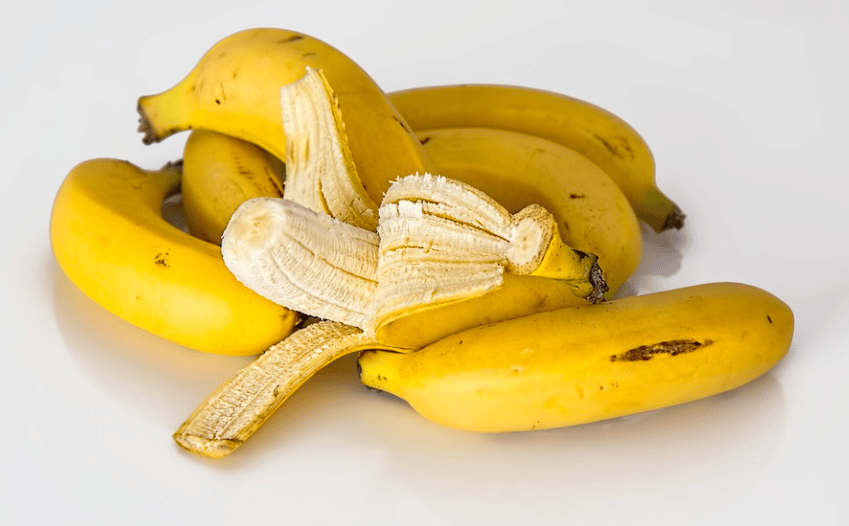
2. Vegetables
Chopped cooked spinach, cooked beans, cooked broccoli, cooked carrots, etc. Since veggies are hard to chew, you are requested to cook them properly for easy chewing.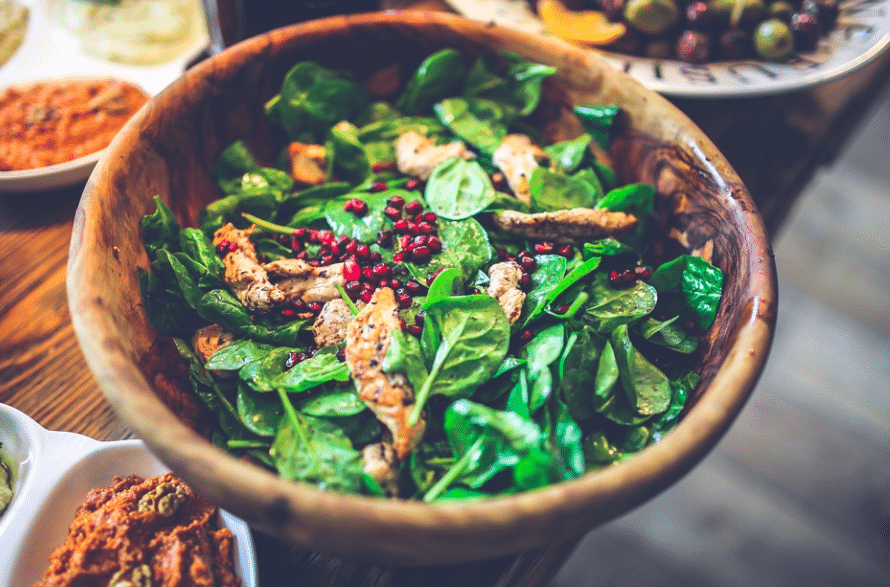
3. Dairy Products
Soft cheese, yogurt, ice cream pudding, milk, milkshakes, etc. All these dairy products can be included in your soft diet meal plan.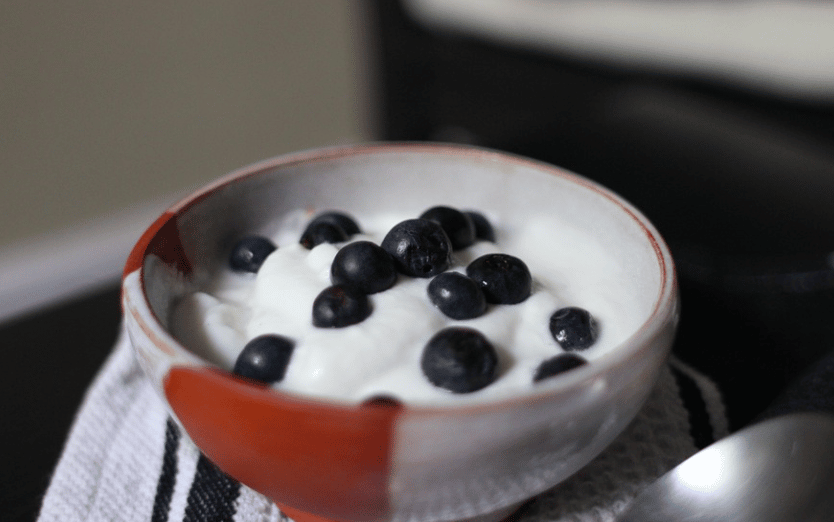
4. Eggs
You can have cooked eggs or egg whites or can prepare egg salad with boiled eggs during the diet program.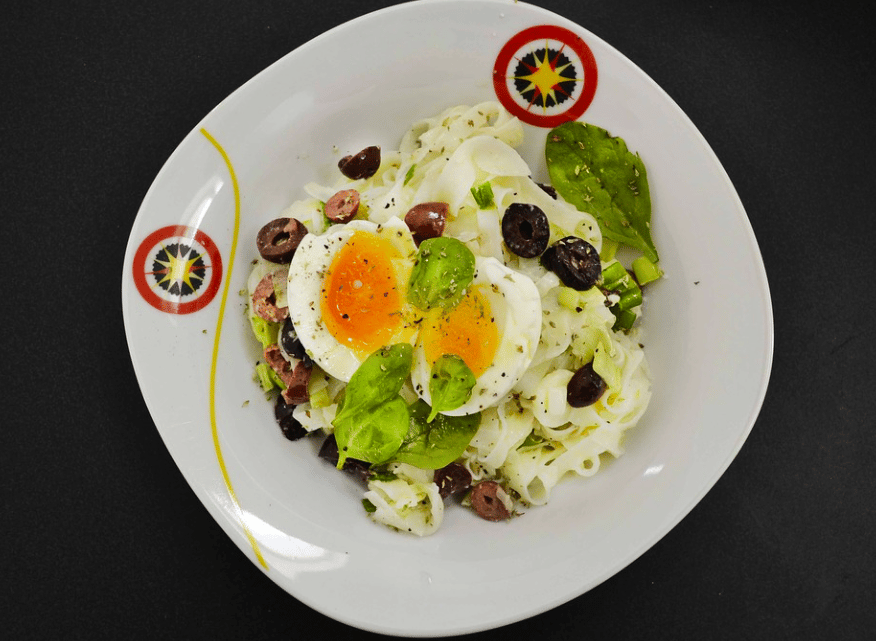
5. Soups
You can have all types of foods in liquid conditions. Soups prepared with veggies and other ingredients can be included. Make sure that it doesn’t contain hard-textured veggies.6. Grains
Soft cereals, cooked cereals, oatmeal, noodles, pasta, white rice, bread, waffles, pancakes. Grains give your body the required energy as they are the primary source of carbohydrates.7. Drinks
Water, Tea, Coffee, and all the other cold drinks can be included. The types of soft foods may vary as per the condition of the person. Your dietitian would suggest you or would prepare a detailed diet plan which you have to follow as per the suggestion of your doctor. If you are suffering from diabetes or hypertension, then there may be some restrictions on foods to control your body’s sugar level and the flow of blood. Now, let’s get on to the basic Soft Diet Meal Plan which you should follow:Soft Food Diet Meal Plan
The basic soft diet meal plan or we can say meal ideas are listed below. People who are recommended to follow the soft diet should prepare their meal by following the below given basic diet plan for soft foods. As noted above, you can prepare your meal as per your doctor’s recommendations. The only thing you need to keep in mind is that you have to include the foods that are easy to chew if you want to recover faster.
Foods to Avoid on a Soft Food Diet
If you want to know about the types of foods to avoid during the soft food diet program, then the list of foods listed below should not be included in your diet. Let’s get on to the list now! You just need to skip or avoid foods that are hard to chew. This is the only thing you need to keep in mind during this period. You should avoid seeds, nuts, popcorns, chocolates, potato chips, sausage, meat, peanut butter, raw veggies, fruits with skin, whole grains, etc. These types of foods should be excluded as they are hard to eat and may disturb your recovery journey.Bottom Line:
Your doctor would suggest you follow the soft diet only if you can’t eat or chew properly. It gives your digestive system a much-needed boost to healing the surgery or a particular disease. It is also good to keep your body healthy and fit as this diet boosts your metabolism system. Make sure to consult with your dietician before you start a soft diet plan. 800 Calorie Meal Plan BRAT Diet Recipes Sirtfood Diet Plan Optavia Diet Food List 7 Day Intermittent Fasting Diet Plan 21 Day Sugar Detox Plan7-Day Meal Plan at a Glance
| Day | Breakfast | Lunch | Dinner | Snack |
|---|---|---|---|---|
| Mon | Scrambled eggs with soft cheese and a ripe banana | Creamy potato and leek soup with a small cup of yogurt | Baked cod flaked into mashed potatoes with buttered peas puree | Vanilla pudding |
| Tue | Oatmeal cooked soft with milk, mashed banana, and a spoon of nut butter blended in | Cottage cheese with soft canned peaches | Slow-cooked chicken shredded fine, over mashed sweet potato with gravy | Applesauce with cinnamon |
| Wed | Greek yogurt blended with berries into a smooth mousse | Butternut squash puree soup with a soft dinner roll dipped until soft | Well-cooked pasta with marinara and finely grated cheese | Ripe pear, peeled and mashed |
| Thu | Soft French toast made from crustless bread, soaked and cooked slowly | Egg salad on soft bread with the crusts removed | Meatloaf made moist with milk-soaked bread crumbs, mashed potatoes, soft cooked carrots | Smoothie: yogurt, banana, oats, milk |
| Fri | Cream of wheat with warm milk and a drizzle of honey | Tuna salad blended smooth, on soft bread or scooped with a spoon | Baked salmon flaked into soft mashed cauliflower with butter | Ripe avocado mashed with a pinch of salt |
| Sat | Ricotta pancakes made extra thin, softened with warm milk | Slow-cooked lentil soup blended until smooth | Tender braised chicken thigh, mashed root vegetables, well-cooked green beans | Custard or milk pudding |
| Sun | Soft-scrambled eggs with cottage cheese and warm milk on the side | Creamy tomato soup with grilled cheese cut small and dipped until soft | Baked white fish with mashed potatoes and pureed spinach | Ice cream or frozen yogurt |
7-Day Shopping List
Produce (all will be cooked, peeled, or mashed)
- Ripe bananas (5)
- Ripe pears and peeled apples (3 of each)
- Ripe avocado (2)
- Berries for blending (1 pint)
- Yukon Gold potatoes (3 lb)
- Sweet potatoes (2)
- Butternut squash (1 small, cubed)
- Cauliflower (1 head)
- Carrots (1 lb) and green beans (1/2 lb)
- Baby spinach (5 oz, for pureeing)
- Leeks (1 bunch)
- Roma tomatoes (4)
Proteins (all cooked to fork-tender)
- Boneless, skinless chicken thighs (1 lb)
- Ground beef or turkey for meatloaf (1 lb)
- Salmon fillet (4 oz)
- Cod or other mild white fish (8 oz)
- Canned tuna in water (2 cans)
- Eggs (1 dozen)
- Firm tofu (optional, 14 oz)
Grains and Soft Starches
- Rolled oats and cream of wheat
- Soft white or whole-wheat sandwich bread (1 loaf)
- Small dinner rolls
- Small pasta shapes like elbows or orzo
- Cooked short-grain white rice
- Well-cooked lentils (canned is fine)
- Plain crackers for softening in soup
Dairy and Alternatives
- Whole milk or lactose-free milk (half gallon)
- Plain and vanilla yogurt (32 oz)
- Low-fat cottage cheese (16 oz)
- Ricotta cheese (15 oz)
- Soft mild cheeses like American, mozzarella, or Havarti
- Vanilla pudding or custard cups
- Ice cream or frozen yogurt (optional treat)
Pantry and Seasonings
- Low-sodium chicken and vegetable broth
- Butter or olive oil for softening and moisture
- Smooth nut butter (avoid chunky)
- Applesauce (unsweetened)
- Canned peaches or pears in juice
- Marinara sauce (smooth, no chunks)
- Honey, cinnamon, mild dried herbs, salt, white pepper
- Cornstarch or flour for thickening soups and gravies
Frequently Asked Questions
How long should I stay on a soft food diet?
Length depends entirely on why you were put on it. After a simple tooth extraction, most people move on within three to seven days. After bariatric surgery, the soft phase often lasts two to four weeks. Cancer patients may need it on and off during treatment. Always follow the timeline your surgeon, dentist, or oncologist gave you rather than guessing, and check in if healing feels slower than expected.
When can I add solid foods back in?
Most care teams recommend advancing gradually once chewing and swallowing feel pain-free. Start by adding one softer solid at a time, like well-cooked pasta or tender fish, and watch how your mouth or digestive system responds. If anything causes pain, swelling, nausea, or reflux, drop back to soft foods for another day or two. Do not rush hard, crunchy, or chewy foods just because you feel bored.
How do I get enough protein on soft foods?
Aim for a protein source at every meal and snack. Good options include scrambled eggs, Greek yogurt, cottage cheese, ricotta, blended smoothies with milk and yogurt, well-cooked fish, shredded slow-cooked chicken, tofu, meatloaf, and blended lentil or split pea soup. A plain unflavored protein powder stirred into oatmeal or milk can help fill gaps if your appetite is small during recovery.
Can I use a straw on a soft food diet?
Not always. After tooth extractions, wisdom teeth surgery, or any oral procedure with stitches or a blood clot, dentists usually ask you to avoid straws for at least a week to prevent dry socket. After abdominal surgery, some surgeons also discourage straws because swallowed air worsens bloating. When in doubt, sip from a cup and check the specific post-op instructions you were sent home with.
What foods should I absolutely avoid?
Skip anything crunchy, chewy, sticky, seedy, or spicy. That means no nuts, popcorn, chips, granola, raw vegetables, tough meats, crusty breads, seeds, or hard fruits like apples and pears with skin. Very hot foods and drinks, alcohol, and acidic items like citrus juice can also irritate a healing mouth or gut. When you’re unsure, mash a bite with a fork. If it doesn’t flatten easily, don’t eat it yet.