Read this first. The Dukan Diet is a high-protein, very-low-carb, low-fat weight-loss plan. In 2010 the French food-safety agency ANSES reviewed 15 popular slimming diets and flagged Dukan as one of the highest-risk for nutritional imbalance and long-term regain.
This “made easy” summary is educational, not medical advice. Skip the diet entirely if you’re pregnant, breastfeeding, under 18, over 65, have kidney or liver disease, gout, type 1 diabetes, or an eating-disorder history. Get medical clearance before starting any restrictive plan.
Dukan Diet Made Easy: The Practical Version
There’s a lot of noise around the Dukan Diet. If you want to figure out whether the plan fits your life without wading through Dr. Dukan’s full book, this practical summary covers what you actually eat, what you don’t, when meals happen, and where the tradeoffs are.
Compared with keto, Dukan uses very little fat. Its core idea: protein satisfies you more per calorie than carbs or fat, so build meals around lean protein and you’ll lose weight without counting.
The plan also wants you moving. Walking daily and taking stairs are non-negotiable parts of the design.
What’s on This Page
- The core idea in one paragraph
- What you can eat
- What to avoid
- Meal timing and phase rhythm
- Pros and cons
- The honest evidence picture
- FAQ
The Core Idea, In One Paragraph
Dukan builds every meal around lean protein and treats fat as a bigger problem than carbs. The plan uses roughly 100 approved foods, split across four phases. Phase 1 (Attack) is pure lean protein plus 1.5 tablespoons of oat bran.
Phase 2 (Cruise) adds 32 non-starchy vegetables on alternating days until you hit your goal. Phase 3 (Consolidation) reintroduces fruit, whole grains, cheese, starch, and celebration meals.
Phase 4 (Stabilization) is a “forever” phase where you eat what you want six days a week and keep one pure-protein day, plus 3 tablespoons of oat bran daily.
What You Can Eat
The Attack phase permits 68 lean, high-protein foods. Cruise adds 32 non-starchy vegetables. By Consolidation the list expands significantly. Here’s a working shopping guide across the phases:
Lean protein sources
- Skinless poultry (chicken, turkey)
- Eggs
- Fish and shellfish
- Lean beef, pork, veal, bison, venison
- Non-fat dairy: milk, yogurt, cottage cheese, ricotta
- Tofu (vegetarian option)
Pantry and extras
- Oat bran (the one grain, in prescribed amounts)
- Lemon juice
- Pickles (watch sodium)
- Diet gelatin
- Small amounts of olive oil (Consolidation+)
- Artificial sweeteners
- Shirataki noodles
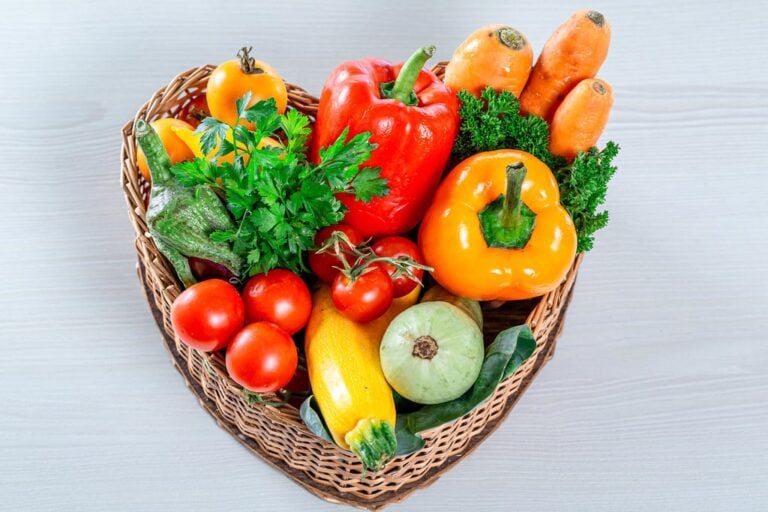
Cruise-phase vegetables (32 non-starchy)
- Leafy greens: spinach, kale, lettuce, chard
- Cruciferous: broccoli, cauliflower, cabbage, Brussels sprouts
- Bell peppers, tomatoes, mushrooms, eggplant
- Cucumbers, celery, asparagus, artichokes
- Green beans, spaghetti squash, pumpkin
- Turnips, small amounts of carrots and beets
- Onions, leeks, shallots
What to Avoid
These are out during the weight-loss phases and appear only later (some never come back in full):
- Butter, high-fat spreads
- Alcohol
- Added sugar
- Legumes (chickpeas, lentils, beans)
- Fruit (except in Consolidation, and even then not bananas, grapes, figs, or cherries)
- Bread, pasta, rice (limited whole-grain bread returns in Consolidation)
- Bacon and other high-fat meats
- Full-fat cheese (limited hard cheese in Consolidation)
- Fried foods
- Nuts
- Avocados and olives
- Potatoes and corn
- Non-skim dairy
- Mayonnaise and sweetened condiments
Meal Timing and Phase Rhythm
No fasting windows, no calorie counting. What Dukan does control is the day-by-day pattern of what you eat.
- Attack: 2 to 7 days of pure lean protein. Nothing else.
- Cruise: Alternate protein-only days (PP) with protein-plus-vegetable days (PV). People with more to lose use longer cycles.
- Consolidation: One pure-protein day per week (Dukan recommends Thursday) plus two celebration meals a week.
- Stabilization: Same Thursday rule, forever.
This rhythm is a big part of why people who succeed on Dukan tend to plan meals ahead. Improvised eating goes off-plan quickly.
Pros and Cons
| Pros | Cons |
|---|---|
| Fast early weight loss (mostly water first) | Very restrictive; low variety |
| Protein keeps you full without calorie counting | Nearly no fiber during Attack and PP days |
| Long Consolidation phase eases you back to normal eating | Rebound risk is high per ANSES review |
| Simple rules per phase | Muscle loss without adequate calories + strength training |
| No calorie or portion counting | Missing vitamins, minerals, and phytonutrients from restricted plants |
| Encourages daily movement | Low salt intake early; some people feel sluggish |
The claim you’ll sometimes see that fat reserves “convert into glucose” for energy is oversimplified. Fat can generate acetyl-CoA and ketones, and the glycerol from triglycerides can enter gluconeogenesis, but the process is not the simple “fat becomes fuel” pitch some diet copy suggests.
The Honest Evidence Picture
The 2010 ANSES report on 15 slimming diets rated Dukan among the highest-risk. The reviewers flagged low fiber, low potassium, low magnesium, low vitamin C during restrictive phases, likely muscle loss, and high rebound rates after stopping.
The broader research on very-low-carb, high-protein diets is more mixed. The 2013 Bueno meta-analysis in the British Journal of Nutrition found ketogenic diets produced about 2 pounds more loss at 12 months than low-fat diets, with better triglycerides and HDL but slightly higher LDL. Modest edge, not a miracle.
What this means in practice: Dukan can produce real short-term weight loss for a healthy adult with medical clearance. Long-term maintenance depends on adhering to Stabilization forever, which most people don’t. If you have any medical history that raises kidney load, blood-sugar, or eating-disorder concerns, this isn’t the plan for you.
FAQ
What makes Dukan “easy” compared to other diets?
No calorie counting, no macro tracking, no fasting windows. You pick from a fixed list of approved foods. The tradeoff is that the list is short and rigid.
How quickly will I lose weight?
Most people drop several pounds in the first week, but the first week’s loss is largely water. Sustainable fat loss is closer to 1 to 2 pounds per week averaged over months.
Will I be hungry?
Protein is filling, so most people report reasonable satiety. Early on, headaches, fatigue, and constipation are common as your body adapts.
ANSES flagged nutritional imbalance during restrictive phases (low fiber, K, Mg, vit C), likely muscle-mass loss, high rebound rates, and psychological effects like food obsession.
Can I eat out on Dukan?
Yes, but it takes planning. Grilled protein plus a plain side is possible in most restaurants. Sauces, marinades, and dressings often contain sugar or fat that puts you off-plan.
Can vegetarians follow Dukan?
It’s difficult. The plan leans heavily on animal protein. Vegetarians can use eggs, tofu, and non-fat dairy but risk missing key nutrients on such a narrow list.
Should I see a doctor before starting?
Yes, especially if you have any chronic condition, take medication, are over 65 or under 18, or have a history of disordered eating. A registered dietitian can help you tailor or replace the plan with something safer.
Related Reading
- Dukan Diet 101 for Beginners
- The Four Phases in Depth
- Dukan Cruise Phase Meal Plan
- Attack Phase Recipes
- Complete Dukan Diet Food List