Meal plans built for women's nutritional needs across life stages: weight loss, postpartum recovery, perimenopause and menopause hormonal changes, PCOS management, iron-repletion for menstruating women, and pregnancy nutrition. Every plan is calorie- and macro-calibrated, tested against real recipes in our kitchen, and reviewed for the specific nutrient concerns most relevant to the target reader.
Short answer: A 1500-calorie diet plan for women is a moderate-deficit template that delivers 60 to 90 g of protein, at least 25 g of fiber, and the key micronutrients women often fall short on: iron (18 mg for ages…
A 1700-calorie diet for women is a moderate-deficit eating pattern that fits most sedentary or lightly active adult women who want to lose about 0.5 to 1 pound per week, plus some active women looking to maintain weight.
An 1800-calorie diet for women is close to the estimated maintenance level for moderately active adult women aged 26 to 50 in the USDA Dietary Guidelines for Americans 2020-2025 (1).
Talk with a registered dietitian or physician before making significant diet changes, especially if you have a medical condition, take medication, or are pregnant, trying to conceive, breastfeeding, or managing a history of disordered eating.
Short answer: A 1900-calorie daily intake sits at the top of the recommended range for moderately active adult women aged 19 to 50, per the USDA and HHS Dietary Guidelines for Americans 2020-2025 (1).
Short answer: A 2000-calorie day is the FDA reference intake used on Nutrition Facts labels and is close to the USDA estimate for an active adult woman age 19 to 40 (1).
When we talk about birth control, we refer to the use of medication, devices, or surgery to prevent pregnancy. Also known as contraception, some of them (barrier ones) can also prevent sexually transmitted diseases (STDs).
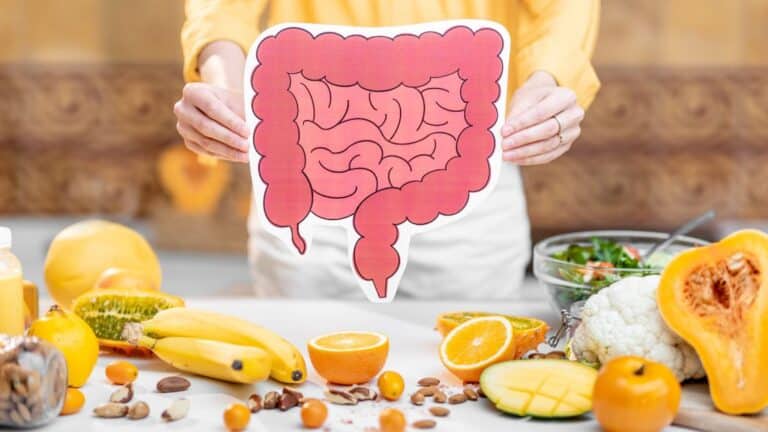
Microorganisms and bacteria are usually associated with their harmful and detrimental effects in causing illness or diseases. However, not all are considered dangerous; some tiny organisms, called “good” or “friendly” bacteria, can benefit human health and well-being. These are known…
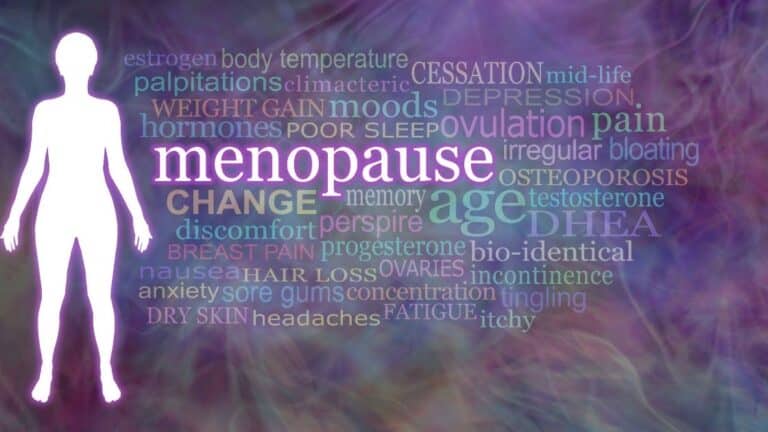
Hormone types are not a familiar topic to many of us, but they can help describe women’s hormonal and metabolic balances. Our body produces many hormones that have different functions in our bodies.
Being pregnant is a wonderful feeling, as it is the first step towards becoming a mother. However, if you want your baby to be healthy, it is essential to start taking care of your diet, eating healthy will keep you…
Please read: This article is general nutrition information and does not replace the protocols and medication instructions from your reproductive endocrinologist, OB, or fertility clinic. Always follow their advice first.
This article is for general information purposes only and is not intended as medical advice. Please consult your physician before making any significant changes to your diet. Many mothers are exploring ways to lose weight without harming themselves or their…
Gestational diabetes mellitus (GDM) is a condition in which abnormally high blood sugar levels are detected during periods of pregnancy that usually disappear after giving birth.
The women’s-health conversation around keto often skips over the piece that matters most after 40: hormones. Perimenopause reshapes glucose control, cortisol response, thyroid sensitivity, and sleep. A diet that worked at 30 may or may not translate. Some women lose…
A Keto diet for women over 50 might be a game-changer for this age group as a practical method.
About this collection
Meal plans built for women's nutritional needs across life stages: weight loss, postpartum recovery, perimenopause and menopause hormonal changes, PCOS management, iron-repletion for menstruating women, and pregnancy nutrition. Every plan is calorie- and macro-calibrated, tested against real recipes in our kitchen, and reviewed for the specific nutrient concerns most relevant to the target reader.
Covering calorie ranges from 1,200 to 2,200, this section holds plans for hormonal-type frameworks (like the popular Hormone Type 6 protocol for menopause), postpartum recovery with breastfeeding-adequate calories, PCOS-oriented low-carb and Mediterranean plans, iron-forward vegetarian plans for women with heavy periods, and general balanced plans for women managing weight over long timelines. Nutrition math uses the Nutritionix database and USDA Dietary Reference Intakes.
Content covering pregnancy, breastfeeding, PCOS, menopause, or thyroid conditions is written or reviewed by a Registered Dietitian on our team - Brenda Peralta, Kerly Cordova, or Marita Radloff - and medically reviewed by Franco Cuevas, MD. Nothing here substitutes for individualized advice from your own obstetric or endocrinology team, particularly during pregnancy or when managing a chronic condition.