
Medical disclaimer: This kefir plan is general information, not medical advice. Kefir contains live cultures and small amounts of lactose, so people with lactose intolerance, cow’s milk allergy, or a history of SIBO may experience bloating, gas, or diarrhea. Anyone who is immunocompromised, pregnant, on immunosuppressants, or managing conditions like IBD or histamine intolerance should talk with a doctor before adding fermented foods. Kefir is not a treatment for any disease.
Who This Plan Is For
This plan works best if you already tolerate dairy well and want to use kefir as one part of a balanced, lower-calorie week rather than as your only food. It’s designed for adults who want to support digestive comfort, get a wider variety of probiotics, and lose a modest amount of weight over four to eight weeks. It is not a cleanse, and you should still be eating regular meals with protein, vegetables, and some whole grains alongside the kefir.
- People with mild digestive complaints like occasional bloating who tolerate dairy
- Anyone trying to add fermented foods without buying expensive supplements
- Home cooks curious about using kefir in smoothies, dressings, and marinades
- Adults who want a structured two-week plan they can repeat
- Readers looking for gradual weight loss of one to two pounds per week
All About Kefir Diet for Weight Loss
It is possible to summarize kefir as a sour drink that results from the ferment of cow, goat or sheep milk with kefir yeast. Especially due to the probiotics it contains, kefir, which strengthens the digestive system and intestines, has also helped those who try to lose weight because it provides faster and healthier digestion. With fewer calories than milk (only 105 calories in a glass), kefir is at the center of the kefir diet, which helps eliminate extra weight by cleansing the intestines, hence the body.How is The Kefir Diet Applied to Lose Weight?

Banned Foods on the Kefir Diet for Weight Loss
When you are on the kefir diet, you must avoid the following foods: Potato, Peas, Banana, Watermelon, Melon, Lentil, Bread, Bakery foods, Desserts, Sugar.Kefir Diet for Weight Loss Sample Meal Plan
Week 1
- When you wake up in the morning, you should consume 2 glasses of kefir on an empty stomach.
- You can consume everything except prohibited foods in moderation at breakfast, lunch and dinner. You should be careful to have protein at dinner. You can eat chicken one day, red meat one day, and fish one day a week.
- You should never consume carbonated drinks.
- After 08:00 p.m., you should not eat anything.
Week 2
- When you wake up in the morning, you should start the day by consuming 2 glasses of kefir on an empty stomach.
- You can eat anything except forbidden foods for breakfast, but again in moderation.
- Unlike the first week, you should drink 1 glass of kefir half an hour before lunch and dinner.
- In the evenings, you should choose meat or chicken with a salad and supplement the kefir diet with protein.
Homemade Kefir Recipe

- Take care not to touch any metal material on your kefir. Choose your spoon as a wooden spoon and your strainer as a plastic strainer.
- Kefir grains can also be sold as kefir seeds or kefir yeast. You can also obtain it in natural products shops in this way.
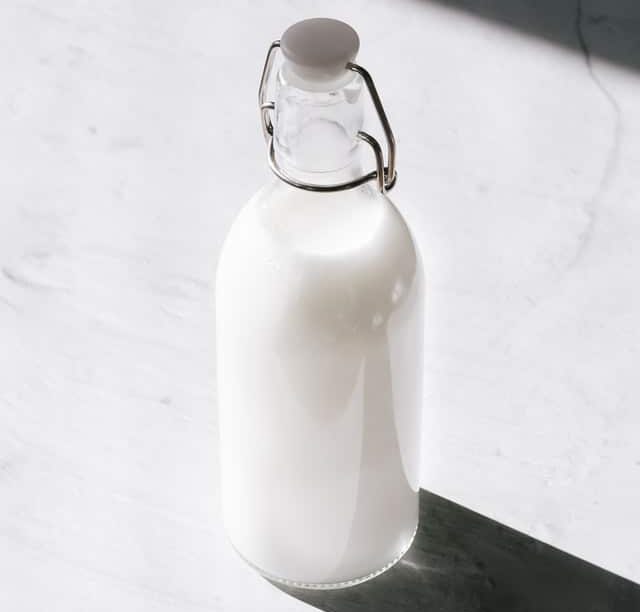
- The kefir you keep in a glass bottle will not last long because it is a natural beverage. So try to consume as fast as you can.
- Heat your milk. It should be lukewarm a little.
- If the cream has formed on it when it is lukewarm at room temperature, take it with a wooden spoon, being careful not to touch anything metal.
- Add kefir grains to the cooled milk. Mix it with the help of a wooden spoon.
- Then transfer it into a glass jar. Cover loosely with a cloth. Let it rest for about 24 hours at room temperature.
- When you remove the cloth, you will see clotting in your milk. When you see these, close the lid of the jar and let it rest in your refrigerator overnight.
- After this two-day process, pass your kefir through a plastic filter to remove clots. Then, transfer it to a glass bottle.
- You can consume it in the refrigerator by keeping it in a glass bottle.
7-Day Meal Plan at a Glance
| Day | Breakfast | Lunch | Dinner | Snack |
|---|---|---|---|---|
| Mon | Kefir smoothie: 1 cup plain kefir, berries, spinach, 1 tbsp chia | Grilled chicken salad with kefir-dill dressing and cucumber | Baked salmon (4 oz), roasted broccoli, small side of quinoa | 1 cup kefir with cinnamon |
| Tue | Overnight oats made with kefir instead of milk, topped with walnuts | Kefir-marinated chicken kebabs with tomato and cucumber salad | Turkey and vegetable soup with a small whole-grain roll | Sliced apple with 1 tbsp almond butter |
| Wed | Kefir smoothie: kefir, cocoa, banana, 1 tsp peanut butter | Big Greek-style salad with feta, olives, and kefir-lemon dressing | Baked cod (4 oz) with sauteed zucchini and cauliflower rice | Small handful of walnuts and 5 strawberries |
| Thu | Two scrambled eggs, sauteed spinach, 1/2 cup kefir on the side | Kefir-tzatziki bowl: shredded chicken, cucumber, tomato, herbs, quinoa | Stir-fried tofu and mixed vegetables with garlic and ginger | 1 cup kefir with a dash of vanilla |
| Fri | Kefir chia pudding made overnight with kefir, chia, and berries | Tuna salad made with kefir instead of mayo, on cucumber slices | Grilled shrimp (4 oz), roasted asparagus, small side of brown rice | Baby carrots with 3 tbsp hummus |
| Sat | Kefir smoothie bowl: kefir, frozen mango, spinach, topped with seeds | Lentil soup with a side salad and lemon vinaigrette | Kefir-marinated grilled chicken thigh, roasted peppers, cauliflower mash | 1 cup kefir with cinnamon and a pinch of cocoa |
| Sun | Greek-style pancakes made with kefir batter, topped with berries | Chicken and vegetable stir-fry over cauliflower rice | Baked white fish (4 oz) with kefir-herb sauce and roasted greens | Cucumber slices with kefir-dill dip |
7-Day Shopping List
Produce
- Baby spinach (5 oz)
- Mixed salad greens (5 oz)
- Cucumbers (4), tomatoes (5), bell peppers (3)
- Broccoli (1 head), cauliflower (1 head)
- Zucchini (2), asparagus (1 bunch)
- Baby carrots (1 bag), garlic, fresh ginger
- Yellow onions (2), lemons (4)
- Berries (2 pints), 1 mango, strawberries, apples (3)
- Fresh dill, mint, and parsley
Proteins
- Boneless chicken breast (1 lb) and thighs (8 oz)
- Salmon fillet (4 oz)
- White fish like cod or tilapia (8 oz)
- Peeled shrimp (6 oz)
- Canned tuna in water (2 cans)
- Ground turkey (12 oz)
- Firm tofu (14 oz block)
- Eggs (1 dozen)
Grains and Legumes
- Rolled oats (small container)
- Quinoa (1 lb)
- Brown rice (1 lb)
- Small whole-grain rolls (2)
- Dry lentils (1 lb)
- Chia seeds and flaxseed
Dairy and Alternatives (Kefir Focus)
- Plain unsweetened kefir (2 large bottles, roughly 64 oz total)
- Optional: kefir grains and whole milk if making at home
- Feta cheese (4 oz)
- Eggs (see proteins)
Pantry and Seasonings
- Extra virgin olive oil
- Red wine vinegar and lemon juice
- Kalamata olives
- Hummus (10 oz)
- Almond butter and peanut butter (small jars)
- Walnuts and almonds
- Unsweetened cocoa powder
- Herbs and spices: cinnamon, cumin, oregano, dill, black pepper, garlic powder
Frequently Asked Questions
How much kefir per day is safe?
Most healthy adults tolerate one to two cups of plain kefir per day well. If you’re new to fermented foods, start with 1/2 cup and increase over a week to let your gut adjust. Going beyond three cups a day doesn’t offer clear extra benefit and can cause bloating or loose stools. If any digestive symptoms last more than a few days, cut back and check with your doctor.
Can I use store-bought kefir instead of homemade?
Yes. Store-bought kefir is a convenient, safe option and typically lists several live strains on the label. Choose plain, unsweetened varieties, since flavored versions can pack in as much added sugar as a soda. Homemade kefir may contain a wider variety of strains and lets you control the tanginess, but nutritionally you’ll do just fine with a good store-bought product.
Is kefir okay if I’m lactose intolerant?
Many people with mild lactose intolerance handle kefir better than milk because the fermentation breaks down much of the lactose. That said, tolerance varies. Start with a small amount, watch for symptoms, and consider water kefir or coconut-milk kefir if dairy kefir causes issues. If you have a true milk protein allergy, avoid all cow, goat, and sheep milk kefirs.
Will kefir really help me lose weight?
Kefir on its own is not a weight-loss product. It’s lower in calories than many drinks, high in protein, and may support a healthier gut environment, which can help with appetite and satiety. Real weight loss still comes from an overall calorie deficit combined with movement. Claims of losing 44 pounds in four months from kefir alone are not realistic or safe for most people.
What are the side effects of starting a kefir diet?
The most common side effects in the first week are bloating, gas, mild cramping, or looser stools as your gut adapts to the live cultures. These usually settle within one to two weeks. Some people also notice mild headaches if they cut sugar and refined carbs at the same time. Drink plenty of water, ease in slowly, and stop if symptoms worsen or persist.