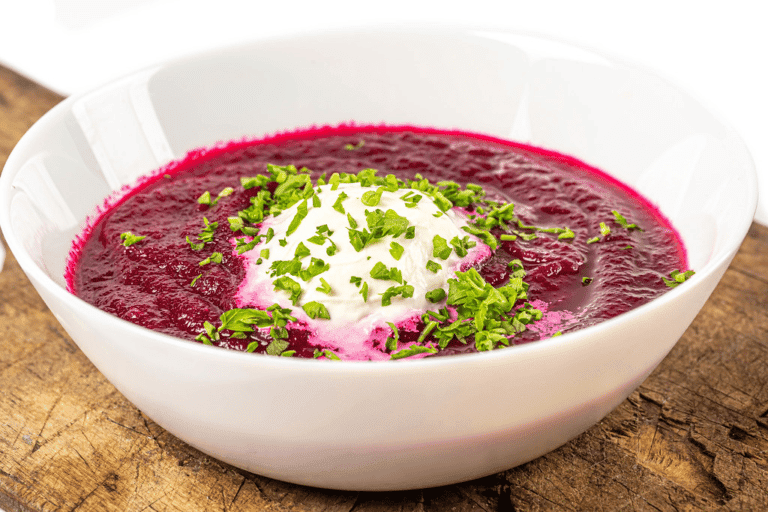
Stage 1 Baby Foods List
Short answer: “Stage 1” baby foods are the first solid foods introduced after breast milk or formula, typically around 6 months of age (never before 4 months, and only when your baby shows developmental readiness).
Our blog covers weight-loss fundamentals, dieting strategies, meal-plan comparisons, and behavior tips across every eating pattern we publish, from keto and Atkins to Mediterranean, DASH, and vegetarian. Posts run from quick 5-minute reads to long guides that walk through a full weight-loss protocol, calorie targets from 1,200 to 3,000 kcal per day, and printable menus.
Short answer: “Stage 1” baby foods are the first solid foods introduced after breast milk or formula, typically around 6 months of age (never before 4 months, and only when your baby shows developmental readiness).
Honest answer: A strict smoothie-only diet is hard to sustain, low in protein, and prone to weight regain when normal eating returns.
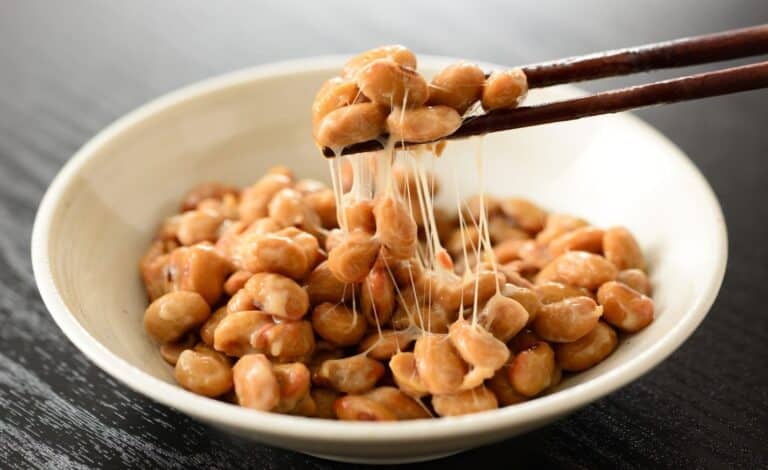
Short answer: Nattokinase is a serine protease enzyme extracted from natto, the traditional Japanese fermented soybean food.

Whether or not you trust cheat days, they do happen from time to time. It may be a few extra drinks at the big game or that extra-large slice of pizza at a family gathering.
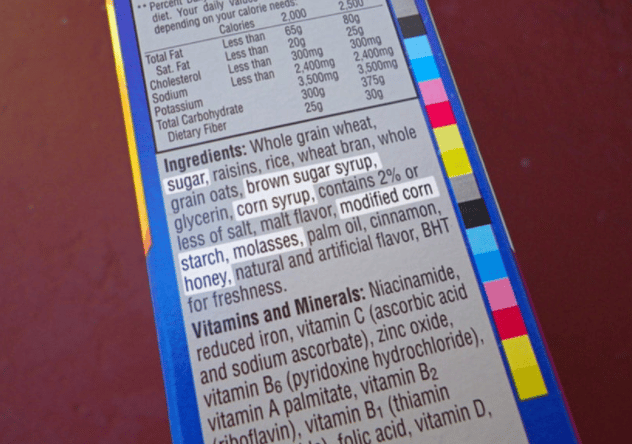
Food labels are an essential tool in developing a heart-healthy diet since they provide information about the calories and nutritional content of your foods.
Are you suffering from inflammation? Do you want natural remedies for inflammation? Inflammation is a natural reaction of the body to injury and illness.

A cheat day is a planned break from your diet, usually one meal or one full day where you eat foods that aren’t part of your regular plan. Done well, it gives you a psychological reset and can help you…
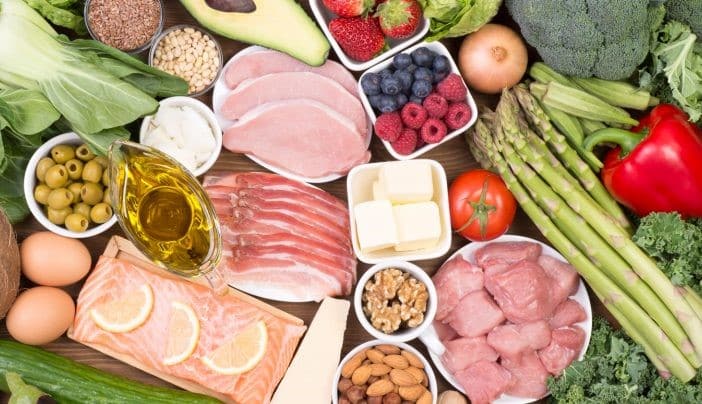
Short answer: The Dukan Diet and the ketogenic diet are both low-carbohydrate approaches, but they work on different mechanisms and have different risk profiles. Dukan is very-high-protein, very-low-fat, phased, and largely built around lean animal protein. Keto is very-low-carb, high-fat,…
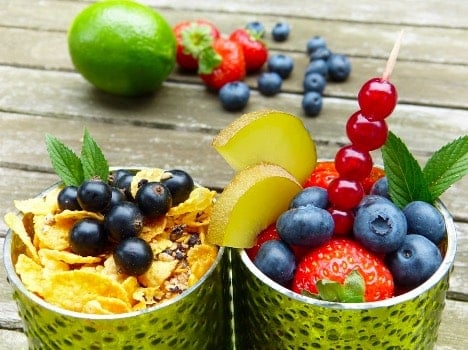
Low-carb doesn’t have to mean no fruit. It just means being picky. A cup of raspberries has about 7 grams of net carbs. A medium banana has 24. Same food category, radically different impact on your carb budget.
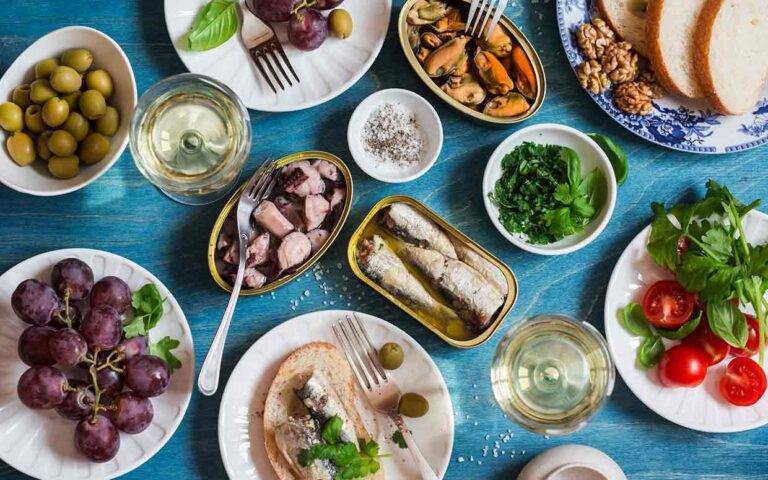
It is not unusual to experience acid reflux symptoms, which often express themselves only periodically.
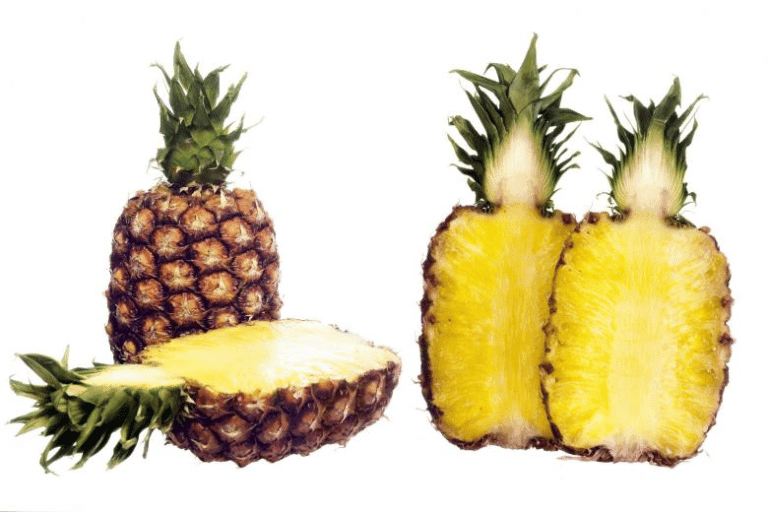
Pineapple is a prevalent tropical fruit. It is low in calories, rich in vitamins and minerals, and contains plant compounds that may help protect against disease.
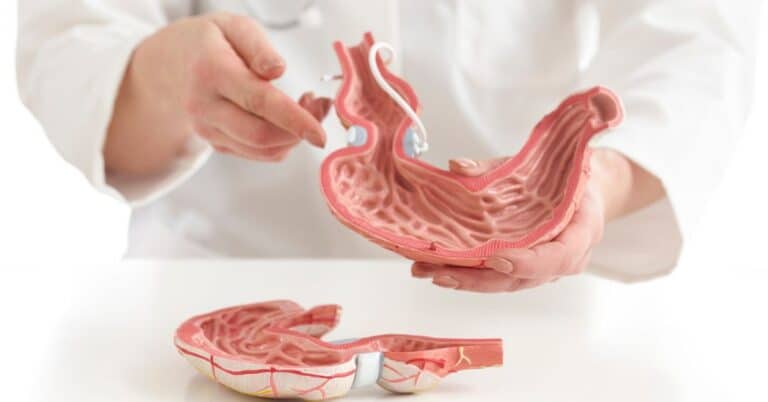
Short answer: Diet does not cause peptic ulcers, and no food will “heal” one. The overwhelming majority of ulcers are driven by Helicobacter pylori infection or long-term use of NSAIDs like ibuprofen and aspirin, and the definitive treatment is medication,…
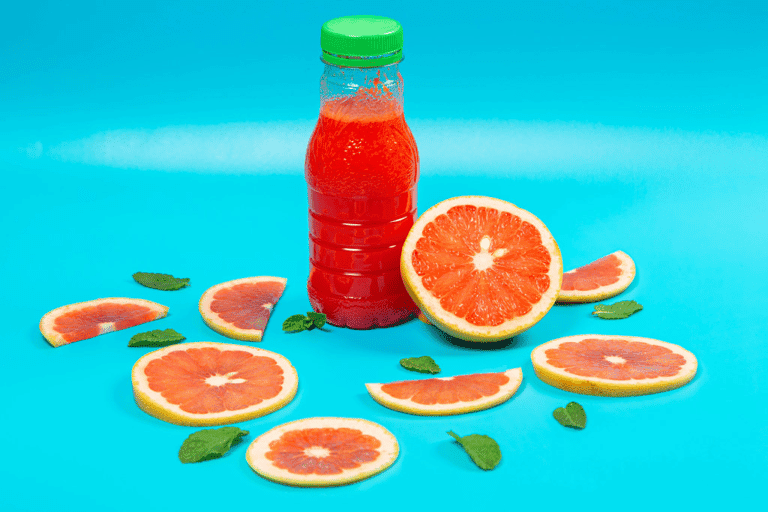
Grapefruit is tart, refreshing, and loaded with vitamin C. It’s also one of the few foods that can meaningfully change how a prescription drug behaves in your body. If you take medication regularly, this is worth knowing before you pour…
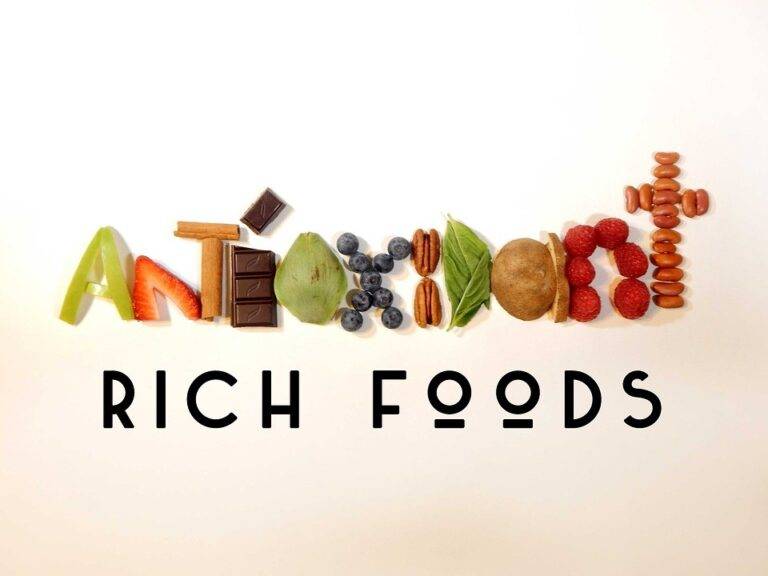
Short answer: The highest-antioxidant foods on most published lists are dark berries (blueberries, blackberries, raspberries), artichokes, dark chocolate (70%+ cacao), kale, spinach, red beans, and pecans. Real-food antioxidants from a varied diet reliably associate with better long-term health outcomes. High-dose…

Short answer: Yes, eggs are vegetarian for lacto-ovo vegetarians (the most common type). No, eggs are not vegan.
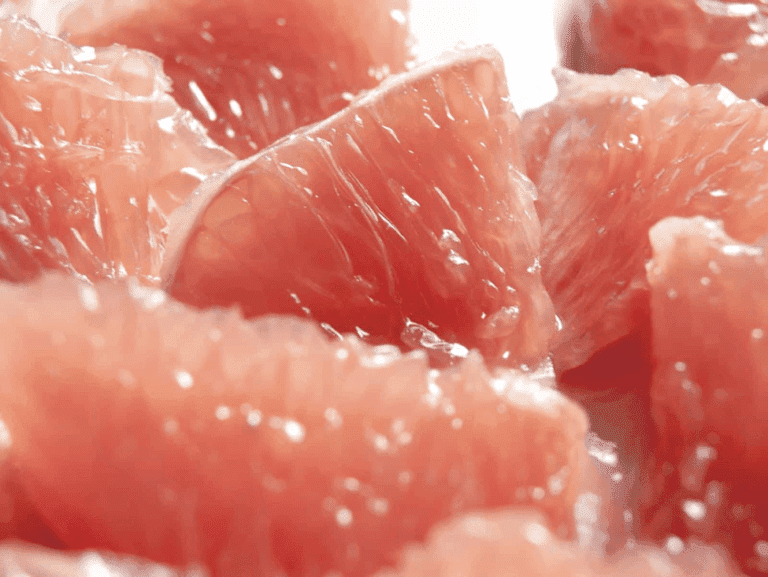
Short answer: Yes, whole grapefruit can fit into a diabetes-friendly eating plan for most people in moderate portions. A half grapefruit has a low glycemic index, is rich in vitamin C, and adds soluble fiber.
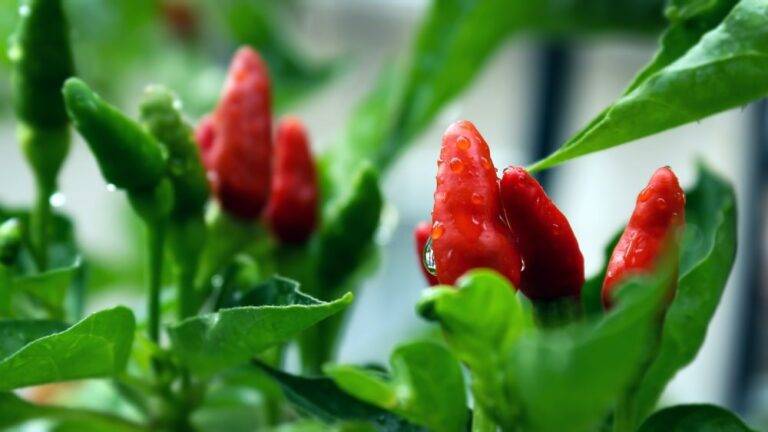
Cayenne pepper is undoubtedly one of the most popular spices globally, and it is used in various cuisines worldwide.
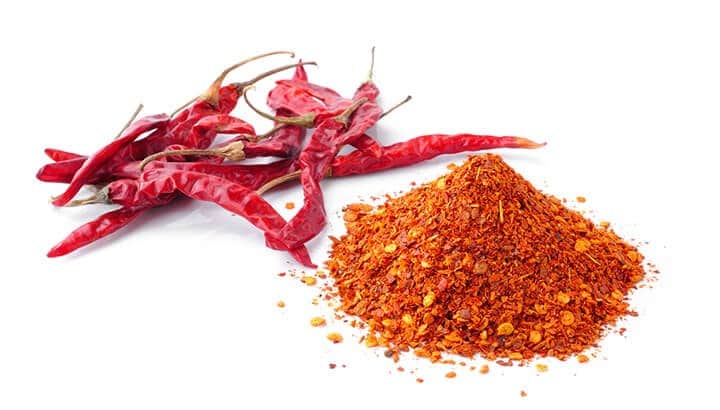
If you enjoy spicy dishes, you have likely had the opportunity of using cayenne pepper in recipes. The bulk of cayenne peppers are green or red and used as ingredients in different cuisines, including drinks and master cleanse recipe.